Opening Your Body’s Natural Repair Mechanisms
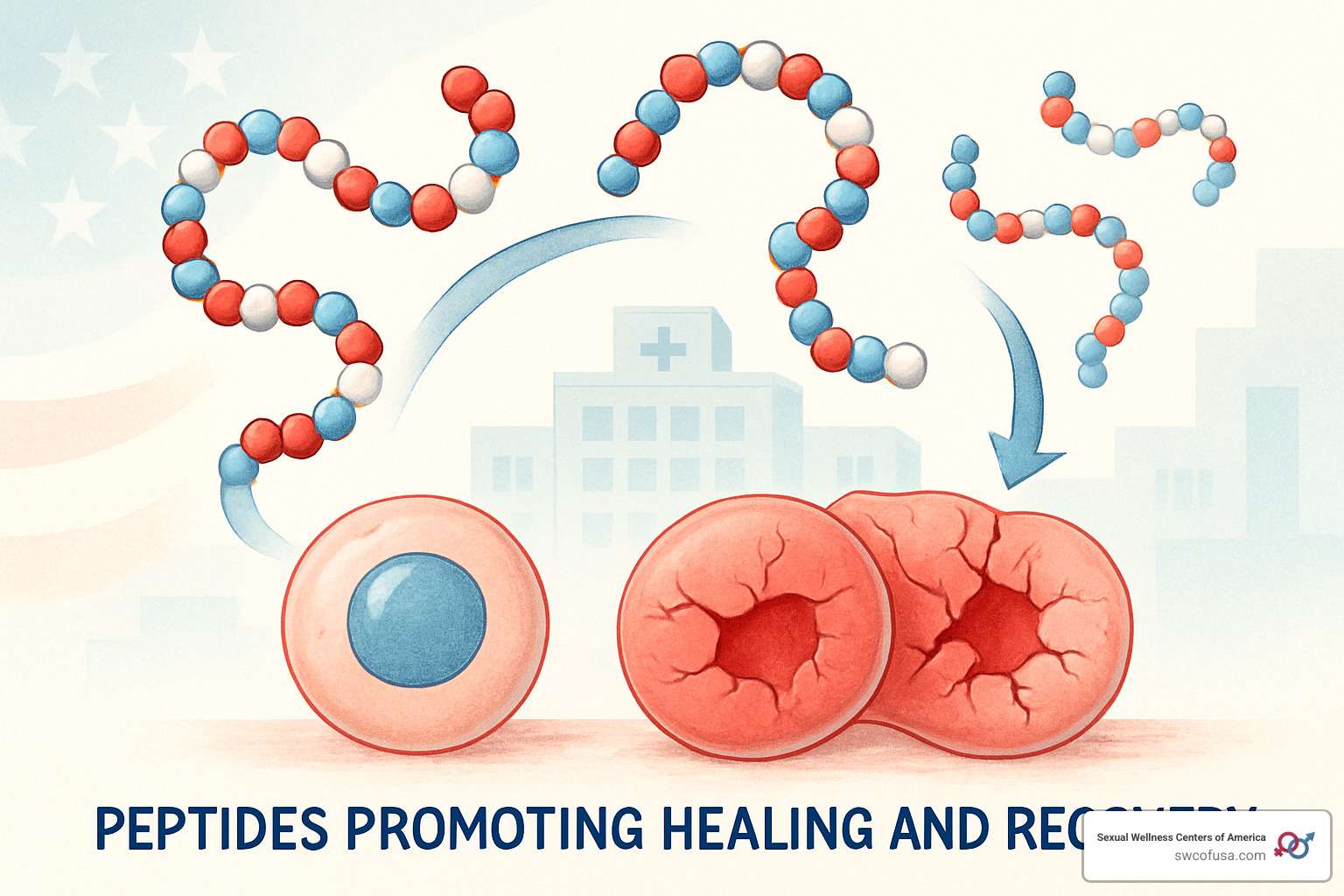
Peptides for healing are specialized chains of amino acids that accelerate tissue repair and promote faster recovery from injuries. Whether you’re dealing with joint pain, recovering from surgery, or seeking to boost your body’s natural regenerative abilities, these powerful molecules offer targeted solutions with minimal side effects.
Key facts about peptides for healing:
- Definition: Short chains of 2-50 amino acids that function as signaling molecules
- Primary benefits: Accelerated wound healing, reduced inflammation, improved tissue regeneration
- Most effective peptides: BPC-157, TB-500, GHK-Cu, collagen peptides
- Administration methods: Subcutaneous injection, oral supplements, topical applications
- Timeframe: Noticeable improvements often within weeks, full benefits in 3-6 months
Peptides work by targeting specific cellular processes involved in healing. Unlike medications that simply mask symptoms, peptides address the root cause of slow healing by stimulating your body’s natural repair mechanisms. They can promote blood vessel formation, increase collagen production, reduce inflammation, and improve cell growth—all critical components of the healing process.
As we age, our body’s ability to bounce back from injury naturally declines. This is where peptide therapy can make a significant difference, helping to restore the youthful regenerative capacity that diminishes over time.
I’m Jeff Nuziard, CEO of Sexual Wellness Centers of America, where we’ve witnessed remarkable recovery outcomes using peptides for healing as part of our comprehensive wellness protocols designed to improve both physical recovery and sexual health.
Peptide Science & Healing Mechanisms
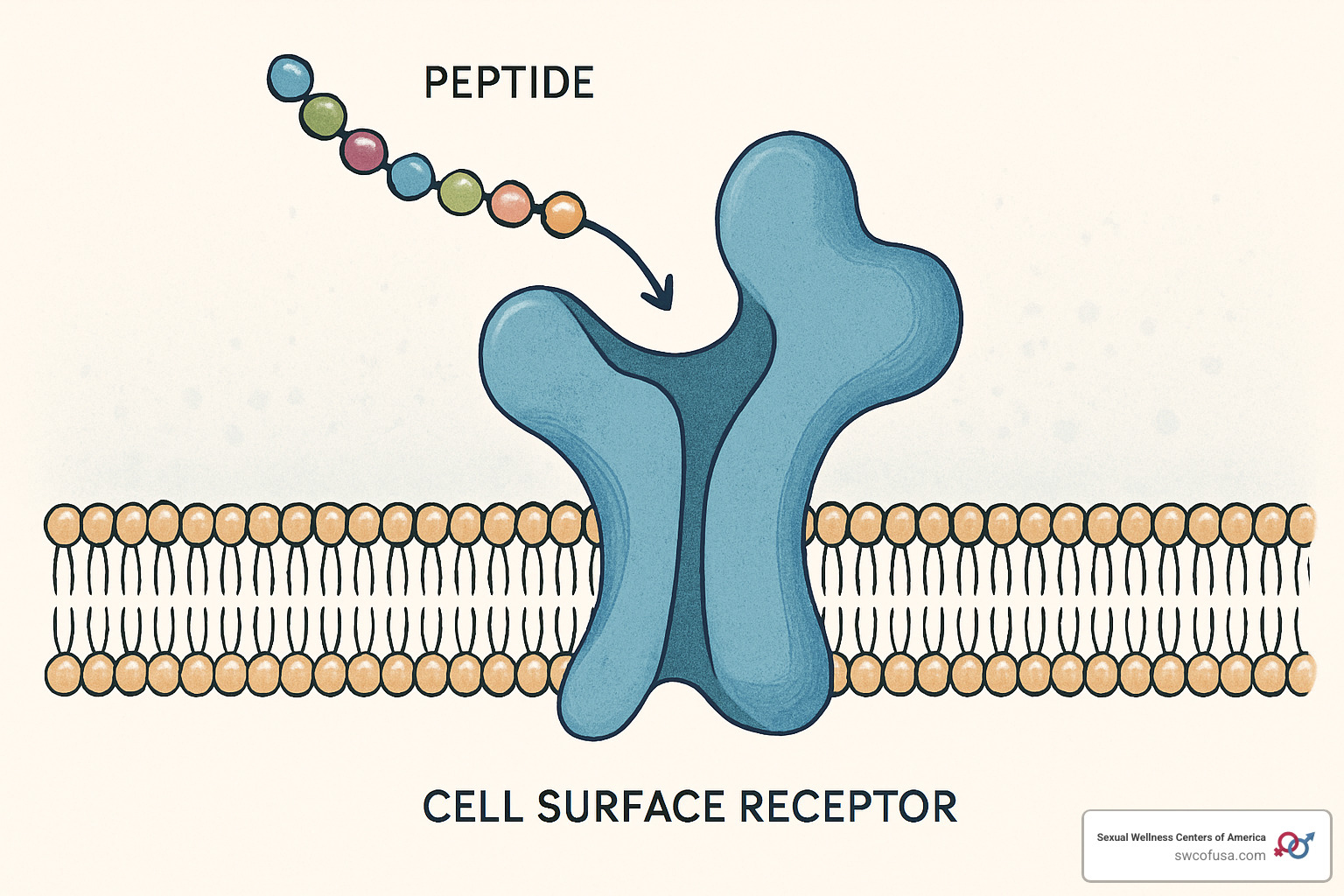
When I explain peptides for healing to my patients, I like to start with something simple: these tiny molecular chains are essentially your body’s text messages, delivering specific instructions that trigger healing where you need it most.
Unlike their bulkier cousins (proteins), peptides slip through tissues with ease, reaching damaged areas to jumpstart repair processes that might otherwise stall or slow down, especially as we age.
How Tiny Chains Beat Big Proteins
Size truly matters in the peptide world! While proteins are the heavyweight champions of your body—often containing hundreds or thousands of amino acids folded into complex structures—peptides are the nimble middleweights, typically just 2-50 amino acids linked in a straight chain.
This smaller size gives peptides for healing a remarkable edge. They penetrate tissues more effectively, bind to specific receptors with laser-like precision, and your body processes them quickly without extensive breakdown. As an added bonus, these smaller molecules are less likely to trigger unwanted immune responses.
I’ve seen many patients surprised by how these relatively simple molecules can have such profound effects. It’s like comparing a precision surgical tool to a sledgehammer—both have their place, but when you need targeted healing, the precision option often works best.
Inside the Body’s Repair Crew
Your body is constantly performing maintenance and repairs, even when you’re not aware of it. When tissue damage occurs—whether from injury, surgery, or chronic wear and tear—a complex healing cascade begins. Peptides for healing improve this natural process in several fascinating ways.
First, they can amplify signals by upregulating growth-hormone receptors in your damaged tissues. Think of this as turning up the volume on your body’s repair instructions. They also activate fibroblasts, the hardworking cells responsible for producing collagen and other components that form your tissue’s scaffolding.
Some of the most impressive peptides actually recruit stem cells to injured areas. These stem cells are like the body’s master builders, capable of changing into whatever specialized cell type is needed for repair.
Blood supply is crucial for healing, and peptides like BPC-157 and GHK-Cu excel at promoting angiogenesis—the formation of new blood vessels that deliver oxygen and nutrients to healing tissues. Without adequate blood flow, healing stalls, which is why these peptides can make such a difference in stubborn injuries.
Perhaps most importantly, healing peptides help regulate inflammation. As one regenerative medicine specialist told me, “The right amount of inflammation drives healing, but too much derails it.” Peptides help your body find that perfect balance.
According to research published in Frontiers in Bioengineering and Biotechnology, “Peptides represent promising biomaterials for tissue regeneration due to their biocompatibility, biodegradability, and ability to mimic natural extracellular matrix components.”
At Sexual Wellness Centers of America, we’ve incorporated these insights into our healing protocols, using specific peptides to improve recovery while supporting overall wellness. The beauty of this approach is that we’re not overriding your body’s natural processes—we’re simply optimizing them, helping you recover with the efficiency you had in your younger years.
Peptides for Healing: Top Molecules & Their Benefits
When it comes to tissue repair, not all peptides deliver the same results. Through years of research and hands-on clinical experience, we’ve identified several standout performers that consistently deliver impressive healing benefits. At Sexual Wellness Centers of America, we’re selective about the peptides we recommend, focusing only on those with solid evidence supporting both their effectiveness and safety.
BPC-157 – the “Body Protection Compound”
If there’s a superstar in healing peptides, it’s BPC-157. Originally finded in gastric juice, this remarkable 15-amino acid peptide has earned its nickname as the “Body Protection Compound” for good reason.
What makes BPC-157 special is its versatility. It excels at repairing tendons and ligaments by stimulating blood vessel formation and promoting granulation tissue in damaged areas. I’ve seen patients with stubborn Achilles tendon problems report a 70% pain reduction after just three weeks of treatment at our Colleyville location.
Beyond musculoskeletal healing, BPC-157 shows impressive gut-healing properties, reducing inflammatory bowel damage and speeding up ulcer recovery. It works partly through the nitric oxide pathway, which improves blood flow to injured areas – a crucial factor for tissues that typically have poor circulation.
As research in Frontiers in Pharmacology points out, BPC-157 “promotes angiogenesis to accelerate healing across muscle, tendon, and bone tissue.” This makes it particularly valuable for those nagging injuries that just won’t seem to heal with conventional approaches.
TB-500 & Ac-SDKP – Mobilizing Actin for Recovery
TB-500 is essentially the synthetic version of something your body already knows and loves – Thymosin Beta-4, a natural 43-amino acid peptide found throughout your cells. What makes TB-500 fascinating is how it works with actin, a protein that gives your cells their structure and ability to move.
When you’re injured, your body needs cells to migrate to the damaged area. TB-500 helps orchestrate this cellular migration by organizing actin filaments – think of it as the traffic controller for your body’s repair crew. This organization leads to more efficient healing with less scarring, as the repair process becomes more orderly.
Many of our patients benefit from combining TB-500 with BPC-157 for a comprehensive approach to healing. While BPC-157 focuses on blood vessel formation, TB-500 excels at cellular organization, making them perfect healing partners.
We’re also seeing promising results with Ac-SDKP, a fragment of TB4 that specializes in reducing inflammation and preventing excessive fibrosis. This makes it particularly valuable for protecting vital organs like the heart and kidneys from damage during the healing process.
GHK-Cu – Skin & Soft-Tissue Regenerator
GHK-Cu might be tiny – just three amino acids linked together – but it packs a powerful healing punch, especially for skin and soft tissues. What makes this tripeptide unique is its ability to bind copper ions, which serve as essential cofactors for many enzymes involved in tissue repair.
As we age, our natural GHK-Cu levels decline significantly, which helps explain why older adults heal more slowly. Research in the International Journal of Molecular Sciences highlights this connection, noting that “endogenous GHK-Cu levels decline with age, correlating with reduced tissue regenerative capacity.”
GHK-Cu shines in several aspects of healing: it boosts production of multiple collagen types, calms excessive inflammation, and provides antioxidant protection during the repair process. What’s particularly nice about GHK-Cu is its versatility – it can be applied topically for skin concerns, taken orally, or injected for deeper tissue healing.
At Sexual Wellness Centers of America, we’ve seen remarkable results incorporating GHK-Cu into our protocols, especially for patients looking to improve both wound healing and skin rejuvenation simultaneously.
Collagen Peptides – Building Blocks You Can Drink
There’s something appealingly straightforward about collagen peptides – they provide your body with the raw materials needed to build new collagen, the most abundant protein in your body and the essential scaffold for nearly all your connective tissues.
Created through enzymatic breakdown of animal collagen, these small, digestible peptides are particularly effective for joint health. Studies show significant improvements in joint pain and function for osteoarthritis patients taking regular collagen supplements. In fact, one double-blind study found that adults aged 51-70 experienced dramatic reductions in joint pain scores (from 29 ± 5.6 to 12.4 ± 3.7) after taking 4000mg of hydrolyzed collagen daily.
Beyond joint benefits, collagen peptides support bone density (especially important for postmenopausal women) and improve skin elasticity by enhancing hydration and reducing wrinkle depth.
| Administration Route | Pros | Cons |
|---|---|---|
| Oral collagen peptides | Convenient, no needles, widely available | Slower absorption, variable bioavailability |
| Injectable collagen | Direct delivery to target tissues, higher bioavailability | Requires medical administration, more invasive |
| Topical collagen | Easy application for skin concerns, no systemic effects | Limited penetration beyond surface layers |
The best part? Collagen peptides are widely available without a prescription as powders, capsules, and ready-to-drink beverages, making them one of the most accessible healing peptides.
Growth-Hormone Axis Peptides (CJC-1295/Ipamorelin/Sermorelin)
Growth hormone plays a crucial role in tissue repair, but directly supplementing with it can cause unwanted side effects. That’s where growth hormone secretagogues come in – they stimulate your body’s natural GH production in a more balanced, physiological way.
CJC-1295 is a modified version of growth hormone-releasing hormone with an extended half-life, allowing for less frequent dosing. Ipamorelin selectively targets GH secretion without affecting cortisol or prolactin levels, making it gentle yet effective. Sermorelin stimulates the pituitary gland to increase natural GH production.
These peptides support healing by increasing protein synthesis, improving connective tissue strength, and accelerating bone fracture healing. Many of our clients notice improvements within weeks, though the full benefits typically develop over 3-6 months of consistent use.
For athletes recovering from injuries or older adults looking to restore more youthful healing capacity, these growth hormone peptides offer significant advantages without the downsides of direct GH supplementation.
KPV & Thymosin α-1 – Calming Inflammation to Heal Faster
Sometimes the biggest obstacle to healing isn’t the injury itself but the body’s inflammatory response to it. That’s where KPV and Thymosin α-1 come in – they help create the optimal inflammatory environment for repair.
KPV (Lysine-Proline-Valine) is a tiny three-amino acid peptide derived from α-melanocyte stimulating hormone. It excels at reducing gut inflammation and promoting mucosal healing, making it valuable for digestive issues and systemic inflammatory conditions that might impair overall healing.
Thymosin α-1 takes a broader approach to immune balance. This 28-amino acid peptide (approved in over 35 countries for immune modulation) helps accelerate wound closure while improving resistance to infections during the healing process.
We’ve found these immunomodulatory peptides particularly valuable for patients whose healing is complicated by inflammatory conditions or autoimmune factors. By calming excessive inflammation without suppressing necessary immune functions, they create the ideal environment for tissues to regenerate.
Safety, Administration, Regulation & Traditional Comparison
When considering peptides for healing, understanding how to use them safely is just as important as knowing their benefits. Let’s walk through what you need to know before starting your healing journey.
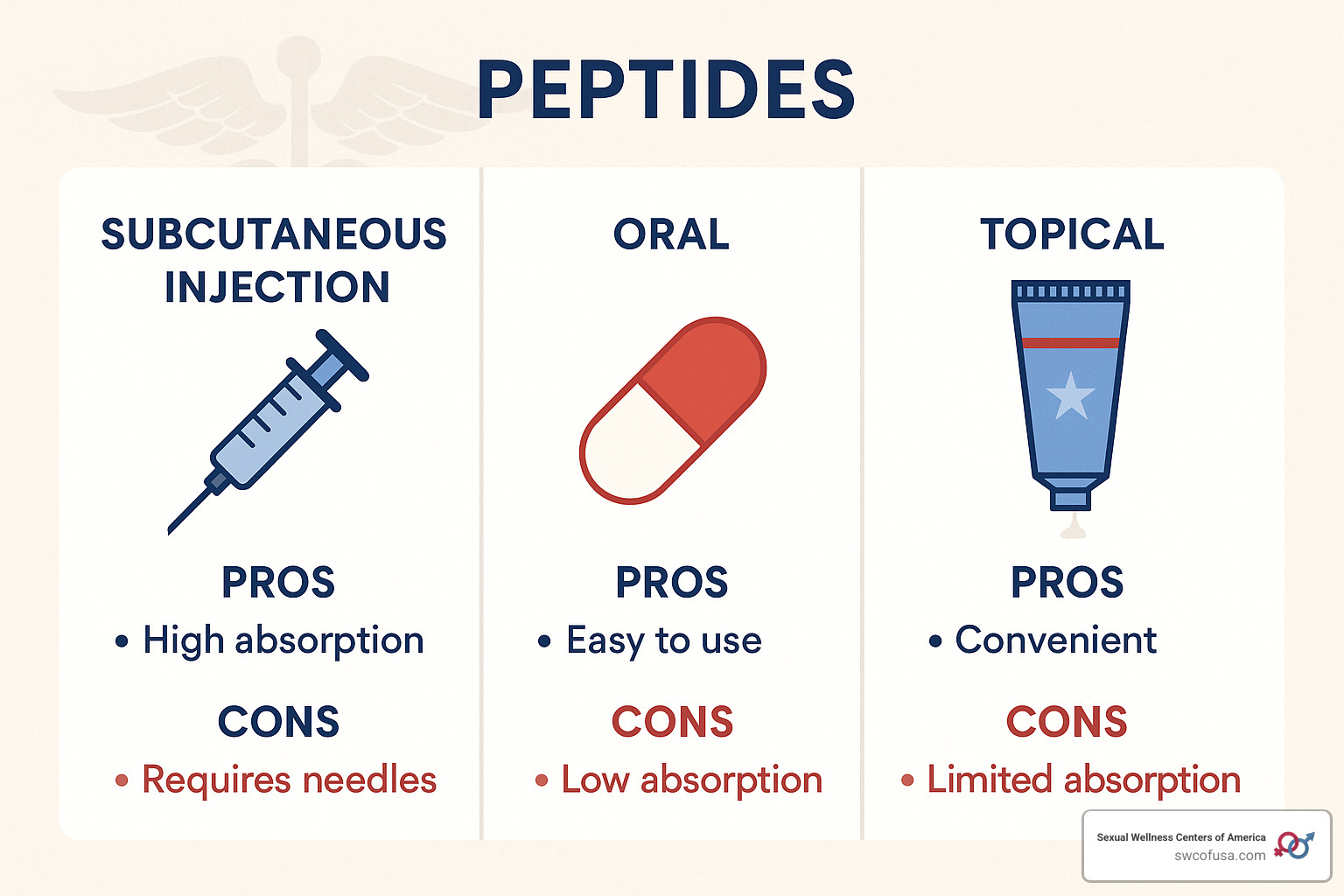
Routes & Pros/Cons of Delivering peptides for healing
There’s more than one way to get peptides into your system, and the method you choose can make a big difference in your results.
Subcutaneous injections offer the highest bioavailability and most precise dosing. Think of it as the express lane for peptides—they go directly where they need to without getting broken down along the way. The downside? You’ll need to get comfortable with tiny needles, which isn’t everyone’s cup of tea.
Oral supplements are certainly more convenient—no needles required! Just pop a pill or mix a powder into your morning smoothie. The trade-off is that your digestive system breaks down a significant portion of the peptides before they can work their magic, so you’ll typically need higher doses to see results.
Topical applications work wonderfully for skin-related healing. They’re easy to apply and target specific problem areas without affecting your entire system. However, our skin is designed to keep things out, so penetration can be limited, especially for larger peptide molecules.
At Sexual Wellness Centers of America, we understand that needle phobia is real. “Many of our clients initially hesitate about injections,” we often tell new patients, “but they’re usually surprised by how painless the tiny needles are once they try it.” Still, we’re happy to discuss alternatives when appropriate for your specific healing needs.
How Soon Will You Feel It?
Patience is key with peptide therapy. Unlike pain medications that work in minutes, peptides for healing are more like planting a garden—they need time to grow.
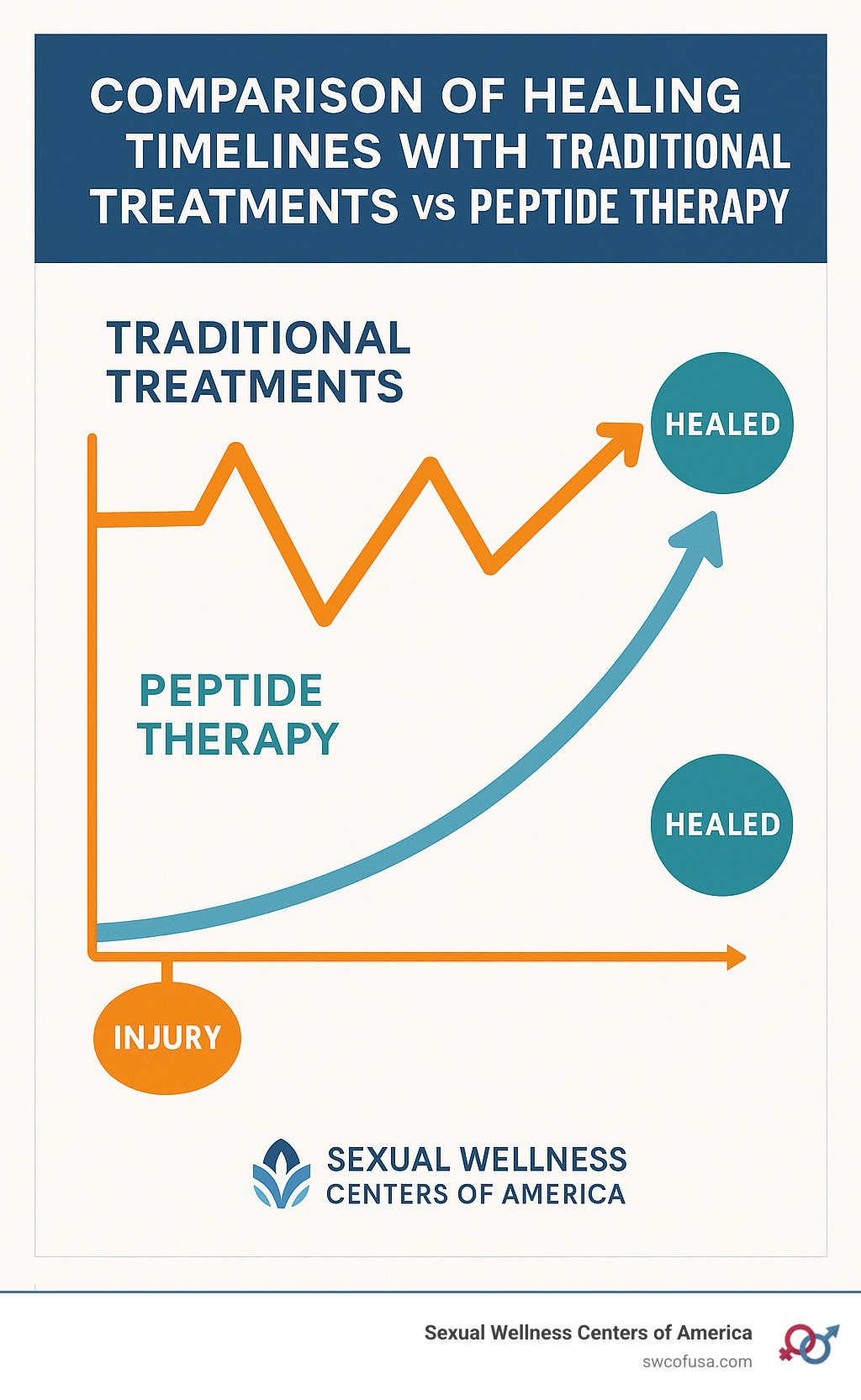
For fresh injuries, you might notice the first hints of improvement within 1-2 weeks as inflammation begins to calm. By weeks 2-4, many people report better movement and less pain. The most significant healing typically unfolds between weeks 4-8, when the peptides have had enough time to fully activate your body’s repair processes.
Chronic conditions require more patience. Your body needs to unlearn old patterns and establish new, healthier ones. Initial improvements often appear around weeks 2-4, but the most meaningful changes typically develop between 6-12 weeks of consistent therapy. For long-standing issues, full benefits may continue to unfold over 3-6 months.
Your personal timeline will depend on several factors, including your age, overall health, and the severity of your condition. Younger bodies typically respond faster, but we’ve seen remarkable recoveries in patients of all ages at our Colleyville location.
“I often tell my patients to think of peptide therapy as a marathon, not a sprint,” says our clinical director. “The benefits build over time, but they’re typically more profound and lasting than quick fixes.”
Risk Radar & Who Should Avoid Therapy
While peptides for healing are generally gentle on the body, they’re not right for everyone. Understanding potential risks helps you make an informed decision about your care.
Most side effects, when they occur, are mild and temporary. You might notice some redness or slight discomfort at injection sites—this is normal and typically resolves quickly. Some people experience mild headaches, temporary water retention, or tingling sensations as their body adjusts to treatment.
Certain groups should approach peptide therapy with extra caution. If you’re pregnant or breastfeeding, it’s best to wait. Those with active cancer should consult with their oncologist first, as some peptides influence cell growth. Severe kidney or liver disease can affect how your body processes peptides, potentially altering their effects or safety profile.
At Sexual Wellness Centers of America, safety comes first. Before recommending any peptide protocol, we conduct comprehensive health evaluations, including detailed hormone and vitamin panels. This personalized approach helps us identify any potential concerns before they become issues.
“What makes peptides special is that they’re naturally occurring in the body,” we explain to our patients. “Your body recognizes them, which is why they typically cause fewer side effects than synthetic drugs.” Still, proper selection and dosing by a qualified provider is essential for safety and optimal results.
Finding a Trusted Provider
The difference between mediocre and remarkable results often comes down to who’s guiding your treatment. When looking for a peptide provider, don’t settle for less than excellence.
A qualified provider should have board certification in relevant specialties and specific training in peptide therapies. They should take time to understand your particular condition and perform a comprehensive evaluation before making recommendations. Be wary of one-size-fits-all approaches—your body is unique, and your treatment should be too.
Quality matters tremendously with peptides. Pharmaceutical-grade peptides from reputable sources are essential for both safety and effectiveness. Your provider should follow proper storage protocols and customize your dosing based on your individual needs. Regular monitoring and follow-up care ensure your treatment stays on track.
One significant advantage of peptide therapy over traditional treatments is the favorable side effect profile. Corticosteroids may provide quick relief, but they can weaken tissues over time, actually impairing long-term healing. NSAIDs can be hard on your stomach and may actually slow down certain aspects of the healing process. Peptides for healing work with your body’s natural processes rather than against them, supporting recovery without these drawbacks.
At Sexual Wellness Centers of America, we’re committed to maintaining the highest standards in peptide therapy. Our protocols are continuously refined based on the latest research and customized to each patient’s unique needs. We believe in building relationships with our patients—your healing journey matters to us, and we’re here to support you every step of the way.
Frequently Asked Questions about peptides for healing
Do peptides work better than PRP or stem cells?
When it comes to healing options, I’m often asked which is “best” – peptides, PRP, or stem cells. The truth is, these aren’t competitors but rather teammates in your healing journey.
Think of PRP (Platelet-Rich Plasma) as bringing a concentrated dose of your body’s own growth factors to the injury site. It’s like sending in a specialized repair crew. Peptides for healing, on the other hand, are more like the construction foremen – they direct specific aspects of the healing process with targeted signals. When used together, they can create quite the dream team for tissue repair.
Stem cells work differently still – they’re the fresh workers that can actually replace damaged tissue cells. Peptides for healing can make these stem cells work more efficiently by creating an optimal environment for them to thrive.
At Sexual Wellness Centers of America, we’ve seen remarkable results combining these approaches. Our regenMAX technology, for instance, works beautifully alongside specific peptides to improve tissue regeneration. Many of our patients are surprised by how much faster they recover when we use complementary therapies rather than just one approach.
“I’ve noticed that combining peptides with self-assembling scaffolds like PRF hydrogels creates something special – the healing results are greater than either treatment alone,” as I often tell patients considering their options.
Can I combine different peptides for healing at the same time?
Absolutely! In fact, using multiple peptides together – what we call “stacking” in the field – is a common practice that can significantly improve your results when done properly.
Different peptides for healing target different aspects of the healing process. For example, BPC-157 and TB-500 make a powerful combination for soft tissue repair – BPC-157 excels at gut and tendon healing while TB-500 helps organize the cellular structure during repair. Together, they provide comprehensive support for injured tissues.
Another popular combination is collagen peptides with GHK-Cu for skin and connective tissue healing. The collagen provides building blocks while GHK-Cu helps direct the construction process.
I remember one patient with a stubborn tennis elbow who hadn’t responded to conventional treatments for months. When we designed a protocol combining growth hormone secretagogues with healing peptides, she noticed improvement within just a few weeks.
That said, I always caution patients that peptide stacking should be done under professional guidance. At our Colleyville center, we design personalized stacking protocols based on your specific healing needs and health status. It’s definitely not a DIY project!
Will I fail a sports drug test using therapeutic peptides?
This is such an important question for athletes, and I always appreciate when people bring it up proactively. The straightforward answer is: many peptides for healing are indeed prohibited in competitive sports.
The World Anti-Doping Agency (WADA) has banned several healing peptides, including TB-500 (Thymosin Beta-4). BPC-157 joined the prohibited list in 2022 under category S0, and growth hormone secretagogues are prohibited in most competitive sports as well.
If you’re a competitive athlete subject to drug testing, this is something you absolutely must discuss with your healthcare provider. At Sexual Wellness Centers of America, we work with athletes to find legal alternatives that support recovery without jeopardizing eligibility. Sometimes therapeutic exceptions can be granted through proper channels, but this requires careful documentation and advance planning.
I had a college athlete come in recently hoping to use peptides for a nagging shoulder injury. We had to have a frank conversation about his testing schedule and ultimately designed a different approach using permitted therapies. While not as rapid as peptides might have been, it kept his athletic career on track while still promoting healing.
Your healing journey matters, but for athletes, so does playing by the rules – we’re committed to helping you do both.
Conclusion
Peptides for healing represent a approach to tissue repair and regeneration. Rather than simply masking symptoms, these remarkable molecules work in harmony with your body’s natural processes, helping you recover faster from injuries, manage chronic conditions, and restore optimal function.
The science behind peptide therapy continues to evolve at an exciting pace. Each new study deepens our understanding of how these compounds can transform recovery and healing. At Sexual Wellness Centers of America in Colleyville, TX, we’re passionate about staying at the cutting edge of this research, carefully incorporating proven advances into our treatment protocols.
What makes our approach unique is how we combine innovative peptide therapies with our pioneering treatments like HEshot®™ and SHEshot®™. This creates truly comprehensive wellness programs that address both physical recovery and sexual health – because we understand these aspects of wellness are deeply interconnected. We always begin with thorough hormone and vitamin panels to develop personalized plans that match your specific needs and goals.
I believe the future of medicine lies in precision – treatments designed specifically for your unique body and condition. Peptides for healing perfectly embody this approach, offering targeted support that works with your body’s natural regenerative capabilities rather than overriding them.
Whether you’re bouncing back from a sports injury, managing arthritis, or simply looking to optimize your body’s healing potential as you age, peptide therapy offers promising solutions with remarkably few side effects. With proper guidance from qualified providers who understand the science, these powerful molecules can help you reclaim your health and vitality.
The journey to healing doesn’t have to be slow or painful. With the right peptide protocol, many of our patients experience improvements they never thought possible – returning to activities they love with renewed energy and confidence.
Ready to experience the healing power of peptides? Contact us at Sexual Wellness Centers of America today to schedule your comprehensive evaluation. We’d love to show you how our personalized peptide protocols can accelerate your healing journey and help you feel like yourself again – often better than you remembered.