
Why BPC 157 Before and After Stories Are Taking Over Recovery Circles
BPC 157 before and after experiences are capturing attention across health and wellness communities, with users reporting dramatic improvements in healing times and pain reduction. From Joe Rogan’s elbow tendonitis being “gone in two weeks” to Andrew Huberman’s L5 compression pain disappearing after just two injections, these anecdotal reports paint a compelling picture of accelerated recovery.
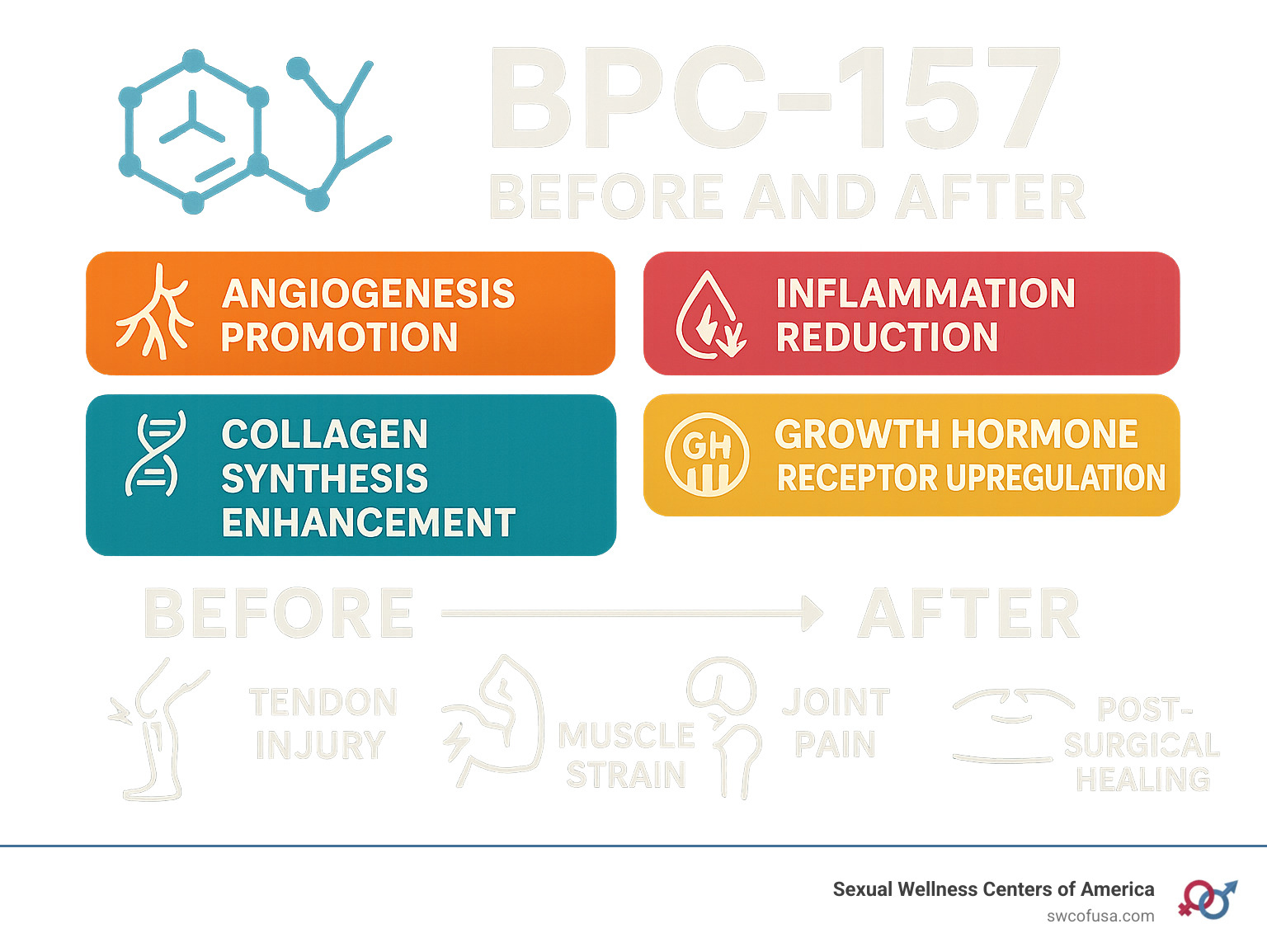
Common BPC 157 Before and After Results:
- Tendon injuries: Faster healing of tennis elbow, Achilles tendonitis
- Muscle strains: Reduced recovery time from hamstring tears, muscle pulls
- Joint pain: Decreased inflammation and improved mobility
- Post-surgical healing: Accelerated wound closure and tissue repair
- Chronic pain: Significant reduction in long-standing discomfort
The research shows that BPC-157, nicknamed the “Wolverine peptide,” works by upregulating growth hormone receptors in tissue – potentially increasing their expression by up to sevenfold in just three days. This synthetic peptide, derived from compounds naturally found in gastric juice, appears to improve the body’s own healing mechanisms rather than override them.
However, it’s crucial to understand the limitations. While BPC-157 shows promise for acute soft tissue injuries, it may be less effective for chronic structural issues like disc problems or complex spinal injuries. The peptide also exists in a legal gray area – it’s not FDA-approved for human use and is banned by WADA for competitive athletes.
I’m Jeff Nuziard, CEO of Sexual Wellness Centers of America, and I’ve witnessed how peptide therapies can transform recovery outcomes for our patients seeking improved wellness and vitality. Through years of experience with BPC 157 before and after cases, I’ve learned that proper guidance and realistic expectations are essential for optimal results.
What is BPC-157, the “Wolverine” Peptide?
If you’ve been following BPC 157 before and after stories, you’ve probably wondered what this mysterious “Wolverine peptide” actually is. The nickname isn’t just clever marketing – it reflects the compound’s remarkable ability to help your body heal faster than normal.
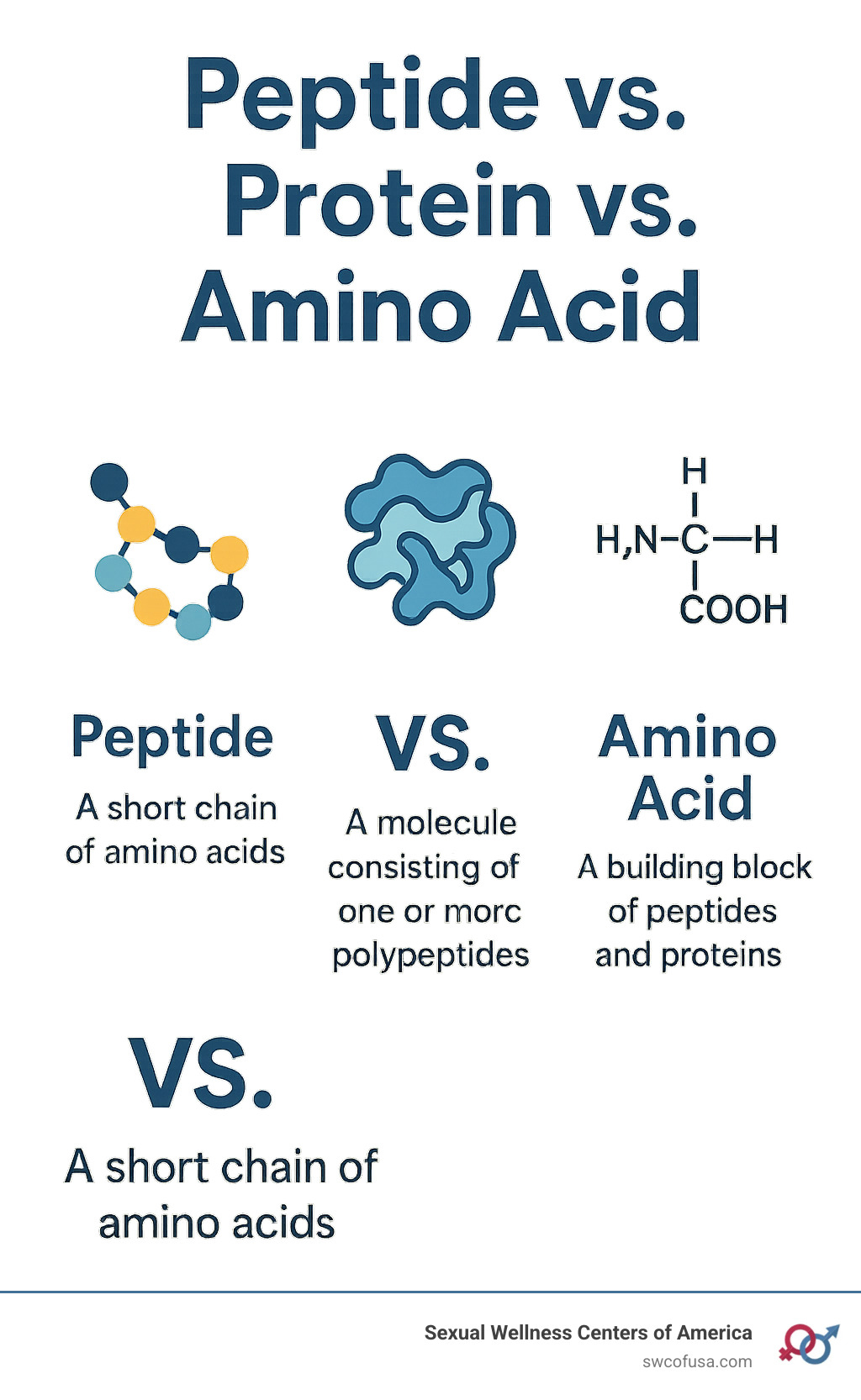
BPC-157 stands for Body Protection Compound-157, and it’s a synthetic peptide made up of just 15 amino acids. What makes it special is that it’s based on a protective compound that naturally exists in your stomach’s gastric juice. Think of it as a concentrated version of something your body already knows how to use.
This stable gastric pentadecapeptide has caught the attention of researchers because it doesn’t just mask symptoms – it actually supports your body’s natural healing processes. Unlike many compounds that work against your system, BPC-157 improves what’s already there.
The Science Behind the Nickname
Here’s where BPC-157 gets really interesting. Most peptides break down quickly when they hit your stomach acid, but this one is different. It’s incredibly stable in gastric juice, which means it can work whether you inject it or take it orally.
The peptide acts as a multi-system healing agent, meaning it doesn’t just fix one type of tissue – it supports repair throughout your entire body. What’s even better is that it’s non-hormonal, so you don’t have to worry about disrupting your natural hormone production or needing any post-cycle therapy.
The gastroprotective effects that originally made scientists interested in BPC-157 turned out to be just the beginning. This compound works systemically, supporting tissue repair processes wherever your body needs them most.
For a deeper dive into how peptides support healing, you’ll find that BPC-157 is part of a larger family of compounds that can improve recovery.
From Stomach Protector to Full-Body Repair
The story of BPC-157 started with a simple goal: treating ulcers. Researchers were looking for better ways to protect the stomach lining and help it heal faster. What they finded was much more exciting than they expected.
During their initial research, scientists noticed that BPC-157’s healing properties weren’t limited to stomach tissue. The compound showed remarkable effects on muscle, tendon, ligament, and even nerve tissue. This broad spectrum of healing applications is what transformed it from a simple ulcer treatment into the recovery tool that’s generating so many impressive BPC 157 before and after results.
The transition from stomach protector to full-body repair agent represents one of those happy accidents in medical research. What started as a focused solution became a versatile healing compound that athletes, biohackers, and wellness enthusiasts now use for everything from sports injuries to chronic pain management.
How BPC-157 is Believed to Work at a Cellular Level
The remarkable BPC 157 before and after changes people experience aren’t magic – they’re the result of several well-documented cellular mechanisms working together like a perfectly orchestrated healing symphony. Understanding these processes helps explain why this peptide has earned such a devoted following among those seeking faster recovery.
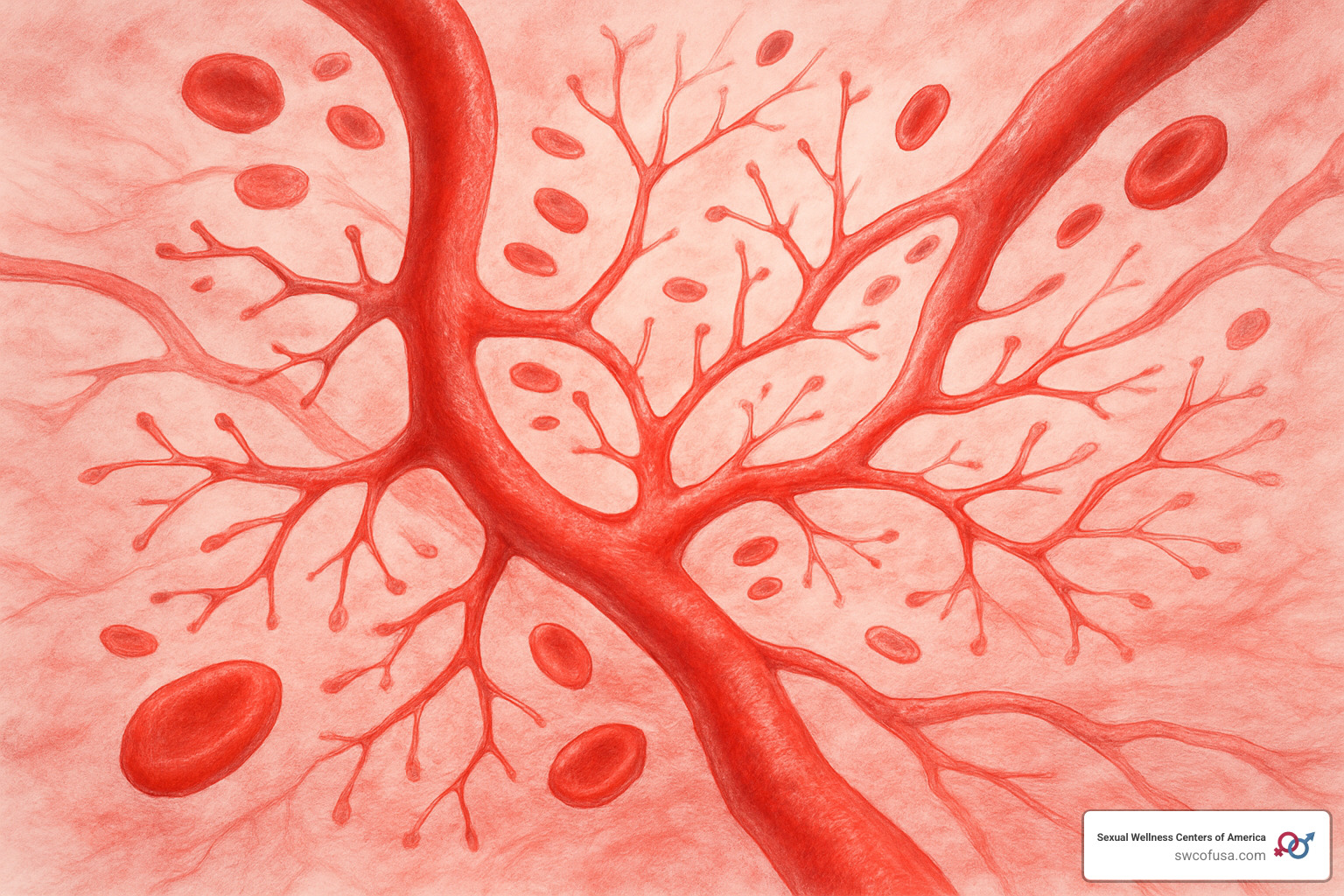
At the heart of BPC-157’s healing power lies its ability to promote angiogenesis – the formation of new blood vessels. Think of this as building new highways to deliver supplies to a construction site. When tissue is injured, it desperately needs oxygen and nutrients to repair itself. BPC-157 essentially creates new delivery routes, ensuring injured areas get everything they need for optimal healing.
The peptide also boosts fibroblast migration – these are the worker cells that produce collagen, the structural protein that forms the backbone of our connective tissues. BPC-157 not only attracts more of these cellular construction workers to injury sites but also ramps up their collagen production. This dual action means tissues don’t just heal faster – they heal stronger.
Another fascinating mechanism involves nitric oxide signaling, which helps regulate blood flow and cellular communication. This improved signaling creates an environment where healing processes can communicate more effectively, coordinating the complex dance of tissue repair.
Upregulating the Body’s Growth Potential
Here’s where things get really interesting. BPC-157 has a unique ability to dramatically increase Growth Hormone Receptor (GHR) expression in tissues. Research shows this peptide can boost growth hormone receptor levels by up to sevenfold in just three days – that’s like upgrading from a basic radio to a high-powered antenna system.
This upregulation activates the JAK2 signaling pathway, a crucial cellular communication route that promotes cell growth and division. By increasing the number of growth hormone receptors, BPC-157 essentially makes your tissues more sensitive to your body’s natural growth hormone. It’s like turning up the volume on your body’s own healing signals.
The scientific research on GHR expression demonstrates how this mechanism allows BPC-157 to amplify the healing effects of growth hormone on tendon fibroblasts. This means cell proliferation happens more efficiently, leading to faster and more complete tissue repair.
What’s particularly neat about this approach is that BPC-157 works with your body’s existing systems rather than replacing them. It’s like having a really good personal trainer who helps you get the most out of your existing strength rather than doing the work for you.
Reducing Inflammation and Protecting Tissues
Inflammation is healing’s double-edged sword – you need some to start the repair process, but too much can actually slow things down. BPC-157 acts like a skilled mediator, reducing pro-inflammatory cytokines such as TNF-α and IL-6 that can turn acute healing into chronic pain and swelling.
The peptide also provides crucial endothelial protection, safeguarding the delicate inner lining of blood vessels. This protection is vital because damaged blood vessels can’t deliver the nutrients and oxygen that healing tissues desperately need. It’s like maintaining clear roads during a emergency response – everything works better when the infrastructure is protected.
Perhaps most intriguingly, BPC-157 supports nerve regeneration and may influence the gut-brain axis. This connection between digestive health and neurological function could explain why some people report improvements in mood and mental clarity alongside their physical healing. The peptide’s origins in gastric juice seem to give it a unique understanding of this gut-brain connection.
For those dealing with chronic inflammatory conditions, peptide therapy for inflammation offers targeted approaches that work with these natural healing mechanisms. The key is understanding that effective healing isn’t just about speed – it’s about creating the optimal environment for complete, lasting recovery.
Real-World BPC 157 Before and After: From Injury to Recovery

The most compelling evidence for BPC-157’s effectiveness comes from real-world experiences of people who’ve documented their healing journeys. While these stories don’t replace clinical trials, they offer valuable insights into what you might expect from this peptide.
BPC 157 before and after experiences typically show the most dramatic results with acute injuries – think sudden muscle strains or tendon tears. These fresh injuries often respond quickly, with users reporting significant pain reduction and faster return to normal activities. Chronic conditions tend to be more stubborn, taking longer to respond and showing more variable results.
The recovery timeline also depends on your body’s current state. If you’re dealing with multiple injuries or have poor overall health, your healing journey might take longer than someone who’s generally fit and dealing with a single acute issue.
Anecdotal BPC 157 Before and After Stories
Some of the most well-documented cases come from public figures who’ve openly shared their experiences. Joe Rogan reported that his persistent elbow tendonitis was “gone in two weeks” after starting BPC-157 – a condition that had been bothering him for months.
Andrew Huberman shared an even more dramatic story, describing how his L5 compression pain disappeared after just two BPC-157 injections. This type of spinal pain typically takes weeks or months to resolve with conventional treatment.
Perhaps the most impressive reports come from athletes with severe hamstring tears who returned to deadlift personal records within 5-6 weeks. These weren’t minor strains – we’re talking about extensive bruising and swelling that would normally sideline someone for months.
Conditions showing reported improvements include: tendonitis (tennis elbow, golfer’s elbow, Achilles), muscle strains and tears, ligament sprains, post-surgical healing, and gut inflammation.
Where It Shines: Tendon, Ligament, and Muscle Repair
BPC-157 appears to work best for acute soft tissue injuries, especially those involving tendons, ligaments, and muscles. The peptide’s ability to improve tendon-to-bone healing is particularly noteworthy since these junction points typically heal slowly due to poor blood supply.
What makes this even more interesting is that research suggests BPC-157 can actually increase the tensile strength of healing tendons. This means the repaired tissue might be stronger than it was before the injury – a game-changer for athletes and active individuals who need to return to demanding activities.
The peptide also shows promise in counteracting damage from corticosteroid injections, which can weaken tendons over time. For more detailed information about its role in musculoskeletal healing, ongoing research continues to explore these protective mechanisms.
BPC 157 before and after results are most consistent when dealing with fresh injuries where the body’s natural healing response is already active. The peptide seems to boost this existing process rather than trying to restart healing in old, stubborn injuries.
Where It Falls Short: The Limits of BPC-157
Despite the impressive success stories, it’s crucial to understand where BPC-157 might not deliver the results you’re hoping for. The peptide appears to have limited benefits for chronic back pain, especially when it’s caused by structural issues like disc degeneration or facet joint problems.
Chronic spinal conditions, disc injuries, and nerve root compression involve complex structural changes that may not respond to BPC-157’s healing mechanisms. While the peptide might help with associated muscle tension or inflammation, it’s unlikely to fix the underlying structural problems causing your pain.
BPC-157 isn’t a miracle cure, and proper medical diagnosis remains essential. If you’re dealing with chronic pain, it’s important to work with healthcare providers to identify the root cause rather than hoping peptide therapy alone will solve everything.
Some people also report that BPC 157 before and after results vary significantly based on the quality of the peptide source and proper reconstitution. Poor-quality peptides or incorrect preparation can lead to disappointing results, which is why working with experienced practitioners is so important.
Administration, Dosage, and Stacking Protocols
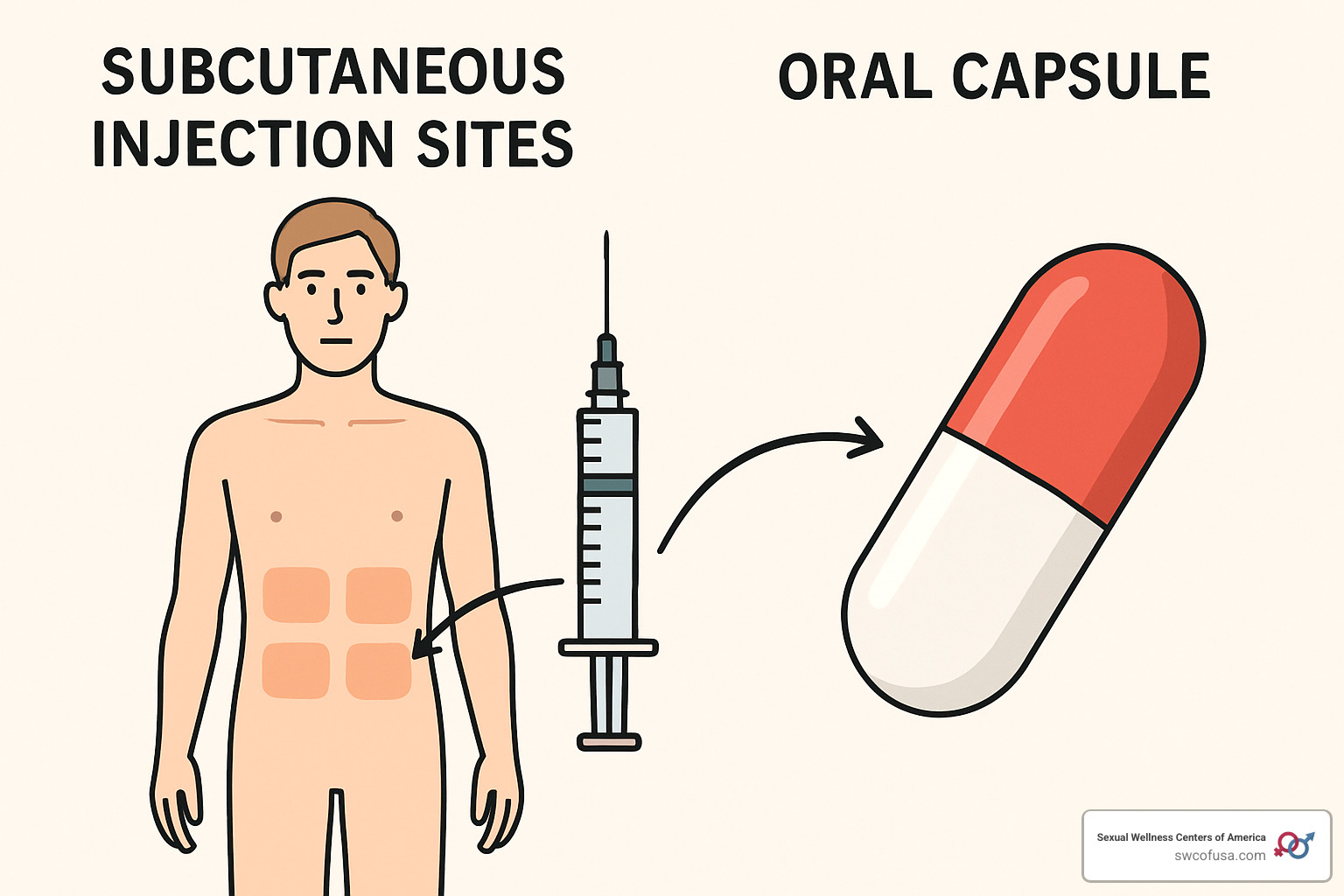
Getting the administration and dosage right can make the difference between disappointing results and the impressive BPC 157 before and after changes you’ve been reading about. The peptide offers flexibility in how you take it, but understanding the pros and cons of each method is essential for success.
Most people find their sweet spot somewhere between 250-750 mcg per day, usually split into one or two doses. The key is starting conservatively and adjusting based on how your body responds. Injectable forms typically deliver more dramatic results for specific injuries, while oral capsules work better for gut health and general wellness support.
The reconstitution process for injectable BPC-157 requires some care – you’ll need bacteriostatic water and proper sterile technique. Once mixed, the peptide should be refrigerated and used within a reasonable timeframe to maintain potency.
Injection vs. Oral: Which is Right for You?
Subcutaneous injection remains the go-to method for most people seeking targeted healing results. When you inject 1-2 inches away from the injury site, you’re delivering high concentrations directly where they’re needed most. This localized approach often produces faster, more noticeable improvements in pain and function.
The injection technique is straightforward – use a small insulin syringe and inject into the fatty tissue just under the skin. Most people find it less intimidating than they initially expected, and the results often justify the minor inconvenience.
Oral BPC-157 capsules offer a completely different experience. They’re perfect if you’re needle-shy or dealing with gut health issues alongside your injury. The systemic effects can be beneficial for overall inflammation and digestive healing, though you might not see the same dramatic localized improvements.
Enteric-coated capsules are absolutely crucial for oral administration. Regular capsules will likely break down in your stomach acid before reaching the intestines where absorption occurs. This coating protects the peptide during its journey through your digestive system.
For personalized guidance on administration techniques and proper injection protocols, our team at Sexual Wellness Centers of America provides comprehensive support through our peptide injection therapy program.
What to Expect: A Realistic BPC 157 Before and After Timeline
Setting realistic expectations prevents disappointment and helps you stay committed to your healing protocol. BPC 157 before and after results vary significantly based on injury type, severity, and individual factors like age and overall health.
| Injury Type | Typical Timeline | Expected Improvements |
|---|---|---|
| Acute Muscle Strain | 2-4 weeks | Reduced pain, improved mobility |
| Tendon Injuries | 4-8 weeks | Decreased inflammation, faster healing |
| Chronic Joint Pain | 6-12 weeks | Variable results, may need longer cycles |
| Post-Surgical Recovery | 3-6 weeks | Accelerated wound healing, reduced scarring |
Acute injuries typically respond fastest, with many people noticing improvements within the first week. A fresh muscle strain or minor tendon irritation might show significant progress by week 2-3, with complete resolution in 4-6 weeks. These are the cases that produce the most dramatic before and after stories.
Chronic conditions require more patience and realistic expectations. That nagging shoulder pain you’ve had for months won’t disappear overnight. Meaningful improvements often don’t appear until weeks 4-6, and some people need extended cycles of 8-12 weeks or longer.
Post-surgical protocols can be particularly effective, with many users reporting faster wound healing and reduced scarring when starting BPC-157 shortly after procedures. The improved angiogenesis and collagen production can significantly accelerate recovery timelines.
Stacking for Synergy: BPC-157 and Other Compounds
Smart combining of BPC-157 with complementary compounds can amplify your results beyond what either would achieve alone. TB-500 (Thymosin Beta-4) is the most popular pairing, working through different pathways to support tissue repair and reduce inflammation.
While BPC-157 focuses on growth hormone receptor upregulation and angiogenesis, TB-500 improves cell migration and reduces inflammatory cytokines. Together, they create a comprehensive healing environment that addresses multiple aspects of tissue repair.
Nutritional support plays a crucial role in maximizing BPC-157’s effectiveness. Collagen peptides provide the raw materials your body needs for tissue repair – think of them as the building blocks while BPC-157 acts as the construction foreman. Taking 15-20 grams daily can significantly support the healing process.
Vitamin C deserves special mention for its role in collagen synthesis. Without adequate vitamin C (500-1000mg daily), your body can’t properly use the increased collagen production that BPC-157 stimulates. It’s like having all the workers but no tools to do the job.
Other supportive nutrients include magnesium and zinc, both essential for protein synthesis and wound healing. These aren’t glamorous additions, but they ensure your body has everything needed to take full advantage of BPC-157’s healing signals.
At Sexual Wellness Centers of America, we often incorporate BPC-157 into comprehensive treatment protocols that may include other regenerative therapies for optimal outcomes. The key is creating a synergistic approach that addresses your specific needs and goals.
Is BPC-157 Safe? Legality and Key Considerations

When evaluating BPC 157 before and after results, it’s crucial to understand the legal landscape and safety considerations surrounding this peptide. While the healing stories sound promising, BPC-157 exists in a regulatory gray area that creates both opportunities and significant risks for potential users.
The reality is that BPC-157 is not approved by the FDA for human use and is classified as a research chemical. This means your doctor cannot legally prescribe it, and it cannot be sold as a dietary supplement. Despite this, it remains available through research chemical suppliers, which creates serious concerns about quality, purity, and safety.
The Verdict from WADA and the FDA
The World Anti-Doping Agency made a clear statement in 2022 by adding BPC-157 to its prohibited substances list. This decision wasn’t made lightly – it means competitive athletes face serious consequences for using this peptide.
A 19-year-old American speed skater learned this lesson the hard way in 2024, receiving a one-year ban after using a supplement containing BPC-157. The athlete likely had no idea the supplement contained a banned substance, highlighting the risks of unregulated products.
The FDA has also issued warnings about safety risks associated with unapproved peptides like BPC-157. Without proper regulation, there’s no guarantee that what you’re buying online actually contains BPC-157, or that it’s free from harmful contaminants.
Potential Side Effects and Who Should Be Cautious
While most users report minimal side effects from BPC-157, some have experienced nausea, dizziness, or headaches. These effects are typically mild and go away on their own, but they remind us that even “natural” compounds can cause reactions.
More concerning are the theoretical risks for certain populations. Cancer patients or those with tumor history should be particularly cautious because BPC-157 promotes VEGF (vascular endothelial growth factor), which could theoretically encourage tumor growth. This isn’t proven, but it’s a risk worth considering.
Pregnant or breastfeeding women should avoid BPC-157 entirely, as there’s zero safety data for these populations. The same caution applies to individuals with autoimmune disorders, since the peptide’s immune-modulating effects could potentially worsen certain conditions.
Perhaps the biggest concern is what we don’t know. The lack of long-term human safety data means that potential risks remain completely unknown. Users are essentially participating in an uncontrolled experiment, which may not be appropriate for everyone seeking healing solutions.
At Sexual Wellness Centers of America, we understand the appeal of cutting-edge therapies like BPC-157. However, we always prioritize safety and work within established medical guidelines to provide effective treatments that don’t put our patients at unnecessary risk.
Conclusion: Healing Smarter with Peptide Therapy
The world of BPC 157 before and after experiences reveals an exciting frontier in regenerative medicine. From athletes bouncing back from career-threatening injuries to everyday people finding relief from chronic pain, the stories continue to capture attention across wellness communities.
What makes these experiences particularly compelling is how they demonstrate the body’s remarkable ability to heal when given the right support. BPC-157 doesn’t override natural healing processes – it amplifies them, working with your body’s existing mechanisms to accelerate recovery and reduce inflammation.
The benefits we’ve explored are significant: faster healing of tendon and ligament injuries, reduced recovery time from muscle strains, improved post-surgical outcomes, and potential relief from chronic inflammatory conditions. The peptide’s ability to upregulate growth hormone receptors and promote angiogenesis offers a scientific foundation for these remarkable recovery stories.
However, it’s equally important to acknowledge the limitations and risks. BPC-157 isn’t a magic bullet for all types of pain and injury. Chronic structural problems, complex spinal conditions, and certain medical situations may require different approaches entirely. The peptide’s current legal status as a research chemical also presents real challenges around quality control and long-term safety.
Working with experienced healthcare providers who understand peptide therapy becomes crucial for navigating these complexities safely. Proper evaluation, personalized treatment plans, and ongoing monitoring can make the difference between successful outcomes and disappointing results.
At Sexual Wellness Centers of America, we’ve witnessed how peptide therapies can transform recovery outcomes for patients seeking improved wellness and vitality. Our comprehensive approach combines cutting-edge treatments with thorough medical supervision, ensuring that each patient receives care custom to their specific needs and goals.
The future of regenerative medicine holds tremendous promise, with peptides like BPC-157 representing just the beginning of what’s possible. As research continues and regulatory frameworks evolve, we expect even more exciting developments in this rapidly advancing field.
Your journey from injury to recovery doesn’t have to be a solo trip. If you’re curious about how peptide therapy might benefit your health and wellness goals, we invite you to explore peptide therapy in Colleyville, TX with our experienced team.
The most impressive BPC 157 before and after results come from combining innovative therapies with proper medical guidance, realistic expectations, and a commitment to overall health. Your path to better healing starts with taking that first informed step toward optimal wellness.