
Why Collagen Peptides Are Making Headlines for Hair Health
Collagen peptides help hair growth by providing essential amino acids that your body needs to build stronger hair and maintain a healthy scalp environment. While they’re not a miracle cure for baldness, these protein fragments work behind the scenes to support your hair’s natural growth cycle.
Here’s how collagen peptides support hair health:
- Supply amino acids like proline and glycine needed to make keratin (your hair’s main protein)
- Fight free radical damage that can weaken hair follicles over time
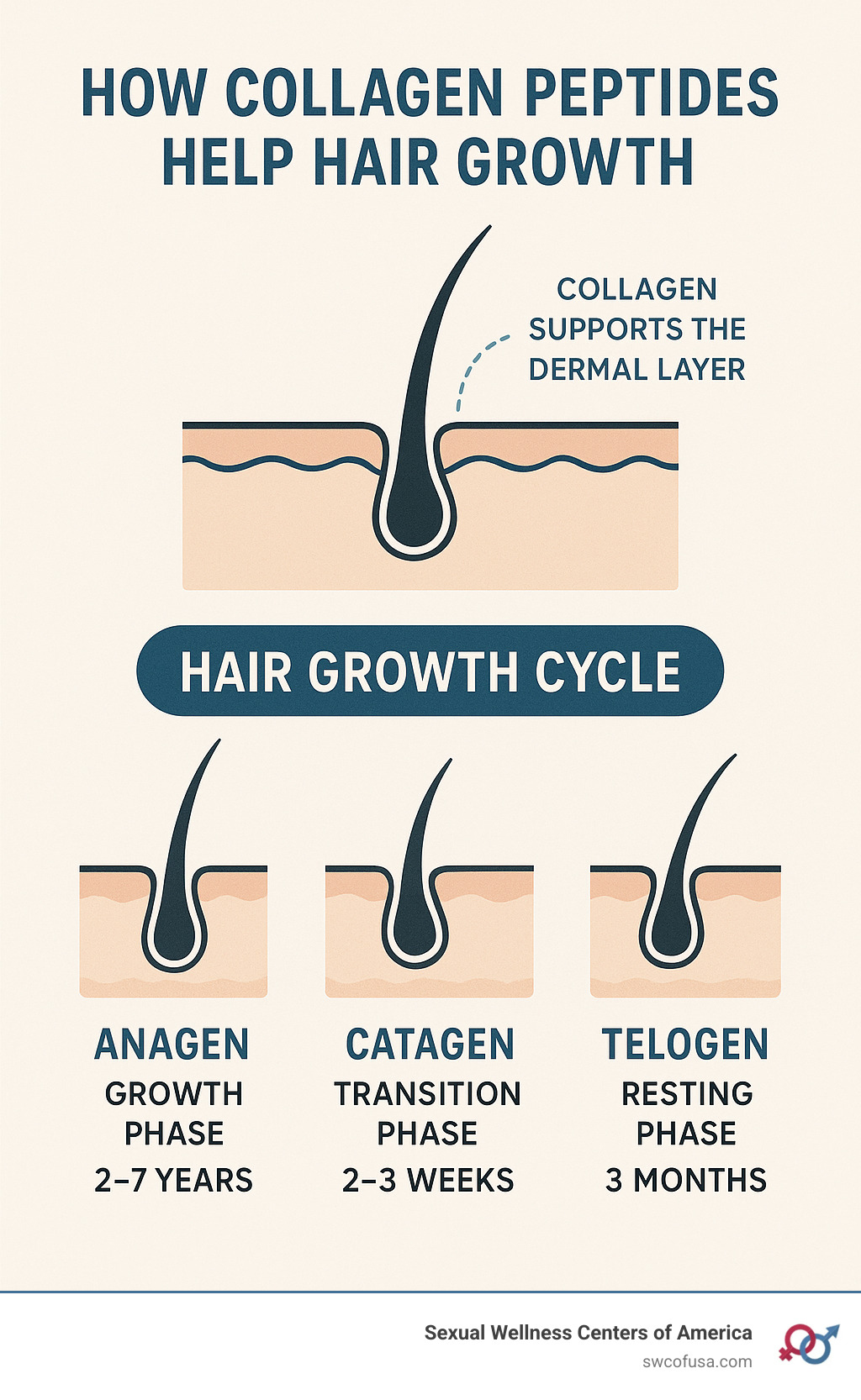
- Strengthen the dermis layer where your hair roots anchor (collagen makes up 70% of this skin layer)
- May help slow age-related hair thinning by supporting scalp elasticity
- Could reduce hair brittleness and improve overall hair appearance
The science is still developing, but early research shows promise. One recent study using human hair follicles found that certain collagen peptides can help maintain healthy hair by preserving important stem cells. Another study on mice showed fish collagen peptides worked as well as finasteride (a proven hair loss drug) for promoting regrowth.
The reality check: Most human studies focus on skin benefits rather than hair specifically. The evidence for hair growth is largely based on animal studies and the logical connection between collagen’s role in skin health and hair follicle support.
As Jeff Nuziard, CEO of Sexual Wellness Centers of America, I’ve seen how declining collagen production affects not just sexual wellness but overall vitality – including hair health. Through my work helping clients with age-related concerns, I’ve learned that understanding how collagen peptides help hair growth is key to developing comprehensive wellness strategies.
Terms related to collagen peptides help hair growth:
The Science of Collagen and Your Hair

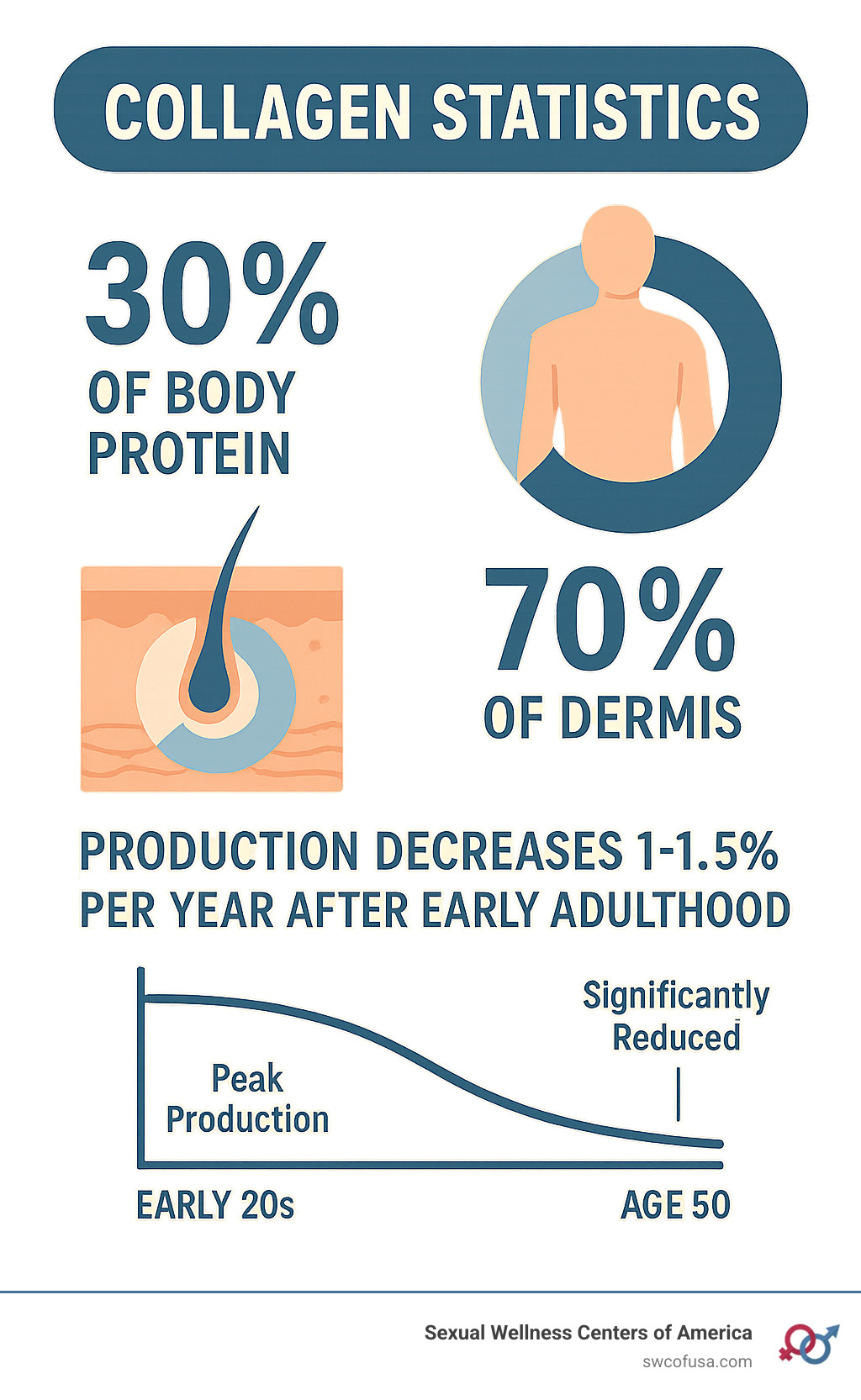
Your body is essentially a protein factory, and collagen is its star product. This remarkable protein makes up about 30% of all protein in your body, acting like the scaffolding that holds everything together – your bones, muscles, skin, and the tiny follicles where your hair grows.
What makes collagen so special? According to scientific research on collagen’s role in the body, it’s built from three key amino acids: proline, glycine, and hydroxyproline. These might sound like chemistry class terms, but they’re actually the building blocks your body uses to create keratin – the protein that makes up about 95% of every hair strand on your head.
Here’s the part that might surprise you: your collagen production peaks when you’re young and then starts declining by about 1 to 1.5 percent each year after your early twenties. By the time you hit your 40s, you’re producing significantly less collagen than you did in your prime. This gradual decline affects everything from your skin’s bounce-back ability to how well your hair grows and stays strong.
What is Collagen’s Role in Hair Structure?
Think of your hair follicles as tiny plants that need rich soil to thrive. That “soil” is your dermis – the middle layer of your skin that’s an impressive 70% collagen. This dermal layer doesn’t just hold your hair follicles in place; it provides the structural foundation they need to produce healthy hair month after month.
When we talk about how collagen peptides help hair growth, we’re really talking about nourishing this entire underground ecosystem. Your hair follicles are anchored deep in this collagen-rich dermis, surrounded by blood vessels that deliver nutrients and oxygen. As this collagen network stays strong, it supports optimal blood flow to your scalp and creates the ideal environment for hair growth.
Proline, one of collagen’s main amino acids, plays a starring role in keratin production. Without enough proline and its amino acid partners, your body simply can’t manufacture the strong, resilient hair strands you want. It’s like trying to build a house without enough bricks – the structure becomes weak and brittle.
As we age and collagen production slows down, the dermis becomes less elastic and may not support blood flow to the scalp as effectively. This is one reason why hair often becomes thinner, more fragile, and grows more slowly as the years pass.
How Does the Body Use Ingested Collagen Peptides?
When you take collagen supplements, your digestive system gets to work breaking them down into smaller, more manageable pieces called peptides and individual amino acids. These hydrolyzed collagen peptides are much easier for your body to absorb than whole collagen proteins – think of it like pre-chopping vegetables before cooking.
Once these amino acids enter your bloodstream, they become part of your body’s protein-building supply chain. Your body doesn’t have a special “hair delivery service” – it uses these amino acids wherever they’re needed most throughout your body. This scientific research on skin benefits from collagen demonstrates that oral collagen supplementation can actually increase skin collagen density and improve elasticity.
The beauty of this process is that by providing your body with these essential raw materials, you’re supporting its natural ability to maintain healthy hair follicles and produce strong hair strands. It’s like keeping a well-stocked pantry – when your body needs to “cook up” new keratin for your hair, all the ingredients are readily available.
The Evidence: How Collagen Peptides Help Hair Growth
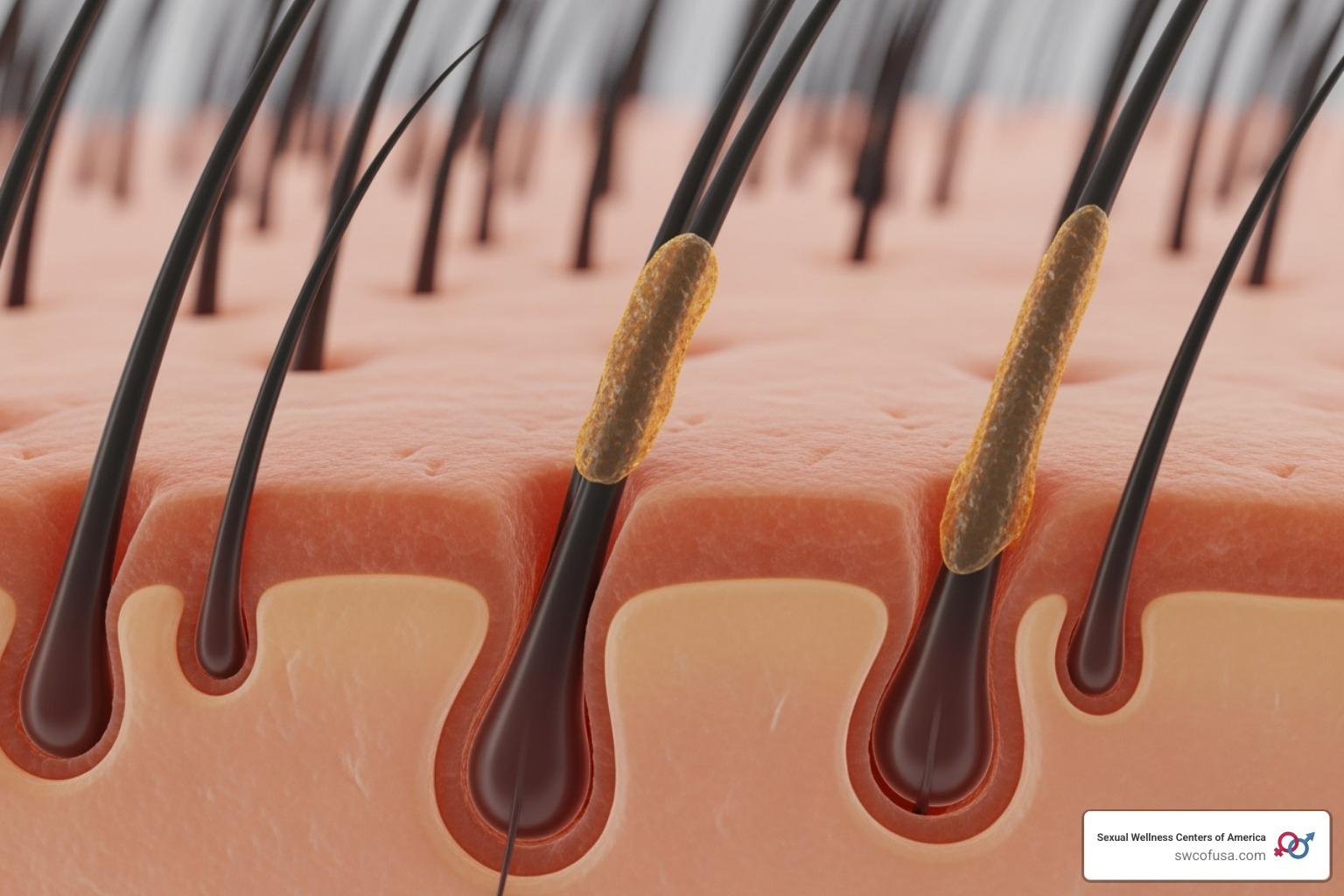
When people ask me about the evidence for how collagen peptides help hair growth, I always tell them the research is promising but still developing. The science comes from several different angles – some more solid than others. Let me walk you through what we actually know.
Supplying the Building Blocks for Stronger Hair
The most straightforward way collagen peptides help hair growth is beautifully simple: your hair is made of keratin, and keratin needs specific amino acids to form properly. Collagen peptides deliver exactly those amino acids your body craves.
Proline is the star player here. It makes up about 10% of collagen and serves as a major building block for keratin structure. When your body has plenty of proline, glycine, and other amino acids floating around, it can craft stronger, more resilient hair strands.
This doesn’t necessarily mean your hair grows faster overnight. But it does mean the hair you’re growing is less likely to snap, break, or look dull and lifeless. Think of it like upgrading the quality of materials used to build a house – same blueprint, better foundation.
Fighting Free Radical Damage
Here’s where the research gets really interesting. Free radicals are like tiny troublemakers that damage cells throughout your body, including the precious cells in your hair follicles. They come from sun exposure, pollution, stress, and just normal daily life.
Marine collagen seems especially good at fighting these troublemakers. This research on marine collagen’s antioxidant effects found that marine collagen was actually more effective at neutralizing free radicals than compounds found in tea.
When free radicals attack your hair follicles, they can cause some serious problems. They weaken hair structure from the inside out, potentially trigger premature graying by damaging the cells that make hair color, shorten the growth phases of your hair cycle, and increase hair shedding overall.
By providing antioxidant protection, collagen peptides act like tiny bodyguards for your hair follicles, helping them stay healthier for longer.
Strengthening the Scalp’s Dermal Layer
Remember how I mentioned that 70% of your dermis is collagen? As this layer weakens with age, it’s like the foundation of a house starting to crack. Your hair follicles don’t get the solid support they need.
One fascinating 8-week study followed 69 women aged 35-55 who took daily collagen supplements. The results showed significantly improved skin elasticity compared to women who took a placebo. While this study focused on facial skin, the same principles apply to your scalp.
A stronger, more elastic dermis creates a better environment for hair growth in several ways. It provides better anchoring for hair follicles so they don’t miniaturize as easily. It improves blood circulation to the scalp, delivering more nutrients to hungry hair follicles. And it creates an overall healthier environment where hair can thrive rather than just survive.
What the Latest Research Says About How Collagen Peptides Help Hair Growth
The most exciting recent research comes from studies using actual human hair follicles in controlled laboratory settings. This recent ex vivo study on collagen and hair loss found something remarkable: oral collagen peptides may prevent hair loss by preserving the special stem cells that keep hair follicles healthy and helping them create new cells.
Animal studies have shown even more dramatic results. Research on fish collagen peptides from Mozambique tilapia found that giving them to mice significantly improved hair regrowth – with effects comparable to finasteride, a proven hair loss medication.
The collagen peptides worked by increasing the anagen-to-telogen ratio, which means more hair was in the active growth phase rather than the resting phase. They also activated growth-promoting pathways while suppressing the signals that tell hair to stop growing.
Here’s the reality check: Most of the compelling evidence comes from animal studies or hair follicles studied in lab dishes. Human studies specifically examining hair growth are still limited, and many existing studies focus on skin benefits rather than hair directly.
The research is promising enough to be excited about, but we’re still waiting for large-scale human trials to confirm what we’re seeing in the lab.
How to Effectively Use Collagen for Hair

Now that you understand how collagen peptides help hair growth, let’s talk about putting this knowledge into practice. The difference between success and disappointment often comes down to choosing the right product, taking it consistently, and having realistic expectations about timing.
Choosing the Right Type and Form of Collagen
Walking into a supplement store can feel overwhelming with all the collagen options available. Here’s what actually matters for your hair health.
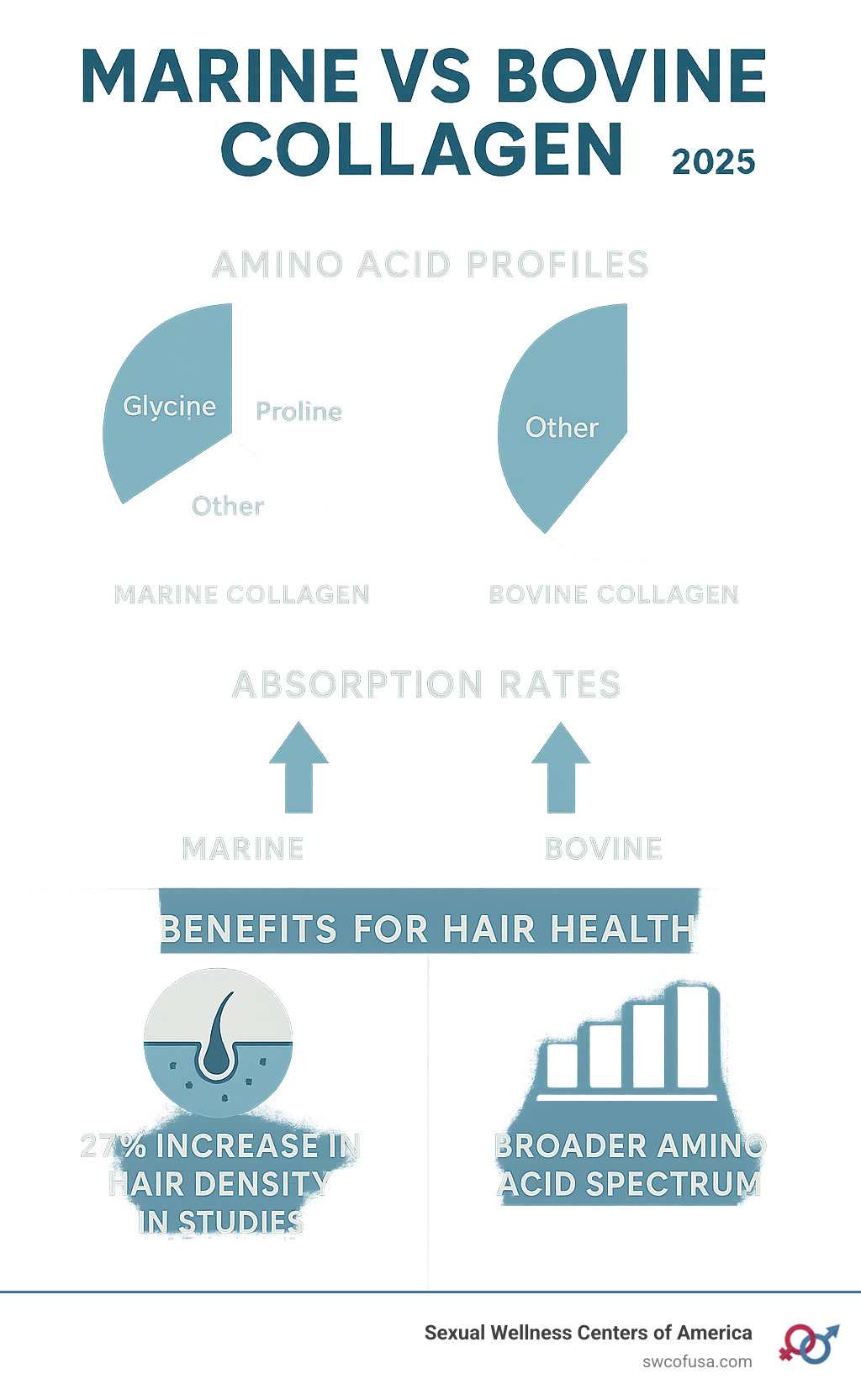
Marine collagen comes from fish and is primarily Type I collagen – the same type that makes up most of your skin and hair structure. The research we discussed earlier showing superior antioxidant properties? That was marine collagen. It tends to be more expensive but may offer better results for hair and skin.
Bovine collagen comes from cows and contains both Type I and Type III collagen. It’s typically more affordable and still provides all the amino acids your hair needs. Both marine and bovine forms can support hair health – the choice often comes down to personal preference and budget.
The key word to look for is “hydrolyzed” or “peptides” on the label. These forms have been broken down into smaller molecules that your digestive system can actually absorb. Regular collagen protein is too large for your body to use effectively.
You don’t have to rely solely on supplements. Bone broth made from chicken, beef, or fish bones is rich in natural collagen. Chicken skin and cartilage, fish with skin and bones, and egg whites also provide collagen-building nutrients.
Don’t forget about vitamin C – it’s essential for your body to make its own collagen. Citrus fruits, bell peppers, strawberries, Brussels sprouts, and tomatoes are all excellent sources that pair well with collagen supplements.
Dosage and Consistency: What to Expect
Most research showing benefits uses between 5-10 grams daily of hydrolyzed collagen peptides. This might seem like a lot, but it’s typically just one scoop of powder mixed into your morning smoothie or coffee.
Consistency beats perfection here. Taking collagen sporadically won’t give you the results you’re looking for. Your body needs a steady supply of amino acids to support ongoing hair growth and maintenance.
Take it on an empty stomach when possible – this improves absorption. Many people find that mixing it with something containing vitamin C (like orange juice or a berry smoothie) helps boost their body’s natural collagen production.
Here’s the timeline to expect: In the first 2-4 weeks, you might notice your skin feels more hydrated. By 6-8 weeks, you may see less hair breakage and brittleness. The real changes in hair thickness and growth typically show up after 3-6 months of consistent use.
Hair grows slowly – only about half an inch per month. The hair you see today started growing months ago, so patience is essential.
Are There Any Risks or Side Effects?
Collagen supplements are generally safe, but like any supplement, they’re not perfect for everyone. Most people tolerate them well, but some experience mild stomach discomfort or heartburn, especially when starting out.
Marine collagen can leave a fishy aftertaste that some people find unpleasant. Starting with a smaller dose and gradually increasing can help your system adjust.
Allergen concerns are real – fish collagen will trigger seafood allergies, and some products contain eggs or shellfish. Always read labels carefully if you have food sensitivities.
The supplement industry isn’t heavily regulated, which means quality varies widely between brands. This information on supplement safety concerns emphasizes the importance of choosing third-party tested products and avoiding supplements with excessive additives or unrealistic claims.
Look for companies that provide certificates of analysis and avoid products that promise miraculous overnight results. Quality collagen supplements should list their amino acid profile and source clearly on the label.
Beyond Supplements: A Holistic Approach to Hair Restoration

While understanding how collagen peptides help hair growth is valuable, they’re just one piece of a much larger puzzle. Think of it like tending a garden – you can’t just add one nutrient and expect everything to flourish. Your hair needs a comprehensive approach that addresses nutrition, lifestyle, and sometimes more advanced interventions.
After years of helping clients with age-related wellness concerns, I’ve learned that the most dramatic changes happen when we combine multiple strategies. Collagen peptides provide the building blocks, but other factors determine whether your hair follicles can actually use them effectively.
Other Evidence-Based Hair Growth Strategies
Your hair is essentially a reflection of your overall health, which means what you eat, how you sleep, and how you manage stress all play crucial roles. Adequate protein intake is fundamental since hair is mostly protein – aim for about 0.8 grams per kilogram of body weight daily. But protein alone isn’t enough.
Iron deficiency is one of the most common causes of hair loss, especially in women. Your body prioritizes iron for essential functions like oxygen transport, so your hair follicles are among the first to suffer when levels drop. Zinc and B-vitamins (particularly biotin) support the cellular processes that create new hair, while omega-3 fatty acids keep your scalp healthy and reduce inflammation.
Stress management deserves special attention because chronic stress triggers a cascade of hormonal changes that can push hair follicles into their resting phase prematurely. This is why some people notice increased hair shedding during particularly stressful periods. Regular scalp massage isn’t just relaxing – it actually improves blood circulation to hair follicles, potentially enhancing the delivery of nutrients from your collagen supplements.
Avoiding harsh treatments like excessive heat styling, tight hairstyles, and chemical processing gives your hair the best chance to grow strong and healthy. Sometimes the most effective strategy is simply stopping the damage.
Advanced Regenerative Treatments for Hair Loss
At Sexual Wellness Centers of America in Colleyville, TX, we’ve seen how regenerative medicine can transform hair restoration outcomes. While collagen peptides provide nutritional support, our REGENmax® technology directly stimulates hair follicles at the cellular level.
REGENmax® Hair Restoration represents the cutting edge of hair restoration science. This advanced treatment harnesses your body’s own regenerative capabilities to awaken dormant hair follicles and promote natural regrowth. Unlike generic approaches, we create personalized treatment plans based on comprehensive hormone and vitamin panels that identify your specific deficiencies and imbalances.
For men dealing with hair loss, our HEshot®™ treatment addresses hair restoration as part of overall male wellness optimization. Many of our male clients find that hair loss and other age-related concerns share common underlying causes – declining hormone levels, reduced circulation, and cellular aging.
Women face unique challenges with hair loss, often related to hormonal fluctuations during menopause or other life transitions. Our SHEshot®™ treatment takes a holistic approach to female hair and hormonal health, recognizing that successful hair restoration often requires addressing the whole person, not just the scalp.
The difference between supplements and regenerative treatments is like the difference between fertilizing a garden and replanting it. While collagen peptides help hair growth by providing nutrients, regenerative treatments actually reactivate the biological processes that create new hair. Our 97.2% efficacy rate in treating erectile dysfunction demonstrates our commitment to evidence-based treatments that deliver real results.
Frequently Asked Questions about Collagen and Hair Growth
How long does it take for collagen peptides to help hair growth?
Here’s the reality check nobody wants to hear: hair growth is slow, and collagen peptides help hair growth gradually, not overnight. Your hair grows about half an inch per month on a good day, so any improvements in quality or thickness take time to become visible.
Most people need to stick with collagen supplements for 3-6 months minimum before noticing real changes. I know that sounds like forever when you’re worried about thinning hair, but think of it this way – you didn’t lose your hair overnight, and you won’t get it back overnight either.
Several factors affect how quickly you might see results. Younger people often respond faster because their bodies are generally more efficient at using nutrients. Your overall health status matters too – if you’re dealing with nutritional deficiencies or chronic stress, it may take longer to see improvements.
Consistency is absolutely crucial. Taking collagen sporadically won’t cut it. Your body needs a steady supply of those amino acids to support healthy hair production. It’s like going to the gym once a month and expecting to get fit.
The good news? Many people notice their hair feels stronger and breaks less within the first 6-8 weeks, even before they see visible growth improvements.
Can collagen reverse genetic hair loss like male pattern baldness?
Let’s be honest about what collagen can and can’t do. If you’re dealing with androgenetic alopecia (the fancy term for male or female pattern baldness), collagen supplements alone won’t bring back a full head of hair. This type of hair loss is primarily driven by genetics and hormones, especially sensitivity to DHT.
What collagen peptides can do for genetic hair loss is provide support. They may improve the quality of the hair you still have, making it stronger and less prone to breakage. Some people find that collagen helps slow the progression of thinning, though this varies widely from person to person.
Think of collagen as a supporting player, not the star of the show. It works best when combined with proven treatments like FDA-approved medications or advanced regenerative therapies. At Sexual Wellness Centers of America, we often recommend REGENmax® technology for clients dealing with significant hair loss because it directly addresses the underlying causes.
Collagen won’t regrow hair in completely bald areas or override your genetic programming. But it can create a healthier environment for the hair follicles you still have, potentially helping them function better for longer.
Is marine or bovine collagen better for hair?
Both marine and bovine collagen provide the amino acids your hair needs, but they each have their strengths. The choice often comes down to personal preference and specific health considerations.
Marine collagen (from fish) has some impressive advantages. It shows superior antioxidant properties, which is important for protecting your hair follicles from environmental damage. It’s primarily Type I collagen, which is the most abundant type in your skin and hair. The molecular size tends to be smaller, which may improve absorption.
Bovine collagen (from cows) contains both Type I and Type III collagen, giving you a broader spectrum of proteins. It’s often more affordable and has a larger body of research behind it. If you have fish allergies, bovine is obviously the safer choice.
Here’s the thing: both types provide the proline, glycine, and other amino acids that support keratin production. The research showing how collagen peptides help hair growth includes studies on both marine and bovine sources.
The most important factor isn’t which type you choose – it’s taking it consistently. Pick the one that fits your budget, dietary restrictions, and taste preferences, then stick with it for at least 3-6 months.
Conclusion
So, does collagen peptides help hair growth? The answer is nuanced but encouraging. While they’re not going to transform you from bald to fabulous overnight, collagen peptides offer genuine support for your hair’s health and appearance.
Think of collagen peptides as your hair’s personal assistant – they provide the amino acids your body needs to build stronger keratin, fight off damaging free radicals, and maintain the scalp environment where your hair follicles live and work. The research shows they can make a real difference in hair quality, even if they can’t single-handedly reverse genetic hair loss.
What collagen peptides can realistically do:
- Supply the building blocks for stronger, less brittle hair
- Support your scalp’s underlying structure
- Potentially slow age-related hair changes
- Work alongside other treatments to improve overall results
What they can’t do:
- Regrow hair in completely bald areas
- Override strong genetic predisposition to hair loss
- Work miracles without consistency and patience
The truth is, healthy hair reflects your overall wellness. If you’re dealing with significant hair loss – especially the kind that runs in families – collagen peptides work best as part of a bigger picture approach.
At Sexual Wellness Centers of America, we’ve learned that the most dramatic hair restoration results come from addressing root causes rather than just symptoms. That’s why we developed REGENmax® hair restoration – a personalized treatment that goes beyond what any supplement can achieve alone.
Our comprehensive approach starts with detailed hormone and vitamin panels to understand what’s really happening in your body. Then we create a customized plan that might include advanced regenerative treatments, nutritional optimization, and yes, sometimes collagen supplementation too.
Whether you start with collagen peptides or jump straight to advanced treatments, collagen peptides help hair growth most effectively when they’re part of a holistic wellness strategy. Your hair deserves the same thoughtful, comprehensive care we bring to all aspects of health and vitality.
The journey to healthier hair takes time, but with the right approach and realistic expectations, you can support your body’s natural ability to grow the strong, healthy hair you want.