
Understanding Erectile Dysfunction Treatment Options
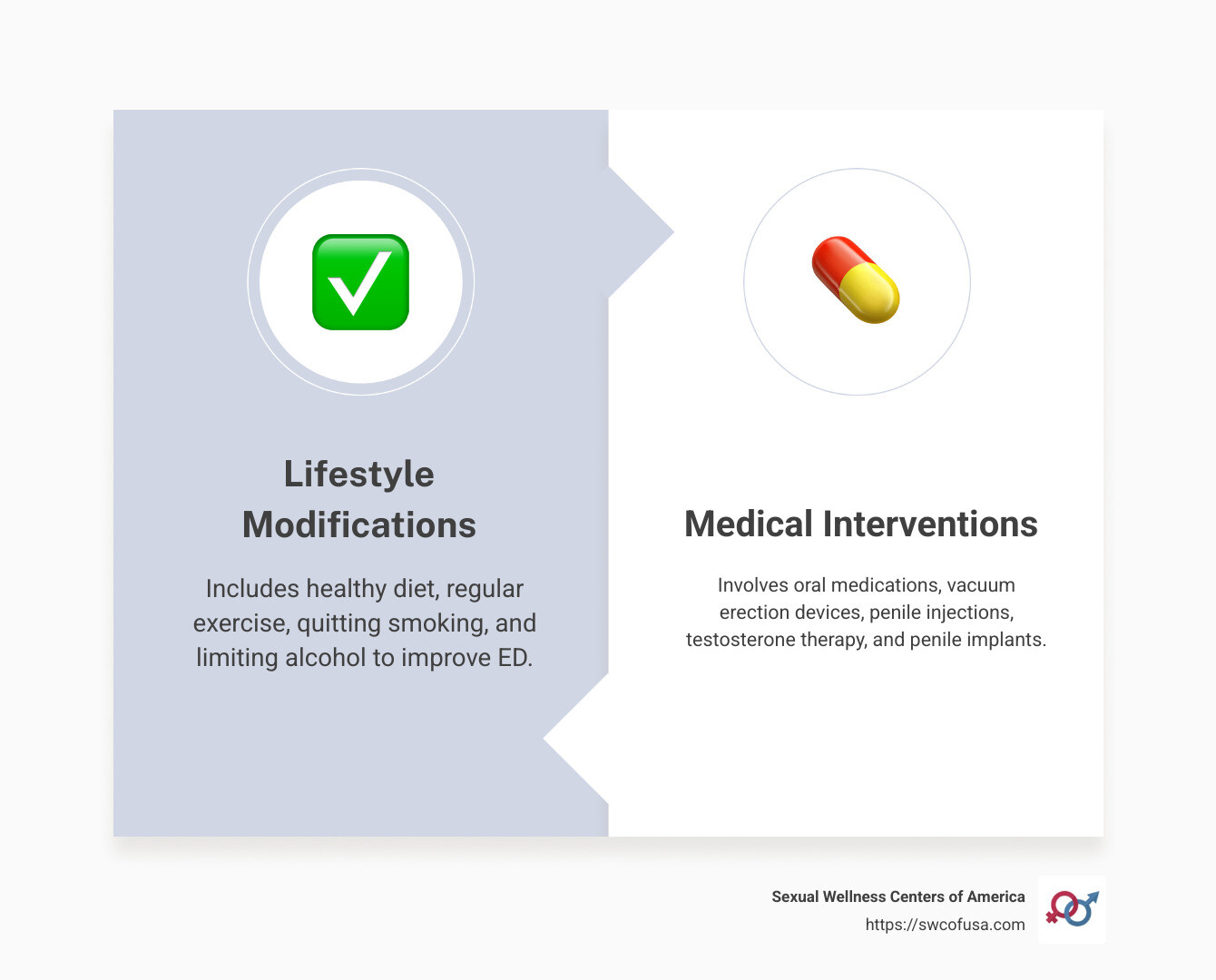
Erectile dysfunction treatment options range from lifestyle changes to medical interventions, depending on the underlying cause and severity:
- Lifestyle modifications: Exercise, healthy diet, quitting smoking, limiting alcohol
- Oral medications: PDE5 inhibitors like sildenafil (Viagra), tadalafil (Cialis)
- Vacuum erection devices: Mechanical assistance for achieving erections
- Penile injections: Direct medication delivery to create erections
- Testosterone therapy: For men with low hormone levels
- Penile implants: Surgical solution with over 90% satisfaction rate
Erectile dysfunction affects over 50% of men between ages 40 and 70, making it one of the most common sexual health concerns reported to healthcare providers. This condition, characterized by the inability to achieve or maintain an erection sufficient for satisfactory sexual performance, can significantly impact quality of life and relationships.
The good news is that erectile dysfunction treatment has advanced significantly in recent decades, with multiple effective options now available. Whether the cause is physical (such as cardiovascular disease or diabetes), psychological (stress or anxiety), or a combination of factors, customized treatment approaches can help restore sexual function and confidence.
I’m Jeff Nuziard, CEO of Sexual Wellness Centers of America, where I’ve dedicated my career to providing cutting-edge erectile dysfunction treatment solutions that address both the physical and emotional aspects of sexual health challenges.
Quick erectile dysfunction treatment terms:
What Is Erectile Dysfunction?
Erectile dysfunction (ED) isn’t just a medical term—it’s a real challenge that affects millions of men and their partners. Simply put, ED is when you consistently can’t get or keep an erection firm enough for satisfying sexual activity.
First, let me reassure you of something important: having trouble occasionally is completely normal. Maybe you’ve had a few too many drinks, you’re exhausted after a long day, or you’re stressed about work—these situations don’t mean you have ED.
As Dr. Tobias Kohler from Mayo Clinic often tells his patients, “Problems with erectile dysfunction are super common.” Hearing this helps many men feel less alone in their experience.
You might be experiencing erectile dysfunction if you notice:
- Struggling to get an erection when you want one
- Finding it difficult to maintain your erection during intimacy
- Feeling less interested in sex than you used to
- Worrying about your performance before or during sexual encounters
The key difference between occasional issues and true ED is persistence. If these difficulties happen now and then, it’s usually not cause for concern. However, when problems continue for more than three months, that’s when medical professionals consider it clinical erectile dysfunction—and it’s worth talking to someone about it.
For younger men experiencing these issues, Dr. Kohler notes that “most of the time it’s a confidence issue.” This psychological component is real and important. For men over 40, however, ED often serves as an early warning sign of underlying health conditions that need attention.
ED isn’t just about sex—it can be your body’s way of signaling something else needs care. At Sexual Wellness Centers of America, we understand both the physical and emotional aspects of erectile challenges, which is why our approach to erectile dysfunction treatment always considers the whole person, not just the symptom.
Common Causes of Erectile Dysfunction
When it comes to understanding why erectile dysfunction happens, it’s a bit like solving a puzzle. The causes typically fall into two main categories – physical and psychological – though for many men, it’s actually a mix of both.
Physical Causes
Your body needs healthy blood vessels, nerves, and hormones to achieve an erection. When any of these systems isn’t working properly, ED can result.
Cardiovascular Disease often shows up first as erectile problems before revealing itself elsewhere. Those tiny blood vessels in the penis can be the canary in the coal mine for your overall circulatory health. As one Mayo Clinic doctor colorfully puts it, “If you take great care of your penis, your penis will take great care of you.” It’s actually solid medical advice!
Diabetes takes a significant toll on sexual function, with up to 75% of diabetic men experiencing some form of erectile dysfunction treatment needs. The damage diabetes causes to both blood vessels and nerves creates a double-whammy effect on erectile function.
High Blood Pressure doesn’t just affect your heart – it damages the delicate lining of blood vessels throughout your body. Over time, hypertension causes arteries to harden and narrow, including those responsible for bringing blood to the penis during arousal.
High Cholesterol might seem unrelated to sexual function, but it’s actually the only risk factor for up to 40% of men with ED. When cholesterol builds up in arteries, it restricts blood flow – and good blood flow is exactly what’s needed for a firm erection.
Hormonal Imbalances, particularly low testosterone, can play a significant role. While testosterone doesn’t directly cause erections, it’s like the starter motor for the process, stimulating brain receptors to produce nitric oxide – the chemical messenger that triggers the erectile response.

Psychological Causes
What happens in your mind profoundly affects what happens below the belt. Psychological factors can both cause and worsen ED, even when everything is physically fine.
Stress and Anxiety are perhaps the most common psychological triggers. The pressure to perform sexually can create a frustrating cycle – worry about ED leads to more ED, which creates more worry. Breaking this cycle is often key to recovery.
Depression does more than affect your mood – it can significantly dampen your libido and interfere with the complex brain signals needed to trigger and maintain an erection.
Relationship Issues don’t stay in the living room – they follow couples into the bedroom. Ongoing conflicts, poor communication, or unresolved feelings can manifest as sexual difficulties that won’t resolve until the relationship issues are addressed.
According to scientific research, what makes ED particularly challenging to treat is how physical and psychological factors often reinforce each other. For example, a man with mild cardiovascular issues might experience occasional difficulties, which then creates performance anxiety that makes the problem worse.
At Sexual Wellness Centers of America, we recognize that effective erectile dysfunction treatment requires understanding the full picture – both body and mind. This comprehensive approach is why our treatment plans are custom to each individual’s specific causes and concerns.
Lifestyle Changes to Improve Erectile Dysfunction
When it comes to tackling erectile dysfunction, sometimes the most powerful solutions don’t come in a pill bottle or require a doctor’s visit. Simple changes to your daily habits can make a remarkable difference in your sexual health – while also improving your overall wellbeing.

Diet and Nutrition
What’s good for your heart is good for your sexual health. The Mediterranean diet has shown impressive results for men struggling with ED. Think colorful plates filled with leafy greens and beets, which are packed with nitrates that your body converts to nitric oxide – the same compound that helps blood vessels expand during an erection.
Dark chocolate isn’t just a romantic gesture; its flavonoids actually improve circulation. Nuts like pistachios and almonds provide L-arginine that helps your blood vessels dilate. And that summer favorite, watermelon, contains citrulline which boosts nitric oxide levels. Small dietary tweaks can lead to noticeable improvements in the bedroom.
Regular Exercise
“The best time to start exercising was yesterday. The second best time is today.” This old saying rings especially true for erectile dysfunction treatment. Just 40 minutes of moderate exercise four times weekly can significantly reduce ED symptoms. When you get your heart pumping during a workout, you’re actually improving blood flow throughout your entire body – including the parts that matter for sexual function.
Exercise also reduces stress, boosts testosterone, and helps maintain a healthy weight – all crucial factors in fighting ED. Many of our patients report seeing improvements after just a few weeks of consistent activity.
Quit Smoking
If you needed one more reason to kick the cigarette habit, here it is: smoking wreaks havoc on your sexual performance. It damages blood vessels and impairs your body’s production of nitric oxide, both essential components for achieving and maintaining erections. The good news? Your body starts healing surprisingly quickly after you quit, with some men noticing improvements in erectile function within just weeks of their last cigarette.
Limit Alcohol
While enjoying a glass of wine with dinner is unlikely to cause problems, excessive drinking is a reliable way to ensure disappointment in the bedroom. Alcohol can cause both “tonight’s problem” and contribute to long-term erectile dysfunction. Try keeping your consumption to no more than 14 units weekly (roughly 6 pints of beer or 10 small glasses of wine) to protect your sexual health.
Weight Management
Carrying extra pounds, especially around the midsection, can significantly impact your performance. Excess weight lowers testosterone levels and increases inflammation throughout the body, creating a double blow to erectile function. Even modest weight loss can lead to noticeable improvements.
Reduce Stress
In our hectic world, chronic stress has become almost normal – but your sex life pays the price. High stress levels increase cortisol, which lowers testosterone and interferes with normal sexual function. Finding effective ways to unwind becomes an important part of erectile dysfunction treatment. Meditation, yoga, deep breathing exercises, regular physical activity, and getting 7-9 hours of quality sleep each night can all help break the stress cycle.
Improve Sleep
Poor sleep doesn’t just leave you tired – it can leave you struggling in the bedroom too. Quality sleep regulates hormone levels, including testosterone, and helps manage stress. Creating a consistent sleep schedule and a restful bedroom environment pays dividends for your sexual health.
One of our patients at Sexual Wellness Centers of America shared this experience: “I was skeptical that lifestyle changes would make a difference, but after three months of regular exercise and better sleep habits, my erectile function improved dramatically—even before starting medication.”
These natural approaches can either resolve mild ED or complement medical treatments for more severe cases. For more detailed guidance on natural remedies, visit our comprehensive guide to Natural Erectile Dysfunction Remedies.
Effective Erectile Dysfunction Treatments
When lifestyle changes alone aren’t getting results, it’s time to explore medical treatments that can help restore your sexual function. At Sexual Wellness Centers of America, we understand that each man’s situation is unique—what works wonderfully for one person might not be the best fit for another. That’s why we take a personalized approach to erectile dysfunction treatment, focusing on finding the solution that works best for you.
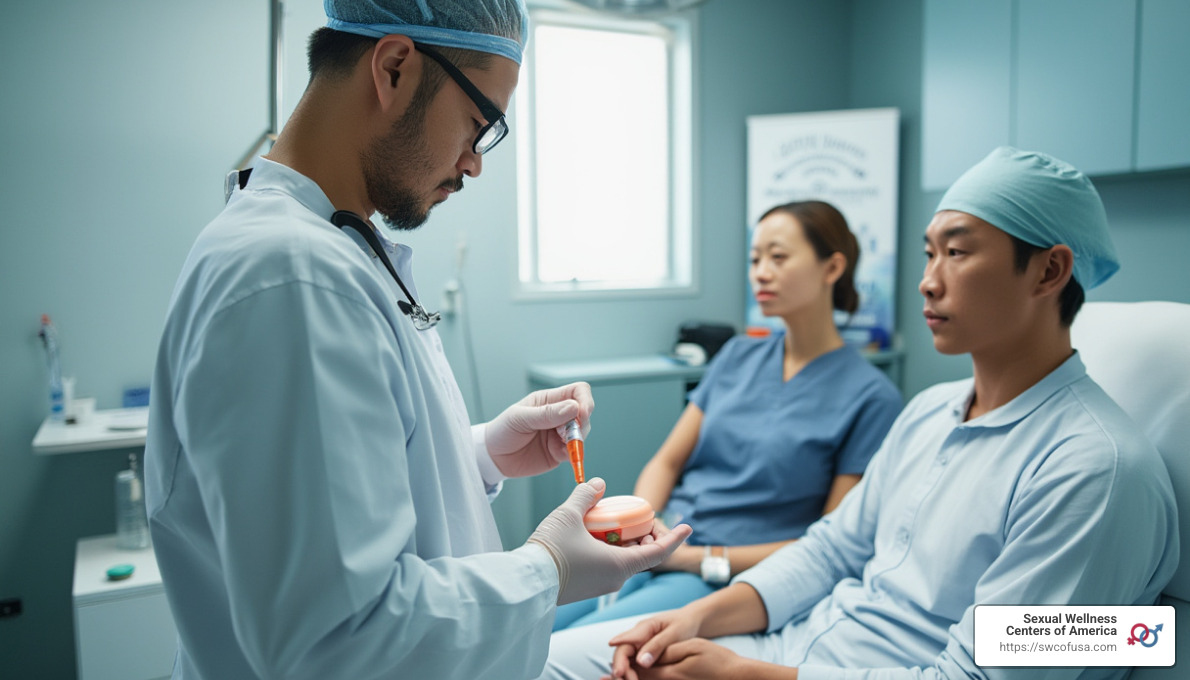
Vacuum Erection Devices (VED) as an Erectile Dysfunction Treatment
Vacuum erection devices might sound a bit old-school, but they remain one of the most reliable non-medication approaches to erectile dysfunction treatment. These mechanical devices have helped countless men regain their confidence in the bedroom.
How VEDs Work
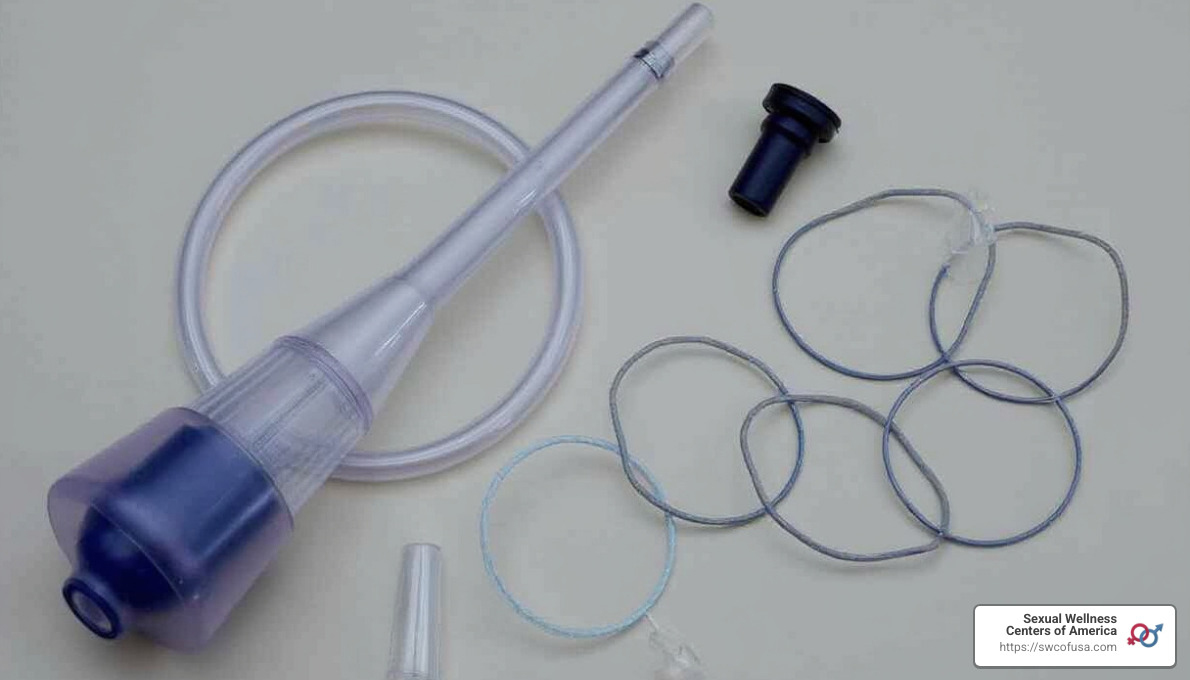
Think of a VED as having three key parts: a plastic tube that fits over your penis, a pump that creates suction, and an elastic ring that helps maintain your erection. Using one is pretty straightforward—you apply some lubricant, position the tube, create the vacuum to draw blood into the penis, slide the elastic ring to the base, and remove the tube. The ring can safely stay in place for up to 30 minutes, giving you plenty of time for intimacy.
Benefits of VEDs
Many men appreciate that VEDs are completely drug-free and non-invasive. With proper training, about 75% of men can use them successfully, regardless of what’s causing their ED. They’re also relatively budget-friendly compared to years of medication costs, and you can even use them alongside other treatments for improved results.
Side Effects and Limitations
I won’t sugarcoat it—VEDs do have some drawbacks. The erection might not feel completely natural, and some men notice their penis feels cooler than usual. The devices can be a bit cumbersome, and some couples find them mood-disrupting. You’ll need to avoid them if you’re on blood thinners, and remember never to keep that elastic ring on for more than 30 minutes.
Oral Medications for Erectile Dysfunction Treatment
The “little blue pill” and its cousins revolutionized erectile dysfunction treatment when they arrived on the scene in the late 1990s. These medications, known as PDE5 inhibitors, work by enhancing your body’s natural processes—they boost the effects of nitric oxide, a chemical that relaxes the muscles in your penis and increases blood flow.
Types of PDE5 Inhibitors
Sildenafil (Viagra) is the original ED medication that most people have heard of. It typically starts working within 30-60 minutes and lasts about 4 hours. For best results, take it on an empty stomach—a heavy meal can slow its effectiveness. About 60-65% of men see good results with sildenafil.
Tadalafil (Cialis) offers more flexibility with two options: a daily low-dose pill that keeps medication in your system all the time, or a higher-dose option taken as needed. The as-needed dose can last up to 36 hours—hence its nickname “the weekend pill.” Many men appreciate that it works whether you’ve eaten or not.
Vardenafil (Levitra) is similar to sildenafil but sometimes kicks in faster—as quickly as 15-30 minutes for some men. It’s also less affected by food than sildenafil, giving you more flexibility around mealtimes.
Avanafil (Stendra) is the newest option and often the fastest-acting—sometimes working within just 15 minutes. It tends to cause fewer side effects than older medications and typically lasts 4-6 hours.
Risks and Side Effects
Most side effects are mild and temporary—headaches are most common, followed by facial flushing, stuffy nose, heartburn, and sometimes temporary changes in vision (like a bluish tint). More serious but rare side effects include prolonged, painful erections lasting more than 4 hours (priapism), sudden hearing or vision loss, or dangerous drops in blood pressure.
One crucial safety note: Never combine these medications with nitrate medications (often prescribed for chest pain)—this combination can cause a life-threatening drop in blood pressure. Always be upfront with your doctor about all medications you’re taking.
One of our patients shared: “After trying several different pills, we found that tadalafil worked best for me with minimal side effects. The daily low-dose option has given me back spontaneity in my relationship—no more planning or timing needed.”
Penile Injections as an Erectile Dysfunction Treatment
If oral medications haven’t worked for you, don’t lose hope. Penile injections offer an effective alternative erectile dysfunction treatment with impressive success rates of up to 85%. Yes, the idea might make you wince initially, but most men find the actual experience much less intimidating than they feared.
How Penile Injections Work
These treatments involve injecting medication—typically alprostadil, papaverine, or a combination called trimix—directly into the side or base of your penis using a very fine needle. The medication relaxes smooth muscles and increases blood flow, usually producing an erection within 5-15 minutes that lasts about 30-60 minutes—just right for most sexual encounters.
Self-Injection Techniques
I know what you’re thinking—”There’s no way I could do that to myself!” But with proper training, most men become comfortable with the process. Your first injection will be done in our office under careful supervision. We’ll teach you proper sterile technique and show you how to rotate injection sites to prevent scarring. We’ll also help determine the exact dosage that works for your body.
At Sexual Wellness Centers of America, we provide comprehensive training and ongoing support—you’re never left to figure things out alone.
Potential Side Effects
Some men experience mild pain or burning at the injection site, though this usually decreases with experience. Rare but more serious concerns include priapism (a prolonged erection requiring medical attention), penile scarring with long-term use, bruising (especially if you take blood thinners), or dizziness.
As one patient told us: “Initially, I was very hesitant about injections, but after the first guided session, I realized it wasn’t nearly as uncomfortable as I’d feared. The results were immediate and reliable, which restored my confidence. Now it’s just part of my routine.”
Testosterone Replacement Therapy
While low testosterone rarely causes ED on its own, it can certainly contribute to the problem. For men with clinically verified low testosterone levels, replacement therapy might be a valuable part of an effective erectile dysfunction treatment plan.
Role in ED Treatment
Testosterone plays an essential role in male sexual health. Though it doesn’t directly cause erections, it supports the mechanisms that do. When your testosterone levels drop too low, you might notice reduced sexual desire, fewer spontaneous erections, erectile difficulties, and fatigue or mood changes that affect your performance.
Treatment Options
Testosterone replacement comes in several forms to suit different preferences. You might opt for injections every 1-2 weeks, daily topical gels applied to your skin, adhesive patches, pellets implanted under your skin (lasting 3-6 months), or sometimes oral tablets (though these are less common due to potential liver effects).
Risks and Side Effects
Testosterone therapy isn’t right for everyone. Potential risks include worsening sleep apnea, acne, stimulation of prostate growth, enlarged breasts, reduced sperm production, blood clots, and in some men, increased risk of heart attack or stroke.
That’s why testosterone therapy is only appropriate for men with medically documented low levels—it’s not a general erectile dysfunction treatment. If we recommend this approach, we’ll monitor your testosterone levels, prostate health, and cardiovascular markers regularly throughout treatment.
Penile Implants
For men who haven’t found success with other treatments, penile implants provide a highly effective surgical solution. These devices actually have the highest satisfaction rates of any erectile dysfunction treatment—exceeding 90% among both patients and their partners.
Types of Implants
Malleable (Semi-Rigid) Implants consist of bendable rods placed within the erection chambers of your penis. They provide permanent firmness with the ability to position your penis as needed—think of them as always ready when you are. They’re simpler and less expensive than inflatable options, easier to use, but more difficult to conceal under clothing.
Inflatable Implants offer a more natural experience. This three-piece system includes two cylinders in the penis, a fluid reservoir near the bladder, and a pump in the scrotum. You simply squeeze the pump to create an erection and press a release valve when you’re finished. These provide the most natural appearance in both erect and flaccid states.
The Implant Procedure
The surgery typically takes 1-2 hours under spinal or general anesthesia, and most patients go home the same day. Recovery involves limiting physical activity for about a month and avoiding sexual activity for 4-6 weeks. By 8 weeks post-surgery, most men are back to enjoying their sex lives—often with renewed confidence.
Effectiveness and Satisfaction
The numbers don’t lie—research consistently shows that penile implants have the highest satisfaction rates among all erectile dysfunction treatments. A study in the Journal of Sexual Medicine found that 97% of men would recommend the procedure to others with ED.
As one of our patients put it: “The implant gave me back my confidence and saved my marriage. After trying every other option without success, this solution has been life-changing. My only regret is not doing it sooner.”
Potential Risks
While generally safe, potential complications include infection (1-2% risk), mechanical failure requiring revision surgery, erosion of the implant, changes in sensation, or temporary pain. The good news is that modern implants are highly reliable, with mechanical survival rates exceeding 85% at 10 years.
Whatever your situation, we’re here to help you steer all these options and find the erectile dysfunction treatment that restores both function and confidence to your sex life. Every man deserves a fulfilling intimate relationship, regardless of age or health challenges.
Addressing Underlying Health Conditions
When it comes to tackling erectile dysfunction treatment, sometimes we need to look deeper than just the symptoms. Think of ED as your body’s check engine light—it might be signaling problems elsewhere that need attention. At Sexual Wellness Centers of America, we’ve seen remarkable improvements in erectile function when patients address these underlying health conditions.
Managing Diabetes
If you’re among the 35-75% of men with diabetes who experience erectile issues, you’re not alone. I’ve worked with countless diabetic patients who’ve significantly improved their sexual function by getting their blood sugar under control.
“When I finally got serious about managing my diabetes, my erectile function improved within months,” shares Michael, one of our patients. “It wasn’t an overnight fix, but the connection between my blood sugar levels and my sexual performance became crystal clear.”
Good diabetes management includes maintaining target glucose levels, following a diabetes-friendly diet, staying active, and taking medications as prescribed. The benefits extend well beyond the bedroom—you’ll likely feel more energetic and healthier overall.
For men with diabetic ED, we offer specialized treatments with remarkable success rates. You can learn more about our innovative approach through our Diabetic Erectile Dysfunction Patented Cure.
Heart Health and Circulation
Your heart and your penis have more in common than you might think—they both rely on healthy blood vessels to function properly. In fact, many cardiologists now recognize ED as an early warning sign of cardiovascular issues.
Dr. James, a cardiologist we collaborate with, puts it bluntly: “When I see a patient with new-onset erectile dysfunction, I immediately evaluate their cardiovascular health. Treating the underlying heart condition often improves erectile function as a welcome side effect.”
Boosting your heart health through regular exercise (aim for at least 40 minutes, 4 times weekly), adopting a Mediterranean or DASH diet, quitting smoking, and moderating alcohol can significantly improve blood flow throughout your body—including to your penis. Consider these heart-healthy habits as part of your comprehensive erectile dysfunction treatment plan.
Managing High Blood Pressure
High blood pressure is a double whammy for erectile function—it damages the delicate blood vessels in the penis, and some medications used to treat it can cause ED as a side effect.
Robert, 58, experienced this frustrating catch-22: “My doctor put me on blood pressure meds, but they killed my sex life. When I switched to a different medication, my blood pressure stayed controlled, and my erectile function returned.”
If you suspect your blood pressure medication might be affecting your sexual function, don’t stop taking it—that could be dangerous. Instead, talk to your doctor about alternatives. ACE inhibitors and ARBs typically have fewer sexual side effects than beta-blockers and diuretics.
Addressing High Cholesterol
Those fatty buildups that clog arteries around your heart can also restrict blood flow to your penis. The good news? The same treatments that protect your heart can help your erectile function too.
Statin medications not only lower cholesterol but may actually improve erectile function in some men. Combining medication with dietary changes and regular exercise creates a powerful approach to managing cholesterol and improving sexual health.
Hormone Management
While testosterone gets most of the attention, other hormonal imbalances can contribute to erectile dysfunction. Thyroid disorders, liftd prolactin levels, and adrenal issues can all impact sexual function.
At Sexual Wellness Centers of America, our comprehensive hormone and vitamin panels help identify these often-overlooked imbalances. Once detected, these conditions can be addressed as part of your personalized erectile dysfunction treatment strategy.
Medication Review
Many common medications list erectile dysfunction as a potential side effect, including certain antidepressants (particularly SSRIs), some blood pressure medications, antihistamines, opioid pain medications, and some prostate drugs.
Tom, a 62-year-old patient, finded this connection: “I never made the link between my allergy medication and my erectile problems until my doctor at Sexual Wellness Centers pointed it out. A simple medication switch made all the difference.”
If you suspect your medications might be contributing to ED, bring a complete list to your next appointment. Never stop taking prescribed medications without consulting your healthcare provider first. Often, simple adjustments can minimize sexual side effects while still effectively treating your underlying condition.
By addressing these underlying health conditions rather than just treating the symptoms of ED, you’re not only improving your sexual health—you’re investing in your overall wellbeing and longevity. At Sexual Wellness Centers of America, this comprehensive approach is at the heart of our highly effective erectile dysfunction treatment programs.
Psychological Factors and Therapies
When it comes to erectile issues, what happens between your ears can be just as important as what’s happening below the belt. The mind and body are deeply connected when it comes to sexual function, and even when physical causes are present, psychological factors often make things worse. Getting your head right is often a crucial piece of the erectile dysfunction treatment puzzle.
Understanding Psychological Contributors
Think about the last time you were really stressed or anxious. Your body probably tensed up, your heart raced, and you certainly weren’t relaxed. That same stress response can seriously interfere with getting an erection.
Performance anxiety is probably the most common psychological roadblock men face. It creates a frustrating cycle – you worry about whether you’ll be able to perform, that worry triggers stress hormones that make it physically harder to get an erection, then that experience reinforces your anxiety for next time. One patient described it perfectly: “I was so worried about disappointing my partner that I couldn’t focus on enjoying the moment. The more I worried, the worse things got.”
Depression doesn’t just affect your mood – it can dampen desire and interfere with the brain signals needed for arousal. To complicate matters further, many antidepressants come with sexual side effects, though some newer medications tend to have less impact in this area.
Stress from work, finances, or family concerns keeps your body in a state that’s simply not conducive to sexual function. When you’re stressed, your body produces cortisol, which can suppress testosterone and interfere with the relaxation needed for erections.
Relationship issues often manifest physically in the bedroom. Unresolved conflicts, poor communication, or lack of emotional connection with your partner can make physical intimacy difficult, even when everything is working fine physically.
For some men, past trauma creates invisible barriers to healthy sexual function. Sexual trauma or negative sexual experiences can leave lasting psychological impacts that require sensitive, specialized care.
Effective Psychological Therapies
The good news is that several therapeutic approaches have proven remarkably effective for addressing the psychological side of erectile dysfunction:
Cognitive Behavioral Therapy (CBT)
CBT helps you identify and change the thought patterns that might be sabotaging your sexual confidence. Many men don’t realize how their own thoughts are working against them until they explore them with a trained therapist.
“I was constantly telling myself ‘I’m going to fail again’ before every sexual encounter,” shared one of our patients. “My therapist helped me recognize this pattern and replace those thoughts with more helpful ones. It made a world of difference.”
With CBT, you’ll learn to challenge catastrophic thinking about performance, reduce all-or-nothing ideas about what counts as “successful” sex, develop more realistic expectations, and focus on pleasure rather than performance.
Sex Therapy
Specialized sex therapy directly addresses sexual concerns with practical strategies. A good sex therapist will likely recommend sensate focus exercises that take the pressure off performance, teach communication techniques for discussing needs with your partner, and provide strategies for managing anxiety during intimate moments.
Sex therapy often helps couples rebuild sexual confidence gradually, with a step-by-step approach that reduces anxiety and increases comfort.
Couples Therapy
When relationship issues are feeding into erectile problems, couples therapy can be transformative. Many couples find that improving their overall relationship dramatically improves their sex life.
Couples therapy helps by improving communication about sexual needs (which many couples find difficult to discuss), addressing underlying conflicts that create tension, rebuilding intimacy and trust, and developing ways to support each other through challenges.
Mindfulness and Relaxation Techniques
Learning to quiet your mind and be present in the moment can be powerful for overcoming psychological barriers to erections. Techniques like mindfulness meditation, progressive muscle relaxation, guided imagery, and simple breathing exercises help reduce anxiety and increase awareness of physical sensations.
One of our patients at Sexual Wellness Centers of America finded that a simple two-minute breathing exercise before intimacy made a significant difference: “Just taking that moment to center myself and let go of the day’s stress changed everything. I could actually be present instead of worrying about what might go wrong.”
Dr. Sarah Jenkins, a psychologist who works with our patients, puts it this way: “Many men are surprised by how effective psychological interventions can be, even when there are clear physical factors involved in their ED. The mind-body connection is powerful, and addressing psychological aspects often improves the effectiveness of medical treatments.”
The best approach is usually combining psychological support with appropriate medical treatment. At Sexual Wellness Centers of America, we believe in treating the whole person, not just the physical symptoms.
For more information about how psychological factors can affect erectile function, visit our page on Contributory Conditions That May Cause Erectile Dysfunction.
Frequently Asked Questions about Erectile Dysfunction Treatment
What lifestyle changes can improve erectile dysfunction?
When it comes to tackling erectile dysfunction, sometimes the simplest changes make the biggest difference. Many men are surprised to learn that lifestyle modifications are often the first recommended step in erectile dysfunction treatment.
Regular exercise is a powerful tool in your arsenal. Aim for at least 40 minutes of moderate activity like brisk walking, swimming, or cycling about 4 times each week. This improves blood flow throughout your body—including to your penis.
What you eat matters tremendously too. A Mediterranean-style diet rich in colorful fruits, vegetables, whole grains, fish, and olive oil supports vascular health. These foods help keep your blood vessels flexible and responsive, which is exactly what you need for healthy erections.
Carrying extra weight, especially around your midsection, can interfere with hormone balance and increase inflammation. Even modest weight loss can make a noticeable difference in erectile function.
If you smoke, quitting might be the single most important change you can make. Tobacco damages the delicate blood vessels in your penis, and many men notice improvements within just a few months of quitting.
While a glass of wine with dinner is fine for most men, excessive drinking can dampen sexual response. Try keeping your alcohol consumption to no more than 14 units weekly (roughly six pints of beer or ten small glasses of wine).
Don’t underestimate the impact of stress on your sex life. Regular meditation, getting enough sleep, and finding healthy ways to unwind can all help restore normal erectile function.
“I was skeptical about lifestyle changes making a difference,” one patient told us, “but after losing 25 pounds and exercising regularly for three months, my ED improved dramatically—I now only occasionally need medication for support.”
How effective are penile implants?
When other treatments haven’t worked, penile implants offer a solution with remarkably high satisfaction rates. In fact, implants have the highest satisfaction rates of any erectile dysfunction treatment available today.
More than 90% of men report being satisfied with their implants, and their partners typically report similar levels of satisfaction. Modern three-piece inflatable implants are incredibly reliable, with mechanical survival rates exceeding 85% even after a decade of use.
One of the biggest advantages of implants is how natural they look and feel. Inflatable options provide a natural appearance whether you’re intimate or just going about your day. And unlike medications or injections, implants allow for spontaneous intimacy without planning or waiting for treatments to take effect.
Dr. Kohler from Mayo Clinic often notes that most men express only one regret about getting an implant: wishing they had done it sooner after struggling with other treatments that didn’t work well for them.
What are the side effects of oral medications?
Oral medications like Viagra, Cialis, and similar drugs (PDE5 inhibitors) are generally safe and effective, but they can cause side effects that vary from person to person.
The most common side effect is headache, affecting about 10-16% of users. You might also experience facial flushing, which gives your face and neck a warm, reddish appearance—this happens to roughly 5-12% of men. Indigestion or heartburn is another frequent complaint, affecting 4-12% of users.
Some men notice nasal congestion, similar to having a mild cold, or occasional dizziness. A small percentage experience visual changes like seeing a blue tinge around objects or increased sensitivity to light. If you take tadalafil (Cialis), you might notice mild back pain.
While these side effects are usually mild and temporary, there are rare but serious side effects that require immediate medical attention. These include priapism (an erection lasting more than 4 hours), sudden vision or hearing loss, or a dangerous drop in blood pressure—especially if you’re taking nitrate medications for heart conditions.
The good news is that side effects often decrease over time as your body adjusts to the medication. Starting with a lower dose and gradually increasing if needed can help minimize these unwanted effects.
Can ED be cured completely?
Whether erectile dysfunction can be completely cured depends largely on what’s causing it in the first place. This is why a thorough evaluation is so important for effective erectile dysfunction treatment.
When lifestyle factors like poor diet, lack of exercise, or excessive drinking are the primary causes, ED can often be completely reversed by making appropriate changes. Similarly, if your ED stems from medications you’re taking, adjusting your prescriptions under medical supervision can restore normal function.
Psychological causes like performance anxiety or stress often respond well to therapy, sometimes resulting in complete resolution. However, when ED stems from progressive conditions like diabetes or advancing cardiovascular disease, it may be effectively managed rather than completely cured.
At Sexual Wellness Centers of America, our comprehensive approach to treating erectile dysfunction addresses multiple contributing factors simultaneously, which is why we’ve achieved a remarkable 97.2% efficacy rate in ED reversal.
How long does it take to see results from different treatments?
Patience is important when treating erectile dysfunction, as different approaches work at different speeds.
Oral medications like Viagra typically begin working within 30-60 minutes, while Cialis might take 30 minutes to 2 hours depending on the formulation. If you opt for penile injections, you’ll usually see results much faster—typically within 5-15 minutes.
Vacuum erection devices provide immediate results, which makes them a practical option for many men. On the other hand, lifestyle changes usually produce gradual improvements over weeks or months as your overall health improves.
If low testosterone is contributing to your ED, replacement therapy might take 3-6 months to reach its full effect. Psychological therapies typically show gradual improvement as you work through underlying issues over several weeks.
For men who choose penile implants, there’s a recovery period after surgery. Most men can resume sexual activity somewhere between 4 and 8 weeks after the procedure.
Is erectile dysfunction a normal part of aging?
Many men worry that losing erectile function is simply an inevitable part of getting older. While ED does become more common with age, it’s definitely not an automatic part of aging.
Plenty of men maintain satisfactory erectile function well into their 70s and 80s. When ED does occur in older men, it’s typically due to specific, addressable factors rather than age itself.
These factors include underlying health conditions that become more common as we age, gradually decreasing testosterone levels, reduced blood flow due to vascular changes, or side effects from medications that older adults often take.
The good news is that these factors can often be addressed with appropriate erectile dysfunction treatment, allowing men to maintain an active and satisfying sex life regardless of their age.

With the right approach and treatment, sexual wellness can remain an important part of life at any age. At Sexual Wellness Centers of America, we believe that age should never be a barrier to intimacy and satisfaction.
Conclusion
Erectile dysfunction treatment has come a long way in recent decades, offering real hope for the millions of men who face this challenging condition. What was once a source of silent suffering now has multiple effective solutions that can be custom to each man’s unique situation and needs.
At Sexual Wellness Centers of America in Colleyville, TX, we’ve built our approach around understanding that each man’s experience with erectile dysfunction is deeply personal. By combining innovative therapies like our proprietary HEshot®™ with individualized plans based on comprehensive hormone and vitamin panels, we’ve achieved something remarkable—a 97.2% success rate in reversing erectile dysfunction.
I’ve seen how addressing erectile dysfunction does far more than just improve a man’s sex life. For many of our patients, seeking treatment has led to the findy and management of serious underlying health conditions like heart disease or diabetes. That’s why we view erectile dysfunction treatment not just as addressing a sexual issue, but as an important aspect of a man’s overall health care.
The men who walk through our doors often tell me they’ve delayed seeking help due to embarrassment or the belief that nothing can be done. I always remind them that erectile dysfunction is a medical condition like any other—it deserves proper attention and care. The relief on their faces when they learn about the many effective treatment options available is truly rewarding.
Our most successful approach to erectile dysfunction treatment typically follows a thoughtful pathway: we start with a thorough evaluation to uncover all contributing factors, address any underlying health conditions, implement appropriate lifestyle changes, select the most suitable medical interventions, and consider both psychological aspects and relationship dynamics.
With advances in medical science and a comprehensive approach to treatment, the vast majority of men can regain satisfying erectile function and the confidence that comes with it. The change we see in our patients goes beyond physical function—it often restores self-esteem, improves relationships, and improves overall quality of life.
If you’ve been struggling with erectile dysfunction, know that you’re not alone and effective help is available. To learn more about our specialized erectile dysfunction treatment options, visit our Erectile Dysfunction services page or contact us to schedule a confidential consultation.