
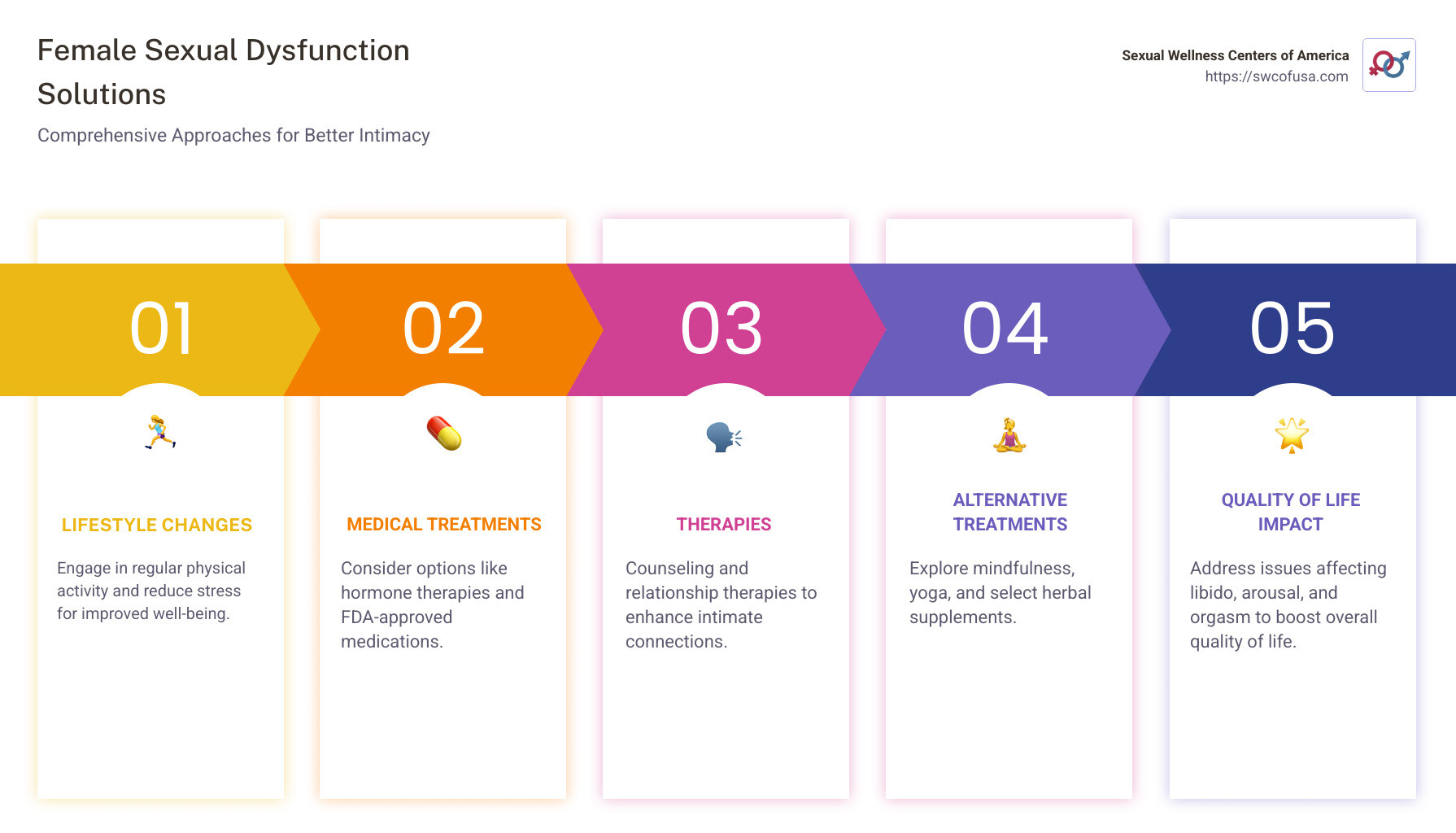
Female sexual dysfunction treatment is a topic that many individuals are seeking guidance on, especially those experiencing challenges like reduced libido, arousal issues, or difficulty achieving orgasm. Here’s a quick look at potential solutions:
- Lifestyle Changes: Engage in regular physical activity and reduce stress.
- Medical Treatments: Options include hormone therapies and FDA-approved medications like Flibanserin.
- Therapies: Counseling and relationship therapies can improve intimate connections.
- Alternative Treatments: Mindfulness, yoga, and select herbal supplements.
Female sexual dysfunction can disrupt the sexual response cycle, which includes phases of libido, arousal, and orgasm. This disruption significantly impacts quality of life, often leading to conditions like Hypoactive Sexual Desire Disorder (HSDD) and Female Sexual Interest/Arousal Disorder (FSIAD).
Women with HSDD experience reduced sexual desire, while those with FSIAD may have diminished interest and arousal, affecting their intimate relationships and self-confidence.
Data reveals that up to 70% of U.S. women feel their sexual dissatisfaction leads to interpersonal consequences, affecting not only personal connections but also their own body image and confidence. Addressing these issues is vital for improving overall well-being and quality of life.
As Jeff Nuziard, CEO of Sexual Wellness Centers of America, I bring experience in female sexual dysfunction treatment, with a focus on innovative, compassionate care. We aim to empower individuals with personalized solutions that improve quality of life and intimate health.
Diagnosis of Female Sexual Dysfunction
Understanding and diagnosing female sexual dysfunction is the first step in finding effective treatment. This process involves several key components:
Sexual and Medical History
When diagnosing female sexual dysfunction, healthcare professionals start by discussing your sexual and medical history. This can feel personal, but it’s crucial. Your sexuality is a part of your overall well-being, and openly sharing your experiences helps in finding the right treatment.
Doctors often use tools like the Brief Sexual Symptom Checklist to understand your satisfaction with your sexual function. This checklist asks about your specific sexual problems and your willingness to discuss them.
Pelvic Exam
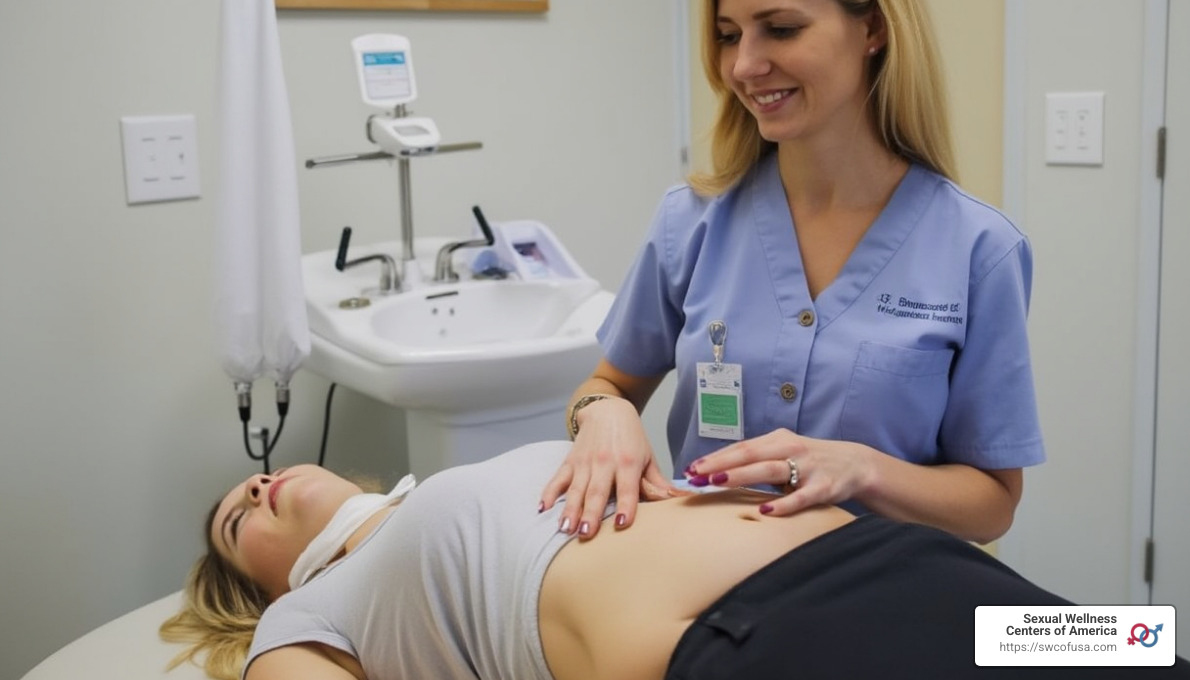
A pelvic exam is another important part of the diagnosis. During this exam, your healthcare provider checks for physical changes that might affect your sexual enjoyment, like thinning of genital tissues, scarring, or pain.
Blood Tests
Blood tests can reveal underlying health conditions contributing to sexual dysfunction. These tests might check hormone levels or other indicators of health that relate to sexual function.
Counselor or Therapist Referral
Sometimes, sexual dysfunction isn’t just physical. Emotional and psychological factors can play a significant role. That’s why a referral to a counselor or therapist who specializes in sexual and couples’ problems might be suggested. Therapy can help address these non-physical aspects and improve relationships and intimacy.
In summary, diagnosing female sexual dysfunction involves a comprehensive approach, considering both physical and emotional factors. This thorough evaluation is essential to develop a personalized treatment plan that addresses your unique needs and improves your quality of life.
Female Sexual Dysfunction Treatment Options
When it comes to female sexual dysfunction treatment, a one-size-fits-all approach doesn’t work. Instead, a combination of medical and nonmedical treatments, lifestyle changes, and alternative medicine often provides the best results.
Medical Treatments
Medical treatments target the physical aspects of sexual dysfunction. Here are some options:
-
Vaginal Estrogen: For women experiencing vaginal dryness, applying estrogen directly to the vagina via creams, tablets, or rings can be effective. This treatment helps ease dryness, pain during intercourse, and some urinary symptoms.
-
Ospemifene (Osphena): This oral medication is a selective estrogen receptor modulator (SERM) that treats painful intercourse due to thinning vaginal tissue. It’s not suitable for women with a history of breast cancer.
-
Testosterone Therapy: Although not FDA-approved for women, testosterone can improve sexual desire and pleasure, especially in postmenopausal women. It’s essential to discuss the risks and benefits with a healthcare provider.
-
Flibanserin (Addyi): Originally an antidepressant, this daily pill is FDA-approved for premenopausal women with low sexual desire. It can boost sex drive but may cause side effects like low blood pressure and dizziness.
-
Bremelanotide (Vyleesi): This injectable treatment is another option for premenopausal women with low sexual desire. It’s administered under the skin before sexual activity.
-
Prasterone (Intrarosa): A vaginal insert that helps relieve vaginal dryness and pain during intercourse.
Nonmedical Treatments
Nonmedical treatments often focus on communication and emotional well-being:
-
Talk and Listen: Open communication with your partner is crucial. Discussing desires and providing feedback in a non-threatening way can strengthen your bond.
-
Counseling: Therapy with a counselor who specializes in sexual issues can address emotional and psychological factors affecting your sexual health.
-
Lubricants and Moisturizers: These can alleviate discomfort during intercourse caused by vaginal dryness.
-
Devices: Vibrators and other devices can improve blood flow and help with achieving orgasm.
Lifestyle Changes
Simple lifestyle changes can have a significant impact on sexual health:
-
Limit Alcohol: Excessive drinking can dampen sexual response and enjoyment.
-
Quit Smoking: Smoking reduces blood flow, which can affect arousal and orgasm.
-
Be Physically Active: Regular exercise boosts energy levels, improves mood, and improves body confidence.
-
Manage Stress: Techniques for stress reduction, like meditation or deep breathing, can improve focus and arousal during sex.
Alternative Medicine
While more research is needed, some alternative therapies show promise:
-
Cognitive Behavior Therapy (CBT): This therapy helps change unhealthy thoughts and behaviors, reducing the impact of menopause symptoms.
-
Mindfulness: Practicing mindfulness can improve awareness and acceptance, improving sexual experiences.
-
Yoga: Certain yoga practices can improve flexibility, reduce stress, and improve sexual function.
-
Herbal Supplements: While some supplements claim to boost sexual desire, it’s important to consult a healthcare provider before use, as they may interact with other medications.
Each treatment option offers unique benefits, and often, a combination of these approaches yields the best results.
Medical Treatments for Female Sexual Dysfunction
When it comes to treating female sexual dysfunction, medical treatments play a crucial role in addressing the physical aspects of the issue. Here’s a closer look at some of the most common medical options available:
Vaginal Estrogen
Vaginal estrogen is a popular treatment for women experiencing vaginal dryness. Estrogen can be applied directly to the vagina using creams, tablets, or rings. This localized treatment helps to alleviate dryness, reduce pain during intercourse, and improve some urinary symptoms. It’s a straightforward and effective way to restore vaginal health without affecting the whole body.
Ospemifene (Osphena)
Ospemifene is an oral medication known as a selective estrogen receptor modulator (SERM). It is particularly effective in treating painful intercourse caused by thinning vaginal tissue. However, it’s important to note that Ospemifene is not recommended for women who have had or are at high risk for breast cancer. Always consult a healthcare provider to ensure this treatment is suitable for you.
Testosterone Therapy
Though testosterone therapy is not FDA-approved for women, it has shown promise in improving sexual desire and satisfaction, especially in postmenopausal women. Testosterone can improve libido, arousal, and even orgasm by acting on the brain and increasing blood flow to the genital area. However, due to potential side effects and the lack of specific formulations for women, it’s crucial to discuss the risks and benefits with a healthcare provider.
Flibanserin (Addyi)
Originally developed as an antidepressant, Flibanserin is now approved for treating low sexual desire in premenopausal women. Taken daily, this pill can help boost sex drive but comes with potential side effects such as low blood pressure, dizziness, and fatigue. It’s essential to avoid alcohol while on this medication, and if no improvement is seen after eight weeks, discontinuation should be considered.
Bremelanotide (Vyleesi)
Bremelanotide is an injectable treatment designed for premenopausal women with low sexual desire. Administered under the skin in the belly or thigh about 45 minutes before sexual activity, it can help increase sexual desire. Some users may experience nausea, particularly after the first injection, but this often improves with subsequent doses.
Prasterone (Intrarosa)
Prasterone is a vaginal insert that contains dehydroepiandrosterone (DHEA), a hormone that helps relieve vaginal dryness and pain during intercourse. This treatment is particularly beneficial for postmenopausal women and can be applied nightly to improve comfort and sexual satisfaction.
Each of these medical treatments for female sexual dysfunction offers unique benefits and potential side effects. It’s important to work closely with a healthcare provider to determine the most suitable option based on individual needs and medical history.
In the next section, we’ll explore Nonmedical Treatments for Female Sexual Dysfunction, focusing on the emotional and relational aspects that can significantly impact sexual health.
Nonmedical Treatments for Female Sexual Dysfunction
When it comes to addressing female sexual dysfunction, nonmedical treatments can be just as important as medical ones. These approaches often focus on emotional well-being, communication, and lifestyle changes that can improve sexual satisfaction and intimacy.
Talk and Listen
Open communication is key to a fulfilling sex life. Many people find it difficult to express their desires or discuss sexual issues with their partners. But learning to talk openly and listen without judgment can strengthen your relationship and improve your sexual experience. It’s about creating a safe space where both partners feel heard and valued.
Live Healthy
A healthy lifestyle can significantly improve your sexual health. Regular physical activity boosts energy levels and mood, making you more receptive to intimacy. Limiting alcohol consumption is also beneficial, as excessive drinking can dull sexual response. Incorporating stress-reducing activities like yoga or meditation can help you focus and enjoy the moment.
Counseling
Sometimes, talking to a professional can make a big difference. Counseling or therapy can provide tools to address sexual problems, whether they’re rooted in relationship issues or personal challenges. Therapists specializing in sexual health can guide you through understanding your body’s responses and help you and your partner build a stronger connection.
Lubricants and Moisturizers
Vaginal dryness is a common issue that can make intercourse uncomfortable or painful. Using a vaginal lubricant during sex can ease discomfort, while a vaginal moisturizer can be applied regularly to maintain hydration. These products can be simple yet effective solutions to improve comfort and pleasure.
Devices like Vibrators
For some, devices such as vibrators can play a pivotal role in enhancing sexual arousal and achieving orgasm. These devices increase blood flow to the genital area and can help individuals explore what feels pleasurable. They can be used alone or with a partner to improve sexual satisfaction.
By incorporating these nonmedical treatments for female sexual dysfunction into your routine, you can address not just the physical aspects of sexual health, but also the emotional and relational ones.
Next, we’ll dig into Lifestyle and Home Remedies that can further support your journey to improved sexual well-being.
Lifestyle and Home Remedies
When it comes to enhancing your sexual well-being, making simple changes in your daily habits can have a big impact. Let’s explore some practical lifestyle and home remedies that can support better sexual health.
Alcohol Consumption
While a glass of wine might help set the mood, drinking too much alcohol can actually interfere with sexual response. Excessive alcohol consumption can dull your senses and make it harder to feel aroused or reach orgasm. Cutting back on alcohol can help you stay in tune with your body’s natural responses and enjoy intimacy more fully.
Smoking Cessation
Smoking isn’t just bad for your lungs; it can also affect your sexual health. Cigarette smoking restricts blood flow, which means less blood reaches your sexual organs. This can lower sexual arousal and make orgasms more difficult to achieve. Quitting smoking can improve circulation and improve your sexual experiences.
Physical Activity
Being physically active is one of the best things you can do for your overall health, and it has specific benefits for your sexual health too. Regular aerobic exercise can boost your energy, improve your mood, and help you feel better about your body. All of these factors can make you feel more romantic and ready for intimacy.
Stress Reduction
Stress is a major barrier to enjoying a satisfying sex life. Learning ways to relax and reduce stress can make a big difference. Practices like mindfulness and yoga can help you focus and be present during intimate moments. When you’re relaxed, it’s easier to connect with your partner and enjoy the experience.
By incorporating these lifestyle and home remedies into your daily routine, you can create a healthier environment for sexual well-being. Small changes can lead to big improvements in how you feel and enjoy intimacy.
Next, we’ll explore the role of Alternative Medicine for Sexual Dysfunction in enhancing sexual health.
Alternative Medicine for Sexual Dysfunction
When it comes to female sexual dysfunction treatment, alternative medicine offers several promising options. Let’s explore a few that have shown potential in enhancing sexual health.
Cognitive Behavior Therapy (CBT)
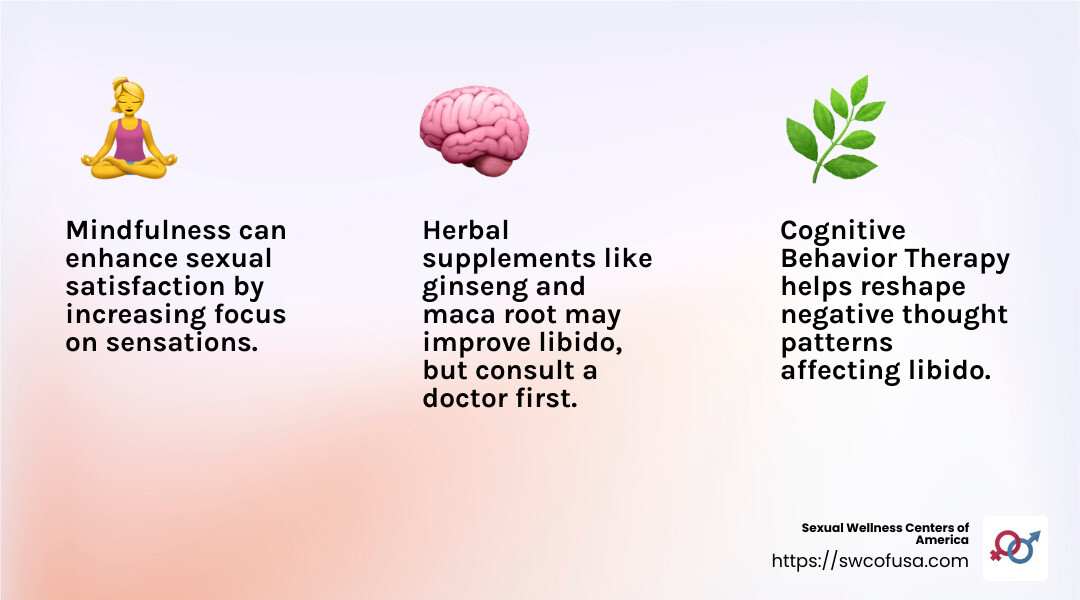
Cognitive behavior therapy is a type of talk therapy that helps you identify and change negative thought patterns. Studies have shown CBT can be effective in addressing issues like low libido and anxiety related to sexual performance. By reshaping your mindset, CBT can help you feel more confident and improve your sexual experiences.
Mindfulness
Mindfulness is all about being present and aware in the moment. It can be a powerful tool for enhancing sexual satisfaction. Research indicates that mindfulness practices can reduce anxiety and increase sexual desire by helping you focus on physical sensations and emotional connections during intimacy. This can lead to more fulfilling sexual experiences.
Yoga
Yoga combines physical postures, breathing techniques, and meditation to promote overall well-being. Several studies, including one published in the Journal of Sex Medicine, have found that yoga can improve sexual function in women. By increasing flexibility, reducing stress, and enhancing body awareness, yoga can boost your sexual health and satisfaction.
Herbal Supplements
Some people turn to herbal supplements like ginseng, maca root, and ginkgo biloba to improve sexual function. While some studies suggest these herbs may improve libido and arousal, it’s important to approach them with caution. Always consult with a healthcare provider before trying any new supplements, as their effects can vary and they may interact with other medications.
By considering these alternative medicine options, you might find new ways to address sexual dysfunction and improve your overall sexual health. These approaches can complement traditional treatments, offering a holistic path to well-being.
In the next section, we’ll address some Frequently Asked Questions about Female Sexual Dysfunction Treatment to help you make informed decisions about your sexual health.
Frequently Asked Questions about Female Sexual Dysfunction Treatment
What is the most common treatment for sexual dysfunction?
The most common treatment for female sexual dysfunction often involves a combination of both medical and nonmedical approaches. Medical treatments might include hormonal therapies like vaginal estrogen or testosterone therapy, which have been shown to improve symptoms for some women. Nonmedical treatments often focus on lifestyle changes, counseling, and using lubricants or devices to improve sexual pleasure.
How do you treat female sexual desire disorder?
Female sexual desire disorder, often referred to as Hypoactive Sexual Desire Disorder (HSDD), can be treated with a mix of therapies. Nonpharmacologic treatments like counseling and education play a crucial role. For some women, medications like flibanserin (Addyi) or testosterone therapy might be prescribed to boost desire. It’s important to address any underlying psychological or relationship issues, as these can significantly impact sexual desire.
How to overcome psychosexual disorder?
Overcoming a psychosexual disorder often requires a multifaceted approach. Cognitive behavior therapy (CBT) is highly effective in addressing the psychological aspects by helping individuals change negative thought patterns related to sex. Mindfulness practices can also help by reducing anxiety and increasing focus on the present moment. In some cases, working with a sex therapist to explore and address the emotional and psychological barriers can be beneficial. Combining these approaches with medical treatments, if necessary, can lead to significant improvements.
By exploring these FAQs, you can gain a better understanding of the available treatment options for female sexual dysfunction. This knowledge can empower you to seek the right solutions for your needs.
Conclusion
When it comes to female sexual dysfunction treatment, a multidisciplinary approach is essential. This means combining medical treatments, lifestyle changes, counseling, and alternative therapies. Each woman’s experience is unique, and a custom plan can make all the difference.
At Sexual Wellness Centers of America, we specialize in innovative treatments that cater to your specific needs. Our SHEshot®™ is designed to improve women’s sexual performance by increasing sensitivity and pleasure. We also offer the HEshot®™ and regenMAX technology, which are part of our comprehensive suite of services aimed at optimizing sexual health.
Our personalized treatment plans are based on hormone and vitamin panels, ensuring that we address the root causes of sexual dysfunction. With a 97.2% efficacy rate in treating erectile dysfunction, our methods are both effective and reliable.
We believe in the power of a holistic approach. By integrating medical expertise with lifestyle and alternative therapies, we can help you achieve a fulfilling and satisfying sexual life.
For more information on our services and how we can assist you, visit our SHEshot®™ page to learn more and schedule a consultation with our team.
Taking charge of your sexual health is a journey, and we’re here to support you every step of the way.