
Hormone balance for women is about keeping the body’s powerful chemical messengers in check. Your hormones, part of what’s known as the endocrine system, play a vital role in maintaining your health. These tiny messengers regulate everything from your metabolism to mood, impacting how you feel and function daily.
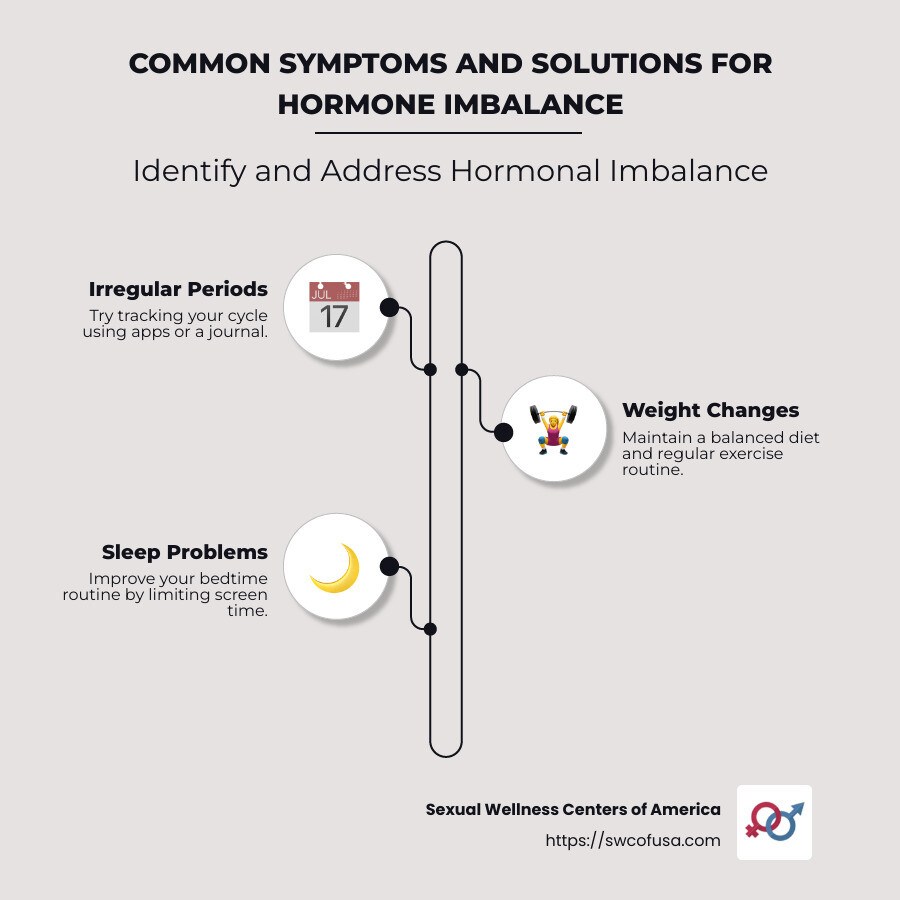
For women, hormonal imbalances can lead to issues like irregular periods, weight gain, and fatigue. Here’s a quick way to identify whether hormonal imbalance might be affecting you:
- Irregular periods
- Weight gain or loss
- Sleep problems
- Mood swings
- Decreased libido
I’m Jeff Nuziard, CEO of Sexual Wellness Centers of America, with a commitment to enhancing women’s well-being through innovative treatments. With experience in hormonal health, I provide effective strategies for Hormone balance for women. Let’s explore how hormonal balance can refresh your health and well-being.
Understanding Hormonal Imbalance
Hormonal imbalances occur when there is too much or too little of a hormone in the bloodstream. These imbalances can lead to a variety of health issues because hormones are crucial for coordinating many bodily functions. They act as messengers, traveling through the bloodstream to tissues and organs, and affect processes like metabolism, mood, and reproductive health.
Causes of Hormonal Imbalance
Several factors can cause hormonal imbalances in women. Stress is a major contributor, often leading to liftd cortisol levels, which can disrupt other hormones like estrogen and progesterone. Menopause is another common cause, as it involves a natural decline in reproductive hormones. Pregnancy, breastfeeding, and hormonal birth control can also lead to fluctuations in hormone levels.
Certain medications, such as antidepressants, can interfere with hormone production. Additionally, lifestyle factors like poor diet and lack of exercise can exacerbate hormonal issues.
Hormone-Related Conditions
Hormonal imbalances can lead to various conditions. For women, polycystic ovary syndrome (PCOS) is a common disorder associated with imbalances of sex hormones like estrogen and testosterone. This can lead to symptoms like irregular periods and excessive hair growth.
Another condition is thyroid disease, which affects metabolism. An underactive thyroid (hypothyroidism) can cause fatigue and weight gain, while an overactive thyroid (hyperthyroidism) can result in weight loss and anxiety.
The Role of Sex Hormones
Sex hormones, including estrogen, progesterone, and testosterone, play significant roles in women’s health. Estrogen is crucial for reproductive health, affecting everything from menstrual cycles to bone density. Progesterone helps regulate the menstrual cycle and maintain pregnancy. Testosterone, although often considered a male hormone, is important for women too, influencing libido and muscle strength.
Metabolism and Hormones
Hormones like insulin and thyroid hormones are key players in metabolism. Insulin helps regulate blood sugar levels, while thyroid hormones control how the body uses energy. Imbalances in these hormones can lead to metabolic issues such as diabetes or unexplained weight changes.
Understanding these elements of hormonal imbalance is crucial for maintaining health and well-being. If you suspect a hormonal imbalance, consulting a healthcare provider can provide clarity and guidance on the next steps.
Natural Ways to Achieve Hormone Balance for Women
Balancing hormones naturally is all about adopting a healthy lifestyle. Here are some simple and effective ways to help achieve hormone balance for women.
Protein Intake
Eating enough protein is essential. Protein provides amino acids, which are building blocks for hormone production. Experts suggest consuming 25–30 grams of protein per meal. Foods like eggs, chicken breast, lentils, and fish are excellent sources.
Exercise Regularly
Physical activity boosts hormonal health. It improves blood flow and increases hormone receptor sensitivity, enhancing the body’s ability to use hormones effectively. Activities like strength training, cardio, or even regular walking can prevent insulin resistance and promote overall well-being.
Maintain a Moderate Weight
Weight gain can lead to hormonal imbalances and complications with insulin sensitivity. Sticking to your personal calorie range and maintaining a healthy weight can help keep hormones in check.
Gut Health
Your gut houses trillions of bacteria that play a role in hormone regulation. A healthy gut can support hormone balance. Aim to consume fiber-rich foods and probiotics to nurture your gut microbiome.
Reduce Sugar Intake
Cutting down on added sugars, especially from sugary drinks, can optimize hormone function. High sugar intake is linked to obesity and diabetes, which can disrupt hormone balance. Consider swapping sugary drinks for water or herbal teas.
Stress Reduction
Chronic stress lifts cortisol levels, which can wreak havoc on other hormones. Incorporate stress-reducing practices like meditation, yoga, or even taking a few minutes each day for deep breathing exercises.
Prioritize Sleep
Adequate sleep is vital for hormone production and regulation. Aim for 7-9 hours of quality sleep per night to support hormonal health. Poor sleep can lead to imbalances and affect mood, metabolism, and more.
Healthy Fats
Incorporating healthy fats into your diet supports hormone production. Foods like avocados, nuts, seeds, and olive oil provide essential fatty acids that are important for maintaining hormonal balance.
By integrating these natural strategies into your daily routine, you can support your body’s ability to maintain a healthy hormone balance. These steps not only promote hormonal health but also improve overall wellness.
Symptoms of Hormonal Imbalance in Women
Hormonal imbalances can manifest in various ways, affecting both physical and emotional health. Here’s a look at some common symptoms women might experience:
Weight Gain
Unexplained weight gain can be a sign of a hormonal imbalance. Conditions like thyroid disorders or PCOS often disrupt metabolism, leading to weight changes.
Fatigue and Muscle Weakness
Persistent tiredness, even after a good night’s sleep, can indicate hormonal issues. Hormones like cortisol and thyroid hormones play a role in energy levels. When they’re out of balance, fatigue and muscle weakness can occur.
Joint Pain
Hormonal fluctuations, especially during menopause, can cause joint pain. Estrogen helps reduce inflammation, so lower levels might lead to discomfort in the joints.
Heart Rate Changes
Irregular heartbeats or palpitations can be related to thyroid hormone imbalances. The thyroid gland regulates heart rate, and any disruption can lead to noticeable changes.
Menstrual Changes
Irregular or missed periods might suggest a hormonal imbalance. Conditions like PCOS or thyroid disorders can alter menstrual cycles, making them unpredictable.
Hair Issues
Hormonal imbalances can lead to hair thinning or hair loss. Androgens, a type of hormone, can affect hair growth patterns, causing hair to thin or fall out.
Skin Problems
Acne, dry skin, or other skin issues can be signs of hormonal shifts. Hormones like estrogen and testosterone influence oil production and skin health.
Sex-Related Symptoms
A decline in estrogen levels can lead to vaginal dryness and reduced libido. These changes often occur during menopause but can also result from other hormonal disturbances.
Digestive Distress
Hormones affect digestion, and imbalances can lead to issues like constipation or diarrhea. Estrogen and progesterone play roles in gut health, and their imbalance can disrupt normal digestion.
Recognizing these symptoms is crucial for addressing potential hormonal issues. If you notice persistent changes in your health, consider consulting a healthcare provider for a thorough evaluation. Hormonal imbalances can impact quality of life, but with proper diagnosis and treatment, it’s possible to restore balance and well-being.
Medical Treatments for Hormonal Imbalance
When natural remedies aren’t enough to manage hormonal imbalances, medical treatments can provide effective solutions. Here’s an overview of the primary medical treatments available:
Hormone Replacement Therapy (HRT)
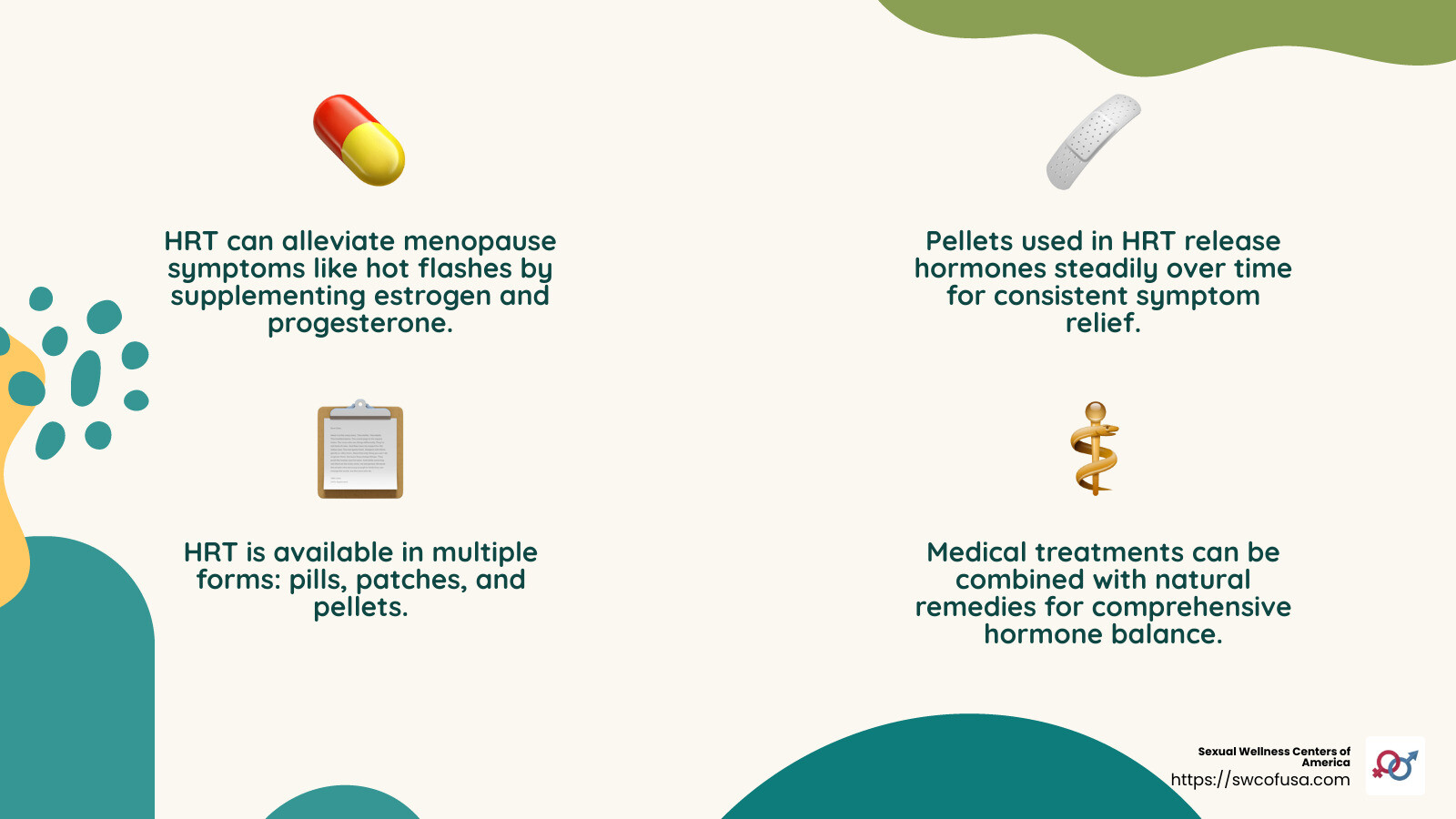
Hormone replacement therapy is often used to balance hormones, especially during menopause. It involves supplementing hormones like estrogen or progesterone to alleviate symptoms such as hot flashes and mood swings. HRT can be administered in various forms, including pills, patches, or pellets. At Sexual Wellness Centers of America, pellets are commonly used, releasing hormones steadily over time.
Medications
Medications can help regulate hormone levels and alleviate symptoms. For example, thyroid medications can balance thyroid hormone levels, addressing issues like fatigue and weight changes. Similarly, metformin is used for managing insulin levels in conditions like PCOS. Always consult with a healthcare provider to determine the right medication and dosage for your needs.
Surgery
In some cases, surgery may be necessary to address the root cause of a hormonal imbalance. For instance, removing a tumor from an endocrine gland can restore normal hormone production. Surgical intervention is generally considered when other treatments are ineffective or when a growth poses a significant health risk.
Radiation Therapy
Radiation therapy can be used to treat hormone-secreting tumors, especially in cases where surgery isn’t feasible. This approach targets and shrinks the tumor, helping to restore hormone balance. It’s a specialized treatment, typically reserved for more severe or complex cases.
Hormone Imbalance Tests
Accurate diagnosis is key to effective treatment. Hormone imbalance tests often involve blood tests to measure hormone levels. These tests can identify specific deficiencies or excesses, guiding the choice of treatment. At Sexual Wellness Centers of America, comprehensive hormone panels are conducted to ensure a personalized treatment plan.
Medical treatments can effectively manage hormonal imbalances, improving quality of life. However, it’s important to work closely with healthcare providers to tailor treatments to individual needs. We’ll explore lifestyle changes that complement these medical approaches, offering a holistic path to hormone harmony.
Lifestyle Changes for Hormone Harmony
Achieving hormone harmony doesn’t always require medical intervention. Simple lifestyle changes can make a big impact. Here’s how:
Diet
A balanced diet is crucial for hormone balance for women. Focus on:
- Protein: Aim for 25–30 grams per meal. Foods like eggs, chicken breast, and lentils are excellent choices. Protein supports the production of peptide hormones, which regulate growth and metabolism.
- Healthy Fats: Include sources like avocados, nuts, and olive oil. They are essential for producing hormones.
- Fiber: Helps regulate insulin levels and supports gut health. Vegetables, fruits, and whole grains are great sources.
Exercise
Physical activity boosts hormone health by enhancing hormone receptor sensitivity. This means your body uses hormones more effectively. Try:
- Strength Training: Builds muscle and improves insulin sensitivity.
- Cardio: Supports heart health and mood regulation.
- Walking: Even regular walking can lift hormone levels and improve quality of life.
Stress Management
Chronic stress can lead to liftd cortisol levels, disrupting hormone balance. Manage stress by:
- Practicing mindfulness or meditation for at least 5 minutes daily.
- Engaging in activities you enjoy, like reading or gardening.
Vitamins and Minerals
Certain vitamins and minerals play a role in hormone production and balance:
- Magnesium: Helps regulate cortisol and supports sleep. Found in leafy greens and nuts.
- Vitamin D: Essential for hormone function. Get sunlight exposure or consider supplements if needed.
Sleep
Adequate sleep is vital for hormone regulation. Aim for 7-9 hours per night. Sleep helps balance hormones like cortisol and insulin, improving overall well-being.
By incorporating these lifestyle changes, you can support your body’s natural ability to maintain hormonal balance. These strategies not only improve hormone health but also contribute to overall wellness.
Next, we’ll explore how these lifestyle changes can be complemented by personalized medical treatments for optimal hormone harmony.
Conclusion
Achieving hormone balance for women is a journey that combines lifestyle changes with personalized medical care. At Sexual Wellness Centers of America, we understand the unique needs of each individual and offer custom solutions to support hormonal health.
Women for Women OB/GYN
Our collaboration with Women for Women OB/GYN ensures that you receive comprehensive care. They are renowned for their expertise in managing hormonal imbalances and providing compassionate support throughout your health journey. Whether you’re navigating menopause, pregnancy, or other hormonal changes, their team is dedicated to helping you achieve balance.
Personalized Plans and Hormone Panels
We believe in the power of personalized care. Our approach includes thorough hormone and vitamin panels to understand your unique hormonal landscape. This allows us to create a customized plan that addresses your specific needs. By identifying imbalances and deficiencies, we can recommend targeted treatments and lifestyle adjustments that make a real difference.
SHEshot®™
One of our innovative treatments is the SHEshot®™, designed to improve hormonal balance and improve sexual wellness. This treatment, available at our Colleyville, TX location, is part of our commitment to offering cutting-edge solutions that empower women to feel their best.
In conclusion, achieving hormone harmony is within reach. By combining lifestyle changes with personalized medical care, you can support your body’s natural ability to maintain balance. At Sexual Wellness Centers of America, we’re here to guide you every step of the way, ensuring you have the support and resources needed for optimal health and well-being.