
Why Hormone Replacement Therapy and Weight Loss Matters
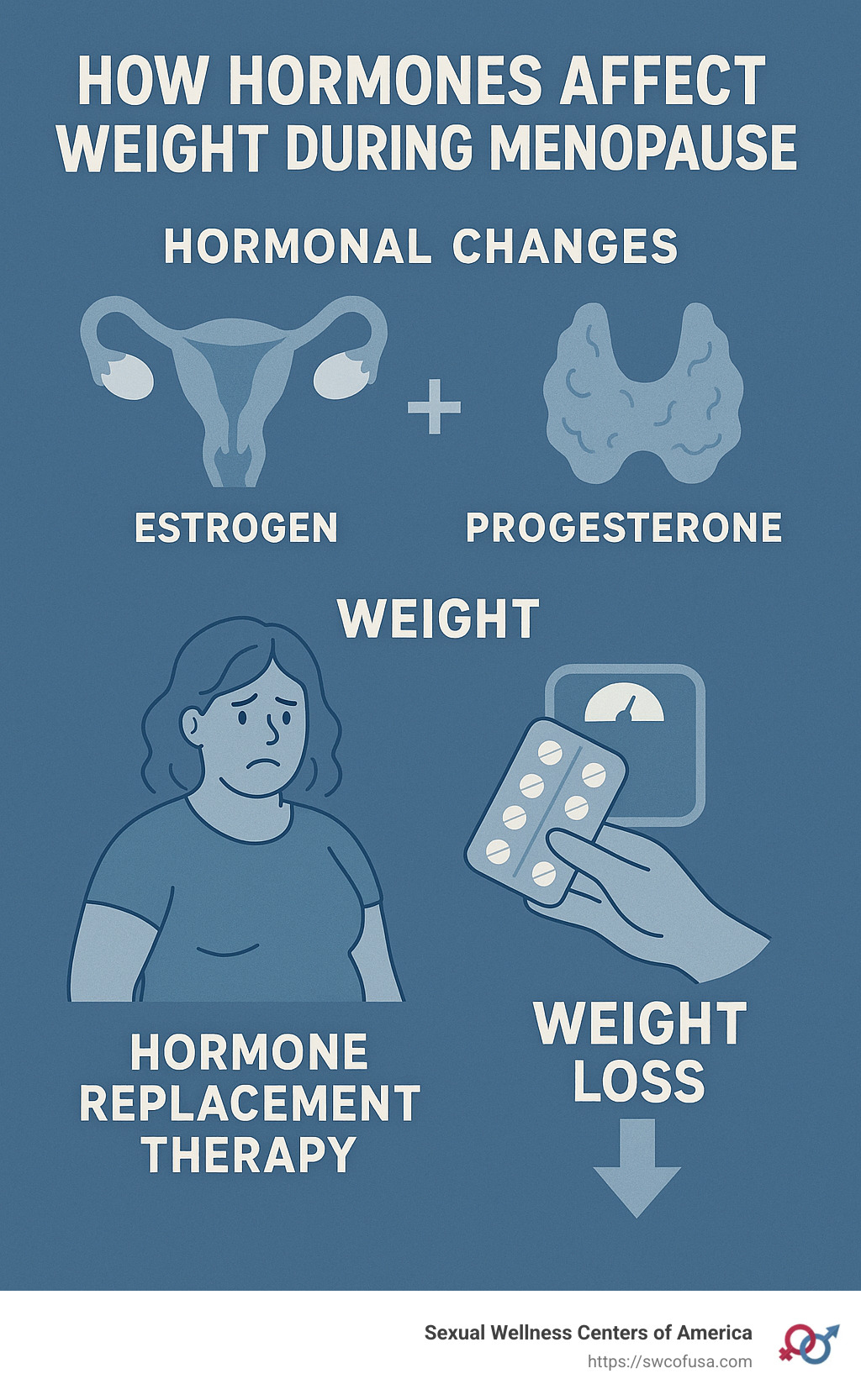
Hormone replacement therapy and weight loss is a topic on many minds during midlife, especially when stubborn fat seems to pile up despite healthy choices. Here’s the quick scoop:
- Can it help? Yes—indirectly. Hormone therapy doesn’t automatically burn fat, but it can optimize body fat distribution, metabolism, sleep, mood, and energy—making weight management easier.
- What it doesn’t do: You won’t magically shed pounds from hormones alone. Lifestyle choices (good diet, exercise, sleep habits) still matter—a lot.
- Best results: Combine hormone therapy with improved nutrition, strength training, and stress management for maximum benefits.
I’m Jeff Nuziard, CEO at Sexual Wellness Centers of America, where I’ve spent years helping individuals thrive through treatments like hormone replacement therapy and weight loss solutions. Let’s dive deeper into exactly how hormones influence your weight and whether hormone therapy could be your weight-loss ally.
Glossary for hormone replacement therapy and weight loss:
– hormone replacement therapy cost
– hormone replacement therapy near me
Understanding the Relationship Between Hormones and Weight
When trying to lose weight, many of us have been taught it’s as simple as counting calories—eat fewer calories than you burn, and the pounds will melt away, right? Well, not exactly. Anyone who’s struggled through midlife knows there’s more going on beneath the surface. That extra something is hormones.
Hormones are powerful chemical messengers that direct your body’s metabolism, fat storage, muscle mass, and energy levels. The primary sex hormones—estrogen, progesterone, and testosterone—have a huge say in how your body manages weight. They influence everything from where fat is stored to how efficiently your muscles burn calories.
Our lead endocrinologist at Sexual Wellness Centers of America explains it this way:
“Hormones act as internal messengers regulating metabolism and weight. When these messengers become imbalanced, it can significantly affect your ability to maintain a healthy weight, regardless of diet and exercise efforts.”
As we age—particularly during perimenopause, menopause for women, and andropause for men—our hormone levels naturally decline. But this decline isn’t always smooth or balanced. Hormonal fluctuations become unpredictable, causing disruptions that can throw your metabolism out of whack and make weight control harder than ever.
Research supports what many women already suspect. Studies published in the Journal of Clinical Endocrinology & Metabolism confirm that postmenopausal women face higher obesity rates compared to men of the same age. This isn’t a coincidence—it’s directly linked to the hormonal shifts experienced during menopause.
At Sexual Wellness Centers of America in Colleyville, TX, we understand that a successful approach to weight management needs to address these hormonal factors. This is exactly why we offer custom Hormone Replacement Therapy services to help restore hormonal balance and support healthy weight goals.
How Hormonal Changes Affect Your Metabolism
Your metabolism—the amount of calories you burn each day—is strongly influenced by hormones. When hormones shift during menopause, your resting metabolic rate (the calories you burn while at rest) can drop significantly. Suddenly, the same diet and exercise routine that worked wonders in your 30s no longer seems to cut it.
Estrogen in particular has a big impact. As estrogen levels decline during menopause, your metabolism slows down, making weight gain almost unavoidable if you don’t make adjustments.
Here’s an eye-opening fact: studies show that women who used estrogen as part of their menopausal hormone therapy increased their resting energy expenditure by an average of 222 calories per day. That’s about the same calorie burn you’d get from a 30-minute jog—without even breaking a sweat!
But estrogen isn’t the only hormone influencing weight. Thyroid hormones control how quickly your body burns calories. Even a slight drop in thyroid function can make the pounds stubbornly stick around. Insulin directs whether your body stores fat or burns it for energy. Unfortunately, insulin resistance often increases with age, promoting fat storage, particularly around the belly.
Then there’s cortisol—the stress hormone. Chronic stress can lead to liftd cortisol levels, slowing down your metabolism and triggering those irresistible cravings for comfort foods. Finally, leptin, the hormone that signals fullness, can become less effective when other hormones are imbalanced, causing you to overeat without realizing it.
At Sexual Wellness Centers of America, we don’t just look at estrogen or one hormone in isolation. Our comprehensive hormone assessments measure all these critical hormones to provide a complete understanding of your metabolic health.
The Science Behind Menopausal Weight Gain
Many women feel frustrated and confused when they suddenly gain weight around menopause. It’s tempting to blame yourself for not trying hard enough—but the science tells a different story.
Menopause doesn’t necessarily cause an overall increase in weight, but it does significantly change how your body stores fat. According to research from the International Menopause Society, menopause specifically increases fat storage around your midsection, shifting from the hips and thighs (gynoid pattern) to the belly (android pattern).
Dr. Ekta Kapoor of the Mayo Clinic points out, “Midlife women may gain up to 0.7 kg per year and demonstrate a change in body fat distribution, from the premenopausal gynoid pattern to the postmenopausal android pattern.”
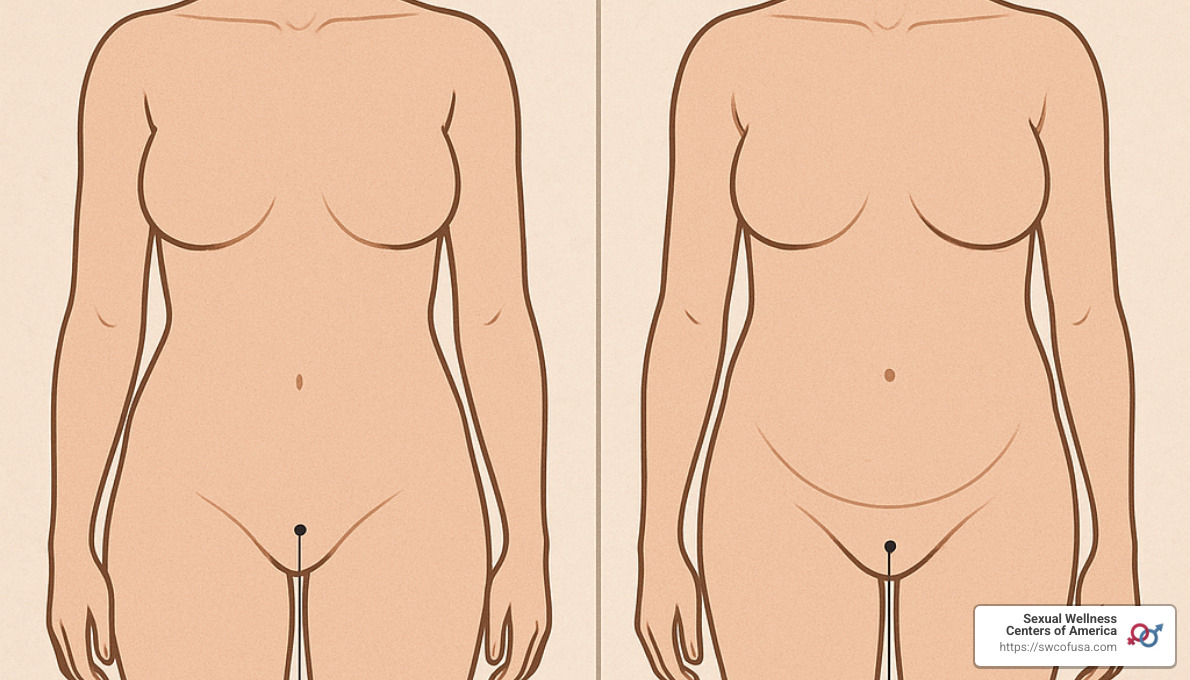
This shift isn’t just annoying—it’s a real health concern. Visceral fat, the deep abdominal fat surrounding your internal organs, is metabolically active and releases inflammatory compounds. Increased abdominal fat is linked to insulin resistance, type 2 diabetes, heart disease, and metabolic syndrome.
In fact, nearly two-thirds of women between ages 40 to 59, and around three-fourths over age 60, are considered overweight in the United States. This trend closely matches the hormonal changes during menopause, particularly the decrease in estrogen levels, which had previously helped maintain healthier fat distribution.
At Sexual Wellness Centers of America, we believe addressing these hormonal drivers of weight gain is crucial—not just for appearance, but for your overall health and wellbeing. By understanding the hormonal roots of weight gain, you can finally break free from frustrating weight-loss plateaus and reclaim your healthy, vibrant self.
Can Hormone Replacement Therapy Help With Weight Loss?
Now, let’s tackle the big question many women have during menopause: can hormone replacement therapy and weight loss actually work together? The short answer is yes—but with a few important considerations and a sprinkle of realistic expectations.
First things first: hormone replacement therapy (HRT) is not primarily prescribed as a weight-loss treatment itself. Doctors typically recommend it to ease menopause symptoms like hot flashes, mood swings, and sleep problems. However, there’s solid evidence that HRT can indirectly help you manage your weight by addressing underlying hormonal imbalances that often make shedding pounds challenging.
Research shows that women who use hormone therapy tend to have better body composition compared to those who don’t. For instance, a study published in the International Journal of Obesity found that postmenopausal women using hormone therapy had, on average, about three pounds less body fat and one point lower BMI than women not using it. That’s nothing to sneeze at when it comes to stubborn belly fat!
Even more convincing is a clinical study from the Journal of Clinical Endocrinology & Metabolism. It showed that after just three months of combined hormone replacement therapy, women lost an average of 2.1 kg of fat and saw improvements in their waist-to-hip ratio. In other words, not only did they lose some weight, but the fat shifted to healthier areas of their bodies.
Dr. Maria D. Hurtado, a respected expert in menopausal health, explains this clearly: “During menopause, hormone therapy can significantly lessen the accumulation of abdominal and visceral fat—by as much as 60%. It can also reduce waist circumference and body mass index (BMI) by around 0.8%.” So while HRT won’t magically make weight melt away overnight, it can absolutely tip the scales in your favor.
Recent research also suggests that combining HRT with weight-loss medications may give even better results. A recent cohort study found that postmenopausal women on hormone therapy lost on average 16% of their body weight after one year on a medication called semaglutide, compared to just 12% for women not on HRT. At Sexual Wellness Centers of America, we’ve noticed similar trends among our patients. Many report it becomes easier to manage their weight and keep off stubborn pounds once their hormones are back in balance.
What the Research Shows About HRT and Weight Management
Scientists have identified several key reasons why hormone replacement therapy can help support your weight management efforts. For starters, HRT actually boosts your body’s ability to burn fat—a process known as lipid oxidation. Studies have found that women’s fat-burning rates significantly increase after starting HRT, making it easier for them to slim down and tone up.
Another important factor is thermogenesis, or your body’s heat production and calorie burning. HRT can increase your total daily energy expenditure, meaning you burn more calories even when you’re simply relaxing at home. Additionally, hormone therapy improves insulin sensitivity, reducing insulin resistance by about 30%. Since insulin resistance is a big contributor to stubborn weight gain—especially around the belly—this improvement can make a real difference in both your weight and overall metabolic health.
Perhaps one of the most appealing benefits for many women is that HRT can lead to a healthier fat redistribution, moving fat away from the abdominal area toward less harmful locations. Even if your overall weight doesn’t drop dramatically, shifting away from that stubborn belly fat can significantly improve your health and appearance.
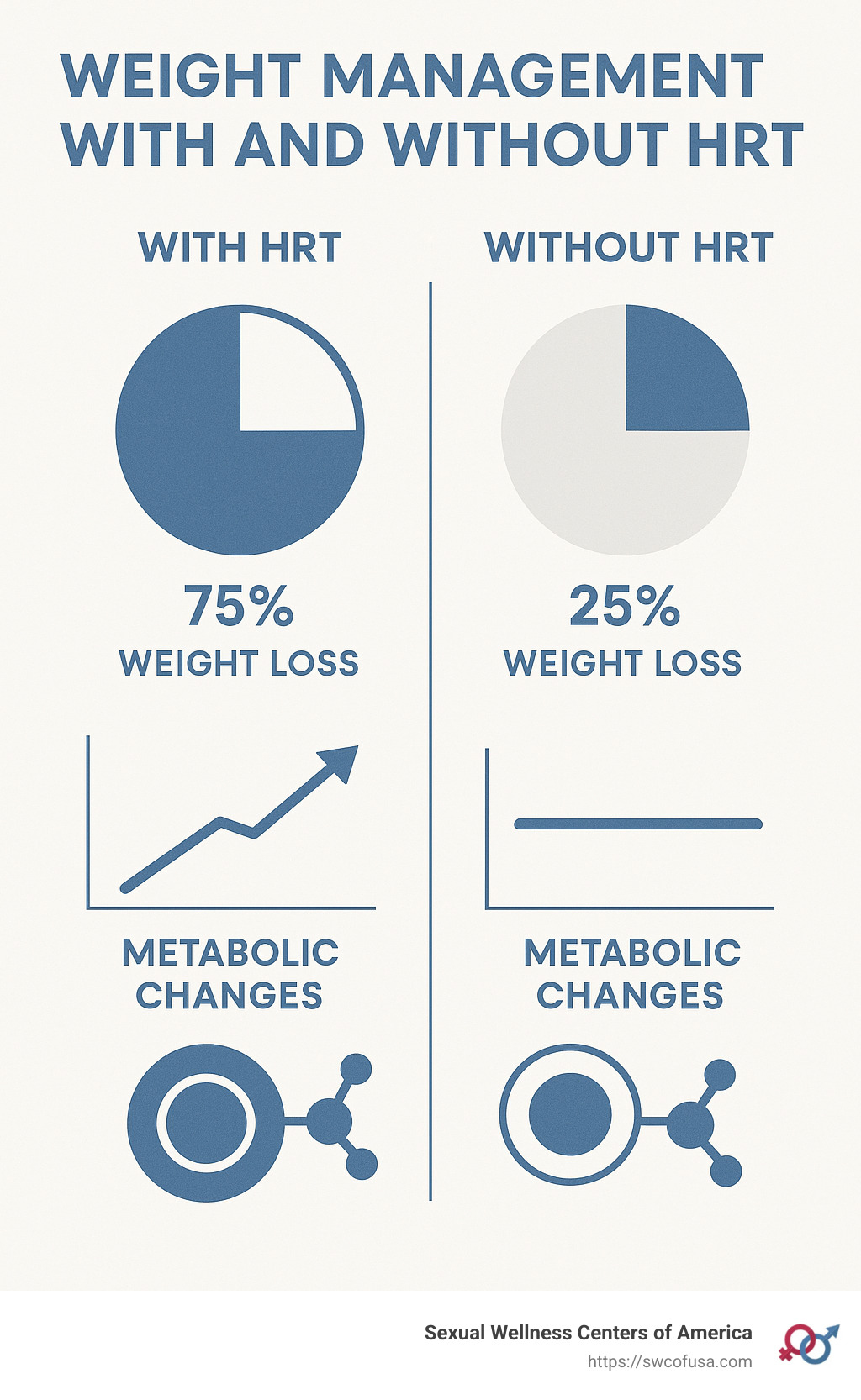
In fact, recent data presented at the North American Menopause Society conference showed some impressive results: after one year, 85.7% of women on hormone therapy achieved at least a 10% reduction in body weight, compared to only 58.1% of women not on HRT. Clearly, hormone replacement therapy can be a powerful ally, helping you reach your weight management goals more effectively.
It’s also worth noting that not all hormone therapies are created equal. Bioidentical hormones, which match exactly what your body naturally produces, may offer even greater benefits for weight management. While more research is ongoing, bioidentical hormones are often preferred by patients and experts alike for their natural compatibility with the body.
Realistic Expectations: What HRT Can and Cannot Do
All this good news aside, it’s important to keep both feet firmly on the ground when considering hormone replacement therapy and weight loss. HRT offers significant benefits—but it’s no magic bullet. It’s crucial to understand clearly what it can and cannot do for you.
Here’s the good news first. Hormone replacement therapy can:
- Help shift fat away from your belly—where it does the most damage to your health.
- Boost your metabolism, helping you burn calories more efficiently.
- Improve insulin sensitivity, reducing your risk of diabetes and stubborn fat accumulation.
- Help you preserve muscle mass, keeping your metabolism running strong.
- Increase your energy levels and reduce fatigue, making it easier to stay active.
- Improve sleep quality—critical for successful long-term weight management.
- Ease mood fluctuations that might otherwise trigger emotional eating.
Now, here’s the reality check. Hormone replacement therapy cannot:
- Work miracles if you’re not supporting it with a healthy diet and regular exercise.
- Offset unhealthy eating habits or a sedentary lifestyle.
- Offer a quick fix or instant weight-loss solution.
- Completely reverse all natural, age-related metabolic changes.
Dr. Monica Christmas, a gynecologist at the University of Chicago Medicine, puts it simply and clearly: “HRT is not a magical cure. The best recipe for success still involves maintaining a balanced diet and regular physical activity.”
We wholeheartedly agree at Sexual Wellness Centers of America. When guiding our patients about What to Consider Before Hormone Replacement Therapy, we make sure they understand that HRT works best when it’s part of a comprehensive approach to wellness.
Dr. Christmas adds, wisely: “You can’t exercise your way out of a poor diet, and you can’t diet your way out of no exercise. Both are essential—especially in midlife and beyond.” At Sexual Wellness Centers of America, that’s exactly our approach: combining hormone optimization with personalized lifestyle coaching to help you achieve lasting results and feel your absolute best.
Types of Hormone Replacement Therapy for Weight Management
When it comes to hormone replacement therapy and weight loss, there’s no one-size-fits-all solution. Each type of hormone therapy offers unique benefits, and choosing the right one depends on your individual metabolic needs, medical history, and personal goals.
For women who’ve had a hysterectomy, estrogen-only therapy can be a powerful metabolic ally. Impressive fact we mentioned earlier? Studies have shown estrogen therapy alone may boost your resting metabolic rate by about 222 calories per day. That’s like adding a nice 30-minute walk to your day—without even lacing up your sneakers!
If your uterus is intact, you’ll typically receive combined estrogen and progesterone therapy. Progesterone protects your uterine health, but certain types can sometimes cause bloating and fluid retention—leading to that uncomfortable tight-jeans feeling. At Sexual Wellness Centers of America, we carefully select progestogens to minimize these side effects for a smoother experience.
Another key player is testosterone supplementation, which is not just for men! Testosterone helps both women and men maintain muscle mass, which supports a healthy metabolism. If you’re low on testosterone, you might find yourself losing muscle and gaining stubborn fat. Optimizing testosterone levels can help you get stronger and leaner at any age.
Don’t overlook the role of your thyroid hormone. Even mild thyroid imbalances can slow your metabolism and make weight loss feel impossible. Our team assesses your thyroid function carefully, ensuring it’s working optimally to support your weight management goals.
You may have heard the buzz about bioidentical hormone therapy—and there’s good reason for the excitement. Bioidentical hormones exactly match the structure of your own hormones and come from natural plant sources. Many people prefer bioidentical options because they often have fewer side effects and can align better with your body’s natural processes.
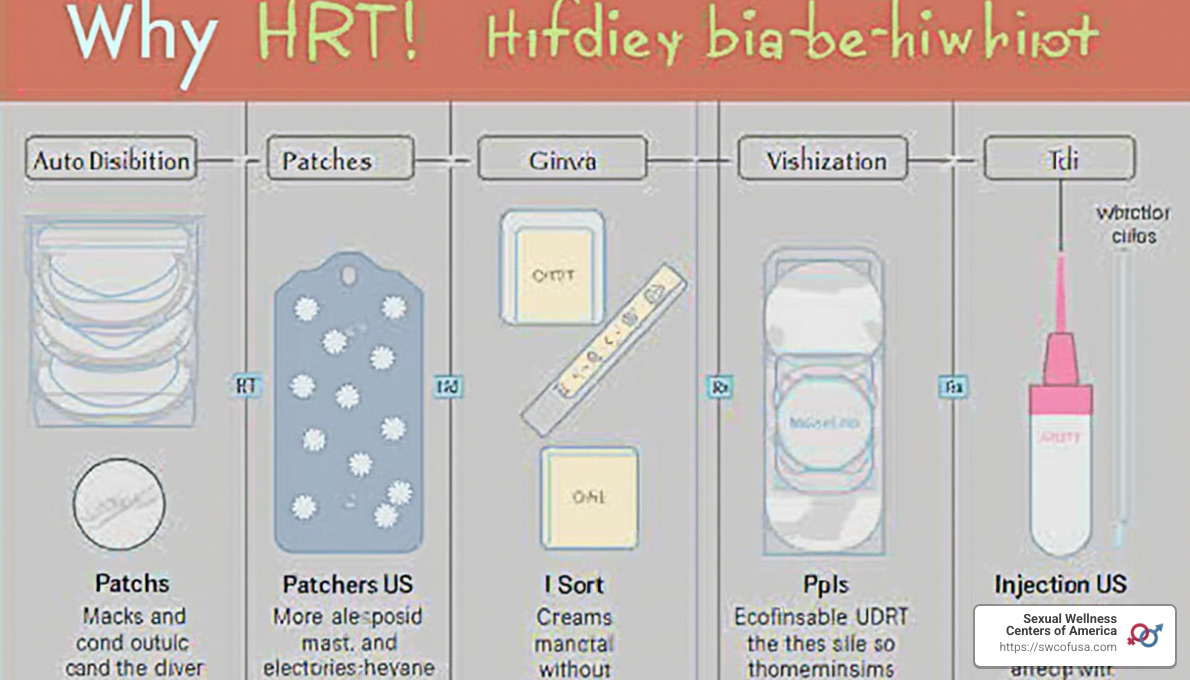
Of course, how you receive your hormones also matters. Hormones come in several delivery methods—each with their own perks and considerations. Oral tablets are convenient, but because they pass through your liver, they can impact metabolism differently. Transdermal patches, creams, and gels provide consistent hormone delivery and bypass the liver, offering stable hormone levels throughout the day. Pellet implants are another popular option, delivering steady hormone levels over several months. Finally, hormone injections allow precise dosing but can cause fluctuating hormone levels between injections.
At Sexual Wellness Centers of America, we offer all these options and work closely with you to find the best fit. Your lifestyle, preferences, and unique metabolic needs guide our recommendations, ensuring your hormone therapy supports your weight management goals.
Customizing HRT for Individual Metabolic Needs
When it comes to your hormones, you’re not just another number—you deserve personalization. At Sexual Wellness Centers of America, we take the time to understand exactly what’s happening inside your body. Our personalized approach means your hormone therapy is custom specifically to you and your metabolic needs.
We start with comprehensive hormone testing. This detailed blood panel looks at estrogen, progesterone, testosterone, thyroid hormones, cortisol, and other metabolic markers. It gives us the full picture of your hormonal status and helps pinpoint exactly where you need support.
Next, we’ll do a thorough symptom assessment. Weight gain or difficulty losing weight often comes with related issues like fatigue, trouble sleeping, mood swings, or hot flashes. Addressing these symptoms alongside weight management helps you feel your best sooner.
Your medical history also matters greatly. We’ll review past pregnancies, surgeries, medications, and any family history of hormone-sensitive conditions. This careful review ensures your hormone therapy is safe and effective for your unique situation.
We don’t ignore risk factors either. We’ll evaluate your individual risk for cardiovascular disease, cancer, and other conditions. Understanding your risks allows us to customize hormone therapy safely, balancing benefits and potential concerns.
Finally, hormone therapy isn’t a “set it and forget it” treatment. You’ll benefit from our ongoing monitoring and adjustments. We’ll regularly check in, fine-tune your dosages, and adjust your plan as your body and needs evolve.
Dr. Stephanie S. Faubion from the Mayo Clinic says it best: “Weight management in midlife women requires a thorough understanding of the menopausal changes, symptoms, or both, in order to recognize and address potential barriers.” We couldn’t agree more. At Sexual Wellness Centers of America, we take the time to listen, understand, and support you every step of the way—ensuring your hormone replacement therapy and weight loss journey is as smooth and successful as possible.
Lifestyle Factors That Improve Hormone Replacement Therapy and Weight Loss
Hormone therapy can do wonders for balancing your body during midlife, but it’s not a magic bullet for weight loss. Think of hormone replacement therapy and weight loss as teammates—they’re far stronger when combined with lifestyle choices that support your hormones rather than work against them.
At Sexual Wellness Centers of America, we encourage a comprehensive approach. Our nutritional counselor puts it like this: “Hormone therapy alone won’t melt the pounds away. But it creates the right internal environment so that healthy lifestyle changes actually stick—and deliver real results.”
This approach is backed by science. A study in the Journal of Clinical Endocrinology & Metabolism found women who combined hormone therapy with lifestyle changes had significantly better weight management and metabolic outcomes than women who used hormones or lifestyle modifications alone.
So, what lifestyle factors are most important?
Nutrition is at the top of the list. Food isn’t just fuel—it’s information your body uses to balance hormones, build muscle, and manage weight. Eating a diet rich in whole, nutrient-dense foods gives your body what it needs to thrive, especially during hormonal transitions.
Regular exercise also plays a key role, especially strength training (more on this below!). Exercise helps you hold onto lean muscle, which is crucial for maintaining a healthy metabolic rate as you age. Plus, it boosts mood, which is a nice bonus.
Here’s one you might not expect: stress management. Chronic stress floods your body with cortisol, a hormone that encourages belly fat storage. Finding daily techniques (meditation, yoga, deep breathing, or even just a quiet walk outdoors) helps your hormones—and waistline—stay in check.
Quality sleep is essential too. Good sleep is when your body balances hormones, repairs tissues, and resets metabolic functions. Poor sleep can quickly derail your weight management efforts, so prioritizing rest is critical.
And don’t forget hydration. Staying well-hydrated helps every cellular process run smoothly, ensures better digestion, and even curbs unnecessary snacking (since thirst often masquerades as hunger).
At our Weight Loss Management center in Colleyville, TX, we provide personalized guidance on incorporating these lifestyle essentials into your hormone therapy journey, creating a powerful combination for sustainable success.
Nutrition Strategies During Hormone Therapy
When it comes to nutrition, not all eating patterns are equally helpful during hormonal shifts. At Sexual Wellness Centers of America, we’ve found the Mediterranean diet especially beneficial. This anti-inflammatory eating style emphasizes colorful fruits and veggies, lean proteins, healthy fats (like olive oil and nuts), and whole grains—all foods that support hormone balance, reduce inflammation, and make weight management easier.
Dr. Monica Christmas is a big believer too, noting, “The Mediterranean diet lowers your risk of cardiovascular disease, metabolic syndrome, osteoporosis, dementia, and certain cancers.” Not bad for just changing what’s on your plate!

Beyond this approach, prioritizing protein is a must during hormone therapy. Getting enough protein (around 0.8-1.2 grams per kilogram of body weight daily) helps preserve muscle mass, keeps you feeling full longer, and supports overall metabolism. Lean meats, fish, legumes, and eggs make great choices.
Fiber-rich foods are another nutritional hero. Eating plenty of fiber helps maintain stable blood sugar levels, promotes healthy digestion, and provides lasting energy—helping prevent those mid-afternoon sugar cravings. Aim for at least 25-30 grams daily from whole grains, legumes, veggies, and fruits.
Balancing blood sugar throughout the day by pairing complex carbohydrates with protein and healthy fats is also helpful. This prevents blood sugar spikes and crashes, keeping your mood stable and energy levels steady.
Meal timing can also play a role. While intermittent fasting or time-restricted eating can offer some hormonal and metabolic benefits, it isn’t a one-size-fits-all solution. We recommend working closely with our nutritional counselors to determine if this approach fits your unique needs.
As always, minimizing processed foods, added sugars, and alcohol goes a long way toward improving your hormonal balance and weight management.
Food writer Michael Pollan sums it up nicely: “Eat (real) food. Not too much. Mostly plants.” It’s simple advice that goes a long way when supporting hormone replacement therapy and weight loss goals.
Exercise Recommendations to Maximize HRT Benefits
Now, let’s talk about exercise. If you’re picturing endless treadmill sessions, let’s change that image right now. The best exercise routine during hormone therapy is balanced, doable, and (at least somewhat) enjoyable.
Strength training is the star of the show. Why? Because hormonal changes naturally lead to muscle loss, and less muscle means a slower metabolism. Resistance exercises—using weights, bands, or your own body weight—can preserve and build your muscle mass, boost your metabolic rate, and even improve insulin sensitivity (helping prevent belly fat accumulation). Plus, strength training strengthens bones, essential as we age and hormone levels change.
Aim to incorporate strength training two to three times a week, focusing on all major muscle groups. You don’t need to lift super heavy; bodyweight exercises, yoga, resistance bands, or machines at the gym all do the trick!
Adding cardiovascular activity is still important for heart health, calorie burning, and mood. The American Heart Association recommends at least 150 minutes per week of moderate activity (like brisk walking) or 75 minutes per week of vigorous exercise (like jogging).
Exercises targeting core strength are particularly helpful too since hormonal shifts often cause fat to settle around your midsection. Activities like Pilates, yoga, or dedicated core exercises go a long way toward addressing this natural shift.
And let’s not overlook flexibility and balance. Yoga and tai chi aren’t just relaxing—they improve flexibility, balance, and stability, helping prevent falls and injuries as we age.
Dr. Monica Christmas herself loves the combination of yoga, Pilates, and walking for menopausal women—a gentle yet powerful combo that’s realistic and enjoyable.
The real secret is consistency. Building a regular exercise habit takes about three weeks, so prioritize and schedule your workouts. We recommend blocking out exercise time first, then organizing other activities around it. It’s that important.
Besides weight management, regular exercise quickly boosts your mood and releases endorphins—the “feel-good” hormones—within just five minutes of starting your workout. Not a bad incentive!
At Sexual Wellness Centers of America, we’ll work closely with you to personalize your exercise routine, making sure it’s effective, enjoyable, and sustainable as part of your overall hormone therapy and wellness plan.
Frequently Asked Questions about Hormone Replacement Therapy and Weight Loss
At Sexual Wellness Centers of America, we talk with people every day who are curious (and sometimes worried!) about what happens to their weight when they start hormone therapy. Let’s clear up some of the most common questions we hear about hormone replacement therapy and weight loss.
Will I Gain Weight If I Start Hormone Replacement Therapy?
This is the number one question we get—and with good reason. No one wants to feel like they’re working against themselves when starting therapy. Here’s the reassuring news: hormone replacement therapy does not typically cause weight gain.
In fact, research clearly shows that hormone therapy often helps prevent the belly fat buildup that typically happens during menopause.
But wait—if that’s true, why do some women say they feel bigger or heavier shortly after starting HRT? It’s probably water retention or mild bloating, especially when certain types of progestogens are involved. This isn’t body fat—it’s temporary and usually settles down quickly as your body adapts.
If these symptoms stick around longer than you’d like, don’t worry. At Sexual Wellness Centers of America, we carefully monitor your response, adjusting your therapy if needed. Sometimes swapping to a different progestogen or fine-tuning estrogen levels is all it takes to get you feeling comfortable again.
Everyone is unique, so while most won’t experience actual fat gain, factors like your body’s response, the type of hormones used, or even reduced anxiety (which can boost your appetite!) might influence how you initially feel. We keep a close eye on these details, making sure your experience is comfortable and effective.
How Long Does It Take to See Weight Management Benefits from HRT?
Patience is key—hormones aren’t a quick fix, and your body needs time to adjust. Here’s a realistic timeline of what to expect:
In the first 1-3 months, you’ll likely notice some improvements in symptoms such as hot flashes, mood swings, and sleep quality. These changes alone can give you more energy and motivation, indirectly helping you make healthier lifestyle choices.
Between 3 and 6 months, that’s when many of our patients start seeing subtle differences in body composition. Your clothes might fit better, and you may notice less belly fat—even if the scale hasn’t moved dramatically yet.
After about 6-12 months, your body’s hormone balance becomes more stable, and the deeper metabolic benefits start to shine through. If you’re combining HRT with healthy eating and exercise habits, this is typically when you see more significant and visible results.
Research supports this timeline. One recent study showed women using hormone therapy lost about 7% of their body weight at 3 months, compared to 5% for those not using hormone therapy. By the 12-month mark, women on HRT lost around 16% compared to just 12% for non-users.
Bottom line—give yourself time. Weight loss and body changes take patience, balance, and a little grace toward yourself along the journey.
Is Hormone Replacement Therapy Safe for Long-Term Weight Management?
Safety is always a top priority. When you’re considering hormone replacement therapy and weight loss, it’s important to understand that HRT is safe for most women, especially when started within 10 years of menopause or before age 60. But there’s no one-size-fits-all answer.
At Sexual Wellness Centers of America, we take your individual health history very seriously. Before starting therapy, we carefully evaluate factors like your family history, breast cancer risk, heart health, and any clotting concerns. This helps us ensure HRT is both safe and beneficial for you specifically.
We also pay attention to the type of hormones we use and how they’re delivered. For instance, bioidentical hormones and transdermal methods (like patches or gels) can offer certain safety advantages over synthetic tablets.
Regular check-ins and monitoring are part of the deal too. We schedule routine lab tests and physical exams, making sure your therapy stays safe and effective over the long haul. Adjustments are made whenever necessary, based on your body’s needs and the latest research findings.
Speaking of research—studies like the Women’s Health Initiative have shown that, for most women, the benefits of hormone therapy clearly outweigh the risks, especially when treatment starts near menopause. By keeping therapy personalized, carefully monitored, and thoughtfully adjusted, we’re confident in offering a safe long-term approach to helping you maintain your healthiest weight and overall wellness.
And remember, hormone therapy doesn’t just improve weight management—it can improve your overall quality of life, mood, energy, and even sexual wellness. Curious about other benefits HRT may offer? Check out our article on how HRT can improve sexual health.
Conclusion
Throughout this discussion on hormone replacement therapy and weight loss, we’ve solveed how hormones shape your metabolism, body composition, and overall wellness during life’s hormonal transitions, like menopause and andropause. While hormone therapy isn’t a magical solution that’ll instantly melt away pounds (if only 🤷♀️), the science clearly shows it’s a powerful ally in managing metabolic changes that come with aging.
We’ve seen that hormonal shifts—especially the drop in estrogen during menopause—can slow your metabolism and shift fat storage toward your belly. Not exactly the welcome committee you were hoping for at midlife, right?
But here’s the good news: hormone replacement therapy (HRT) can help turn the tide in your favor. By boosting your metabolism, improving insulin sensitivity, and helping you burn fat more effectively, HRT supports healthier body composition. And let’s be honest, who wouldn’t appreciate a little metabolic boost?
Beyond these direct benefits, hormone therapy also addresses some sneaky indirect factors that contribute to weight gain. Improved sleep, fewer hot flashes, more stable moods, and increased energy levels—all these perks of balanced hormones help make healthier choices feel easier and more sustainable.
Of course, everyone’s experience with hormone therapy is unique—there’s no one-size-fits-all here. Results depend on the type of HRT you use, how it’s delivered (like pills, patches, creams, or pellets), the dosage, and your body’s own personal response. At Sexual Wellness Centers of America in Colleyville, TX, we guide you through all these choices with personalized care based on comprehensive testing and close monitoring. We also consider your medical history and any health risks to ensure your HRT journey is both safe and effective.
Let’s set realistic expectations, though. Hormone replacement therapy alone won’t undo unhealthy eating habits or a sedentary lifestyle. Instead, think of it as part of a bigger, well-rounded plan. The best results come from combining HRT with smart dietary choices, regular exercise—especially strength training to help your muscles stay strong and your metabolism humming—effective stress management, and quality sleep. These elements work synergistically, giving you the best chance of feeling and looking your best at every stage of life.
At Sexual Wellness Centers of America, we specialize in this integrated approach. Our comprehensive hormone optimization programs don’t just target your weight—they’re designed to improve your energy, mood, sexual wellness, and overall vitality. Our experienced team is here to support and guide you every step of the way.
If hormone-related weight changes have you feeling frustrated, overwhelmed, or just plain fed up, we get it. We’ve helped countless individuals like you steer these challenges successfully. We invite you to explore whether our hormone replacement therapy in Colleyville, TX may be right for you.
The truth is, hormone therapy isn’t just about managing a number on the scale. It’s about reclaiming your energy and confidence, improving your overall health, and living a vibrant, fulfilling life—at every age. And with the right guidance, that’s exactly what’s possible.