
Understanding Vaginal Rejuvenation: What You Need to Know
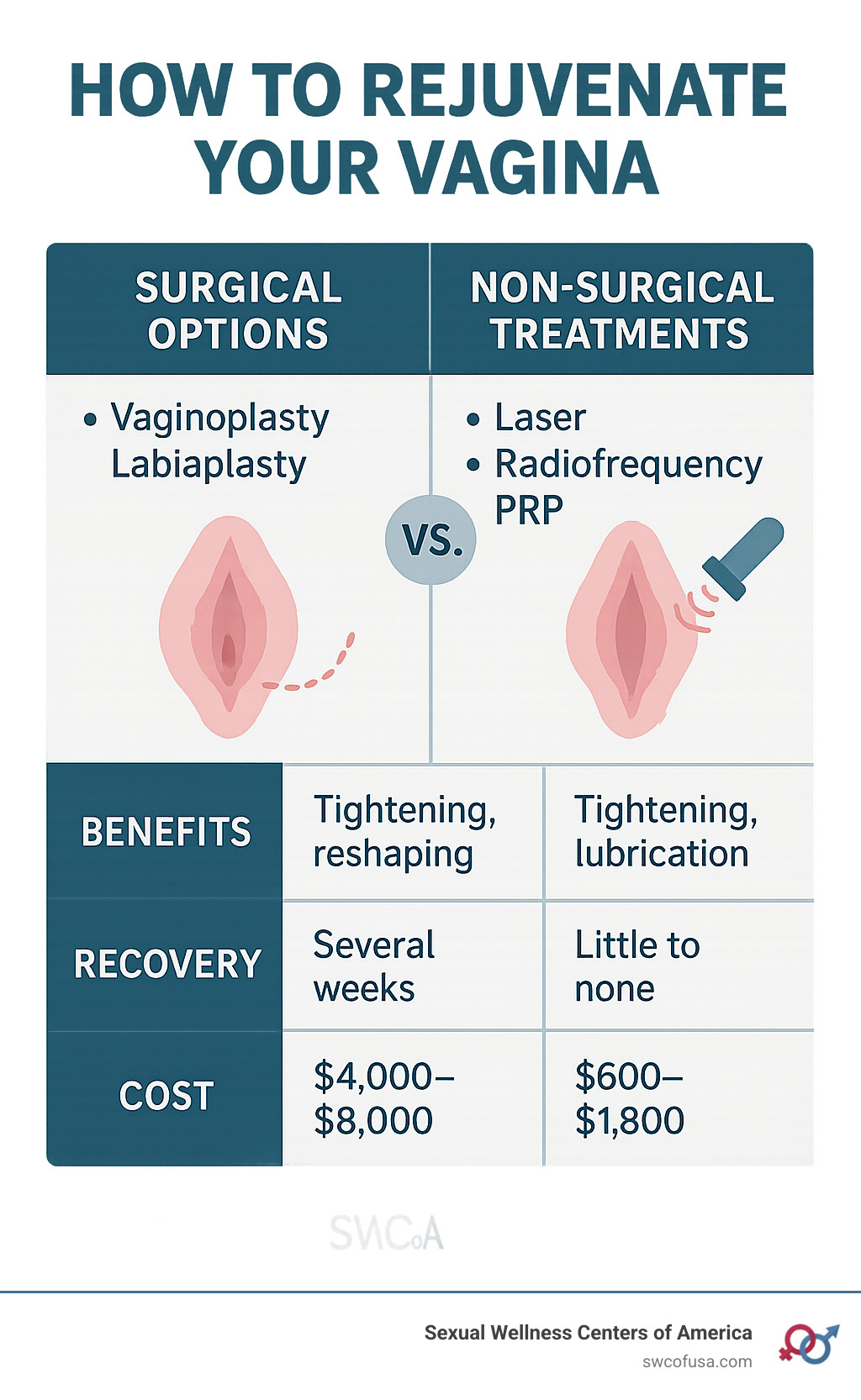
How to refresh your vagina involves several approaches depending on your specific concerns:
-
Non-surgical options:
- Kegel exercises for pelvic floor strengthening
- Radiofrequency treatments (ThermiVa)
- Laser therapy (MonaLisa Touch)
- PRP injections (O-Shot)
-
Surgical procedures:
- Vaginoplasty (tightening the vaginal canal)
- Labiaplasty (reshaping the labia)
- Perineoplasty (repairing the perineum)
-
At-home methods:
- Hormone-free moisturizers
- Proper hygiene with gentle products
- Avoiding tight synthetic underwear
Vaginal changes are a normal part of aging, childbirth, and hormonal shifts. Many women experience looseness, dryness, or decreased sensation that can affect both physical comfort and sexual satisfaction.
These changes aren’t just cosmetic concerns – they can impact quality of life through symptoms like urinary incontinence, painful intercourse, or reduced sexual pleasure.
The good news? Modern medicine offers multiple solutions ranging from simple lifestyle changes to advanced medical procedures.
I’m Jeff Nuziard, CEO of Sexual Wellness Centers of America, where I’ve helped countless women explore personalized how to refresh your vagina solutions that restore confidence and improve intimate wellness without judgment or embarrassment.
Explore more about how to refresh your vagina:
How to Refresh Your Vagina: Key Reasons & Candidacy
First, let’s clear up a common misconception: when most people talk about “vaginal rejuvenation,” they’re often referring to treatments that address both the vagina (the internal canal) and the vulva (the external genital structures including the labia, clitoris, and vaginal opening). Understanding this distinction helps you better communicate your specific concerns to healthcare providers.
Women explore how to refresh your vagina for many deeply personal reasons. Some are looking to address functional concerns that affect daily life, while others want to feel more confident about their appearance. The beauty of modern vaginal rejuvenation is that it can address both.
After childbirth or with the natural aging process, many women notice changes like pelvic floor laxity – that feeling that things just aren’t as tight as they once were. This can lead to frustrating issues like urinary incontinence (that unwelcome leak when you laugh or sneeze) or decreased sensation during intimacy.
For women going through menopause, vaginal dryness often becomes an uncomfortable daily companion. This isn’t just about sex – it can make even sitting uncomfortable. And speaking of intimacy, many women seek treatment because they’ve experienced a noticeable drop in sexual satisfaction that affects their relationships and self-image.
“By now, many women have heard about vaginal rejuvenation, but what they may not know is that these procedures can address both cosmetic and functional concerns,” notes Dr. Brady of Women’s Wellness Institute. “Most of my patients report an 83-90% improvement in their sexual satisfaction following treatment.”
The reasons we seek help are deeply personal, but they generally fall into these categories:
| Functional Goals | Cosmetic Goals |
|---|---|
| Reduce urinary incontinence | Improve external appearance |
| Increase vaginal tightness | Address asymmetry |
| Alleviate painful intercourse | Reduce excess tissue |
| Improve sexual sensation | Restore youthful look |
| Improve pelvic support | Increase confidence |
What symptoms signal you might need help?
Your body has its own way of telling you when something isn’t quite right. If you’re wondering whether vaginal rejuvenation might be helpful, pay attention to these signals.
When it comes to vaginal laxity, you might notice decreased sensation during intimacy or a feeling of looseness. Some women find that tampons slip out or are difficult to keep in place. You might also see visible changes in your vaginal opening.
Vaginal dryness often announces itself with burning or itching sensations that can make everyday activities uncomfortable. If you find yourself needing lubricants for intercourse or experiencing more frequent infections, your body is trying to tell you something.
Intimacy should never be painful. If you experience discomfort at entry, deep pain during thrusting, or a burning sensation afterward, these are important signs to address. Many women start avoiding intimacy altogether because of anticipated pain – a situation that can be resolved with proper treatment.
Urinary symptoms like leaking when you laugh, cough, or exercise can significantly impact your quality of life. If you find yourself planning outings around bathroom access or waking up multiple times at night to urinate, these are signs worth discussing with a specialist.
As one patient shared, “I used to avoid laughing in public because I was afraid I’d leak. After my treatment at Sexual Wellness Centers of America, I can finally enjoy social situations without that constant worry.”
More info about common signs of vaginal laxity
Who should avoid procedures?
While vaginal rejuvenation can be transformative, it’s not right for everyone at every life stage. Safety comes first, which means certain conditions might make you an unsuitable candidate – at least temporarily.
Pregnancy is an absolute no-go for these procedures. Your body is already doing incredible work, and any elective procedure should wait until after delivery – typically at least 6 months postpartum to allow for natural healing.
If you have active infections – whether vaginal, urinary, or sexually transmitted – these need to be resolved before any treatment. Similarly, uncontrolled diabetes can complicate healing and should be managed first.
Women with certain cancers, especially those affecting the reproductive system, should consult with both their oncologist and gynecologist before considering these procedures. Those with blood clotting disorders face higher surgical risks and need careful evaluation.
Perhaps most importantly, realistic expectations matter. The best candidates understand what these procedures can and cannot accomplish. No medical intervention can provide “perfect” genitalia – our bodies are naturally diverse.
If you’re planning future pregnancies, you might want to consider timing. While non-surgical options can be repeated as needed, surgical results may be affected by subsequent vaginal deliveries.
Dr. Divyatha Jayaram advises, “Allow your body adequate time to heal after childbirth before considering vaginal rejuvenation. I typically recommend waiting at least six months, and if you’re planning more children, you might want to delay surgical interventions until your family is complete.”
Surgical Vaginal Rejuvenation Procedures
Surgical approaches to vaginal rejuvenation can deliver some of the most dramatic and long-lasting results. If you’re considering how to refresh your vagina through surgery, know that these procedures are typically performed by specialists with extensive training—gynecologists, urogynecologists, or plastic surgeons who focus on intimate wellness.
Labiaplasty basics
Labiaplasty is all about reshaping the labia minora (your inner vaginal lips) and sometimes the labia majora (outer lips) as well.
“I was hesitant at first,” shares Maria, a recent patient. “But the physical discomfort from my elongated labia was affecting everything from wearing yoga pants to riding my bike.”
This procedure is perfect if you’re experiencing:
Physical discomfort during activities like cycling or wearing tight clothing, self-consciousness about your labia’s appearance, or pain during intimacy related to excess labial tissue.
During the procedure, your surgeon carefully trims extra tissue and sculpts what remains to create a more symmetrical, comfortable appearance. The goal isn’t creating some “perfect” cookie-cutter look—it’s addressing your specific concerns while preserving sensation and celebrating your natural uniqueness.
Most labiaplasty procedures take 1-2 hours and can be done under local anesthesia with sedation or general anesthesia, depending on what makes you most comfortable and what your surgeon recommends.
Vaginoplasty details
Vaginoplasty addresses what’s happening inside—specifically the vaginal canal and surrounding muscles that may have become lax after childbirth or with age.
This surgery works by tightening the vaginal canal through removing excess lining, strengthening surrounding muscles with careful plication (a fancy term for folding and stitching), and repairing stretched tissues to restore pre-childbirth tightness. Many women also choose to include perineum repair as part of their procedure.
Your surgeon makes precise incisions in your vaginal lining, removes extra tissue where needed, and then tightens the underlying muscles before closing with dissolvable stitches. The end result? A tighter vaginal canal that can significantly improve sensation during intimacy.
Most vaginoplasty procedures take 1-2 hours under general anesthesia. Afterward, you’ll need to abstain from intercourse for 6-8 weeks to allow proper healing—something many women say is well worth the wait.
Beyond these common procedures, you might also consider:
Clitoral hood reduction to improve sensation by removing excess tissue, perineoplasty to repair and tighten the area between your vagina and anus, vulvoplasty for comprehensive external rejuvenation, or monsplasty to reduce and lift the fatty area above your pubic bone.
Risks & complications to weigh
Being fully informed means understanding potential downsides. Surgical vaginal rejuvenation, like any surgery, comes with risks that deserve careful consideration:
Bleeding can occur during or after your procedure. Infection remains possible despite sterile techniques. Scarring might be visible or cause tightness in some cases.
Some women experience altered sensation—which could mean decreased or simply different sensitivity. Dyspareunia (painful intercourse) can develop after surgery. Asymmetry sometimes occurs, potentially requiring revision. And there’s always the risk of dissatisfaction if results don’t align with expectations.
“The decision to have surgery should never be taken lightly,” says Dr. Nuziard from Sexual Wellness Centers of America. “While most of our patients report significantly improved satisfaction, we make sure they understand all potential outcomes before proceeding.”
Recovery typically involves:
- Taking 1-2 weeks away from work
- Abstaining from intercourse for 6-8 weeks
- Attending regular follow-ups
- Practicing meticulous hygiene
- Temporarily modifying your diet to prevent constipation
Understanding these realities helps you make an informed choice about how to refresh your vagina through surgical means—weighing the significant benefits against potential risks.
Scientific research on surgical outcomes
Non-Surgical & Minimally Invasive Treatments
For women seeking rejuvenation without the downtime and risks of surgery, there are several effective non-surgical and minimally invasive options available. These treatments have become increasingly popular because they’re convenient, cause minimal discomfort, and let you get back to your life quickly.
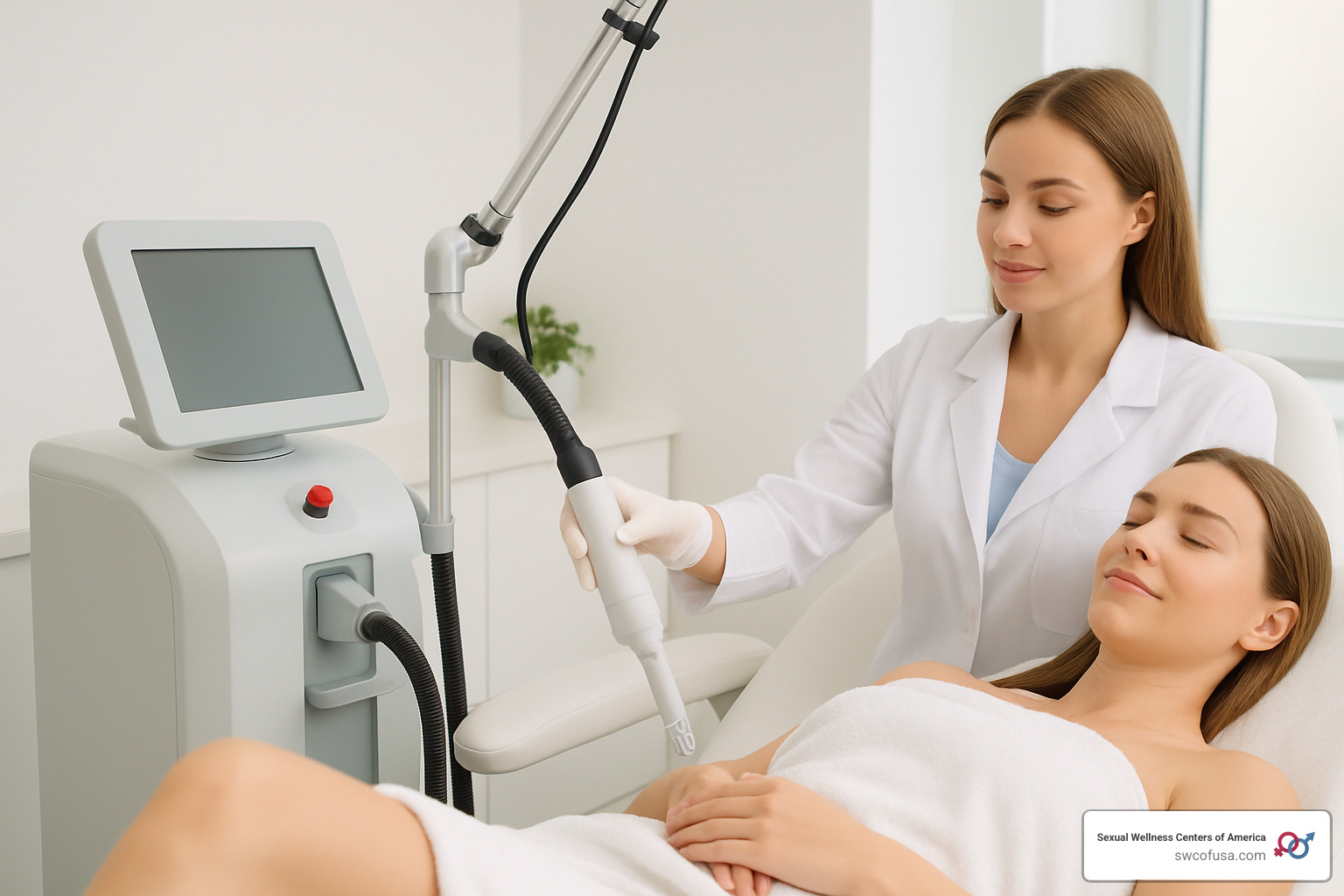
How to refresh your vagina without surgery
Think of non-surgical treatments as ways to wake up your body’s natural healing powers. Each works a bit differently, but they all aim to revitalize tissue without a single scalpel in sight.
When it comes to laser treatments, devices like MonaLisa Touch® use CO2 laser technology to create tiny, controlled micro-injuries in vaginal tissue. It might sound intimidating, but these microscopic injuries actually trigger your body to produce fresh collagen and improve blood flow to the area. Most women need three initial treatments about six weeks apart, with yearly touch-ups to maintain results.
“After my second MonaLisa Touch treatment, I noticed significantly less dryness,” one patient told me. “By the third session, intercourse was comfortable again for the first time in years.”
Radiofrequency treatments like ThermiVa® work differently. They deliver gentle heat through controlled radiofrequency energy, which stimulates collagen remodeling in both internal and external tissues. The procedure takes about 30 minutes using a small handpiece, and the best part? You can go right back to your normal activities afterward. Most women need three treatments a month or so apart, with results lasting about 9-12 months.
Have you heard about the electromagnetic chair called Emsella? This unique treatment lets you sit fully clothed while the chair delivers thousands of pelvic floor muscle contractions—like doing 11,000 Kegels in 30 minutes! It’s particularly helpful for stress urinary incontinence (that annoying leaking when you laugh or sneeze). Six sessions typically does the trick, with improvements continuing for weeks after treatment.
For women looking for more targeted treatments, injectable options can be life-changing. Hyaluronic acid fillers can restore fullness to the labia majora, while PRP (Platelet-Rich Plasma) treatments—often called the “O-Shot®”—use your own blood components to refresh tissue. The O-Shot can improve sensitivity, natural lubrication, and even mild urinary incontinence, with results lasting 1-2 years.
It’s worth noting that in 2018, the FDA issued a warning about energy-based devices for vaginal rejuvenation, citing concerns about potential side effects. However, many physicians continue to report positive outcomes when these devices are used appropriately by qualified providers. This is why choosing an experienced specialist is so important.
Comparing popular device options
When exploring your options for how to refresh your vagina, understanding the differences between technologies can help you make the right choice for your specific needs.
CO2 laser treatments like MonaLisa Touch and FemTouch are quick—just 5-10 minutes per session—and particularly effective for vaginal dryness and mild laxity. You’ll typically need three initial treatments with yearly maintenance.
Radiofrequency devices such as ThermiVa and Viveve take a bit longer (30-45 minutes) but can address both internal and external tissues. Like laser treatments, they usually require three initial sessions, but you’ll need maintenance every 9-12 months.
The Emsella electromagnetic chair requires six 30-minute sessions and works wonders for urinary incontinence by strengthening your pelvic floor muscles. Results typically last 6-12 months before a touch-up is needed.
PRP/O-Shot treatments take 30-60 minutes and are usually done as a single procedure with results lasting 1-2 years. They’re particularly good for improving sensitivity and addressing mild incontinence.
“The ideal treatment depends on your specific concerns,” explains one specialist I work with. “For example, if dryness is your primary issue, laser therapy might be most appropriate. If you’re dealing with both internal and external laxity, radiofrequency might be the better choice.”
The beauty of non-surgical treatments is that they offer several advantages: minimal recovery time, little to no pain during treatment, quick procedures (usually under an hour), natural-looking results, and a lower upfront cost than surgery (though multiple treatments may be needed over time).
Scientific research on energy-based devices
At-Home & Lifestyle Strategies to Support Vaginal Health
While medical treatments can provide significant improvements, incorporating healthy habits and at-home practices is essential for maintaining vaginal health and enhancing the results of professional treatments.
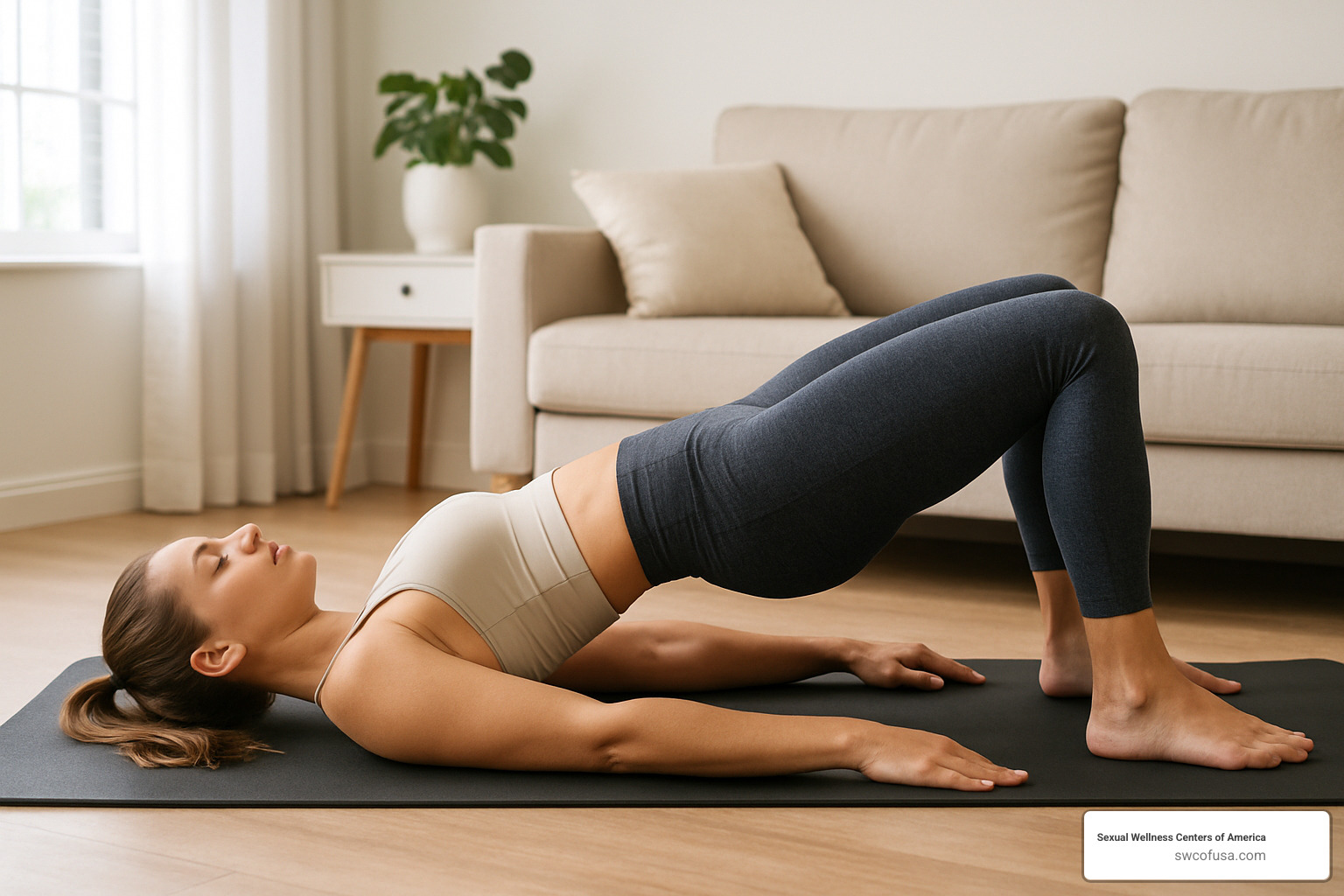
Pelvic floor exercises that really work
Let’s talk about one of the most powerful tools in your vaginal wellness toolkit: your own muscles. Strengthening your pelvic floor isn’t just something to do after childbirth—it’s a lifelong practice that can dramatically improve vaginal tone and function.
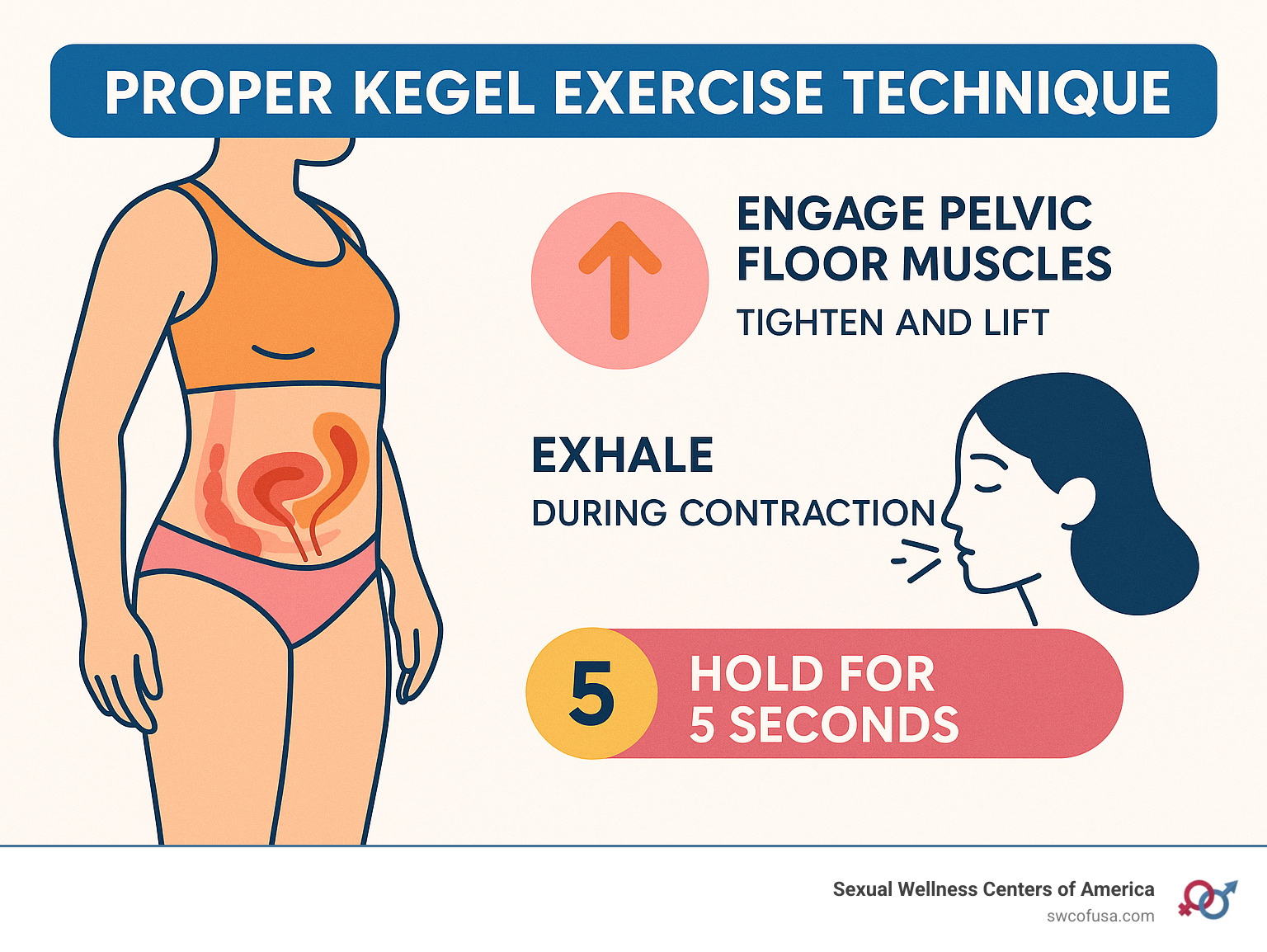
Kegel exercises remain the gold standard for a reason. When done correctly, they target exactly the muscles that matter most. Think of them as your vagina’s personal gym workout!
“The key to effective Kegels is proper technique,” explains one pelvic floor specialist I work with. “Many women contract their abdominal or buttock muscles instead of isolating the pelvic floor.”
To find these elusive muscles, try stopping your urine midstream next time you go to the bathroom. Feel that tightening sensation? Those are your pelvic floor muscles. (Just don’t make a habit of practicing during urination, as this can actually lead to bladder problems.)
For a proper Kegel routine, tighten these muscles, hold for 5 seconds, then relax for 5 seconds. Repeat 10 times, three times daily. As you get stronger, gradually increase your hold time to 10 seconds. Consistency is more important than intensity here!
Beyond Kegels, there are several other exercises that engage these important muscles. Squats (with proper form) work wonders for pelvic strength. The bridge pose from yoga engages pelvic muscles while supporting your back. The bird dog exercise improves core stability which directly supports pelvic function. And simple pelvic tilts gently activate those deep muscles that need attention.
For truly personalized guidance, consider working with a pelvic floor physical therapist. These specialists can assess your specific needs and design an exercise program just for you. Many women tell me this specialized attention was the turning point in their journey to how to refresh your vagina.
Beyond exercises, simple lifestyle habits make a tremendous difference in vaginal health. Wear breathable cotton underwear to reduce moisture and prevent infections. Skip the douching and harsh soaps that disrupt your natural pH balance. Stay hydrated—your vaginal tissues need moisture just like the rest of your body!
Your diet plays a surprising role in vaginal health too. Omega-3 fatty acids from salmon and walnuts, phytoestrogens from soy and flaxseeds, antioxidants from berries and greens, vitamin E from nuts and seeds, and probiotics from yogurt and fermented foods all contribute to vaginal wellness.
“What many women don’t realize is that vaginal health is connected to overall health,” notes one gynecologist I frequently collaborate with. “Regular exercise, proper nutrition, and stress management all contribute to vaginal wellness.”
Other lifestyle factors that impact vaginal health include smoking (which reduces blood flow to genital tissues), maintaining a healthy weight (to reduce pressure on pelvic organs), and using appropriate lubricants during intercourse to prevent micro-tears in delicate tissues.
How to refresh your vagina after menopause
Menopause brings unique challenges for vaginal health as estrogen levels decline. The good news? You have plenty of options to help your body adjust to this new normal.
Topical estrogen can be a game-changer for many women. Available as creams, rings, or tablets, these prescription options deliver low-dose estrogen directly to vaginal tissues. They help restore tissue thickness, elasticity, and natural lubrication with minimal systemic absorption compared to oral hormone therapy.
One patient told me, “I was skeptical about using hormones, but the localized estrogen cream made such a difference in my comfort that I wish I’d started sooner.”
Vaginal moisturizers work differently than lubricants. While lubricants are designed for use during intercourse, moisturizers provide ongoing hydration. Applied regularly (not just during intimate moments), they bind to vaginal walls and hold water in the tissues. They’re readily available over-the-counter and can be a simple first step in addressing dryness.
Your diet can help too! A phytoestrogen-rich diet includes foods with plant-based compounds that have mild estrogen-like effects. Soy products, flaxseeds, sesame seeds, and legumes may help alleviate mild menopausal symptoms when included as part of a balanced diet.
Don’t underestimate the power of strength training during this life phase. It maintains muscle mass which supports hormone balance, promotes bone density (which can decline with estrogen loss), and improves overall metabolism and body composition.
“For my menopausal patients, I recommend a combination approach,” says one specialist at Sexual Wellness Centers of America. “Regular use of a vaginal moisturizer, pelvic floor exercises, and sometimes local estrogen therapy can make a tremendous difference in comfort and sexual function.”
Some women find relief with herbal supplements like red clover (shown to reduce hot flashes in some studies), maca root (which may improve libido and mood), or evening primrose oil. However, these supplements aren’t regulated like medications and might interact with other treatments. Always chat with your healthcare provider before starting any supplement regimen.
Just as important as knowing what to do is knowing what to avoid. Those trendy yoni pearls and other insertable “detox” products? They lack scientific support and can actually disrupt your vaginal flora. Vaginal steaming carries real risks of burns with no proven benefits. And those harsh cleansers and feminine “hygiene” products loaded with fragrances and chemicals? They can do more harm than good.
Your vagina has its own cleaning system—trust it to do its job with minimal interference from trendy products!
More info about vaginal dryness signs
Weighing Benefits, Risks, Costs & Recovery
Making an informed decision about vaginal rejuvenation means balancing potential benefits against risks, costs, and recovery time. Like any health decision, it’s personal and deserves thoughtful consideration.

Benefits of Vaginal Rejuvenation
When women ask me about how to refresh your vagina, I always start with the potential benefits, which fall into two main categories.
On the functional side, many women experience reduced urinary incontinence after treatment. That means fewer embarrassing leaks when laughing, coughing, or exercising. Increased vaginal tightness and muscle tone can make everyday activities more comfortable, while improved lubrication addresses dryness that many women find distressing. For those who’ve experienced painful intercourse, the relief can be life-changing.
“Most of my patients report an 83% to 90% improvement in their sexual life after treatment,” shares one specialist I work with. “But equally important is how much better they feel in their daily lives—more comfortable in their own skin.”
The appearance benefits matter too. Many women feel more confident with a more youthful external appearance and improved symmetry. This isn’t about conforming to some arbitrary standard—it’s about feeling comfortable in your body.
The ripple effects into relationships can be profound. Better physical comfort often leads to increased sexual satisfaction for both partners, less anxiety about intimacy, and more spontaneous connection. One patient told me, “I didn’t realize how much I was holding back until after my treatment. Now I feel like myself again.”
Costs and Insurance Considerations
Let’s talk money—because these procedures represent a significant investment in your wellbeing.
Surgical options like vaginoplasty or labiaplasty typically range from $7,500-$15,000, depending on the extent of the procedure and your location. Non-surgical options are more affordable upfront but may require multiple sessions: laser treatments run about $1,000-$3,000 per session (usually three recommended), while radiofrequency treatments cost $800-$1,500 per session.
For those interested in the O-Shot or other PRP treatments, expect to invest $1,200-$2,500. If you’re exploring pelvic floor physical therapy—which I often recommend either alone or alongside other treatments—sessions typically cost $100-$300 each.
Here’s the challenging part: insurance rarely covers these procedures. Most companies consider vaginal rejuvenation cosmetic rather than medically necessary. There are exceptions—particularly for reconstructive needs following childbirth injuries or cancer treatments—but you’ll need to advocate for yourself with your insurance provider.
“I always encourage patients to call their insurance company directly,” explains Dr. Brady. “Sometimes coverage exists for documented urinary incontinence or severe prolapse, even if the procedure is initially denied.”
Recovery Expectations
Recovery varies dramatically between surgical and non-surgical approaches to how to refresh your vagina.
After surgical procedures, plan for 1-2 weeks away from work. You’ll need to abstain from intercourse, tampon use, and strenuous activity for about six weeks. Ice packs and prescribed pain medication will help manage initial discomfort, while swelling and bruising typically last 1-3 weeks. Complete healing takes patience—your body may continue subtle healing for 3-6 months.
The non-surgical recovery path is much gentler. Most women resume normal activities immediately after treatment, with just 24-48 hours of mild discomfort that many describe as a “sunburn” sensation. You’ll typically need to abstain from intercourse for just 3-5 days, and while you might notice temporary redness or swelling, it resolves quickly. The results develop gradually as your body responds with collagen production over several weeks.
One of my patients put it perfectly: “I had my radiofrequency treatment during my lunch break on Thursday and was dancing at my friend’s wedding that Saturday. I couldn’t believe how easy it was.”
Realistic Expectations
Being realistic about outcomes is crucial for satisfaction with any how to refresh your vagina approach.
Vaginal rejuvenation can significantly improve tightness and tone, improve external appearance, reduce mild to moderate urinary incontinence, increase natural lubrication, and improve sexual satisfaction. What it can’t do is guarantee specific sexual outcomes, permanently halt aging, replace comprehensive treatment for severe prolapse, resolve all sexual dysfunction (especially when psychological factors are involved), or provide permanent results without maintenance.
I always have an honest conversation with women about their specific goals. The happiest patients are those who understand both the possibilities and limitations of these procedures.
More info about vaginal rejuvenation treatments relieving painful sex
Frequently Asked Questions about Vaginal Rejuvenation
“How long do results last?” is probably the most common question I hear. Surgical results can last many years but may be affected by aging, hormonal changes, or future childbirth. Laser and radiofrequency results typically need annual maintenance treatments after the initial series. The O-Shot generally lasts 1-2 years. Regardless of which option you choose, regular pelvic floor exercises help maintain your results.
Women also ask about resuming sexual activity. After surgery, you’ll need to wait 6-8 weeks, but non-surgical options require just 3-5 days of abstinence (24-48 hours for PRP treatments). Always follow your provider’s specific instructions, as individual healing varies.
Regarding treatment frequency, surgical procedures typically require just one session unless a revision is needed. Laser and radiofrequency usually involve 3 initial sessions spaced 4-6 weeks apart, followed by annual maintenance. Electromagnetic treatments like Emsella work best with 6 sessions, while the O-Shot is typically a single treatment that may be repeated annually.
And yes, partners often notice the difference—especially after surgical procedures. The changes from non-surgical treatments may be more subtle but still meaningful. Open communication about expectations helps both partners steer this journey together.
Recovery Road Map
Think of recovery as a journey with clear milestones. Following surgical procedures, the first week focuses on rest, ice packs, pain management, and gentle sitz baths. During weeks 1-2, you can return to desk work while continuing gentle care. By weeks 2-4, light exercise becomes possible (though avoid high-impact activities). Weeks 4-6 bring a gradual increase in activity, and after week 6, most women can resume sexual activity if healing is complete.
Non-surgical recovery is much quicker: Day 1 might bring mild discomfort or redness, but by days 2-3, you’ll return to all normal activities except intercourse. By days 3-5, sexual activity can resume if comfortable, and the full benefits develop gradually over weeks 2-12 as collagen remodeling occurs.
Watch for red flag symptoms that require immediate medical attention: excessive bleeding or discharge, severe pain not managed by prescribed medications, signs of infection (fever, increasing pain, foul odor), separation of incision lines, or inability to urinate.
“Recovery is a process, not an event,” I remind all my patients. “Be patient with your body and follow post-procedure instructions carefully for the best outcome.”
At Sexual Wellness Centers of America, we guide women through every step of this journey, ensuring they have the support and information needed to make confident decisions about how to refresh your vagina safely and effectively.
More info about vaginal rejuvenation services
Conclusion
Starting on your how to refresh your vagina journey is as personal as it is empowering. Throughout this guide, we’ve explored the many paths available to women seeking to reclaim comfort, confidence, and pleasure in their intimate lives.
The changes our bodies experience—whether from childbirth, hormonal shifts, or simply the passage of time—are completely normal, yet they can significantly impact how we feel about ourselves and our relationships. The good news? You have options. So many options.
Think of vaginal rejuvenation as a spectrum of care, with simple self-care practices on one end and more advanced medical interventions on the other. Where you fall on this spectrum depends entirely on your unique needs, comfort level, and goals.
For many women, starting with the basics makes the most sense. Regular pelvic floor exercises, proper intimate hygiene, and healthy lifestyle habits can work wonders for maintaining vaginal health at any age. These approaches cost little to nothing but can deliver remarkable improvements in tone, moisture, and comfort.
When lifestyle changes aren’t quite enough, non-surgical treatments offer the next level of support. Radiofrequency sessions, laser therapy, or PRP injections can stimulate your body’s natural healing processes without significant downtime or risk. Many of my patients are amazed at how these lunch-break procedures gradually transform their intimate wellness over a few weeks.
For those with more significant concerns, surgical approaches remain the gold standard for dramatic, long-lasting results. While they require more recovery time and careful consideration, procedures like vaginoplasty and labiaplasty can address issues that might otherwise continue to affect your quality of life.
Whatever path you’re considering, remember to weigh all factors carefully—not just the potential benefits, but also the risks, costs, recovery time, and what results you can realistically expect. The most satisfied patients are invariably those who approach these decisions with clear, informed expectations.
Perhaps most importantly, partner with experienced professionals who make you feel comfortable, heard, and respected. Your provider’s expertise doesn’t just influence your physical results—it shapes your entire experience.
At Sexual Wellness Centers of America in Colleyville, TX, we’ve created a warm, judgment-free environment where women can openly discuss their concerns and explore personalized solutions. Our approach combines comprehensive hormone and vitamin panels with innovative treatments, including our proprietary SHEshot® technology. The result? An extraordinary 97.2% satisfaction rate among women who’ve trusted us with their intimate wellness.
This journey isn’t merely about physical changes—it’s about reclaiming a fundamental aspect of your wellbeing and identity. With the right information and support, you can make choices that improve your comfort, confidence, and satisfaction for years to come.
More info about vaginal rejuvenation services