
Understanding IM Muscle Injections: The Basics
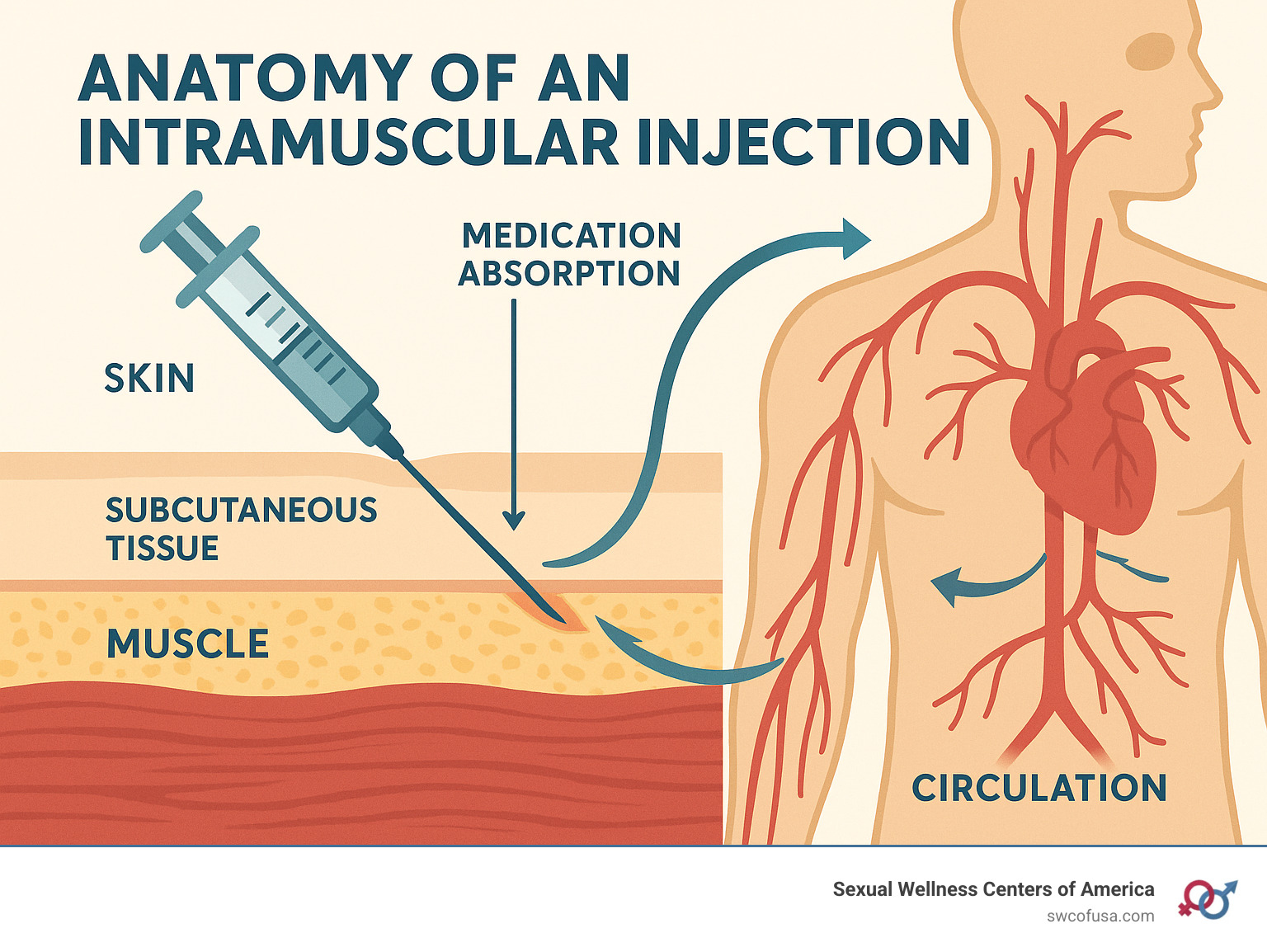
An im muscle injection is a medical procedure that delivers medication directly into muscle tissue using a sterile needle and syringe. This method allows drugs to absorb quickly into the bloodstream while bypassing the digestive system entirely.
Key Facts About IM Muscle Injections:
- Definition: Injection of medication into deep muscle tissue
- Absorption: Faster than oral medications due to rich blood supply in muscles
- Common uses: Vaccines, hormones, antibiotics, and emergency medications
- Volume: Typically limited to 2-5 milliliters depending on injection site
- Angle: Administered at 90 degrees to ensure proper muscle penetration
IM injections matter because they offer rapid medication delivery when oral routes aren’t suitable or effective. The muscle’s extensive blood vessel network means faster absorption compared to subcutaneous injections, while avoiding the breakdown that occurs in the digestive tract.
Understanding proper technique is crucial – research shows that true intramuscular injections are achieved in only 32-52% of cases, highlighting the importance of correct administration.
I’m Jeff Nuziard, CEO of Sexual Wellness Centers of America. I’ve spent years helping patients understand safe medication delivery methods, including im muscle injection techniques for hormone therapy. Proper injection education is key to effective treatment and avoiding complications.
Why and When Are IM Injections Used?
Ever wonder why some medications need to be injected instead of just swallowed? The answer lies in the unique advantages that an im muscle injection offers over other delivery methods.
When medication is injected directly into muscle tissue, it enters a highway of blood vessels that quickly carry it throughout your body. This rapid absorption happens because muscles have an incredibly rich blood supply – think of it as having express lanes straight to your bloodstream.
A key benefit is bypassing first-pass metabolism. When you swallow a pill, the digestive system and liver break down much of the drug. An im muscle injection avoids this, ensuring more of the medication reaches its target.
Muscles can also handle larger volumes of medication compared to under-the-skin injections. Depending on the site, we can safely inject 2-5 milliliters, which is perfect for medications that need higher doses or depot formulations that release slowly over time.
Of course, it’s not all smooth sailing. Pain and discomfort are real concerns – nobody jumps for joy at the sight of a needle. Many people experience anxiety about injections, which can sometimes lead to avoiding necessary treatments. There’s also the skill requirement – unlike taking a pill, proper injection technique requires training to ensure safety and effectiveness.
Here’s how different medication routes compare:
| Route | Absorption Speed | Volume Capacity | Bypasses Digestion | Skill Needed | Patient Convenience |
|---|---|---|---|---|---|
| Intramuscular | Rapid | Medium-Large | Yes | High | Moderate |
| Under-the-skin | Moderate | Small | Yes | Medium | High |
| Intravenous | Immediate | Large | Yes | High | Low |
| Oral | Variable | N/A | No | Low | Very High |
Athletes often find im muscle injection particularly beneficial for performance and recovery support. More info about IM Injections for Athletes.
Common Uses for Intramuscular Injections
The variety of medications delivered through im muscle injection might surprise you. Vaccines are probably the most familiar – from your annual flu shot to childhood immunizations, the muscle route ensures your immune system gets the message loud and clear.
Antibiotics often work better when delivered intramuscularly, especially long-acting formulations or when treating serious infections. Hormonal agents like testosterone and medroxyprogesterone are commonly given this way too. At Sexual Wellness Centers of America, we frequently use this method for hormone optimization treatments, including our HEshot®™ and SHEshot®™ procedures with regenMAX® technology.
In emergency medicine, speed matters. Medications like epinephrine for severe allergic reactions need to work fast, making the IM route a lifesaver – literally.
Key Considerations for Different Age Groups
Age makes a huge difference when it comes to im muscle injection technique. What works for adults definitely doesn’t work for babies.
Infants and children require special care. The outer thigh muscle (vastus lateralis) is preferred because it’s well-developed. Needle lengths are shorter (often 1 inch or less) to ensure the injection reaches the muscle without going too deep. Keeping kids calm is crucial. Distraction techniques, numbing devices, or even sweet-tasting solutions can help minimize the trauma. As children grow into their teens, the shoulder muscle becomes an option for smaller medication volumes. The American Academy of Pediatrics provides detailed guidance on safe pediatric injection practices.
Adults have more options. The shoulder, thigh, and hip muscles are all fair game, with needle lengths typically ranging from 1 to 1.5 inches. The choice depends on muscle mass, medication thickness, and the specific injection site. People with more body fat might need longer needles to ensure the medication actually reaches the muscle instead of staying in the fat layer.
Elderly patients require gentle handling. Age-related muscle loss and thinner skin mean we might need shorter needles and extra care during assessment. The key is evaluating each person’s muscle mass and skin condition to prevent complications while ensuring effective medication delivery.
Common IM Injection Sites & How to Locate Them
Think of choosing the perfect spot for an im muscle injection like picking the ideal location for a house – you want good access, solid foundation, and safe surroundings! The key is understanding anatomical landmarks so you can avoid nerves, blood vessels, and bones while ensuring your medication lands exactly where it needs to go.
Here’s something important to remember: if you’re getting regular injections, rotating sites is absolutely essential. Just like you wouldn’t want to dig holes in the same spot in your yard over and over, using the same injection site repeatedly can cause tissue damage, persistent soreness, and scar tissue that actually blocks medication absorption.
Always avoid areas that look angry – places with swelling, hardness, irritation, bruising, or existing scars are off-limits. Your muscle tissue needs to be healthy and happy to do its job properly. For comprehensive guidance on safe IM practices, The Australian Immunisation Handbook for IM immunisation information offers excellent resources.
The Deltoid Muscle (Upper Arm)
The deltoid is like the popular kid in school – everyone knows it, and it gets chosen a lot, especially for vaccines. It’s right there on your upper arm, easily accessible, and well-developed in most adults.
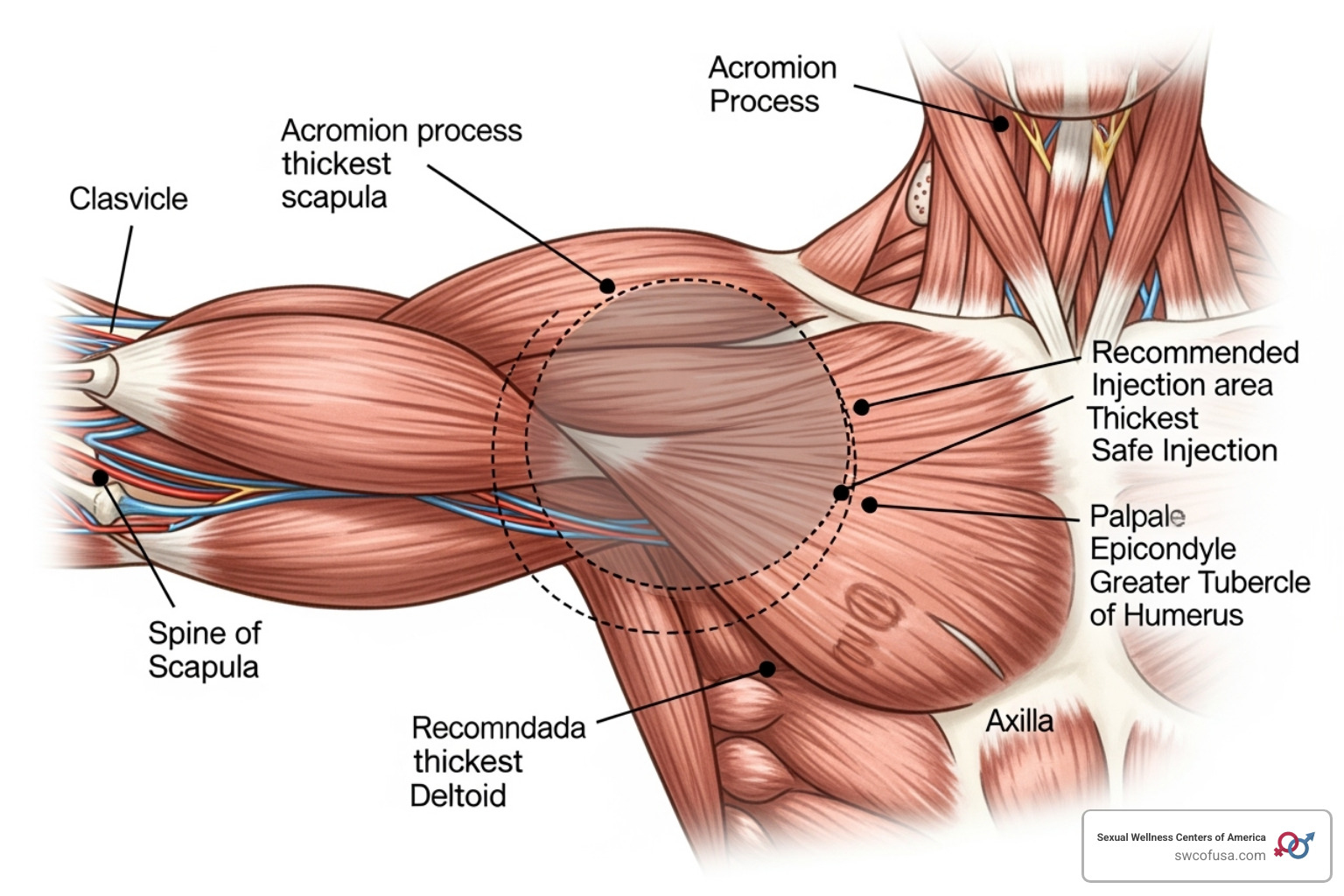
To find the injection site, locate the acromion process (the bony bump at the top of your shoulder). The injection spot is in the center of the deltoid muscle, 1 to 2 inches below the acromion process, forming an inverted triangle with the bone as its base. This spot works beautifully for smaller volumes – typically no more than 1-2 mL maximum. It’s the go-to choice for most vaccines because it’s convenient and generally comfortable.
The Vastus Lateralis Muscle (Thigh)
This outer thigh muscle is the champion choice for babies and toddlers because it’s large, well-developed, and far from major nerves. Adults love it too, especially for self-injection, because you can see what you’re doing and reach it easily.
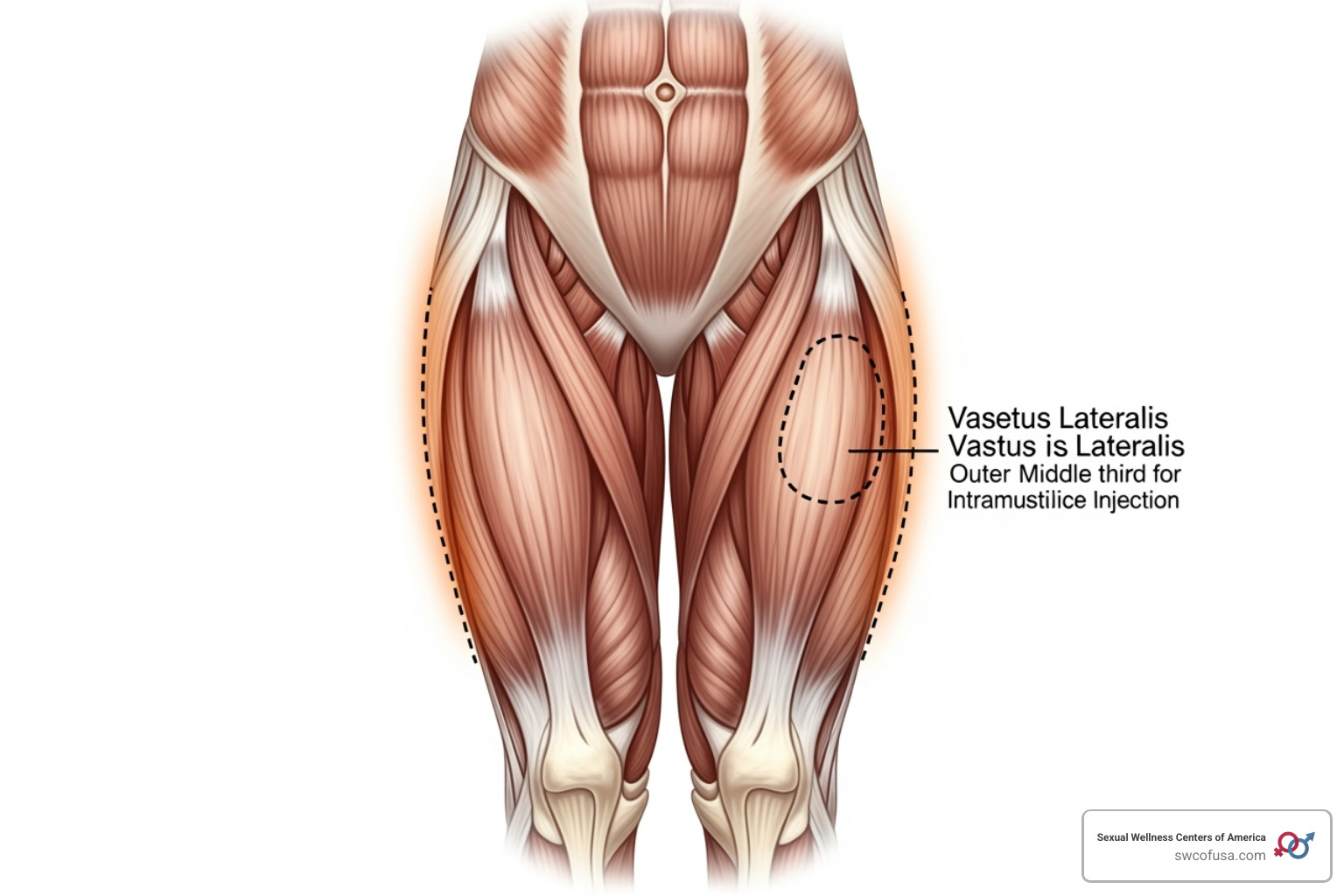
Here’s the simple way to find it: imagine dividing your thigh into three equal horizontal sections. You want the outer middle third – that’s your target zone. Place one hand above your knee and another below your groin, then aim for the outer part of your thigh between those two hands.
This muscle is a real workhorse and can handle larger volumes than the deltoid – up to 3 mL in children and 5 mL in adults. That makes it perfect for medications that need more space or for people who require larger doses.
Want to dive deeper into this specific site? We’ve got you covered with detailed information. More info about an IM Shot in Thigh.
The Gluteal Muscles (Hip and Buttocks)
The gluteal region offers two options, but they’re definitely not created equal in terms of safety and convenience.
The ventrogluteal site is the gold standard – it’s widely considered the safest and most reliable spot for adults and children over 7 months. This site stays far away from major nerves and blood vessels (especially that troublesome sciatic nerve), and the muscle mass is consistent and predictable.
To locate the ventrogluteal site, place your palm on the greater trochanter (bony hip prominence) with fingers pointing toward the head. Form a “V” with your index finger on the anterior superior iliac spine and your middle finger along the iliac crest. The injection site is in the center of this “V”.
The dorsogluteal site – the classic “upper outer quadrant of the buttock” – used to be popular, but we now know it carries significant risks. The sciatic nerve and major blood vessels run dangerously close to this area, and even experienced healthcare providers can miss the mark. We strongly recommend avoiding this site whenever possible.
Understanding these important muscles is crucial for safe injection practices. More info about Gluteus Maximus IM Injection Site provides additional insights. For comprehensive information about gluteal injections, check out our detailed guide: More info about IM Injection Gluteal Muscle.
How to Safely Administer an IM Muscle Injection
Giving an im muscle injection can feel intimidating, but with proper technique, it becomes second nature. The key is preparation, patience, and a systematic approach that prioritizes safety.
Aseptic technique is our foundation here – it’s just a fancy way of saying “keep everything clean to prevent infection.” This means washing your hands thoroughly, using sterile equipment, and treating the injection site with care. Patient positioning matters too, because a relaxed muscle makes for a more comfortable injection experience.
The Z-track method is a valuable technique where you pull the skin to one side before injecting. After the injection, releasing the skin creates a zigzag path that seals the medication in the muscle, preventing leakage. For comprehensive guidance on proper injection techniques, this resource provides excellent care instructions: How to Give an Intramuscular Shot: Care Instructions.
Supplies and Preparation
Getting organized before you start is like setting up your kitchen before cooking a big meal – it makes everything flow so much smoother! Having all your supplies ready and within reach eliminates last-minute scrambling and helps maintain that sterile environment we need.
Your essential supplies include: a medication vial or ampule (always double-check the name, dose, and expiration date), a syringe typically holding 1-3 mL, a drawing-up needle (18g) for efficiently pulling medication from the vial, an injecting needle (22-25g) for the actual shot, alcohol swabs for cleaning, gauze for post-injection care, a bandage for protection, and most importantly, a sharps container for safe disposal.
Here’s why we use two different needles: the larger drawing-up needle makes it easier to pull thick medications from vials, while the smaller injecting needle is more comfortable for the patient. Plus, switching needles after drawing up medication prevents any medication from leaking during the injection and ensures you’re getting the full dose where it needs to go.
Preparation starts with thorough hand washing – soap and water for at least 20 seconds, or a good alcohol-based sanitizer if soap isn’t available. Next, clean the medication vial top with an alcohol swab and let it air dry completely.
Attach your drawing-up needle and pull air into the syringe equal to your medication dose. Inject this air into the vial first – this little trick equalizes pressure and makes drawing up the medication much easier. Turn the vial upside down and slowly withdraw your dose, watching for air bubbles. A gentle flick of the syringe brings bubbles to the top, where you can push them out with a slight press of the plunger.
Finally, switch to your sterile injecting needle. This step is crucial for both comfort and proper sterile technique.
Step-by-Step Injection Process
Now comes the main event! Take a deep breath and remember – confidence and steady hands make all the difference. Your patient (or you, if self-injecting) will pick up on your energy, so staying calm helps everyone feel more at ease.
Choose your injection site carefully and clean it thoroughly with a fresh alcohol swab, starting from the center and working outward in circles. Here’s a pro tip: let that alcohol dry completely! Injecting into wet alcohol creates an uncomfortable stinging sensation that’s easily avoided.
Patient positioning is key – whether it’s the deltoid, vastus lateralis, or ventrogluteal site, make sure the person is comfortable and the muscle is relaxed. A tense muscle hurts more and makes the injection more difficult.
For the Z-track method, gently pull the skin and tissue to one side with your non-dominant hand and hold it there. This technique is especially helpful for oily medications or when you want to prevent any medication from leaking back out.
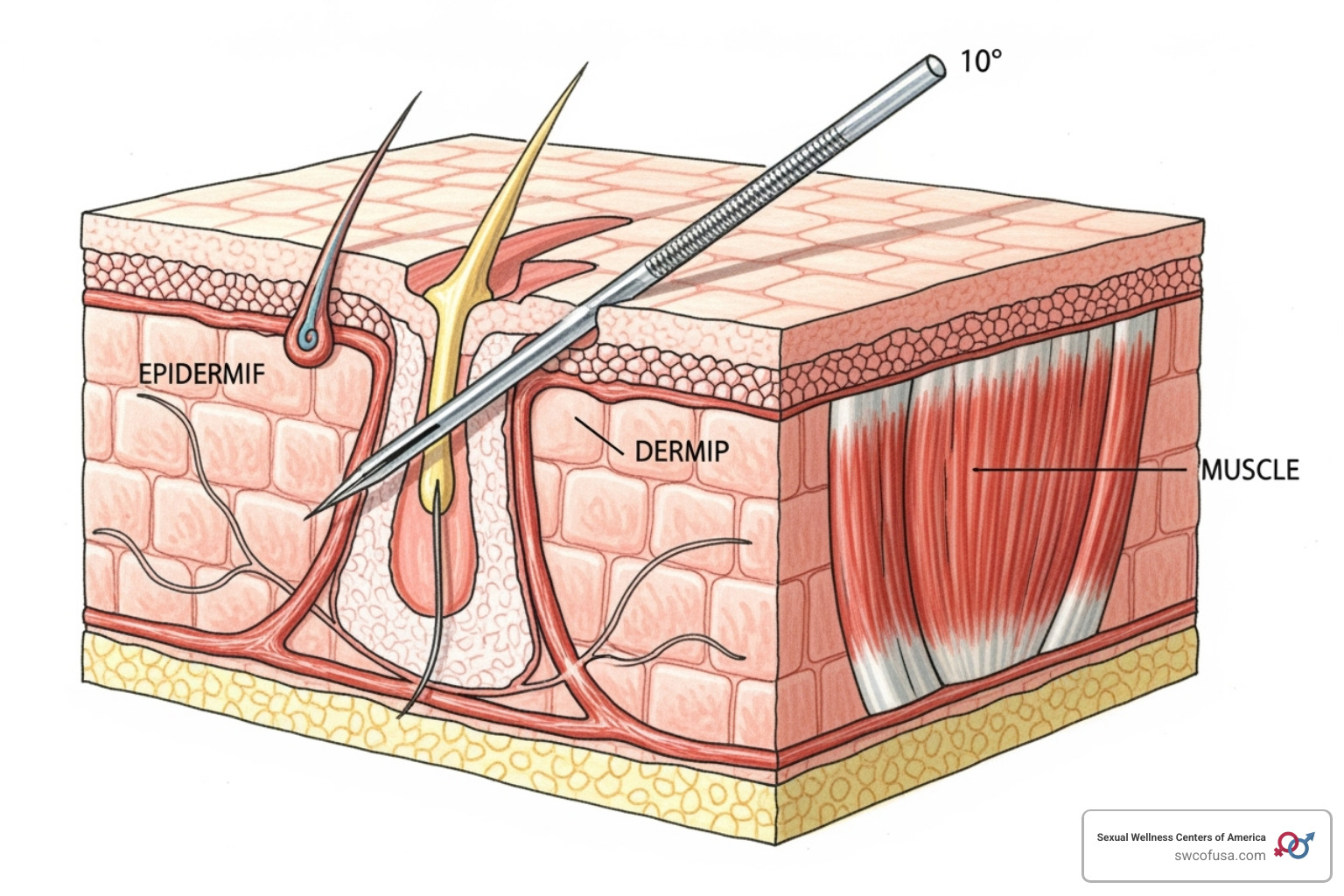
Insert the needle with a quick, dart-like motion straight into the muscle at a 90-degree angle. Don’t hesitate here – a confident, swift insertion actually causes less discomfort than a slow, tentative approach. Make sure the needle goes all the way in to reach the muscle tissue.
The old practice of aspiration (pulling back to check for blood) isn’t routinely recommended anymore by most health authorities, including the CDC. Research shows it doesn’t significantly improve safety for most injection sites and can actually cause more discomfort. However, some practitioners still use this technique for certain sites like the dorsogluteal area.
Inject the medication slowly and steadily – think about 10 seconds per milliliter. This gradual pace allows the muscle tissue to accommodate the medication without excessive pressure buildup. After injecting, wait about 10 seconds before withdrawing the needle. This brief pause lets the medication begin to disperse in the muscle.
Withdraw the needle smoothly at the same angle you inserted it. If you used the Z-track method, now’s when you release the skin. Immediately apply gentle pressure with clean gauze until any bleeding stops. Avoid vigorous rubbing, which can cause unnecessary bruising.
Techniques to Minimize Discomfort
Nobody enjoys getting shots, but there are plenty of ways to make the experience more tolerable. Think of these techniques as your comfort toolkit – different approaches work better for different people, so don’t be afraid to try various combinations.
Numbing the area with topical cream or ice for a few minutes before cleaning can significantly reduce sensation. Just remember to clean the area again after removing ice. Allowing alcohol to dry completely prevents that sharp stinging sensation when the needle goes in.
Muscle relaxation makes a huge difference in comfort levels. Encourage deep, slow breathing and consciously relax the injection site. Tense muscles not only hurt more but can also make the injection more difficult to administer properly.
Distraction techniques work wonders, especially for anxious patients. Engaging conversation, music, counting exercises, or even specialized tools like vibrating devices can redirect attention away from the injection. For children, simple games or letting them hold a favorite toy can work miracles.
Warming cold medication between your hands for a few minutes before drawing it up can make the injection feel much more comfortable. Cold medication can cause cramping in the muscle tissue.
Slow injection speed cannot be overstated – rushing the medication in creates pressure and discomfort that’s completely avoidable. Think of it like slowly inflating a balloon rather than trying to blow it up all at once.
Research continues to explore effective pain reduction strategies during injections, with studies showing that proper technique combined with comfort measures can significantly improve the patient experience. Research on reducing pain during injections.
At Sexual Wellness Centers of America, we understand that receiving treatments like hormone therapy through im muscle injection can feel overwhelming initially. That’s why we take time to educate our patients about proper technique and comfort measures, ensuring they feel confident whether receiving injections in our clinic or administering them at home as part of their personalized wellness plan.
Risks, Safety, and Aftercare
Let’s be honest – while im muscle injection is generally safe when done right, there are some things you should know about. Even with perfect technique, research shows that true intramuscular injections only hit their mark 32% to 52% of the time (and even lower at just 8% among females). This really highlights why proper guidance matters so much!
Most people experience only mild, temporary side effects that clear up within a few days. You might notice some localized soreness where the needle went in – think of it like the feeling after a good workout. Mild redness and swelling around the injection site is also completely normal, as is light bruising if a tiny blood vessel gets nicked during the process.
The good news? A simple cold compress right after your injection can work wonders for reducing any swelling or bruising.
Potential Risks of an IM Muscle Injection
While serious complications are rare, they can happen – especially when technique isn’t quite right or individual factors come into play. Let’s walk through what to watch for.
Nerve injury is probably the most concerning risk, particularly with certain injection sites. The sciatic nerve is especially vulnerable with buttock injections, and hitting it can cause severe pain, numbness, or even temporary paralysis (like foot drop). The deltoid area also has nerve risks if landmarks aren’t identified correctly. During a large vaccination campaign in Pakistan, injection-related nerve problems occurred in about 7 out of every million injections.
Infection becomes a real concern when proper sterile technique gets skipped. Bacteria can sneak into the muscle tissue, leading to cellulitis (skin infection) or even an abscess (a pocket of pus). Left untreated, these infections can become serious enough to require surgical drainage or spread throughout the body.
Bleeding or hematoma can occur when a larger blood vessel gets hit during injection. Research shows blood aspiration happens most often in buttock injections (15% of cases) and deltoid injections (12% of cases), showing just how easy it is to nick a vessel.
Don’t forget about allergic reactions to the medication itself. These can range from mild skin irritation all the way up to life-threatening anaphylaxis – though severe reactions are quite rare.
Tissue damage becomes more likely with repeated injections in the same spot or when injections go into scar tissue rather than healthy muscle. This can lead to poor medication absorption or even tissue death in extreme cases.
For those wanting to dive deeper into potential complications, this systematic review of IM injection complications provides comprehensive research findings.
When to Seek Medical Attention
Most im muscle injection reactions resolve on their own, but knowing when to call for help can make all the difference. Don’t hesitate to reach out to a healthcare provider if you notice any red flags.
Signs of infection are your first major concern. Watch for increasing pain, redness, swelling, warmth, or any drainage from the injection site. A high fever or feeling generally unwell can signal that an infection is spreading beyond the injection area.
Severe or worsening pain that radiates or gets worse instead of better over time needs attention. Normal injection soreness should gradually improve, not intensify.
Numbness, tingling, or weakness in the arm or leg where you received the injection could indicate nerve involvement. This is especially important to address quickly, as early treatment often leads to better outcomes.
Allergic reaction signs require immediate emergency care. We’re talking about hives, widespread rash, difficulty breathing, wheezing, or swelling of the face, lips, or throat. These symptoms can escalate quickly and need professional intervention right away.
Large or rapidly expanding bruises accompanied by significant swelling aren’t typical and warrant a professional look. Same goes for any persistent lump or hardness at the injection site that doesn’t resolve within a few days.
Safe Disposal of Needles and Syringes
Proper disposal isn’t just good practice – it’s absolutely critical for preventing accidental needlestick injuries and stopping the spread of infections. This step is just as important as the injection itself!
Always use a designated sharps container – those rigid, puncture-proof plastic containers you see in medical settings. They’re specifically designed to keep used needles secure and prevent accidents. If you don’t have access to a commercial sharps container, a heavy-duty plastic laundry detergent bottle or coffee can with a tight lid works as a temporary solution.
Here’s a crucial safety rule: never recap a used needle. Most needlestick injuries happen during recapping attempts. If you absolutely must recap for transport (say, to get to a sharps container), use the “scoop method” where you lay the cap on a flat surface and scoop the needle into it without using your hands.
Many communities offer disposal programs through local pharmacies, health departments, or waste management services. Never toss used sharps into regular household trash or recycling – this puts sanitation workers and others at serious risk.
At Sexual Wellness Centers of America, we take safety seriously in all our treatments, whether it’s im muscle injection for hormone therapy or our specialized procedures like HEshot®™ and SHEshot®™. Following proper disposal guidelines protects everyone involved and shows respect for the entire healthcare process.
Conclusion
Understanding im muscle injection techniques is about empowering yourself with knowledge that can make a real difference in your health journey. We’ve explored everything from why muscles are excellent delivery systems to the anatomical landmarks that keep injections safe and effective.
The statistics tell an important story: true intramuscular injections are achieved in only 32-52% of cases, which means proper technique really matters. Knowing what to expect gives you confidence and peace of mind.
At Sexual Wellness Centers of America, we see how proper injection techniques transform treatment outcomes. When we administer treatments like HEshot®™ and SHEshot®™ using our advanced regenMAX® technology, every detail matters. Our 97.2% efficacy rate in erectile dysfunction reversal is the result of combining cutting-edge treatments with meticulous attention to proper administration.
Safety should never be compromised for convenience. The key takeaways are simple but crucial: proper site selection prevents nerve damage, sterile technique prevents infections, and following professional guidance maximizes treatment benefits while minimizing risks.
Your wellness journey is uniquely yours. That’s why we create personalized treatment plans based on comprehensive hormone and vitamin panels.
Whether you’re considering hormone optimization therapy or simply want to understand more about safe injection practices, we’re here to support you with expert guidance and compassionate care. Learn more about our IM Injections services in Colleyville, TX.