
What is Obstructive Sleep Apnea?
OSA (Obstructive Sleep Apnea) is a common sleep disorder where the throat muscles repeatedly relax during sleep, blocking the airway and temporarily stopping breathing. Here’s what you need to know:
- Definition: A sleep-related breathing disorder characterized by repeated upper airway collapse during sleep
- Prevalence: Affects nearly 1 billion people globally, including 25-30% of men and 9-17% of women in the US
- Symptoms: Loud snoring, observed breathing pauses, gasping during sleep, daytime sleepiness, morning headaches
- Diagnosis: Sleep study (polysomnography) measuring the Apnea-Hypopnea Index (AHI)
- Severity: Mild (5-15 events/hour), Moderate (15-30 events/hour), Severe (>30 events/hour)
- Treatment: CPAP therapy, oral appliances, lifestyle changes, surgery in select cases
When you have OSA, your breathing can stop for 10 seconds to over a minute, sometimes hundreds of times each night. This disrupts your sleep cycle and reduces oxygen levels, triggering a cascade of health problems.
The disorder doesn’t just impact sleep – it affects nearly every system in your body. From cardiovascular issues to cognitive impairment, untreated OSA can significantly reduce quality of life and increase mortality risk. Most concerning is that an estimated 80-90% of people with OSA remain undiagnosed.
Many people first learn about their condition when a partner notices their loud snoring or frightening breathing pauses during sleep. Others seek help after experiencing persistent daytime fatigue despite what they believe is adequate sleep time.
I’m Jeff Nuziard, CEO of Sexual Wellness Centers of America, where we regularly help patients address OSA as part of our comprehensive approach to wellness, recognizing that sleep disorders like OSA often connect directly to sexual health concerns. Our integrated approach ensures that all aspects of health, including sleep quality, are addressed for optimal wellness outcomes.
OSA Essentials – Definition, Prevalence & Impact
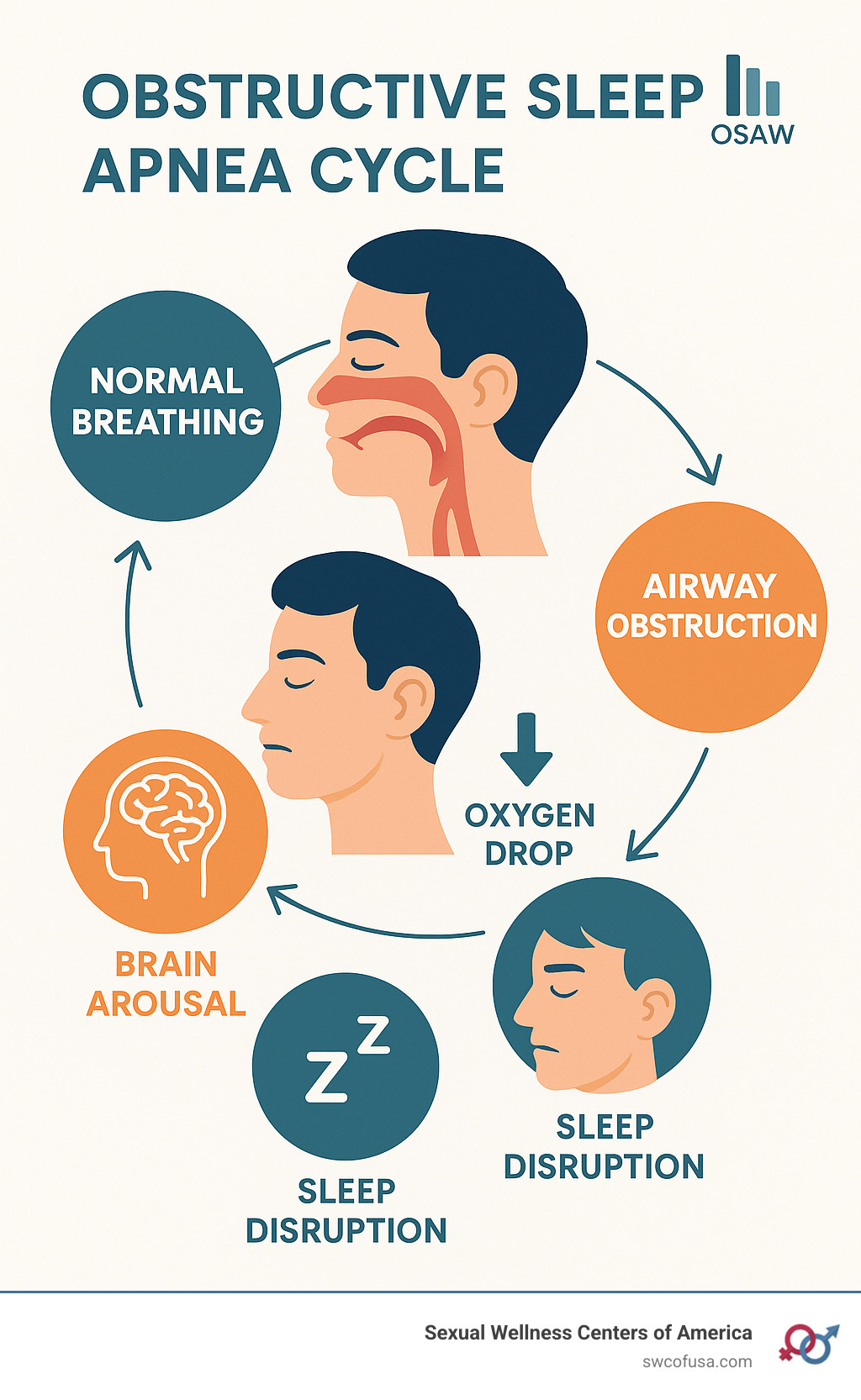
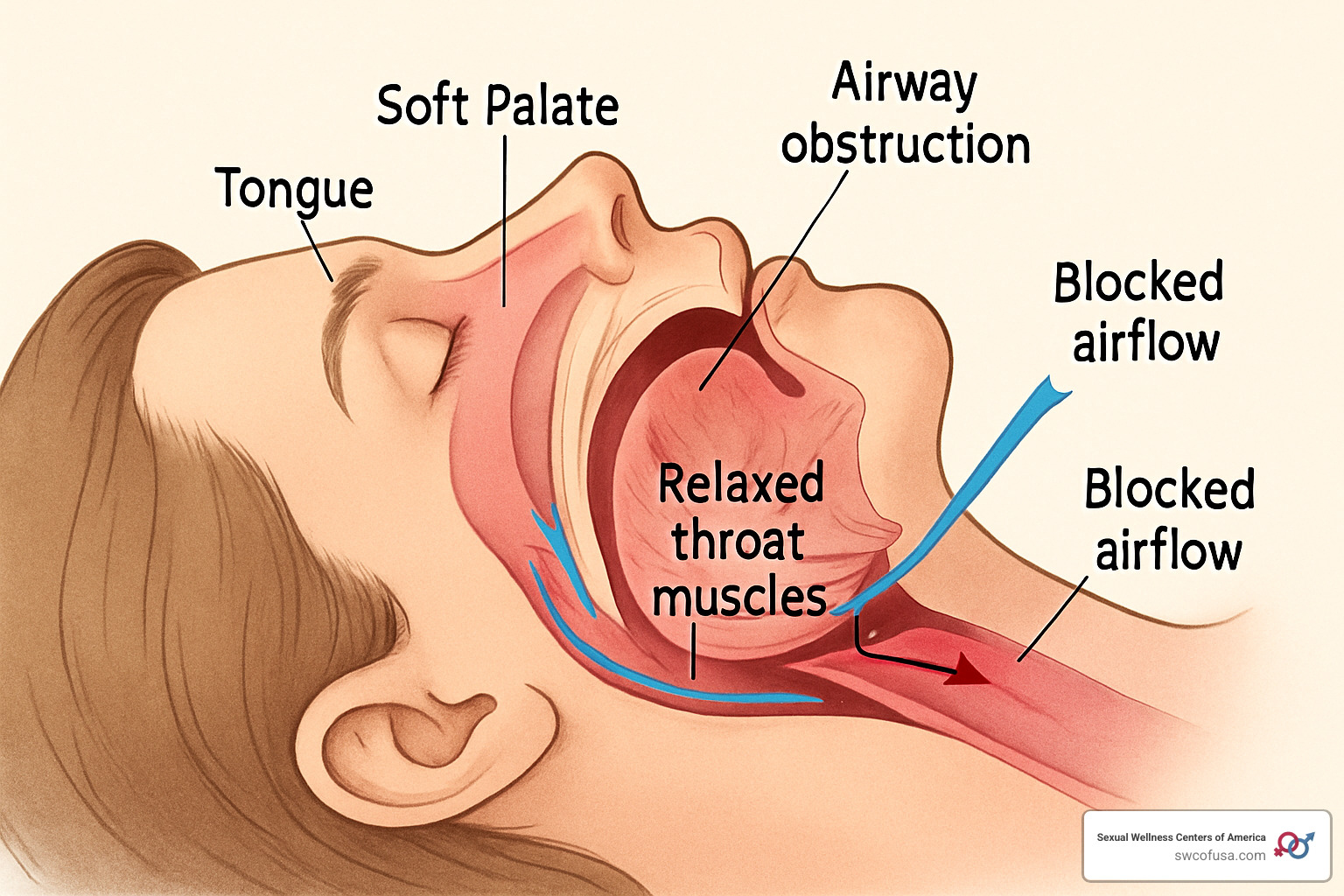
When you drift off to sleep, your throat muscles should relax just enough to keep breathing smooth and steady. But for those with OSA, these muscles relax too much, causing the upper airway to narrow or completely close. This creates a frightening cycle – breathing stops for seconds or even a full minute, oxygen levels drop, and your brain sends an urgent wake-up signal to restart breathing. Though you might not fully wake up, this disruption can happen hundreds of times each night.
Doctors measure OSA severity using the Apnea-Hypopnea Index (AHI), which counts breathing pauses (apneas) and significant breathing reductions (hypopneas) per hour of sleep:
- Mild OSA: 5-15 events per hour
- Moderate OSA: 15-30 events per hour
- Severe OSA: More than 30 events per hour
The numbers are truly eye-opening – nearly 1 billion people worldwide have some form of OSA, with 425 million adults experiencing moderate to severe cases. Here in America, OSA affects 25-30% of men and 9-17% of women – making it more common than asthma and diabetes combined. Despite this widespread prevalence, about 80% of Americans with OSA remain undiagnosed, walking through life exhausted without knowing why. The economic toll is enormous, with billions lost annually to increased healthcare costs, workplace accidents, and diminished productivity.
How OSA Shatters Healthy Sleep
Have you ever wondered why people with OSA feel so exhausted despite spending plenty of time in bed? The answer lies in how thoroughly it disrupts normal sleep architecture.
Your body needs to cycle naturally between light sleep, deep sleep, and REM (rapid eye movement) sleep for proper restoration. OSA sabotages this pattern through intermittent hypoxia – where oxygen levels can plummet by as much as 40% during breathing pauses, triggering inflammation throughout your body.
These breathing disruptions cause micro-arousals – brief shifts from deeper to lighter sleep that you won’t remember but that prevent truly restorative sleep. This is particularly damaging during REM sleep, when muscle relaxation is greatest and OSA often worsens, precisely when your brain needs quality sleep for memory and emotional processing.
Each breathing pause also triggers a sympathetic activation – essentially a mini “fight or flight” response that sends your heart rate and blood pressure spiking repeatedly throughout the night. No wonder you wake up feeling like you’ve run a marathon instead of resting!
Who Gets OSA? Key Demographics
While OSA doesn’t discriminate, certain factors significantly increase your risk.
Obesity tops the list of modifiable risk factors, accounting for about 58% of adult OSA cases. The relationship is straightforward – each 10% weight gain increases your OSA risk by approximately 32%, as fat deposits around the airway narrow breathing passages.
Men are 2-3 times more likely than premenopausal women to develop OSA, but this gap narrows significantly after menopause. This suggests hormones play an important role in both breathing control and how fat distributes around the airway.
Age matters tremendously – while only 4-9% of middle-aged adults have OSA, up to 65% of those over age 65 meet the diagnostic criteria. Your risk climbs steadily with each passing decade.
Racial and ethnic background influences risk as well, with Hispanic, Black, and Asian populations showing higher rates than white individuals, even when comparing people with similar body weights.
Pregnant women face increased risk, particularly in the third trimester, due to weight gain, fluid retention, and hormonal changes that affect breathing. Even children aren’t immune, with about 2% affected, most commonly preschoolers when their tonsils and adenoids are proportionally largest.
Family history suggests genetic components play a role, while certain physical features like recessed chins, small jaws, or large tonsils create anatomical risk. Medical conditions including hypothyroidism and medications that relax airway muscles can also contribute to OSA development.
At Sexual Wellness Centers of America, we recognize that sleep disorders like OSA often connect directly with other health concerns, including sexual wellness. Understanding these connections is the first step toward comprehensive treatment.
Causes, Symptoms & Diagnosis of OSA
Have you ever wondered why your partner complains about your snoring, or why you wake up feeling exhausted despite a full night’s sleep? The answer might be OSA.
At its core, OSA happens when your upper airway collapses during sleep, but several factors work together to create this perfect storm. Think of your airway like a garden hose – when something squeezes or kinks it, the flow gets restricted or stopped completely.
For many people, anatomic crowding is the culprit. Your tonsils might be larger than average, your tongue might take up more space than it should, or you might have been born with a smaller jaw. Any of these can narrow your breathing passage, making it more likely to close completely when your muscles relax during sleep.
Carrying extra weight also plays a significant role. Fat deposition around your neck and throat narrows the airway passage, while increased abdominal fat can actually push up against your diaphragm, reducing lung volume and decreasing the natural tension that helps keep your airway open while you sleep.
Your facial structure matters too. Craniofacial shape features like a recessed chin (retrognathia), a small jaw (micrognathia), or a high-arched palate can all increase your risk of developing OSA.
Even your hormones can be involved – endocrine disorders like hypothyroidism or acromegaly can cause tissue changes that either narrow the airway or affect how your brain controls your breathing during sleep.
| Diagnostic Method | Advantages | Limitations | Best For |
|---|---|---|---|
| In-lab PSG | Gold standard, monitors all sleep parameters, can titrate CPAP | Expensive, requires overnight stay, limited availability | Complex cases, comorbidities, suspected other sleep disorders |
| Home Sleep Test | Convenient, less expensive, familiar environment | Cannot detect other sleep disorders, may underestimate AHI | High pre-test probability, no major comorbidities |
Why Do People Develop OSA?
The path to developing OSA usually involves several risk factors working together. Understanding these can help you recognize your own risk.
Obesity remains the most powerful modifiable risk factor. If your neck measures more than 17 inches (for men) or 16 inches (for women), you’re at significantly higher risk. The extra tissue creates pressure around your airway, making it more likely to collapse when your muscles relax during sleep.
Look at your family tree, too. Genetic factors influence everything from your airway anatomy to where your body stores fat. Having a parent or sibling with OSA increases your own risk by about 50%.
For women, menopause represents a turning point. The hormonal shifts that occur during this time change how your body distributes fat and can reduce your respiratory drive, explaining why OSA becomes much more common in women after menopause.
That nightcap before bed? It might be causing more harm than you realize. Alcohol and sedatives relax your throat muscles and dampen your brain’s normal response to breathing problems, making OSA worse. Even moderate drinking within 4 hours of bedtime can significantly increase breathing disruptions.
Chronic nasal congestion from allergies or structural issues forces you to breathe through your mouth, which destabilizes your airway and increases the likelihood of collapse.
Spotting the Red Flags of OSA
OSA doesn’t just affect your night – it impacts your entire day. Knowing the warning signs can help you recognize when it’s time to seek help.
At night, the most obvious sign is loud, persistent snoring – often loud enough that your partner can hear it through walls or from another room. But snoring alone doesn’t mean you have OSA. Watch for witnessed breathing pauses that often end with gasping or choking sounds as your body fights to restart breathing.
You might also experience restless sleep with frequent position changes, night sweats from the physical effort of breathing against obstruction, or frequent trips to the bathroom throughout the night (nocturia).
When morning comes, you might wake with a dry mouth or sore throat from breathing through your mouth all night, or a pounding headache from carbon dioxide building up in your bloodstream.
Throughout the day, you’ll likely battle excessive sleepiness – not just feeling tired, but actually nodding off during meetings, while watching TV, or even at stoplights. Your thinking may seem foggy, with poor concentration and memory problems affecting your work performance.
Your mood might suffer too, with irritability, depression, or anxiety becoming more pronounced. Many people also experience decreased libido and sexual dysfunction – an important connection we recognize at Sexual Wellness Centers of America, where we often see the relationship between sleep disorders and sexual health concerns.
From Suspicion to Proof – Diagnosing OSA
If you recognize these symptoms, how do you know for sure if you have OSA? The diagnostic journey typically starts with screening tools.
The STOP-BANG questionnaire looks at eight risk factors: Snoring, Tiredness, Observed apneas, high blood Pressure, BMI > 35, Age > 50, Neck circumference > 40 cm, and male Gender. Scoring 3 or more points suggests you’re at high risk.
Another common tool is the Epworth Sleepiness Scale, which measures how likely you are to doze off in various situations. Scores above 10 indicate excessive daytime sleepiness – a key warning sign of OSA.
While these questionnaires are helpful, a definitive diagnosis requires a sleep study. The gold standard is in-laboratory polysomnography (PSG), which monitors your brain waves, eye movements, muscle activity, heart rate, breathing patterns, and oxygen levels throughout the night.
For many people, a simpler option is home sleep apnea testing (HSAT), which measures your airflow, breathing effort, and oxygen levels in the comfort of your own bedroom. While more convenient and less expensive, these tests can’t detect other sleep disorders and sometimes underestimate the severity of your condition.
Sleep specialists use standardized criteria from the American Academy of Sleep Medicine (AASM) to count your apneas (complete breathing pauses) and hypopneas (partial reductions in airflow). Beyond the traditional Apnea-Hypopnea Index (AHI), newer metrics like “hypoxic burden” (which measures how deep and long your oxygen drops are) may better predict your health risks and guide treatment decisions.
OSA Treatment Strategies – Lifestyle, Devices & Surgery
Treatment for OSA follows a stepwise approach based on severity, patient preferences, and comorbidities. The primary goal is to maintain airway patency during sleep, improve sleep quality, and reduce health risks.
Lifestyle modifications form the foundation of treatment for all severity levels:
- Weight loss can significantly improve or even resolve OSA in overweight individuals. A 10% weight reduction can decrease AHI by approximately 26%.
- Exercise, even without weight loss, can reduce OSA severity by strengthening upper airway muscles and improving sleep quality.
- Positional therapy helps those with position-dependent OSA (worse when sleeping on back) by using devices or techniques to maintain side-sleeping.
- Avoiding alcohol and sedatives before bedtime prevents excessive muscle relaxation that worsens airway collapse.
For moderate to severe OSA, or mild OSA with significant symptoms or comorbidities, device therapy becomes necessary:
CPAP: The Gold-Standard Therapy for OSA
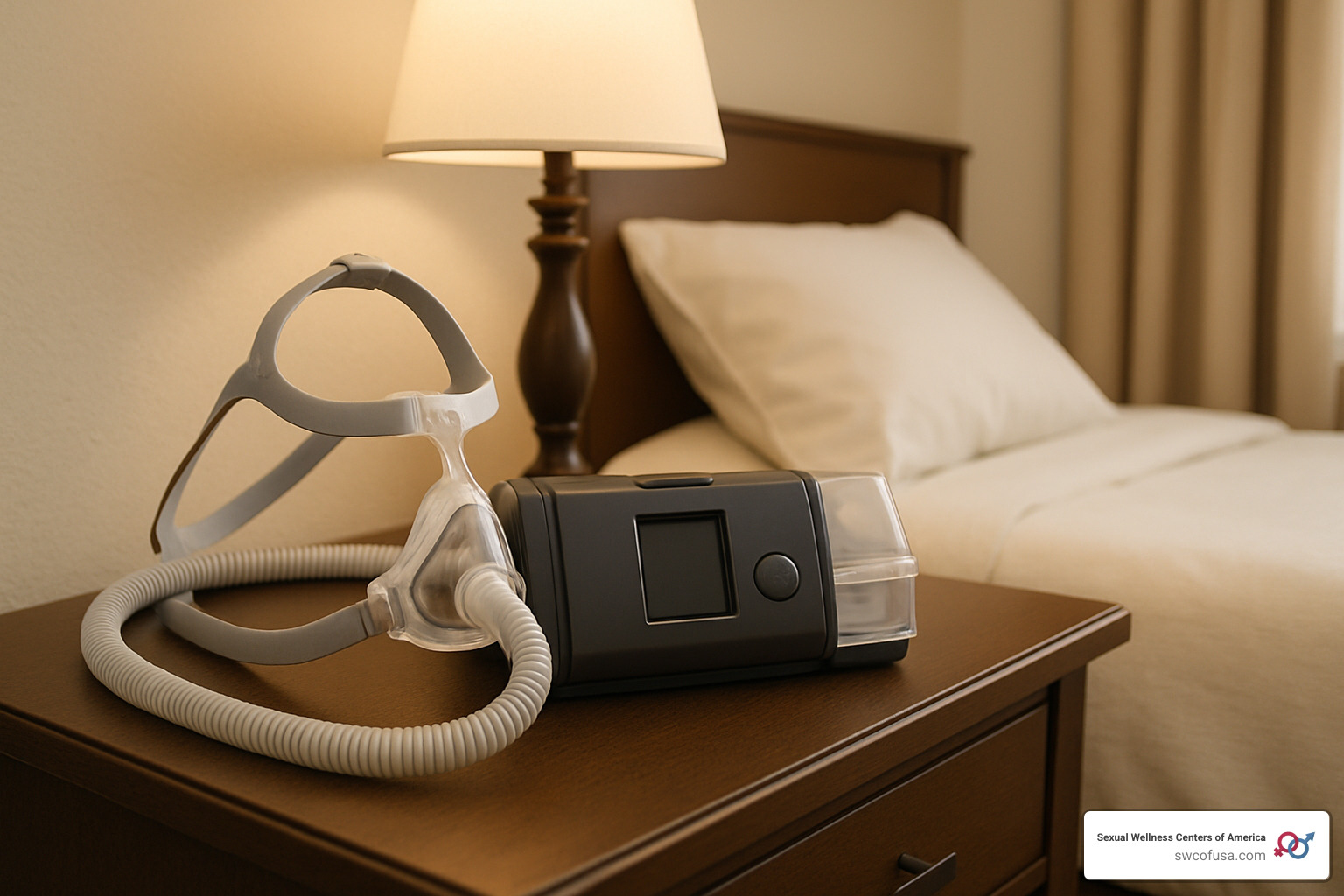
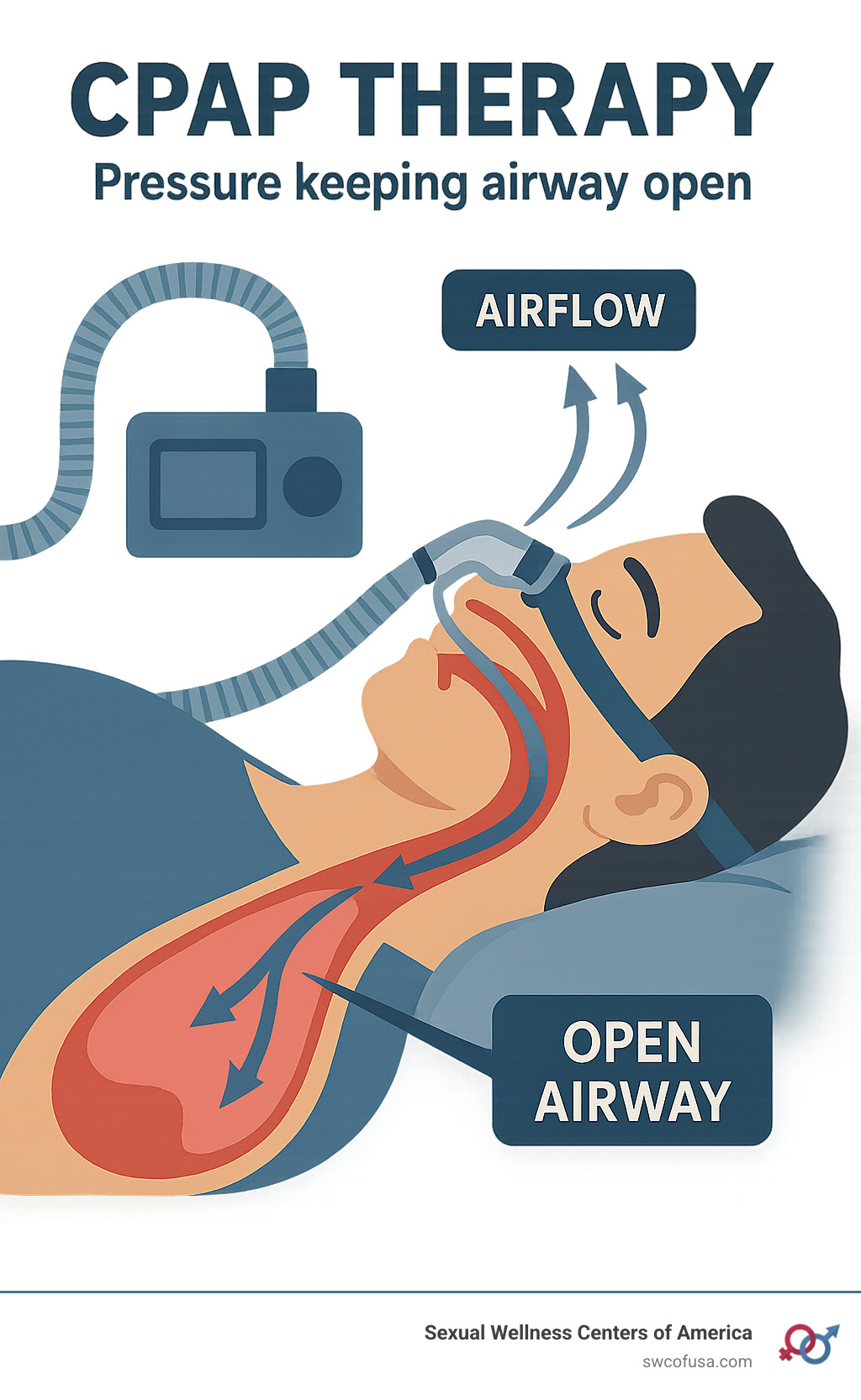
Continuous Positive Airway Pressure (CPAP) remains the gold standard treatment for moderate to severe OSA. The device delivers pressurized air through a mask, creating a pneumatic splint that prevents airway collapse.
Modern CPAP machines offer numerous comfort features:
– Pressure ramping starts at a lower pressure and gradually increases as you fall asleep
– Expiratory pressure relief reduces pressure during exhalation
– Heated humidification prevents dryness and irritation
– Auto-titrating models (APAP) adjust pressure throughout the night based on needs
Despite its effectiveness, CPAP adherence remains challenging. Nearly 50% of patients stop using CPAP within the first month despite education. Common barriers include mask discomfort, claustrophobia, noise, and inconvenience.
Telemonitoring systems that allow clinicians to remotely track CPAP usage and troubleshoot problems have shown promise in improving adherence. Regular follow-up and support are crucial for long-term success.
When CPAP Isn’t Enough – Alternatives
For patients who cannot tolerate CPAP, several alternatives exist:
Oral appliances work by advancing the lower jaw or retaining the tongue to prevent airway collapse. Custom-fitted devices prescribed by dentists trained in sleep medicine are most effective, with success rates of 50-80% in appropriately selected patients.
Hypoglossal nerve stimulation is a newer surgical option involving an implanted device that stimulates the nerve controlling tongue movement during sleep. Studies show a median 68% reduction in AHI at 12 months, with tongue abrasion (11%) and pain (6.2%) as the most common side effects.
Surgical procedures target specific anatomical obstructions:
– Uvulopalatopharyngoplasty (UPPP) removes excess tissue from the soft palate and throat
– Maxillomandibular advancement surgically moves the jaw forward to enlarge the airway
– Bariatric surgery for severely obese patients can dramatically improve OSA while addressing multiple comorbidities
The ideal treatment approach often combines multiple modalities custom to the individual’s specific obstruction patterns, preferences, and health status.
Lifestyle & Adjunctive Measures
Beyond primary treatments, several adjunctive measures can improve outcomes:
Diet quality, not just calorie restriction, matters. Mediterranean-style diets rich in anti-inflammatory foods may reduce OSA severity independent of weight loss.
Nasal patency is crucial for successful CPAP use and overall breathing. Treating allergies, using nasal dilators, or correcting structural issues like deviated septum can significantly improve outcomes.
Sleep hygiene practices—maintaining a consistent sleep schedule, creating a dark and cool bedroom environment, and limiting screen time before bed—complement OSA treatments by promoting overall sleep quality.
Pharmacologic agents to improve daytime alertness may be considered for residual sleepiness despite adequate OSA treatment, though they don’t replace primary therapy.
At Sexual Wellness Centers of America, we take a holistic approach to OSA management, recognizing its connections to hormonal health, cardiovascular function, and sexual wellness. Our comprehensive evaluation includes screening for sleep disorders as part of our overall wellness assessment.
Living With OSA: Complications, Prognosis & FAQs
Living with untreated OSA is like letting a silent saboteur loose in your body. This sleep disorder doesn’t just rob you of restful nights – it gradually undermines your health in ways you might not immediately connect to your breathing problems.
Your cardiovascular system takes the hardest hit. About half of all OSA patients develop high blood pressure, while your risk of coronary artery disease doubles or triples. Heart failure risk jumps by a staggering 140%, and you’re 4-5 times more likely to develop atrial fibrillation. Perhaps most alarming is the tripled stroke risk that comes with untreated OSA.
Beyond your heart, OSA wreaks havoc on your metabolism, making your body resistant to insulin and increasing your chances of developing type 2 diabetes. Your brain suffers too, with effects ranging from that familiar daytime fog to serious memory problems and even an increased risk of dementia as you age.
The emotional toll is equally significant. Depression rates are 2-3 times higher among people with OSA, and anxiety often becomes a constant companion. These psychological effects, combined with chronic fatigue, can dramatically reduce your quality of life.
Then there’s the very real danger on our roadways. If you’re driving with untreated OSA, you’re 2-7 times more likely to have an accident. The good news? CPAP treatment reduces crash rates from 0.18 to 0.06 per person-year – a compelling reason to stick with your treatment.
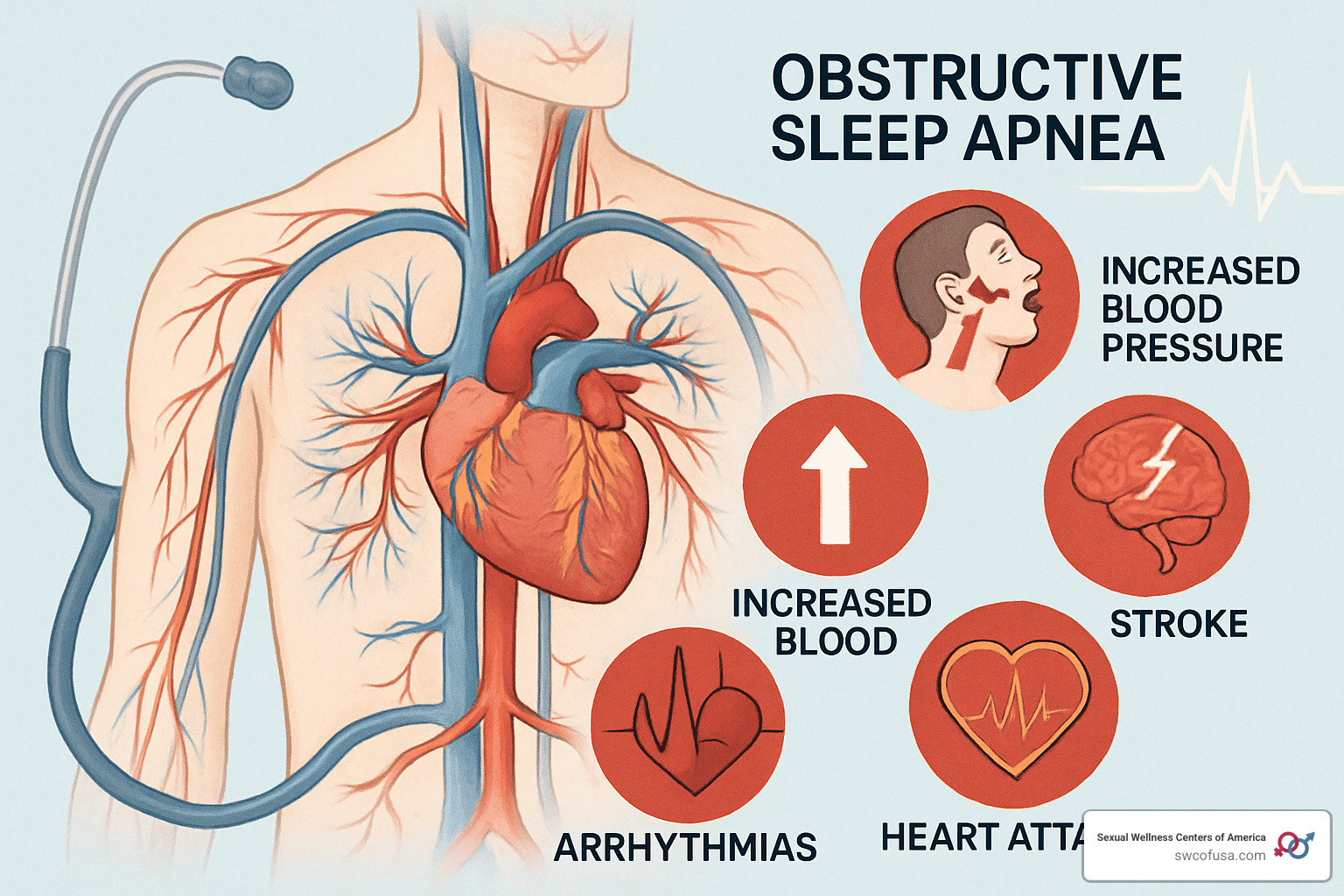
Long-Term Dangers of Untreated OSA
The longer OSA goes untreated, the more serious the consequences become. Studies show that severe untreated OSA (with an AHI over 30) increases your risk of death from any cause by 3 to 6.2 times – numbers that should make anyone with suspected sleep apnea sit up and take notice.
Your blood pressure problems often become resistant to medication, forcing you onto multiple drugs that provide limited relief because they’re not addressing the root cause – your disrupted breathing during sleep.
Heart rhythm problems, especially atrial fibrillation, become increasingly stubborn without OSA treatment. Many patients find themselves caught in a frustrating cycle of treatments that don’t work because their sleep disorder remains unaddressed.
Your brain function suffers a slow decline, with mounting evidence suggesting untreated OSA can accelerate both the onset and progression of dementia. This cognitive impact often sneaks up gradually, with many people not realizing how much sharper they could feel with proper treatment.
Even your closest relationships feel the strain. The loud snoring, irritability from poor sleep, and reduced interest in intimacy often lead couples to sleep separately – a “solution” that might reduce nighttime disruptions but can create emotional distance in your relationship.
Prognosis After Effective OSA Management
The change that comes with effective OSA treatment can feel nothing short of miraculous. Within weeks of starting CPAP therapy, most patients experience a 2-10 mmHg drop in blood pressure – a significant reduction in cardiovascular risk without adding a single medication.
Blood sugar control improves markedly, with measurable reductions in HbA1c levels and insulin resistance. Many of our patients at Sexual Wellness Centers of America report their doctors are pleasantly surprised by their improved lab results after consistent OSA treatment.
Your brain fog lifts too. Within just 4-8 weeks of starting CPAP therapy, cognitive function typically shows measurable improvement, especially in attention, decision-making, and memory – changes that patients often describe as “getting my brain back.”
The boost in quality of life can be dramatic. Patients frequently tell us they have more energy, better moods, and increased productivity both at work and at home. Many describe feeling like they’ve recovered years of their life that had been slowly stolen by unrefreshing sleep.
Perhaps most importantly, effective OSA treatment normalizes your mortality risk compared to untreated patients. Simply put, proper treatment helps you live longer and better.
In our practice at Sexual Wellness Centers of America, we’ve repeatedly seen how addressing OSA leads to improvements in sexual function. This connection makes perfect sense since sleep quality, hormonal balance, and cardiovascular health all play crucial roles in sexual wellness.
Frequently Asked Questions about OSA
Q: Can OSA go away on its own?
While mild OSA might improve with weight loss or changing your sleep position, it rarely disappears completely without treatment. In fact, without intervention, it typically worsens over time as you age and if you gain weight.
Q: How do I clean my CPAP equipment?
Keep it simple – wash your mask daily with mild soap and water, and clean your tubing and humidifier chamber weekly. Avoid harsh chemicals that might leave residues you could inhale. Many patients find that establishing a morning routine of quick mask cleaning makes maintenance much easier.
Q: Can I travel with my CPAP machine?
Absolutely! Modern CPAP machines are designed with travelers in mind, and many companies offer compact travel models. Always pack your CPAP in your carry-on luggage when flying – airlines recognize it as a medical device that doesn’t count against your carry-on allowance.
Q: Will insurance cover my OSA treatment?
Most insurance plans cover both diagnosis and treatment of OSA, though specifics vary. Home sleep tests typically face fewer coverage restrictions than in-lab studies. CPAP equipment is usually covered with proper documentation of your diagnosis and consistent use.
Q: Is OSA hereditary?
There’s definitely a family connection with OSA. Having a first-degree relative with the condition increases your risk by about 50%. This genetic component might involve inherited facial structure, how your body distributes fat, or how your breathing is controlled during sleep.
Q: Can children have OSA?
Yes, approximately 2% of children have OSA, most commonly between ages 2-8 when their tonsils and adenoids are proportionally largest. Watch for signs like snoring, restless sleep, mouth breathing, and behavioral problems rather than the daytime sleepiness we typically see in adults.
Q: Does OSA affect sexual function?
Definitely. OSA is strongly associated with erectile dysfunction in men and reduced sexual desire in both men and women. The connection stems from hormonal disruptions, vascular effects, and simple fatigue. The good news? Treating your OSA often improves sexual function – something we regularly see in our practice.
Q: Can I drink alcohol if I have OSA?
Alcohol significantly worsens OSA by relaxing your throat muscles and reducing your brain’s normal arousal responses to breathing problems. If you choose to drink, do so in moderation and not within 4 hours of bedtime. Many patients find that even small amounts of alcohol before bed can noticeably worsen their sleep quality.
Conclusion
OSA is so much more than just a nighttime nuisance—it’s a serious health condition that touches nearly every aspect of your wellbeing. From heart health to brain function, untreated sleep apnea can quietly undermine your quality of life while you’re not even aware of it.
But here’s the encouraging part: with proper treatment, you can dramatically turn things around. The right approach can not only help you sleep better but also reduce those serious health risks while bringing back the energy and clarity you might have forgotten was possible.
At Sexual Wellness Centers of America, we see how sleep quality connects to other vital aspects of health. Many patients who come to us for other concerns are surprised to find that addressing their undiagnosed OSA improves not just their sleep but also their hormonal balance, energy levels, and even intimate relationships.
This interconnected approach to wellness is at the heart of what we do. We understand that when your body isn’t getting proper oxygen throughout the night, it affects everything from your heart health to your hormone production to your daily energy levels. That’s why we include sleep health screening as a fundamental part of our comprehensive wellness evaluations.
If you’ve been dismissing your chronic fatigue as “just getting older” or if your partner has mentioned your loud snoring, please don’t wait to get evaluated. These seemingly minor issues might be signaling a treatable condition that’s affecting your health in ways that extend far beyond feeling tired.
Our personalized wellness plans at Sexual Wellness Centers of America start with detailed hormone and vitamin panels that help us understand your body’s unique needs. By addressing the root causes rather than just symptoms, we can help you achieve meaningful, lasting improvements in your overall health.
Taking action against OSA today means investing in your future health. It means reducing your risk of serious complications like heart disease and stroke. It means waking up feeling truly rested, thinking more clearly, and having the energy to fully engage with the people and activities you love.
Don’t let another night of disrupted breathing chip away at your health and happiness. With the right approach, better sleep—and better health—are within reach.
More info about personalized wellness plans