
The Quest for Youthful Skin: Understanding Peptide and Collagen
If you’re wondering about peptide and collagen, here’s the quick answer:
- Peptides are small chains of amino acids. Think of them as tiny building blocks.
- Collagen is the most abundant protein in your body. It gives structure to your skin, bones, and connective tissues.
- Together, peptide and collagen are vital for maintaining youthful skin, strong joints, and overall vitality.
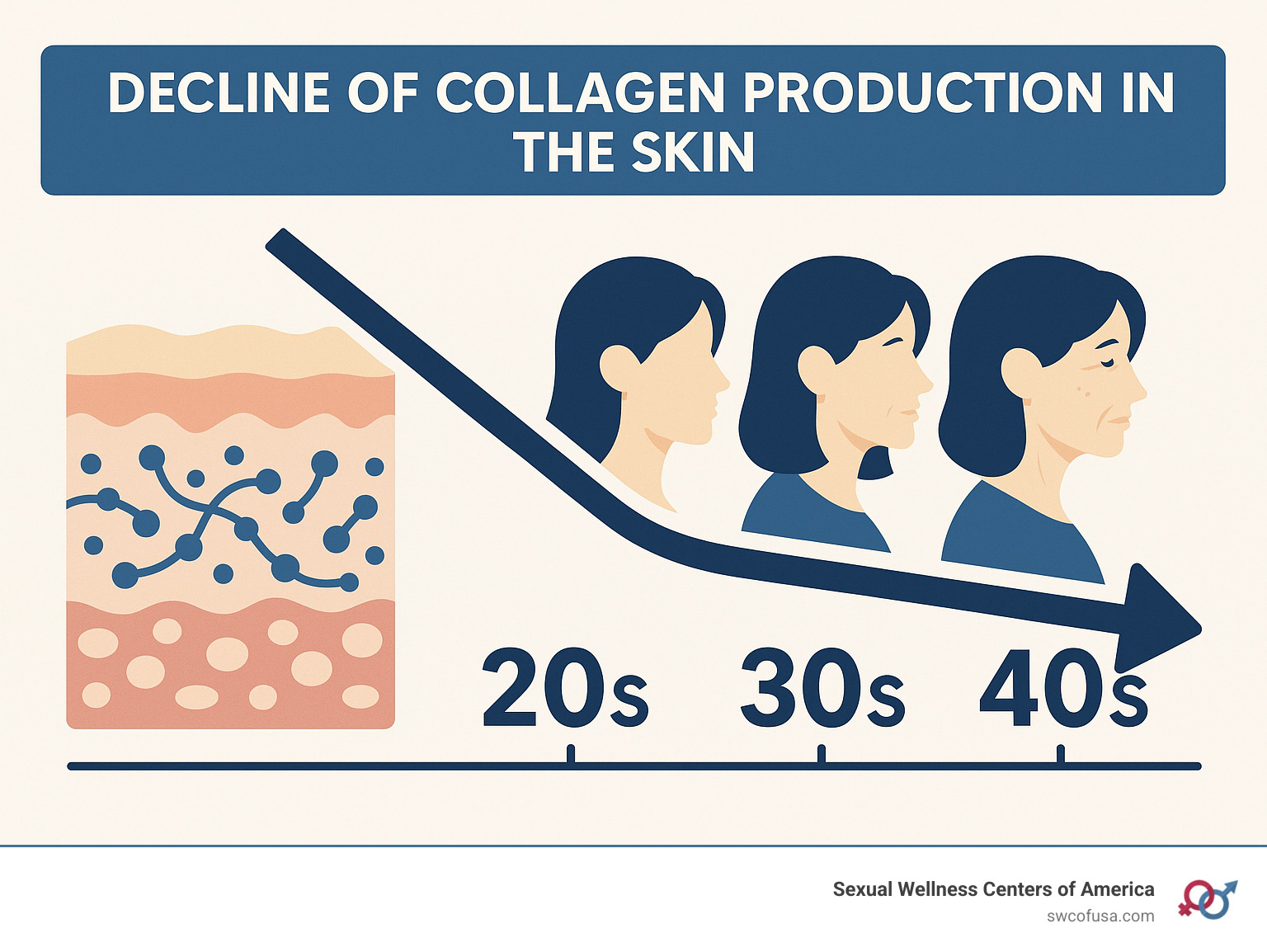
Many people start noticing changes in their skin as early as their mid-twenties. Fine lines, sagging, and a duller complexion can become common concerns. This is often because your body’s natural production of collagen begins to slow down.
Collagen is a remarkable protein. It makes up a huge part of your body’s structure, especially in your skin, hair, and nails. But like many things, its levels decrease with age. This natural decline can lead to visible signs of aging.
Enter peptides. These powerful little amino acid chains act as messengers, telling your body to produce more collagen and other important proteins. The good news is that there’s a growing interest in how you can support your body’s collagen health and production.
This comprehensive guide will explain everything you need to know about peptide and collagen. We’ll explore their benefits, how they work, and effective ways to incorporate them into your wellness routine.
I’m Jeff Nuziard. As CEO of Sexual Wellness Centers of America, I’ve seen how cutting-edge, science-backed solutions, including those involving peptide and collagen, can improve overall well-being and intimate health. This guide brings you insights to help you understand these powerful compounds.
Peptide and collagen vocabulary:
Understanding the Building Blocks: What Are Collagen and Peptides?
Let’s explore peptide and collagen by understanding what these amazing building blocks actually are and how they work together.
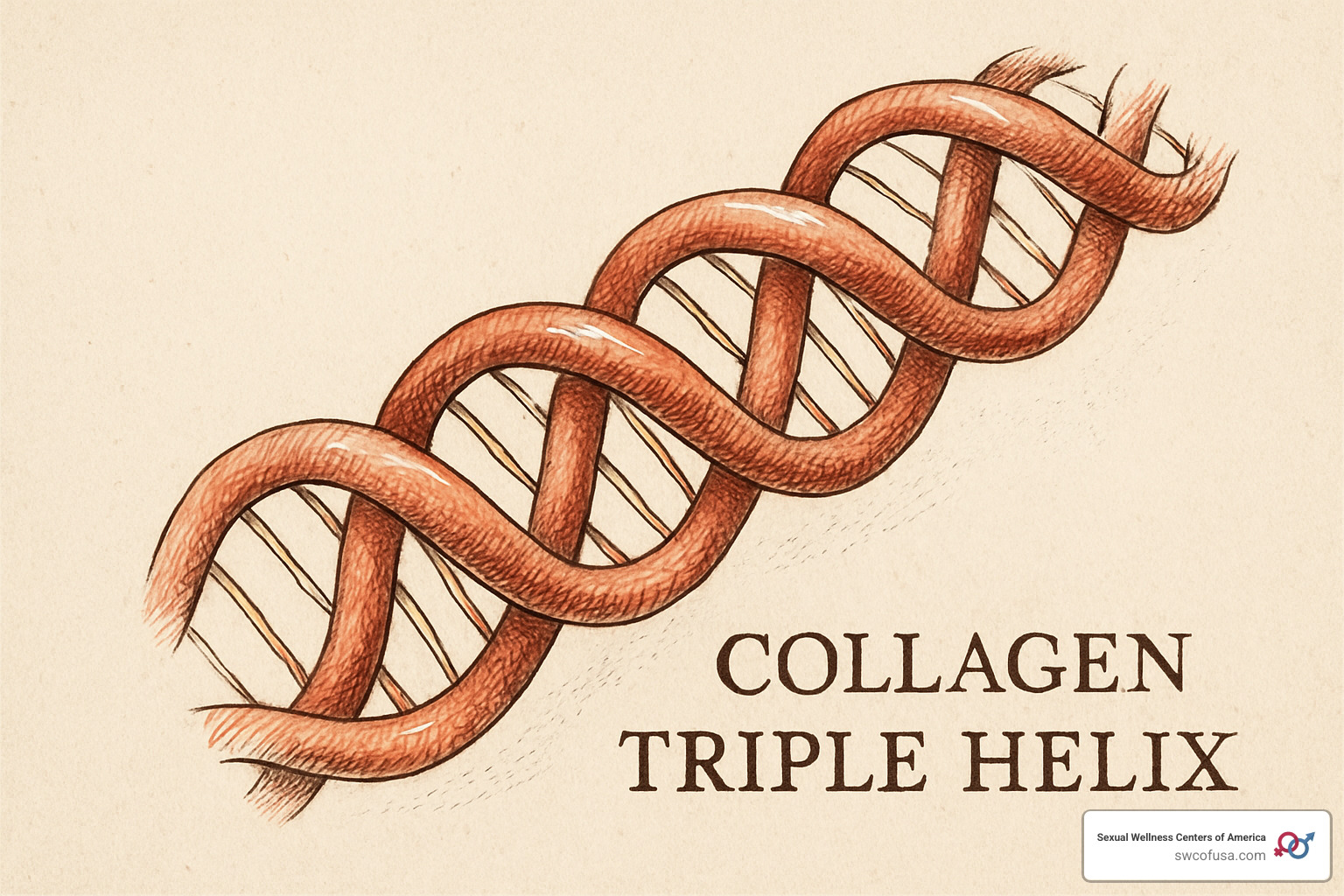
Think of collagen as your body’s scaffolding. It’s the most abundant protein you have, making up about one-third of all your protein. This remarkable structural protein is literally what holds you together – from your glowing skin to your strong bones, flexible tendons, and sturdy ligaments.
What makes collagen so special is its unique construction. It’s built from amino acids, with three superstars leading the show: proline, glycine, and hydroxyproline. These amino acids link together like a chain, then twist into a beautiful triple helix structure. Picture three ropes braided together – that’s essentially what gives collagen its incredible strength and flexibility.
Scientists have finded that the collagen family is quite extensive, with at least 28 different types working throughout your body. Each type has its own special job, kind of like different tools in a toolbox.
Now, let’s talk about peptides. These are simply short chains of amino acids – think of them as collagen’s smaller, more manageable cousins. While full proteins can be huge and complex, peptides are bite-sized and act like tiny messengers, telling your cells what to do.
When we combine these concepts, we get collagen peptides. These are created when larger collagen molecules are broken down into smaller, easier-to-absorb pieces. This process dramatically improves their bioavailability, meaning your body can actually use them instead of just passing them through.
The beauty of collagen peptides is that they can travel through your bloodstream and show up where they’re needed most. Research has even found evidence of absorption in blood samples after people consume collagen peptides, proving they really do get absorbed.
Most collagen peptides come from animal sources, since collagen is naturally an animal product. The main sources include bovine (from cows), marine (from fish), porcine (from pigs), and chicken. Each source has slightly different properties, but all can provide valuable support for your body’s collagen needs.
The Main Types of Collagen
Your body is home to many different types of collagen, but let’s focus on the main players that make the biggest difference in how you look and feel.
Type I collagen is the heavyweight champion, making up about 90% of your body’s collagen. You’ll find it working hard in your skin, bones, tendons, and ligaments. This is the type that keeps your skin firm and your bones strong.
Type II collagen has a different specialty – it’s all about your joints. Found primarily in elastic cartilage, this type provides crucial joint support and keeps everything moving smoothly.
Type III collagen often works alongside Type I, but it focuses on your muscles, organs, and arteries. It’s like the supportive friend that helps Type I do its job even better.
Type V collagen might be less abundant, but it’s still important. You’ll find it on cell surfaces, in your hair, and even in the placenta during pregnancy.
How Collagen Peptides Are Made
The journey from whole collagen to the peptide and collagen supplements you see on shelves is quite remarkable. It starts with extraction from animal sources – typically the hides, bones, or scales that might otherwise go to waste.
The magic happens during a process called hydrolysis. This is where scientists break down those long collagen chains into much smaller peptides. Think of it like cutting a very long rope into manageable pieces. The process makes everything much easier for your body to digest and absorb.
During hydrolysis, enzymes or acids essentially “pre-digest” the collagen for you. Your digestive system doesn’t have to work nearly as hard to break everything down. The result is a powder or liquid that dissolves easily and gets absorbed quickly through your intestinal tract.
This is different from gelatin, which is only partially hydrolyzed. Gelatin still contains larger protein fragments, which is why it gels when it gets cold (hello, Jell-O!). Collagen peptides, on the other hand, are fully hydrolyzed into even smaller pieces. They dissolve completely in both hot and cold liquids and offer superior absorption.
It’s like comparing a whole steak to ground beef to a protein smoothie – each step makes it progressively easier for your body to use. The smaller the pieces, the faster and more efficiently your body can put them to work where they’re needed most.
The Science-Backed Benefits of Peptide and Collagen Support

Research shows that peptide and collagen supplements don’t just sound good on paper—they deliver measurable results you can feel and often see. Below is an abridged look at the strongest evidence.
Rejuvenating Skin, Hair, and Nails
- Skin elasticity & hydration: Oral collagen peptides improve moisture and rebound, particularly in dry or mature skin.
- Wrinkle reduction: Regular use signals your cells to make more of their own collagen, softening fine lines.
- Beauty extras: Users frequently report stronger nails and, in one study, thicker, less-breakable hair.
Supporting Bones and Joints
- Bone density: Early work suggests benefits for osteopenia and osteoporosis.
- Cartilage & pain: Regular intake can ease osteoarthritis discomfort and improve knee and ankle function.
- Athletic recovery: In athletes, 10–15 g/day cut joint pain and downtime.
Muscle, Recovery, and Body Composition
Pairing 15 g of collagen peptides with resistance training can:
- Increase lean muscle and strength.
- Decrease fat mass.
- Reduce post-workout soreness up to 48 h, while boosting connective-tissue repair markers by 153 %.
In short, whether your goal is a glowing complexion or pain-free movement, the science behind peptide and collagen support is compelling—and still growing.
How to Support Collagen Health Effectively

Supplements work best when the rest of your lifestyle helps your body build and protect collagen.
Optimizing Your Approach
- Key nutrients – Vitamin C, zinc, copper, proline and glycine act as the “mortar” around your collagen “bricks.” Make sure they are present in your diet or multivitamin.
- Balanced diet & hydration – Whole foods plus 2–3 L of water daily keep skin and joints lubricated.
- Consistency – Most people see skin benefits after 4–8 weeks and joint benefits after several months. Timing (morning, night, pre-workout) matters less than taking 5–15 g every day.
Safety Snapshot
Collagen peptides are generally recognized as safe. Mild fullness or heartburn is uncommon and usually temporary. People with fish, shellfish, beef, or chicken allergies should read labels carefully. Vegans can still support collagen by focusing on the co-factors above.
Always talk with a qualified clinician before beginning any new supplement—especially if pregnant, nursing, or managing a medical condition.
Beyond Nutrition: Advanced Regenerative Approaches to Collagen and Peptide Health

Great soil grows strong plants; great habits grow strong collagen. First, nail the basics:
- Collagen-boosting foods: Bone broth, chicken, fish (especially the skin), berries, citrus, and leafy greens supply amino acids and vitamin C.
- Protect your investment: Daily SPF 30+, no smoking, and moderating sugar prevent collagen breakdown.
When foundational steps aren’t enough, Sexual Wellness Centers of America offers regenerative technologies—REGENmax®, SHEshot®, HEshot®, REGENlase®, and REGENwave®—that harness your body’s own healing pathways to amplify peptide and collagen production. Combining lifestyle plus targeted therapy can open up results neither delivers alone.
Who Sees the Biggest Benefit?
Aging adults, athletes, people with joint discomfort, post-menopausal women, and anyone short on dietary protein often experience the most noticeable improvements.
Frequently Asked Questions about Peptides and Collagen
What is the difference between collagen peptides and gelatin?
Gelatin is only partially broken down, so it gels liquids and is harder to absorb. Collagen peptides are fully hydrolyzed, dissolve in hot or cold drinks, and reach the bloodstream more efficiently.
Are topical collagen creams effective?
Whole collagen can’t slip through the skin barrier. Formulas that use smaller peptides may signal new collagen, but the most reliable results come from nourishing your skin from the inside.
Can I get enough collagen from food alone?
Food provides the raw materials, but age-related decline plus variable digestion make intake hard to gauge. Quality collagen peptide supplements offer a precise, highly bioavailable boost, and can be paired with nutrient-dense meals for best results.
Conclusion
We’ve journeyed through the incredible world of peptide and collagen, uncovering their fundamental roles in our bodies and the science-backed benefits they offer. From rejuvenating our skin to supporting strong joints and enhancing muscle recovery, these vital compounds truly impact every aspect of our health and vitality.
What we’ve learned is that the secret to youthful skin and overall wellness isn’t found in a single magic solution. Instead, it requires a holistic approach that combines smart diet choices, healthy lifestyle habits, and when appropriate, advanced regenerative therapies.
The beauty of peptide and collagen support lies in its versatility. Whether you’re an athlete looking to reduce joint pain, someone seeking to turn back the clock on aging skin, or simply wanting to support your body’s natural healing processes, these compounds offer real, science-backed benefits.
Consistency is key. The most impressive results come from those who stick with their routine, whether that’s incorporating collagen-rich foods into their meals, taking quality supplements, or protecting their skin from sun damage and sugar-induced glycation.
For those seeking a personalized approach to wellness, including innovative treatments that support your body’s natural regenerative processes, consider consulting with experts who understand the full spectrum of health optimization. At Sexual Wellness Centers of America, we offer personalized plans based on comprehensive panels to help you achieve your health goals, empowering your body to thrive from within.
Our approach goes beyond traditional wellness, incorporating cutting-edge regenerative medicine that works synergistically with your body’s natural healing abilities. Learn more about our advanced regenerative treatments, including REGENmax®, SHEshot®, HEshot®, REGENlase®, and REGENwave®.
Your journey to optimal health and vitality doesn’t have to be complicated. With the right knowledge, consistent habits, and expert guidance when needed, you can support your body’s amazing ability to heal, regenerate, and thrive at any age.