
What Are Peptide Supplements and Why They Matter
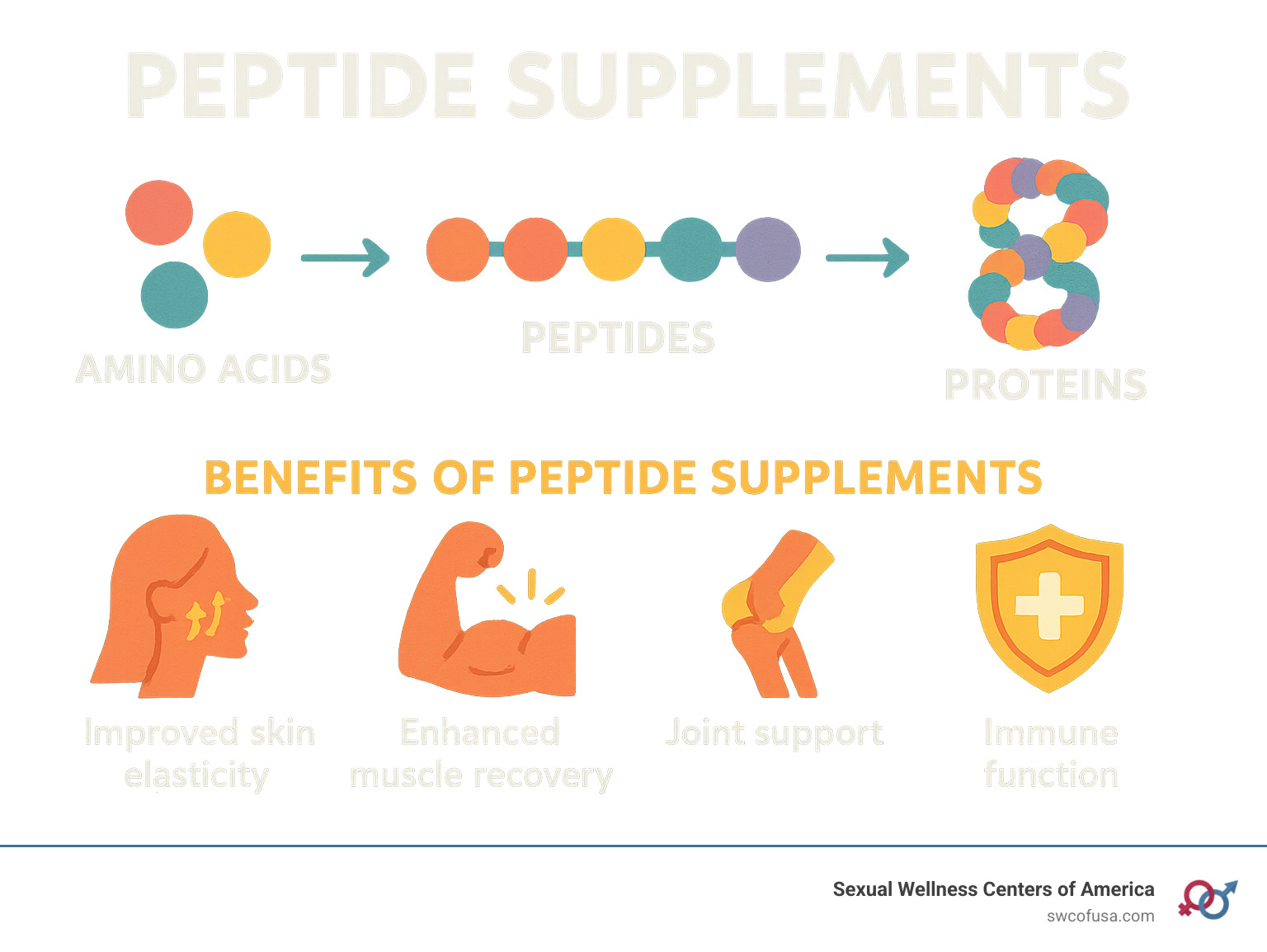
Peptide supplements are short chains of amino acids that act as building blocks for proteins in the body. These specialized supplements offer concentrated forms of bioactive peptides that can support various aspects of health.
Quick Guide to Peptide Supplements:
– Definition: Short chains of 2-50 amino acids that serve as protein building blocks
– Sources: Derived from animal collagen, milk, eggs, fish, or plant proteins
– Popular Types: Collagen peptides, creatine peptides, growth hormone secretagogues
– Key Benefits: Skin health, muscle recovery, joint support, immune function
– Safety: Generally well-tolerated; consult a doctor before starting
Peptides are gaining popularity in the wellness world because they’re more easily absorbed than whole proteins. When you consume peptide supplements, your body can use them more efficiently without extensive digestion, making them potentially more effective for targeted health support.
Unlike whole proteins, peptides are smaller and can sometimes penetrate barriers that larger molecules cannot. This makes them valuable tools for supporting specific bodily functions ranging from skin elasticity to muscle recovery.
I’m Jeff Nuziard, CEO of Sexual Wellness Centers of America, where we’ve helped hundreds of clients optimize their health through personalized peptide supplement protocols that address age-related changes and support overall vitality. Our clinical experience has shown that these powerful compounds can be valuable additions to a comprehensive wellness strategy.
Key peptide supplements vocabulary:
– peptide injection therapy
– peptides for healing
– peptides for skin
Peptides 101: From Building Blocks to Bioactive Powerhouses
Think of peptides as the middle children of your body’s protein family. Not quite full proteins, but more complex than single amino acids, these short chains contain between 2 and 50 amino acids linked together like beads on a string. This “just right” size is actually their superpower.
Your body naturally creates thousands of different peptides that work as cellular messengers. These endogenous peptides (ones your body makes naturally) zip around carrying important signals between cells and tissues. They’re like tiny biological text messages that help coordinate everything from hormone production to immune responses and tissue repair.
What makes peptide supplements truly special is their bioactivity. Unlike many supplements that simply provide raw materials for your body to use, peptides actively interact with specific receptors to trigger beneficial responses. They don’t just give your body ingredients—they help direct the cooking show!
| Characteristic | Peptides | Proteins |
|---|---|---|
| Size | 2-50 amino acids | 50+ amino acids |
| Structure | Simpler, more flexible | Complex, often folded |
| Digestion | Minimal processing needed | Extensive breakdown required |
| Absorption | Faster, more efficient | Slower, less complete |
| Function | Often signaling/regulatory | Structural, enzymatic, transport |
| Examples | Collagen peptides, creatine peptides | Whey protein, casein, soy protein |
Proteins vs Peptide Supplements at a Glance
The main difference between protein supplements and peptide supplements comes down to size and how they function in your body. This size difference creates several meaningful advantages:
Digestion is much simpler with peptides. While proteins need to be broken down extensively by digestive enzymes (think of it as disassembling a large piece of furniture), peptides arrive already partially disassembled, needing minimal processing before your body can use them.
Absorption happens more quickly and completely with peptides. Their smaller size allows them to slip through the intestinal wall more easily—some can even be absorbed through your skin or mucous membranes, which is why peptide-based skincare has become so popular.
Allergenicity tends to be lower with peptides. Many allergic reactions happen because your immune system recognizes specific parts of intact proteins. When broken down into peptides, these triggering sections are often disrupted, making reactions less likely.
Bioavailability—the percentage of a supplement that actually reaches circulation and does its job—typically runs higher for peptides than whole proteins. As researchers noted in the Journal of Agricultural and Food Chemistry, “Bioactive peptides may be better absorbed than intact proteins because they are already broken down.”
This improved absorption and utilization is why many of our clients at Sexual Wellness Centers of America experience more noticeable results with peptide supplements compared to traditional protein supplements. Their targeted action makes them valuable tools in our personalized wellness protocols.
How Peptide Supplements Are Made
The production of high-quality peptide supplements involves sophisticated processes to ensure purity, potency, and safety. The most common methods include:
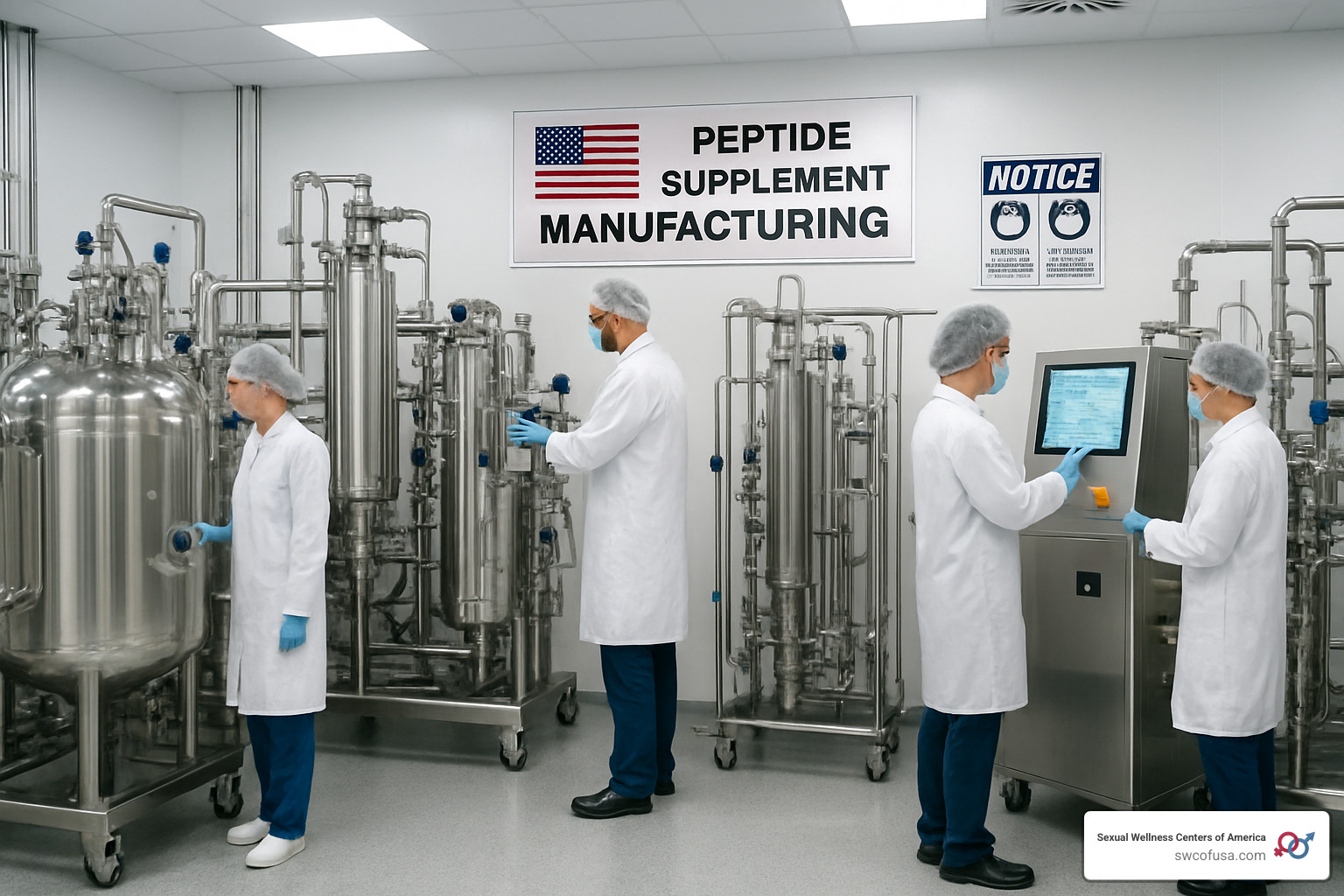
When you open that bottle of peptide powder, you’re holding the result of some impressive science. Most peptide supplements start their journey as whole proteins that undergo a process called enzymatic hydrolysis—essentially, special enzymes act like scissors to snip proteins into smaller peptide chains. It’s like turning a long necklace into smaller, more wearable bracelets.
Collagen peptides, the most popular type, typically come from animal tissues rich in collagen. The hydrolysis process breaks down those tough collagen molecules into smaller, more digestible pieces your body can easily use.
Some specialized peptides are created through fermentation, where beneficial bacteria produce specific peptide sequences. Others, particularly those used in clinical settings like ours at Sexual Wellness Centers of America, may be chemically synthesized for maximum precision and purity.
The source matters too—animal-derived peptides often provide sequences that closely match what your body naturally produces, while plant sources offer options for those following vegetarian lifestyles. Each has its place in the peptide supplements world.
Common Sources & Extraction Methods
Your peptide supplements might have started life in some surprising places. Animal sources provide many of our most effective peptides—fish skin is incredibly rich in collagen, making it perfect for skin-supporting supplements. Dairy products contain casein and whey, which yield peptides that may support immune function and muscle growth. Egg whites, particularly from pasture-raised hens, offer another excellent protein source for peptide production.
For those preferring plant-based options, soy leads the pack with its diverse bioactive peptides. Hemp is gaining popularity as a sustainable source, while rice and pea proteins yield peptides with interesting properties like blood pressure regulation.
The journey from raw material to finished supplement follows a careful path. First, manufacturers isolate the protein from the source material. Then, specific enzymes create precise cuts at exactly the right spots in the protein chain. The resulting peptide mixture undergoes filtration to remove unwanted components, followed by purification techniques like chromatography to isolate specific peptides. Finally, gentle drying preserves the delicate structure and activity of these powerful molecules.
Quality Control & Third-Party Testing
Not all peptide supplements are created equal—quality can vary dramatically between brands. This is why third-party testing is so crucial when selecting products.
At Sexual Wellness Centers of America, we’re sticklers for verification. We recommend looking for supplements certified by respected organizations like NSF International, USP (United States Pharmacopeia), or UL (Underwriters Laboratories). These independent certifications confirm that what’s on the label matches what’s in the bottle, with no harmful surprises.
Good quality control testing covers all the bases: heavy metal screening ensures your supplements are free from contaminants like lead and mercury. Microbial testing confirms the absence of harmful bacteria. Peptide purity analysis verifies you’re getting the exact peptide sequences promised, at the concentration stated on the label.
Stability testing is another critical step—it ensures your peptide supplements remain potent throughout their shelf life, not just on the day they were manufactured. After all, effectiveness matters only if it lasts until you actually use the product.
The best manufacturers also practice transparency, openly sharing their sourcing and testing protocols. This honesty builds trust and helps you make informed decisions about the supplements you put in your body.
Main Types of Peptide Supplements
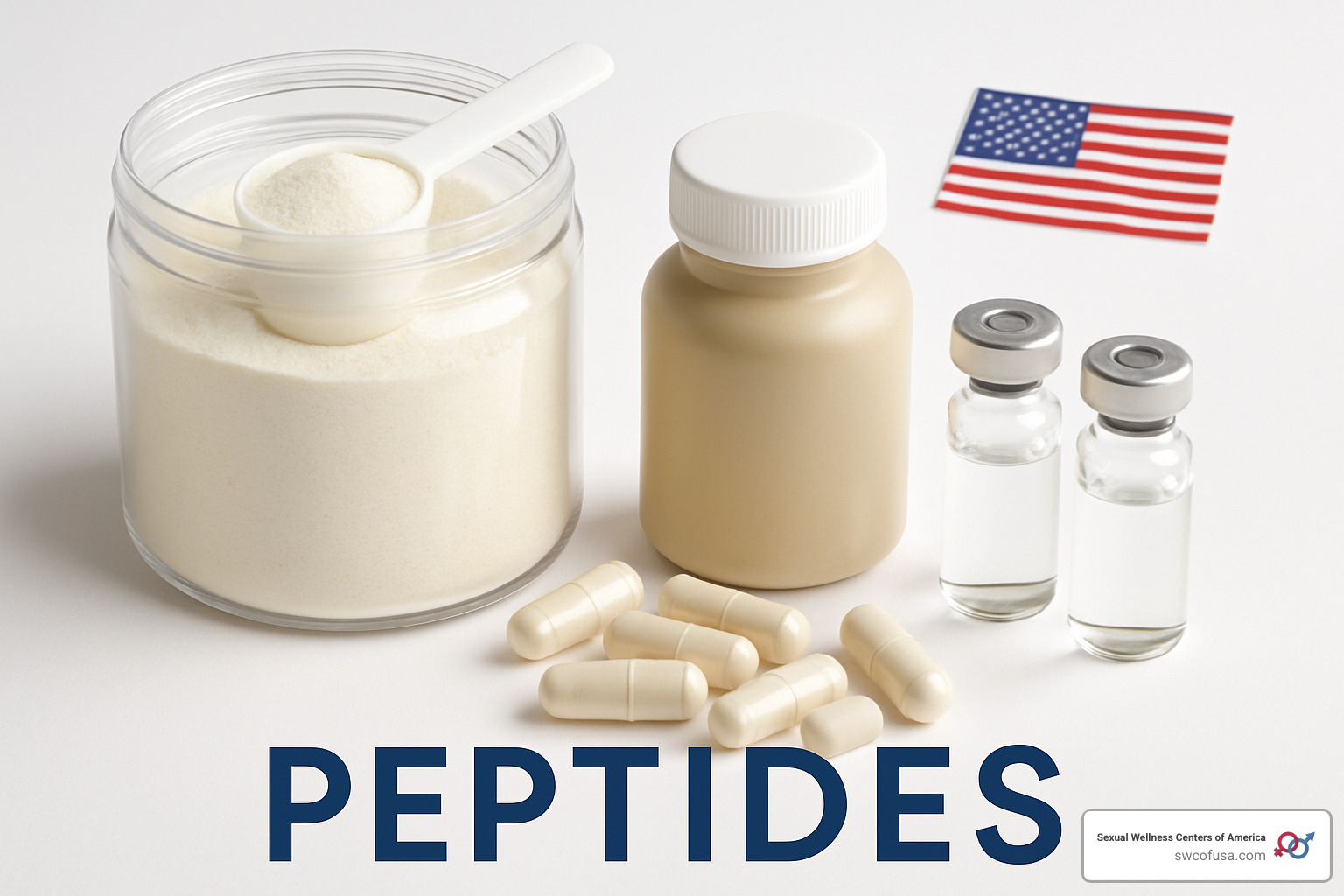
The world of peptide supplements encompasses a diverse range of products, each with unique benefits and applications. Here’s a guide to the most common types you’ll encounter:
Collagen Peptide Supplements for Skin & Joints
If you’ve browsed any health store lately, you’ve probably noticed collagen peptides everywhere – and for good reason! These are the rock stars of the peptide supplements world, backed by solid research and impressive results.
Derived from animal sources like cow, fish, or chicken, collagen peptides work wonders for your body inside and out. They help your skin maintain that youthful bounce and hydration while reducing the appearance of fine lines. Many of our clients at Sexual Wellness Centers of America notice visible improvements in their skin’s texture and appearance within just a few weeks.
But the benefits don’t stop at skin-deep. These peptides also support your joints by maintaining healthy cartilage, which can mean less creaky mornings and more comfortable movement. For active adults experiencing the first signs of joint discomfort, collagen peptides often provide welcome relief.
A fascinating 2019 review in the Journal of Drugs in Dermatology confirmed what we’ve seen in our practice – oral collagen supplementation significantly increases skin elasticity and hydration. And for those with joint concerns, research in Current Medical Research and Opinion showed meaningful improvements for both athletes and people with osteoarthritis.
Creatine Peptide Supplements for Strength
Think of creatine peptides as the upgraded version of the traditional gym staple. While regular creatine monohydrate has been helping athletes build power and muscle for decades, these peptide versions take things up a notch.
The peptide form slips into your system more easily, meaning better absorption and fewer digestive issues like bloating or stomach discomfort. Many of our more athletic clients appreciate that they can skip the traditional “loading phase” that regular creatine requires.
What will you notice when taking creatine peptides? Most people report impressive strength gains during high-intensity workouts, faster recovery between gym sessions, and improved muscle definition when combined with consistent resistance training. The science is still evolving, but the real-world results we’re seeing are promising.
Growth Hormone Secretagogue Peptide Supplements
These peptides work like tiny messengers in your body, signaling it to release more of your natural growth hormone. This family includes compounds with scientific names like GHRP-2, GHRP-6, ipamorelin, and sermorelin.
Let’s be clear about something important – many of these peptides aren’t FDA-approved for general use and are banned in competitive sports by WADA. At Sexual Wellness Centers of America, we approach these carefully, using them only under proper medical supervision when appropriate.
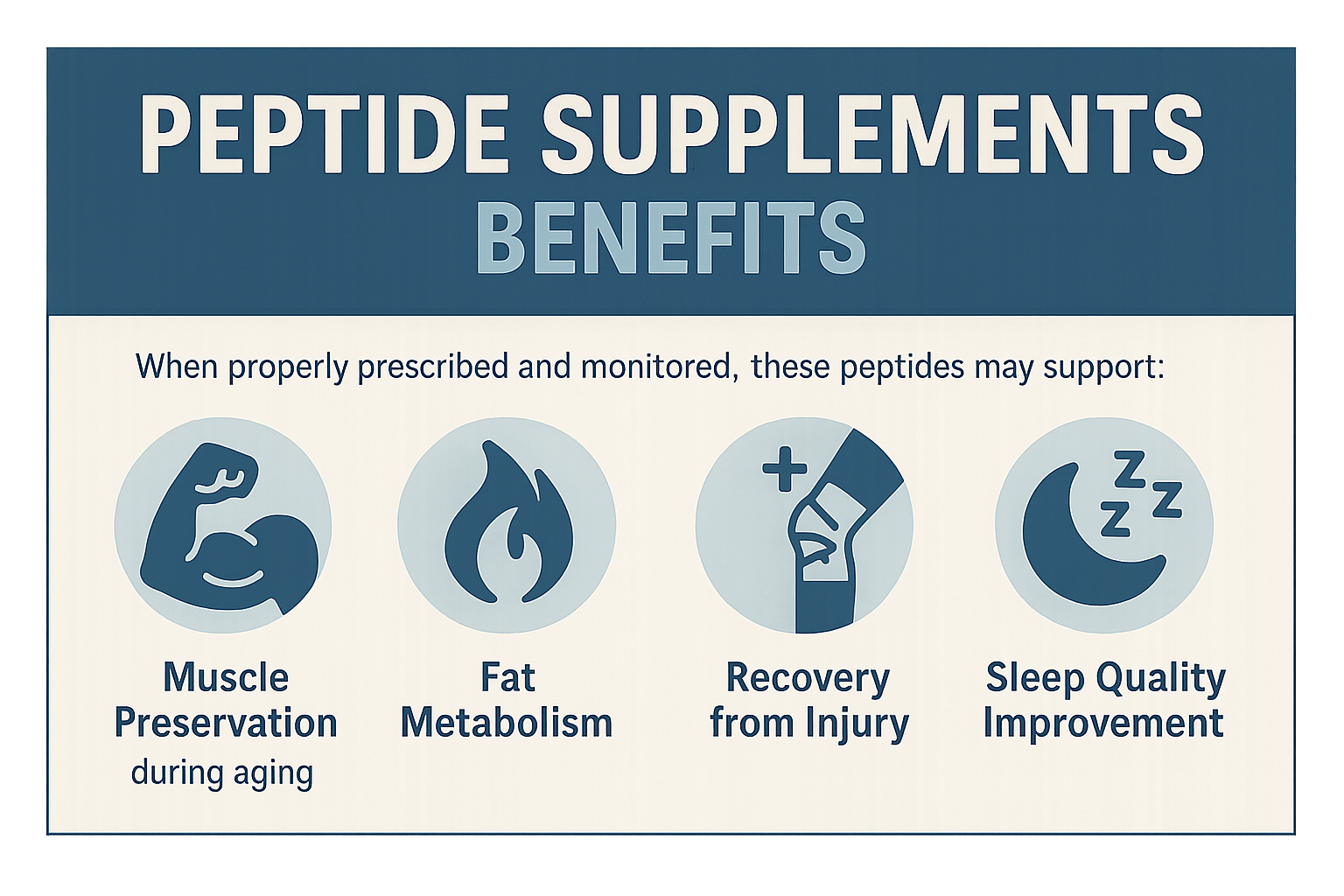
When properly prescribed and monitored, these peptides may help preserve muscle mass as you age, improve how your body uses fat for energy, speed up recovery after injuries, and even improve sleep quality. Their effects can be quite remarkable for the right candidates, particularly those dealing with age-related changes in body composition.
Emerging Therapeutic Peptides (BPC-157, MOTS-c)
The peptide world is constantly evolving, with fascinating new compounds emerging from research labs. Two that have generated significant excitement are BPC-157 and MOTS-c.
BPC-157, sometimes called the “healing peptide,” contains just 15 amino acids but packs a powerful punch. Derived from a protective protein found in gastric juice, it shows remarkable ability to accelerate healing in tendons, ligaments, and muscles. We’ve seen impressive results in clients recovering from injuries that weren’t responding well to conventional treatments. It also appears to support gut health and may even help protect nerve function.
MOTS-c works differently, targeting your mitochondria – the tiny powerhouses in your cells. Early research suggests it may help regulate metabolic health, improve exercise capacity, and potentially influence longevity pathways. While research is still in early stages, the potential applications for healthy aging are fascinating.
These emerging peptides highlight just how exciting this field is becoming. While human clinical trials are still catching up to laboratory findings, the potential health applications continue to expand in promising directions.
Evidence-Based Health Benefits
The science behind peptide supplements is both fascinating and promising, with research revealing benefits that touch nearly every aspect of our health. Let’s explore what these powerful compounds can do for you:
Skin Elasticity & Anti-Aging
If you’ve noticed those first signs of aging in the mirror, collagen peptides might become your new best friend. The research here is particularly exciting.
Women taking 10g of collagen peptides daily in one Journal of Cosmetic Dermatology study saw their skin moisture levels jump by 28% after just 8 weeks. Even better, those annoying fine lines started to fade away.
Peptide supplements work their magic on skin in multiple ways. They boost hydration by helping your skin retain moisture. They improve elasticity—that bounce-back quality we all love. And perhaps most visibly, they can actually reduce wrinkle depth over time.
What’s particularly interesting is how some peptides offer natural UV protection, helping shield your skin cells from sun damage. At Sexual Wellness Centers of America, we’ve watched clients’ skin transform within just 1-3 months of starting a quality collagen peptide regimen—often appearing noticeably more youthful and radiant.
Muscle Growth & Exercise Recovery
Whether you’re a dedicated gym-goer or simply want to maintain strength as you age, certain peptide supplements offer impressive benefits for your muscles.
The science is clear—peptides can kickstart your body’s protein synthesis machinery, essentially turning up the dial on muscle building. They also help you bounce back faster after tough workouts by speeding up repair of exercise-induced muscle damage.
I’ve been particularly impressed by research in the British Journal of Nutrition showing that older men with age-related muscle loss who combined collagen peptides with resistance training gained more muscle and strength than those who just exercised. This mirrors what we’ve seen with our clients at Sexual Wellness Centers of America, where the right peptide protocols have helped people maintain vibrant, functional muscle even as they enter their 50s, 60s, and beyond.
Joint, Bone & Wound Healing
Your body’s structural tissues—the parts that hold you together and keep you moving—particularly love peptide supplements.
Collagen peptides provide the raw materials your body needs to repair cartilage, potentially easing joint discomfort. For bone health, the news is equally good. A 2018 study in Nutrients found that postmenopausal women taking daily collagen peptides for a year showed significant increases in bone mineral density compared to those taking placebo.
Beyond joints and bones, certain peptides show remarkable abilities to speed wound healing by stimulating skin cells to multiply and migrate to injured areas. And for athletes or anyone with nagging tendon or ligament issues, emerging research on peptides like BPC-157 offers new hope for faster recovery.
Metabolic & Immune Modulation
Peptide supplements don’t just work on the parts of you that you can see—they also influence internal systems that keep you healthy.
Some peptides have natural ACE-inhibitory effects that help maintain healthy blood pressure. Others act as powerful antioxidants, neutralizing the free radicals that contribute to aging and disease. Certain peptides can even improve how your body processes glucose, potentially supporting better insulin sensitivity.
The Journal of Functional Foods published research showing that milk-derived peptides significantly reduced blood pressure in people with mild hypertension—just one example of their broader health benefits.
At Sexual Wellness Centers of America, we’ve found that incorporating metabolic-supporting peptides into comprehensive wellness programs helps clients achieve balanced hormones and optimized health markers. These small but mighty compounds work behind the scenes to support your body’s most essential functions.
The evidence for peptide supplements continues to grow, painting a picture of versatile compounds that can support health from your skin to your immune system and everything in between.
Safety, Side Effects & Legal Landscape
While peptide supplements offer numerous benefits, it’s important to understand their safety profile and legal status before adding them to your wellness routine.

Safe Use of Peptide Supplements: Side Effects to Watch
The good news is that most commercially available peptide supplements, especially collagen peptides, have excellent safety records. In fact, an 8-week study of people taking oral collagen peptides found zero adverse reactions among participants.
That said, your body is unique, and some people may experience mild side effects. The most common is a bit of tummy trouble when first starting – maybe some nausea, bloating, or loose stools as your system adjusts. These symptoms typically fade after a few days of consistent use.
If you have allergies, pay special attention to the source of your peptides. Someone with a fish allergy should obviously avoid marine collagen peptides, and those with egg sensitivities should steer clear of egg-derived peptides.
Some users notice changes in appetite – certain peptides might make you hungrier, while others could slightly reduce your appetite. We’ve also observed that some peptides can influence blood sugar levels by affecting insulin sensitivity, which is something to monitor if you have diabetes or pre-diabetes.
At Sexual Wellness Centers of America, we carefully screen all our clients for potential issues and keep a close eye on how they respond to their personalized peptide protocols.
Off-Label & Injectable Risks
It’s crucial to draw a clear line between the commercially available oral peptide supplements you might pick up at your local health store and injectable peptides that sometimes get used off-label.
Injectable peptides come with additional considerations. Without proper medical supervision, there’s risk of contamination and infection if sterile techniques aren’t followed. Dosing can be tricky, and getting it wrong could lead to unwanted effects.
Unfortunately, the market has its share of counterfeit products, especially online. These questionable peptides might contain impurities or incorrect concentrations – or sometimes completely different compounds altogether.
There are also legal considerations. Using prescription peptides without proper medical oversight isn’t just risky for your health – it could have legal consequences. For athletes, this is especially important, as many peptides are prohibited by anti-doping agencies and could end a career.
FDA, WADA & Quality Standards
The regulatory landscape for peptide supplements can be confusing because different types fall under different rules:
Oral peptides like your typical collagen supplement are regulated as dietary supplements. This means manufacturers must ensure they’re safe, but the FDA doesn’t require pre-market approval. It’s a “buyer beware” market, which is why third-party testing is so important.
Many injectable peptides require a prescription and FDA approval for specific medical conditions. These are held to much stricter standards but are also limited to approved uses.
Some peptides exist in a gray area as “research compounds” not approved for human consumption. These should generally be avoided unless you’re participating in a properly conducted clinical trial.
For competitive athletes, the World Anti-Doping Agency (WADA) prohibits many peptide hormones, growth factors, and related substances. Breaking these rules, even unintentionally, can lead to serious consequences for your athletic career. If you compete at any level, it’s worth checking the USADA’s information on peptide hormones regulation.
At Sexual Wellness Centers of America, we take these matters seriously. We only use peptides that are legally appropriate for their intended use and follow all applicable regulations. Your safety and wellbeing always come first, which is why we offer comprehensive consultations before recommending any peptide protocol.
How to Use Peptide Supplements Wisely
Taking peptide supplements isn’t just about swallowing pills or mixing powders into your smoothie. To get the most benefit with the least risk, you need a thoughtful approach that considers your unique health needs and goals.
The right dosage, timing, and form can make all the difference in your results. At Sexual Wellness Centers of America, we’ve seen how personalized peptide protocols can transform health outcomes when used correctly.
Getting Peptides from Food vs Peptide Supplements
Your body is already familiar with peptides from the foods you eat. Dairy products like yogurt and cheese contain casein and whey peptides. Eggs, fish (especially the skin and bones), soy products, and whole grains all provide various bioactive peptides that support your health.
Food sources offer these peptides in their natural state alongside complementary nutrients that may improve their effects. They’re generally safe and contribute to your overall nutrition. This is why we always recommend a foundation of nutrient-dense foods as part of any wellness plan.
However, peptide supplements offer distinct advantages that food alone can’t match. They provide concentrated, targeted peptides in precise amounts that would be difficult to obtain through diet. For example, you’d need to consume unrealistic amounts of bone broth to get the same collagen peptide benefits as a quality supplement.
“I always tell my clients to think of food as the foundation and supplements as the precision tools,” says Jeff Nuziard, CEO of Sexual Wellness Centers of America. “Both have their place in a comprehensive approach to wellness.”
Who May Benefit & Who Should Avoid Peptide Supplements
Peptide supplements can be particularly valuable for certain groups. Athletes and fitness enthusiasts often benefit from improved recovery times and better body composition. Adults concerned about age-related changes may see improvements in skin elasticity, joint comfort, and muscle maintenance.
People with specific health goals—like supporting gut health or improving sleep quality—may also find targeted peptides helpful when used as part of a comprehensive approach.
Not everyone should jump on the peptide bandwagon, though. Pregnant or breastfeeding women should exercise caution due to limited safety data. People with hormone-sensitive conditions should consult with healthcare providers before starting any peptide regimen.
Those taking multiple medications should be careful about potential interactions, and anyone with allergies to source materials like fish, eggs, or dairy should choose their supplements accordingly.
Before recommending any peptide protocol at Sexual Wellness Centers of America, we conduct thorough assessments, including comprehensive hormone and vitamin panels, to ensure the approach is appropriate and safe for each individual.
Finding High-Quality Products & Professional Support
The peptide supplement market is like the Wild West—there are treasures to be found, but also plenty of snake oil. Quality varies dramatically between products, making your selection process critical.
Look for supplements with third-party testing certification from respected organizations like NSF, USP, or UL. These independent verifications confirm that what’s on the label is actually in the bottle, without harmful contaminants.
Transparent companies will clearly state their peptide source and manufacturing processes. Good Manufacturing Practice (GMP) certification is another positive sign that proper quality control measures are in place.
Be wary of products making miraculous claims or those priced suspiciously low. Quality peptides require sophisticated manufacturing processes that are reflected in their cost.
For specialized peptide therapies beyond basic supplements, professional guidance becomes essential. At Sexual Wellness Centers of America, our personalized peptide therapy services include careful selection, precise dosing, and ongoing monitoring to ensure safety and effectiveness.
“The right peptide at the wrong dose is the wrong peptide,” is a saying we live by at our center. This philosophy guides our approach to helping clients steer the complex world of peptide therapy with confidence and safety.
Frequently Asked Questions about Peptide Supplements
What makes peptide supplements more absorbable than proteins?
When it comes to absorption, size really does matter! Peptide supplements have a distinct advantage over whole proteins because they’re already partially broken down.
Think of it this way: whole proteins are like large furniture that needs to be disassembled before it can fit through your door. Your digestive system has to work hard breaking these proteins into smaller pieces, and sometimes parts get left behind undigested.
Peptide supplements, on the other hand, are like furniture that’s already been taken apart—they can pass through your intestinal “doorway” much more easily. This more efficient absorption means you get more benefit from what you consume.
What’s particularly fascinating is that some bioactive peptides can even remain fully intact during absorption. As researchers noted in the Journal of Nutrition, “The bioavailability of peptides is generally higher than that of free amino acids because peptides are absorbed by different mechanisms and at different rates.”
This absorption advantage is why many of our clients at Sexual Wellness Centers of America report feeling benefits more quickly with peptides than with traditional protein supplements.
Are peptide supplements legal for competitive athletes?
If you’re an athlete, navigating peptide supplements requires some careful attention. The answer isn’t simply yes or no—it depends entirely on which peptide we’re talking about.
Generally permitted peptides include everyday supplements like collagen peptides, food-derived peptide products, and creatine peptides. These are widely available and usually pose no issues for drug testing.
On the flip side, generally prohibited peptides include growth hormone secretagogues (GHS), growth hormone releasing peptides (GHRP), IGF-1 and its analogues, and many other performance-enhancing peptides. These are typically banned by WADA and most sports organizations.
I always tell our athletic clients to treat this matter seriously. Check the most current prohibited substance list from your sport’s governing body before starting any new supplement. At Sexual Wellness Centers of America, we’re careful to help competitive athletes steer these considerations while still supporting their health goals through appropriate options.
How long does it take to notice benefits from peptide supplements?
Patience is key when starting peptide supplements, as the timeline for results varies widely depending on what you’re taking and what benefits you’re looking for.
Some effects appear relatively quickly. Within days to weeks, many people notice improved skin hydration, faster exercise recovery, and better sleep quality (with certain peptides).
Medium-term effects typically show up within weeks to months. This is when you might experience reduced joint discomfort, noticeable improvements in skin elasticity, and changes in body composition (especially when combined with exercise).
The more significant structural changes take longer—often months of consistent use. These include meaningful improvements in skin appearance, increased bone mineral density, and positive changes in connective tissues.
From what we’ve seen with clients at Sexual Wellness Centers of America, most people report subjective improvements in energy and recovery within the first few weeks of appropriate peptide therapy. However, the visible changes in body composition or skin quality typically become apparent after 2-3 months of consistent use.
Your body is constantly rebuilding itself, and peptide supplements work with these natural processes—which means they work at your body’s pace, not overnight. The good news is that the benefits tend to be more sustainable when they do appear.
Conclusion
Peptide supplements represent one of the most exciting frontiers in nutritional science and wellness today. Throughout this guide, we’ve explored how these remarkable compounds can improve everything from skin elasticity to muscle recovery and joint health. What makes peptides so special is their ability to deliver targeted benefits while complementing your overall wellness approach.
Think of peptides as the “Goldilocks” of supplements – not as simple as individual amino acids, yet not as complex as complete proteins. This unique middle ground allows them to interact with your body in specific and meaningful ways. Their improved absorption means they can get to work faster and more efficiently than many traditional supplements.
At Sexual Wellness Centers of America, we’ve seen how the right peptide protocols can transform our clients’ wellness journeys. Whether you’re noticing those first signs of aging, working to improve your athletic performance, or simply supporting your body’s natural functions, peptides offer something truly valuable.
That said, not all peptide supplements are created equal. Quality makes an enormous difference in both safety and effectiveness. Working with knowledgeable healthcare providers ensures you’re getting the right peptides for your unique situation – something we take very seriously with each client we see.
Peptides work best when they’re part of a bigger picture. The most successful approaches combine peptide supplements with proper nutrition, regular movement, effective stress management, and quality sleep. This integrated approach maximizes benefits while supporting your body’s natural capacity for healing and vitality.
If you’re curious about how peptides might fit into your wellness routine, we’d love to tell you more about our peptide therapy services. Our team at Sexual Wellness Centers of America specializes in creating personalized protocols based on comprehensive assessments. We don’t believe in one-size-fits-all solutions – your body and goals are unique, and your wellness plan should be too.
The journey to optimal health isn’t about quick fixes or miracle solutions. It’s about making informed choices that support your body’s incredible ability to maintain balance and function. Peptide supplements can be powerful tools on this journey when used wisely and with proper guidance.
We look forward to helping you find how peptides might improve your path to wellness, vitality, and optimal living.