
The Rise of Peptides for Hair Growth
Losing hair can be frustrating. Many people look for new ways to keep their hair strong and full. Recently, peptides for hair growth have gained significant attention, offering a fresh, science-backed approach to hair restoration.
But what are these compounds, and how do they help?
Here’s a quick look at what peptides are and how they benefit your hair:
- Peptides are building blocks. They are small chains of amino acids, the same ones that make up proteins like the keratin in your hair.
- They act like messengers. Peptides signal your cells to perform specific functions, such as starting or boosting hair growth.
- They support scalp health. Peptides can help improve blood flow to your scalp, which is essential for healthy hair.
- They fight damage. Some peptides reduce inflammation and protect hair cells from stress, keeping your hair follicles in better condition.
While many hair loss solutions have come and gone, the science behind peptides is exciting. They offer a promising path for those seeking thicker, healthier hair.
I’m Jeff Nuziard, and at Sexual Wellness Centers of America, we’re dedicated to cutting-edge solutions like peptides for hair growth to help you feel your best. My work focuses on empowering individuals to improve their health and well-being through advanced, science-backed treatments.
How Peptides Work to Stimulate Hair Growth
Think of your hair follicles as tiny factories. To produce strong, healthy hair, they need clear instructions and the right environment. This is where peptides for hair growth excel.
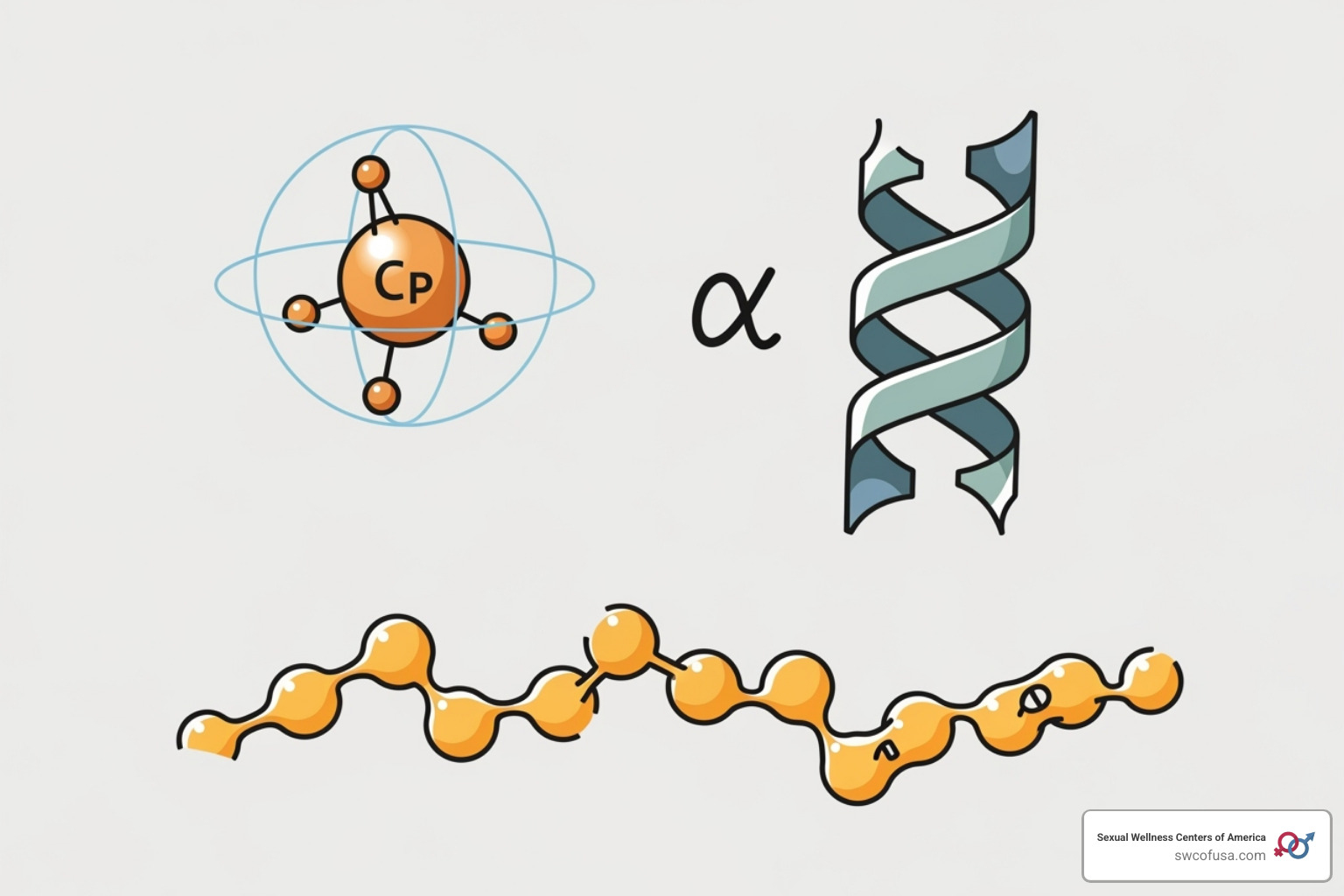
Peptides are short chains of amino acids, the building blocks of proteins. Their small size—typically two to fifty amino acids—is their superpower, allowing them to penetrate tissues easily and act as messengers.
Your body naturally produces many peptides. For hair, these small chains work in several key ways.
Cellular signaling is where peptides excel. They act as biological messengers, instructing hair follicle cells to switch on genes that boost hair growth and thickness. They also signal cells to release growth factors that awaken dormant follicles.
Protein synthesis gets a major boost from peptides. Since hair is mostly keratin (a protein), peptides provide the raw materials and instructions needed to build strong strands.
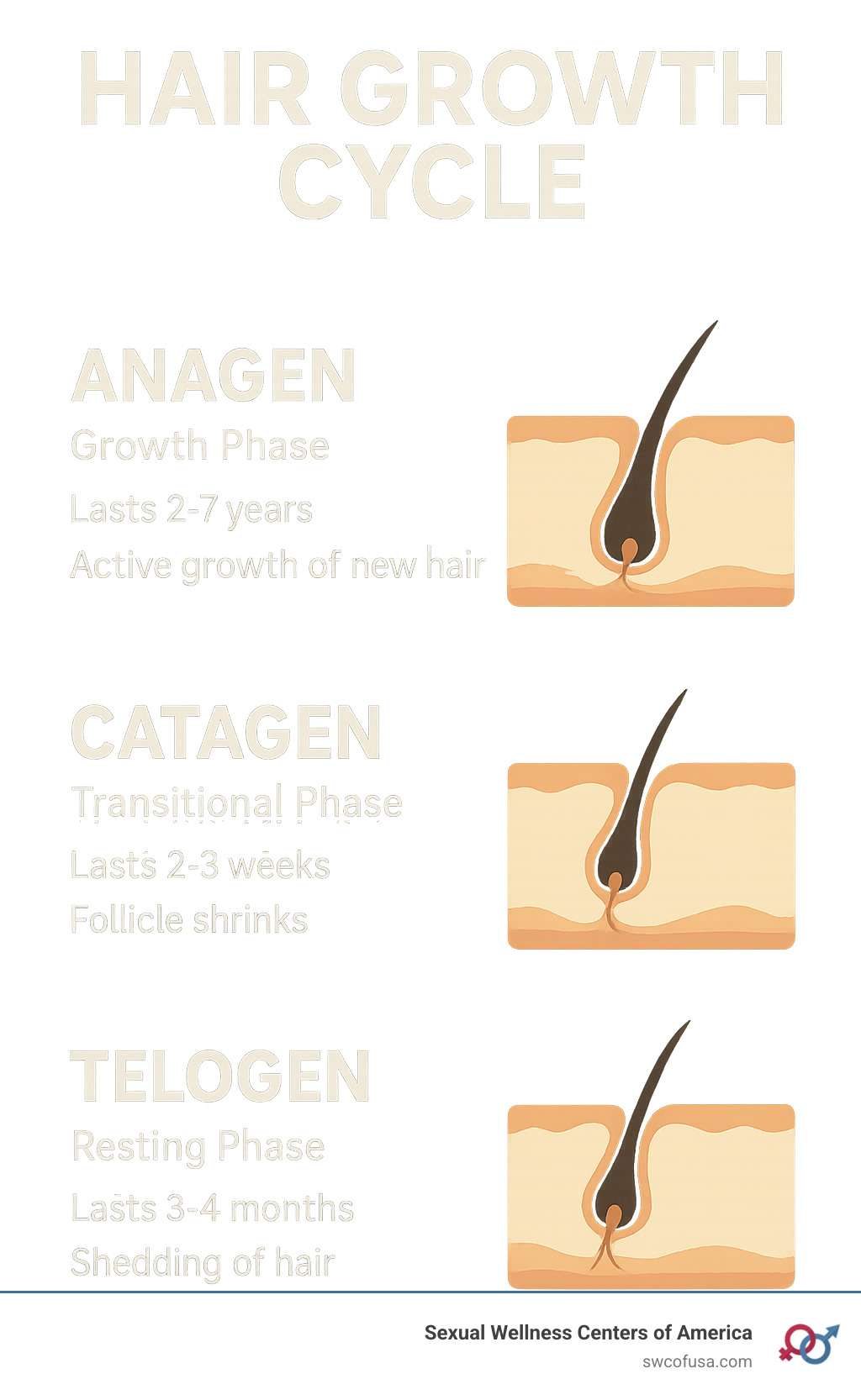
Peptides can extend the anagen phase, the active growth period of your hair cycle. By keeping hair in the growth phase longer, they promote longer, thicker hair.
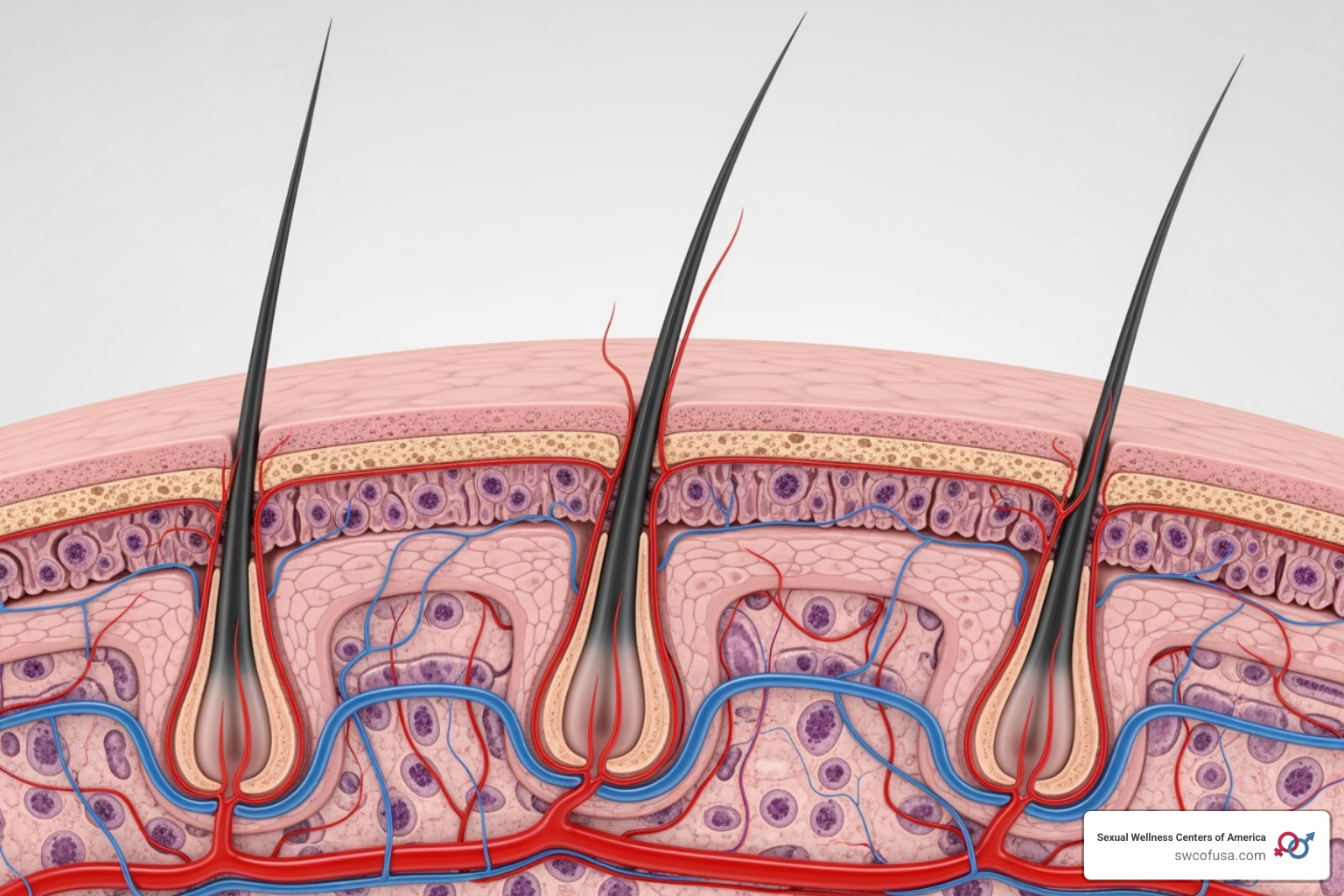
Blood circulation to the scalp improves with certain peptides. Hair follicles need oxygen and nutrients from the bloodstream. Some peptides help form new blood vessels, improving nutrient delivery to hair roots.
Combating inflammation and oxidative stress is another way peptides protect your hair. Inflammation can damage hair follicles and slow growth. Many peptides have powerful anti-inflammatory properties that create a healthier environment for hair growth. Scientific research on peptides’ anti-inflammatory properties shows how they protect cells and tissues, which is great news for your scalp health.
Some peptides even help balance hormones like DHT, which can cause hair loss. By helping regulate these hormones, peptides tackle a root cause of hair thinning.
The beauty of peptides for hair growth is that they don’t just mask the problem; they work at the cellular level to improve hair follicle function. This leads to stronger, more sustainable hair growth.
Key Types of Peptides for Hair Growth
The world of peptides is vast, with each type acting as a unique bio-signaling molecule for targeted action. For hair growth, certain peptides are frontrunners due to their specific mechanisms and promising results.
Each peptide has a special job, but they all work toward the goal of healthier, fuller hair.
Copper Peptides: The Scalp Regenerators
Among peptides for hair growth, copper peptides are standouts. The main players are Glycyl-L-Histidyl-L-Lysine Copper (GHK-Cu) and Alanine-Histidine-Lysine Copper (AHK-Cu). GHK-Cu is naturally found in the body, but its levels drop as we age, which can impact hair health.
Copper peptides have powerful anti-aging and wound healing properties that refresh the scalp, creating better conditions for hair growth. Copper is essential for hair growth, and GHK-Cu delivers this vital nutrient directly to the follicles.
GHK-Cu works in several ways. It boosts blood circulation by promoting new blood vessel formation, increasing Vascular Endothelial Growth Factor (VEGF) to improve nutrient delivery. It also directly stimulates hair follicles, encouraging them to stay in the growth phase longer. It also helps reduce DHT, the hormone that shrinks hair follicles in pattern baldness, by blocking the enzyme that converts testosterone to DHT.
Additionally, GHK-Cu supports collagen production for a healthy scalp, fights inflammation, and protects against free radical damage. Study on GHK-Cu’s regenerative actions shows it can influence over 4,000 human genes, helping to reset DNA to a healthier state.
The delivery challenge has been getting these peptides through the scalp effectively. New delivery systems are changing the game, with some improving copper peptide delivery by about three times. With improved delivery, hair follicles can enter early growth stages in just 6 days—significantly faster than traditional treatments—leading to quicker results.
Collagen and Keratin Peptides: The Structural Foundation
While copper peptides stimulate, collagen and keratin peptides provide your hair’s construction materials.
Collagen peptides are like the scaffolding for healthy hair. They provide the amino acid building blocks your body needs to create hair proteins. They strengthen the hair shaft and improve scalp elasticity, which helps prevent breakage and thinning. The result is hair that feels stronger and looks thicker.
Keratin peptides are more direct. Since keratin is the primary protein in hair, these peptides give your hair what it’s made of. They repair damage to the hair cuticle, strengthen the shaft, and reduce frizz. Research on keratin peptides for hair strength confirms their role in making hair fibers stronger and more resilient.
Other Advanced Peptides for Hair Growth
Research continues to uncover other promising peptides for hair growth:
Thymosin Beta-4 (TB-500) is a key peptide for tissue repair. It activates hair follicle stem cells, helping them transform into new hair cells. It also improves the cellular environment and increases blood vessel formation. While current studies are mainly in animal models, results are promising for accelerating hair regrowth.
APN5 is a synthetic derivative that mimics adiponectin. It works similarly to well-known hair growth treatments, causing hair shaft elongation and increasing key growth hormones like VEGF, IGF-1, and HGF.
BPC-157, or “Body Protection Compound-157,” is known for its tissue healing and anti-inflammatory properties. Its ability to improve collagen formation and blood vessel growth can create a healthier scalp environment.
CJC-1295 takes an indirect approach. This growth hormone-releasing peptide can influence hair growth by affecting overall growth hormone levels, which can help decrease DHT concentrations.
Application Methods: How to Use Peptides for Hair
Peptides for hair growth are flexible. You can add them to your routine through topical applications or systemic supplements, choosing the option that best fits your lifestyle.
Topical Peptide Serums
Topical serums are leave-in formulas applied directly to the scalp, delivering peptides right where they are needed.
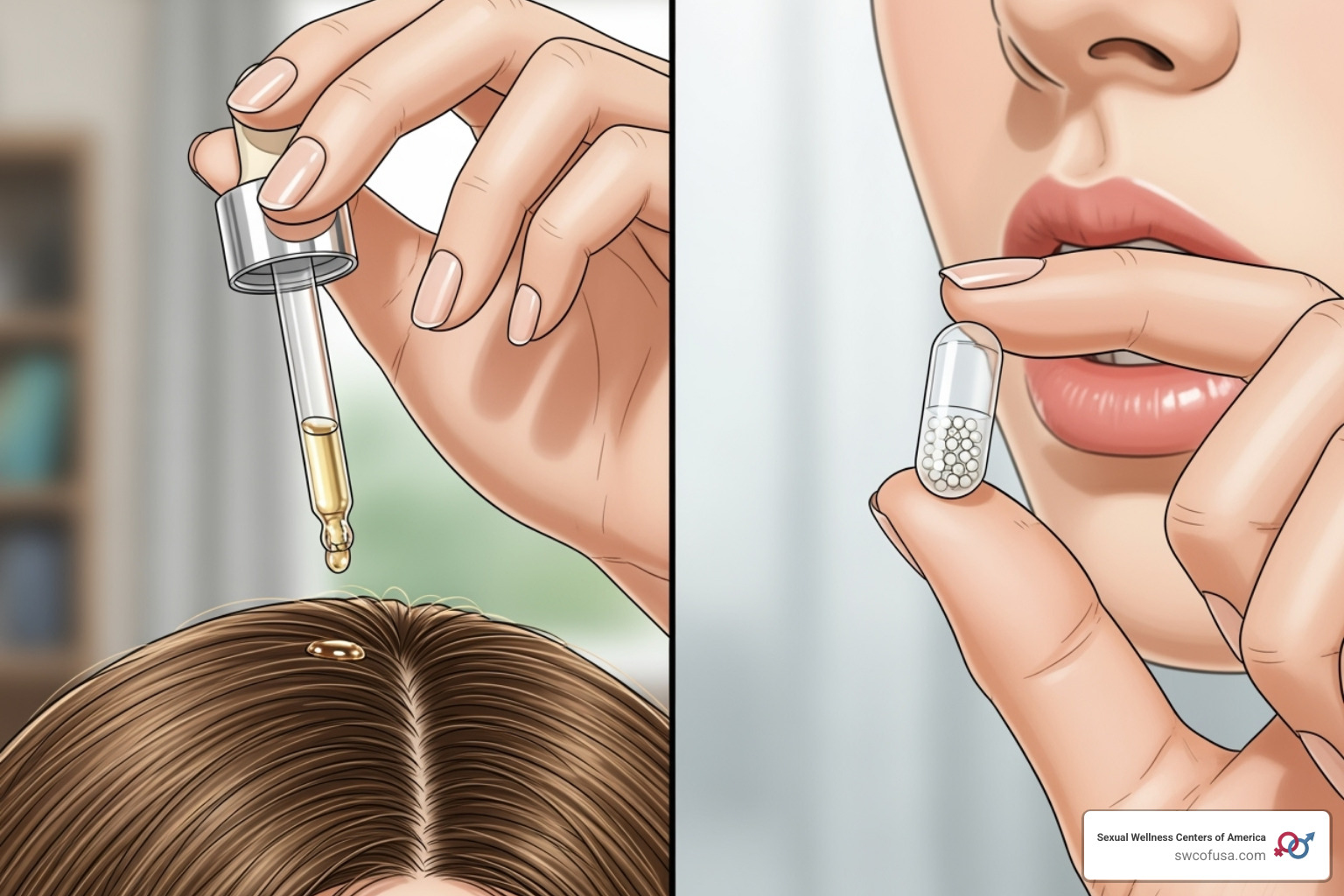
Daily application is typical. Apply a few drops to a clean, dry scalp once daily, usually at bedtime. Gently massage it in with your fingertips to get the serum to the scalp, not just the hair, targeting hair follicle stem cells at the root.
Consistency is key. With regular use, many people notice improvements in hair texture and thickness within a few months.
Many common peptide complexes in serums include proprietary blends like REDENSYL™, Procapil™, and CAPIXYL™. These often contain biomimetic peptides such as Biotinoyl Tripeptide-1 and Acetyl Tetrapeptide-3, working alongside other beneficial ingredients.
Oral Peptide Supplements
Oral supplements work from the inside out, offering systemic benefits for hair, skin, and nails by supporting your whole body’s health.
Collagen peptides are the most popular choice. Available in powder or capsule form, they are easy to add to your daily routine, such as in coffee or a smoothie.
The bioavailability of oral peptides can vary; hydrolyzed collagen peptides are processed to be more easily absorbed. While not as targeted as topical applications, they provide the amino acid building blocks your body needs for healthy keratin production.
A benefit of oral supplements is their holistic approach; you may also notice improvements in skin elasticity and nail strength.
The recommended forms and dosages for collagen peptides typically range from 2.5 to 15 grams daily. It’s always wise to start with a lower dose and consult the product’s instructions.
Peptides vs. Traditional Hair Loss Approaches
Let’s compare peptides for hair growth to traditional treatments.
| Feature | Peptides for Hair Growth | Traditional Treatments |
|---|---|---|
| Mechanism of Action | Cellular signaling, follicle stimulation, angiogenesis, anti-inflammatory, collagen/elastin production, DHT modulation (some). | Vasodilation and anagen phase extension, or DHT blocking through enzyme inhibition. |
| How to Use | Topical serums, oral supplements, injectable treatments (clinic-administered). | Topical solutions/foams or oral tablets. |
| Side Effect Profile | Generally well-tolerated. Potential for skin irritation, allergic reactions, temporary shedding. Injection-related risks. | Can include scalp irritation, unwanted hair growth in other areas, or sexual side effects with oral medications. |
| Availability | Over-the-counter (topical/oral), clinic-administered (injectable). | Over-the-counter and prescription options available. |
Peptides have a different approach. While traditional treatments often use single pathways (like increasing blood flow or blocking hormones), peptides for hair growth work at the cellular level to signal follicles to grow and stay healthy.
Peptides don’t have to be an either-or choice. They work well as a complementary therapy alongside other treatments like microneedling or low-level laser therapy to boost overall results.
One major advantage is versatility. Peptides are generally suitable for both men and women with various types of hair loss. Whether it’s pattern baldness, stress-related shedding, or general thinning, peptides can address underlying issues like inflammation and poor circulation.
For people who have experienced side effects from traditional treatments or prefer a more natural approach, peptides offer a compelling alternative. They tend to be gentler while still being effective.
Safety, Efficacy, and What to Expect
When considering peptides for hair growth, it’s important to understand their safety and realistic results. Peptides are generally well-tolerated, but there are key points to know before starting.
Quality matters. The safety of peptides depends on their sourcing and manufacturing. We recommend choosing products from reputable manufacturers with strict quality standards. Injectable peptides should only be administered by qualified healthcare professionals in a clinical setting.
Side effects are usually mild. With topical serums, the most common issues are minor skin irritation, redness, or itching. Allergic reactions are rare. Always do a patch test on a small area of skin first to check for sensitivity.
You might notice temporary increased hair shedding in the first few weeks. This “hair cycling” often means the treatment is working, as follicles clear out old hairs to make room for new, stronger ones.
Oral peptides like collagen are very safe for most people, with mild digestive upset being a rare side effect. Injectable peptides carry the typical risks of any injection, like pain or bruising, which is why professional administration is crucial.
It’s important to have realistic expectations. Hair growth is a gradual process, and peptides for hair growth work by influencing your natural hair cycle, which takes time.
Most people start noticing improvements in hair density, reduced shedding, and better hair quality within 3 to 6 months of consistent use. Significant changes can take up to a year.
Consistency is crucial. Daily use of topical serums or oral supplements is key to achieving results.
Peptides aren’t a magic cure for complete baldness, especially where follicles have disappeared. They work best for revitalizing thinning hair and improving the density of existing hair.
Before you start any peptide treatment, talk to a healthcare professional. This is essential. They can assess your type of hair loss, rule out underlying medical conditions, and help create an effective treatment plan.
At Sexual Wellness Centers of America, we understand that hair restoration is personal. We emphasize professional guidance to ensure both safety and optimal results with peptide-based treatments.
Frequently Asked Questions about Peptides for Hair Growth
Here are answers to the most common questions we hear about peptides for hair growth.
Can peptides completely reverse baldness?
Peptides for hair growth show remarkable potential but work best for specific situations. They excel at addressing hair thinning and miniaturization, where follicles are still present but struggling. They are effective at revitalizing dormant follicles that haven’t completely disappeared.
However, if an area has been bald for years and the follicles have disappeared, peptides cannot create new ones. In these cases, hair transplantation might be a more realistic option.
It’s key to have realistic expectations. Many people see fuller, healthier-looking hair with consistent peptide treatment.
Are peptides for hair growth effective for all types of hair loss?
Peptides for hair growth have broad applicability and can address multiple issues.
For androgenetic alopecia (pattern baldness), peptides can be helpful for both men and women by modulating DHT and improving circulation.
Telogen effluvium, hair loss that happens after stress, hormonal changes, or nutritional deficiencies, is another area where peptides help. They strengthen follicles, reduce inflammation, and encourage hair to re-enter its growth phase.
Even with conditions like alopecia areata, the anti-inflammatory properties of some peptides can help manage the underlying immune response.
Peptides are effective across different types of hair loss because they address fundamental issues like inflammation, poor circulation, and suboptimal follicle function.
Can I combine peptide treatments with microneedling or LLLT?
Yes. Combining peptides for hair growth with other treatments often creates synergistic effects, meaning the combined result is greater than the sum of the parts.
Microneedling and peptides are an excellent team. Microneedling creates microscopic channels in the scalp, which triggers the body’s healing response and allows peptide serums to penetrate deeper for improved effectiveness.
Low-Level Laser Therapy (LLLT) is another great complement. LLLT uses gentle laser light to boost cellular energy in hair follicles. Combining this with the signaling power of peptides creates an ideal environment for hair growth.
The important thing is to have a professional guiding your journey. At Sexual Wellness Centers of America, we specialize in creating comprehensive treatment plans that might include our advanced REGENmax® technology alongside peptide treatments. This ensures you get the most effective and safe combination for your situation.
Since every person’s hair loss is unique, the best results often come from a personalized, combined treatment approach.
Conclusion: A Promising Future for Fuller, Healthier Hair
For many, the story of their hair includes thinning and searching for solutions. Now, science offers new hope in the form of peptides for hair growth.
We’ve seen how these molecules work at the cellular level, sending signals that awaken dormant follicles and create an ideal environment for healthy hair growth.
The multifaceted benefits of peptides are impressive. Copper peptides rebuild and strengthen the scalp’s foundation while boosting blood flow. Collagen and keratin peptides provide essential building blocks for stronger, more resilient hair strands. Advanced compounds like Thymosin Beta-4 and APN5 continue to push the boundaries of hair restoration.
This approach is promising due to its versatility. Whether you prefer a daily serum, oral supplements, or professional treatments, there is a peptide solution to fit your lifestyle.
This is a science-backed approach to hair restoration that represents the future of regenerative medicine in aesthetics. It moves beyond one-size-fits-all solutions toward personalized treatments that work with your body’s natural processes.
At Sexual Wellness Centers of America, we’ve seen how cutting-edge science and personalized care can transform lives. If you’re ready to explore what peptides for hair growth can do for you, we’re here to help create a treatment plan that’s as unique as you are.
To explore personalized regenerative treatments and create a comprehensive hair restoration plan, consult with the experts at Sexual Wellness Centers of America. Learn more about our advanced REGENmax® hair restoration therapies and find how we can help you write the next chapter of your hair story—one filled with confidence, vitality, and the fuller, healthier hair you deserve.