
You may have noticed that erections are less reliable, desire has changed, or intimacy now requires more planning than it once did. You might also be wondering whether a prescription is enough, whether hormone testing is necessary, or whether anxiety and relationship stress are being overlooked. Those questions deserve more than a rushed appointment and a generic protocol.
Personalized treatment planning starts with the understanding that sexual function reflects several systems at once. A careful clinician looks at your symptoms, physiology, health history, medications, goals, and circumstances, then builds a plan that can change as new information appears.
Table of Contents
- Why Generic Approaches Fall Short for Sexual Health
- The Assessment and Lab Work Foundation
- How Clinicians Match Treatments to Individual Needs
- Regenerative Protocols and When to Use Them
- Integrating Hormones and Lifestyle Into the Plan
- Follow-Up and Long-Term Maintenance Strategies
Why Generic Approaches Fall Short for Sexual Health
A man in his early fifties may wait years before asking for help. He may still have occasional erections, so he tells himself the problem isn't serious. When he finally schedules a visit, he expects a prescription for a PDE5 inhibitor and a quick dismissal.
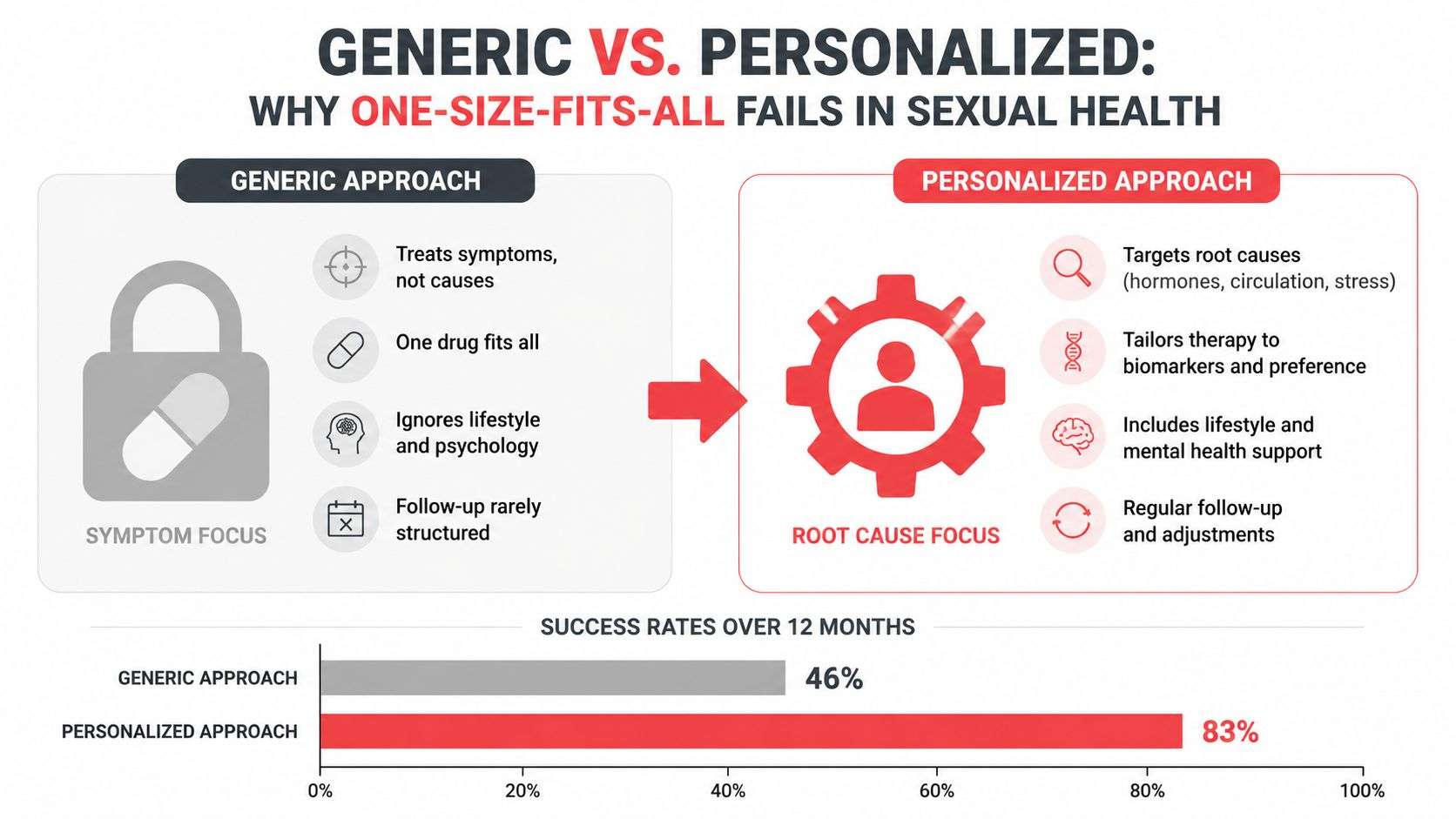
That approach can be useful for some patients, but it isn't a complete evaluation. Erectile dysfunction may involve vascular risk, diabetes, medication effects, endocrine abnormalities, neurological factors, performance anxiety, relationship tension, or several of these at the same time. The EAU guidance on erectile dysfunction management states that treatment should reflect invasiveness, tolerability, effectiveness, and the patient's expectations.
The symptom isn't the whole diagnosis
A tablet may improve blood flow without addressing poorly controlled metabolic health, low testosterone, medication side effects, or fear of sexual failure. If the underlying contributor remains untreated, the patient may use the medication inconsistently, conclude that nothing works, or escalate prematurely to invasive options.
Personalized care asks different questions:
- What changed first? A gradual decline may point toward vascular or metabolic contributors, while a sudden change may require attention to medication, stress, injury, or relationship circumstances.
- What happens in other settings? Morning erections, masturbation, and partnered intimacy can provide useful context, although they don't establish a diagnosis by themselves.
- What does the patient want? Some people prioritize spontaneity, others want a non-invasive starting point, and some want the most reliable option even if it requires injections or a device.
- What risks need attention now? ED can coexist with cardiometabolic disease, so a sexual health consultation may identify a need for broader medical evaluation.
A systematic review found that individualized care plans had a measurable evidence base in chronic disease care, although the evidence was heterogeneous and generally low quality. The review linked individualized plans most strongly with symptom improvement in depressed adults, while later primary-care evidence described small improvements in quality of care for diabetes, hypertension, and asthma, along with better self-efficacy and self-care when plans were integrated into routine care. The review and JAMA commentary are summarized in PubMed.
Clinical perspective: A treatment plan shouldn't be judged by how advanced it sounds. It should be judged by whether it matches the patient's cause, preferences, safety profile, and response over time.
The Assessment and Lab Work Foundation
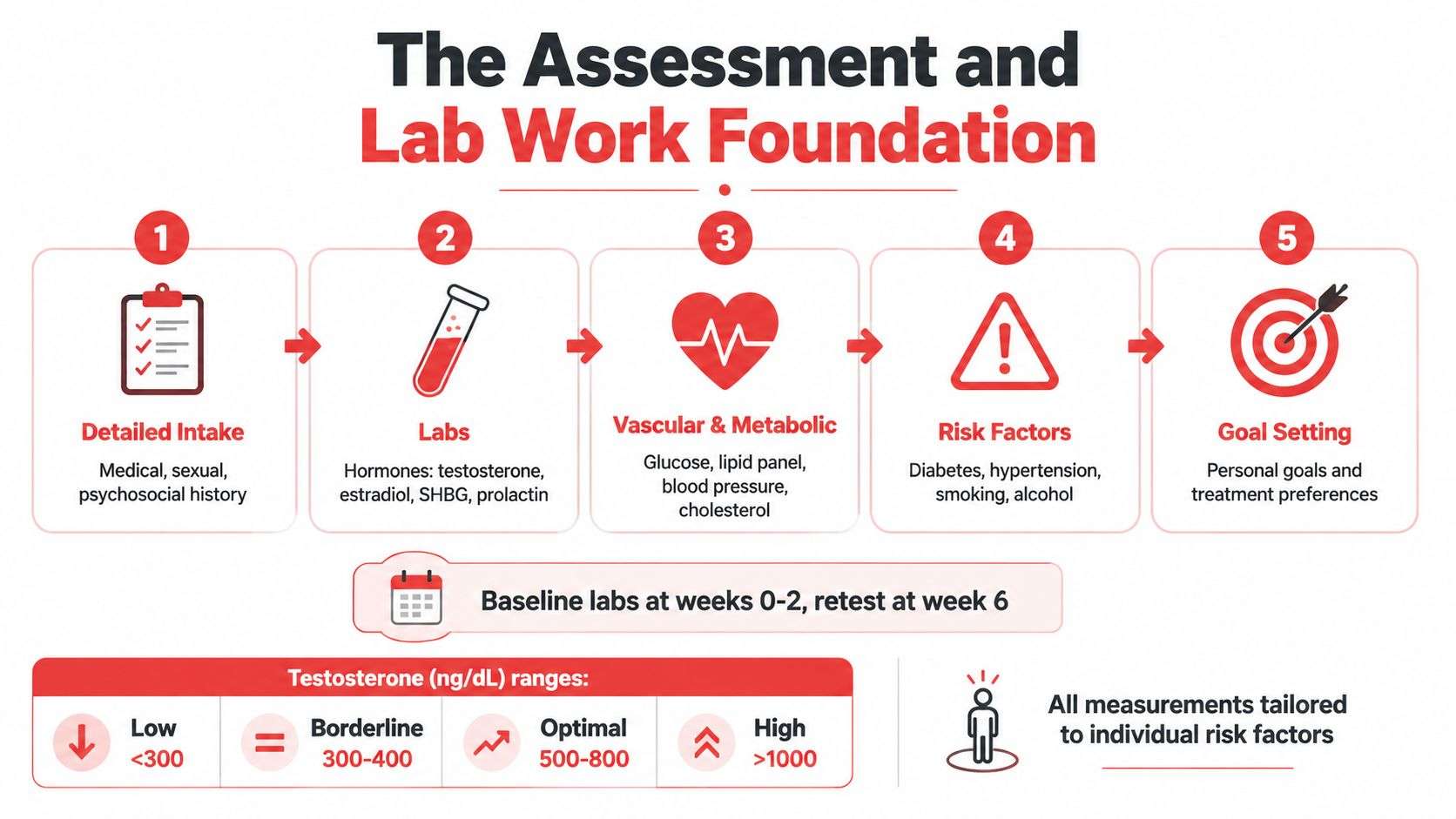
Personalized treatment planning begins before a treatment recommendation. The first consultation should establish a clear baseline, identify reversible contributors, and define what improvement means to you.
Step one, the clinical interview
The clinician should ask about erection quality, libido, ejaculation, orgasm, pain, curvature, morning erections, previous treatments, and the timeline of change. Questions about partners, communication, anxiety, depression, sleep, exercise, alcohol, tobacco, and stress aren't intrusive extras. They help distinguish a primarily physiological problem from one that needs a combined medical and psychosocial approach.
Medication review is equally important. Blood-pressure drugs, antidepressants, pain medicines, hormone treatments, and recreational substances can affect sexual response. Diabetes, cardiovascular disease, neurological conditions, pelvic surgery, and sleep-related breathing problems also change the clinical pathway.
Step two, quantify the starting point
A validated questionnaire such as the IIEF-5 or SHIM can help quantify baseline erectile function. A score doesn't replace conversation or examination, but it creates a consistent reference for follow-up. The clinician can compare your experience over time instead of relying only on a general impression such as “somewhat better.”
Step three, order targeted testing
Laboratory testing should reflect the history and examination rather than become an indiscriminate search for abnormalities. Depending on the patient, clinicians may assess total and free testosterone, estradiol, SHBG, prolactin, thyroid function, fasting glucose, HbA1c, lipids, and PSA where appropriate.
Each result answers a different question. Total testosterone may not describe the amount available to tissues if binding proteins alter free testosterone. Glucose and HbA1c can reveal metabolic factors that affect endothelial function. Thyroid and prolactin abnormalities may shift libido and erectile response, while PSA and other safety tests may matter when hormone treatment is being considered.
For a patient preparing for testing, this guide to hormone panel tests can help clarify why clinicians order multiple markers rather than relying on a single result.
Step four, examine vascular and physical factors
A focused physical examination may evaluate blood pressure, body composition, pulses, genital anatomy, testicular findings, sensation, and penile curvature. Penile Doppler ultrasound can provide additional information about arterial inflow and venous function when the history or treatment response makes vascular testing useful.
The Canadian clinical guideline recommends assessing reversible and irreversible underlying factors. The ICSM 2024 recommendations similarly call for a medical and sexual history, focused physical examination, and laboratory testing to characterize the cause and guide management.
How Clinicians Match Treatments to Individual Needs
The treatment decision comes from the pattern, not from one isolated result. A clinician weighs symptom severity, blood-flow findings, hormone status, comorbidities, prior response, treatment tolerance, and the patient's preferred level of intervention.
For most men, PDE5 inhibitors remain the guideline-supported first-line medication. The EAU notes that there are no demonstrated efficacy differences among PDE5 inhibitors, so selection usually depends on timing, duration, side effects, interactions, cost, and personal preference. The ICSM 2024 recommendations emphasize titrating to the maximum tolerated dose before deciding that a medication has failed.
That doesn't mean every patient should receive the same prescription. Consider these examples:
| Patient profile | Key findings | Primary treatment direction |
|---|---|---|
| Reduced erections with diabetes and vascular risk | Metabolic risk, possible endothelial impairment, inconsistent rigidity | Address risk factors, coordinate medical care, optimize first-line medication, and reassess response |
| Low libido with fatigue | Symptoms suggest an endocrine contributor, requiring laboratory confirmation | Clarify hormone status and safety factors before considering hormone optimization |
| Normal hormones with vascular findings | Hormonal cause less likely, vascular assessment points toward impaired inflow | Discuss medication optimization, lifestyle changes, and selected non-surgical options |
| Erections vary mainly with partnered intimacy | Situational pattern, anxiety, conflict, or fear of failure may contribute | Combine medical assessment with counseling, CBT, mindfulness, or couple-focused support |
| Poor response or intolerance to oral medication | Adequate evaluation shows limited benefit or unacceptable adverse effects | Discuss injection therapy, vacuum erection devices, or other escalation based on goals |
Preference changes the order
A patient who wants the least invasive starting point may begin with risk-factor modification, medication optimization, and structured follow-up. Another patient may prefer an injection protocol because reliability matters more than convenience. Neither preference makes the plan irrational, provided the clinician explains benefits, limitations, risks, and alternatives.
The psychological and interpersonal literature supports using assessment to build an individualized plan that may include CBT, mindfulness, couple therapy, digital health support, or medical treatment. This is especially important when anxiety or relationship distress amplifies a physical problem.
The practical test: If two patients have the same complaint but different findings, a responsible plan should be able to explain why their starting treatments differ.
Personalized care also includes saying no. A normal hormone panel doesn't justify hormone therapy, and interest in regenerative treatment doesn't remove the need to manage diabetes, blood pressure, sleep, or medication effects. The strongest guideline-based pathway often begins with fundamentals before moving to more expensive or invasive add-ons.
Regenerative Protocols and When to Use Them
Regenerative therapies shouldn't be treated as interchangeable upgrades. Each modality has a proposed role, a different evidence profile, and a different level of certainty. The correct question is not “Which treatment is newest?” It is “What problem are we trying to address, and how strong is the evidence for this patient?”
Low-intensity shockwave therapy is generally considered in the context of vascular erectile dysfunction, particularly when the clinician identifies a plausible vascular target and the patient understands that results aren't guaranteed. The EAU describes limited data for some modalities, including low-intensity shockwave therapy, so expectations need to remain measured.
PRP injections use concentrated components of a patient's blood in an attempt to support tissue signaling and repair. Patients may ask about injection-based protocols for sensitivity, tissue quality, or erectile concerns, but the clinician should distinguish a proposed mechanism from established clinical benefit. A consultation should cover uncertainty, alternatives, cost, and what outcome will determine whether the treatment is continued.
Stem cell approaches remain investigational in many sexual health applications. They shouldn't be presented as a replacement for established evaluation or as a guaranteed solution for severe dysfunction.
| Modality | Primary mechanism | Best suited for | Typical protocol |
|---|---|---|---|
| Acoustic or shockwave therapy | Delivers mechanical energy to targeted tissue | Selected patients with suspected vascular contribution | A clinician-defined series with response review |
| PRP injection protocols | Uses concentrated blood components to support local tissue signaling | Carefully selected patients seeking a regenerative option | Injection planning based on anatomy, goals, and informed consent |
| Stem cell therapy | Investigates cellular repair and regeneration | Research settings or carefully governed investigational care | Protocol varies and requires explicit discussion of evidence |
| Combined regenerative care | Sequences more than one modality | Patients with multiple treatment targets and realistic expectations | Staged treatment with reassessment between modalities |
Sequencing matters more than stacking
A combined protocol such as REGENmax® may use acoustic therapy, laser therapy, and a concentrated injection approach in a sequence determined by the patient's findings and goals. That doesn't mean every patient needs every component. Someone whose primary issue is hormone deficiency may need little or no regenerative intervention, while a patient with documented vascular impairment may warrant a more focused discussion of non-surgical options.
Treatment spacing should allow the clinician to evaluate response and avoid adding interventions only because the first step hasn't had enough time to work. The tissue regeneration therapy information can help patients understand the type of regenerative care offered, but the consultation remains the place to determine suitability.
The EAU also recommends lifestyle and risk-factor modification before or alongside treatment. That principle keeps regenerative care in its proper place, as one possible component of a broader plan rather than a shortcut around diagnosis.
Integrating Hormones and Lifestyle Into the Plan
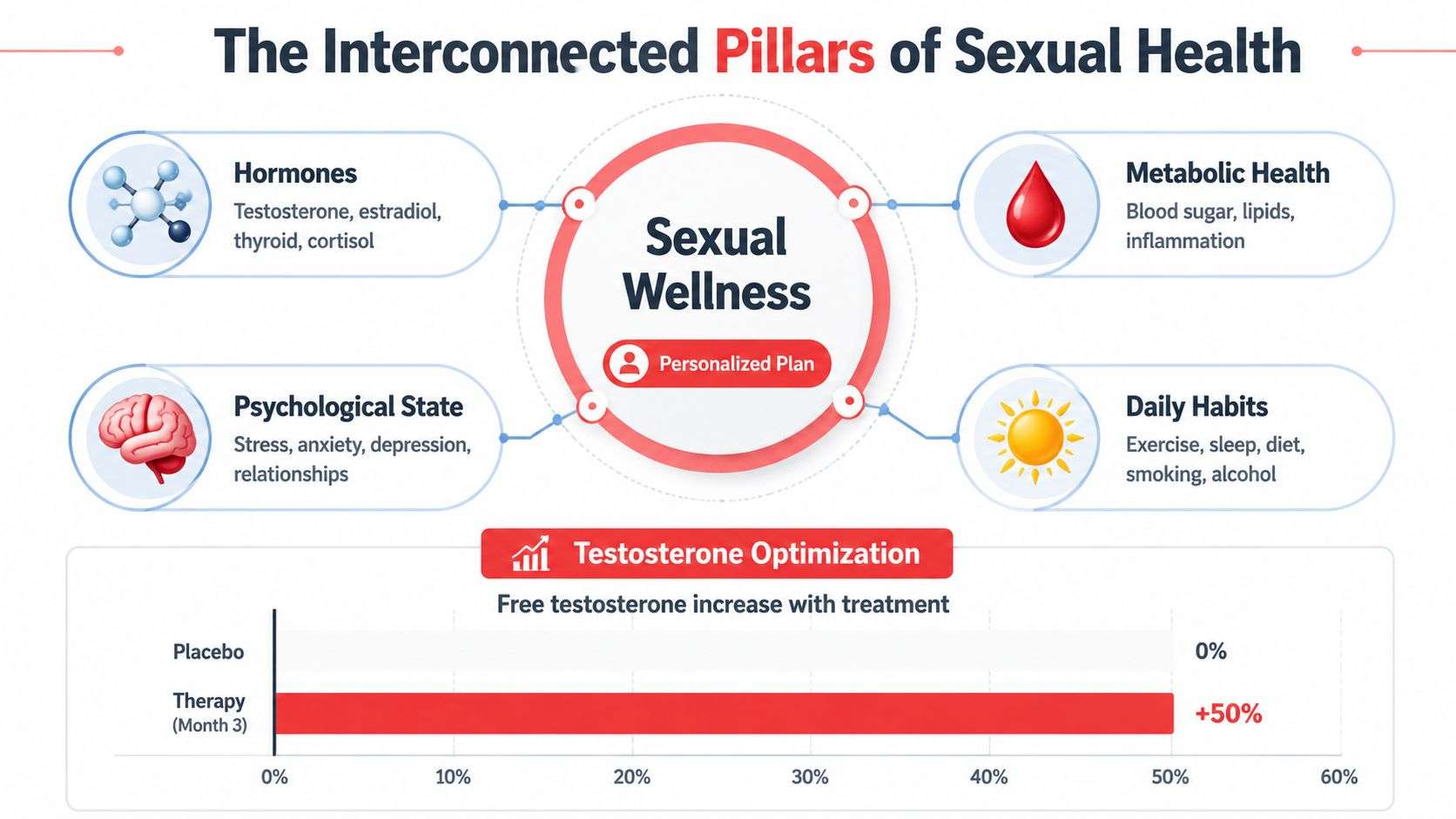
Sexual function depends on the interaction of endocrine, vascular, metabolic, psychological, and behavioral factors. A patient may have a testosterone concern, but total testosterone alone doesn't explain every change in libido or erection quality. Free testosterone, estradiol, thyroid function, sleep, mood, medications, and metabolic health can all influence the clinical picture.
Hormone treatment should follow confirmed deficiency, symptoms, contraindication screening, and ongoing monitoring. Dose changes should respond to symptom patterns and follow-up results, not to an arbitrary target selected without context. Hormone optimization may support libido in the right patient, but it won't automatically correct a vascular problem or resolve performance anxiety.
Daily habits can either support or obstruct treatment
Sleep deserves direct attention. Poor sleep can worsen energy, mood, metabolic health, and sexual interest, while untreated sleep-related breathing problems may complicate hormone management. Exercise should also be individualized. Resistance training may support general metabolic and physical health, but an overly demanding routine can increase fatigue and undermine recovery.
Nutrition is not a replacement for medical treatment, yet food choices influence weight, glucose regulation, inflammation, and vascular health. A clinician might recommend a practical pattern centered on minimally processed foods, adequate protein, fiber, and nutrient-rich produce rather than handing out a rigid diet.
Stress changes the body state needed for arousal. Chronic sympathetic activation can make it harder to shift into the relaxed, parasympathetic state associated with sexual response. Depending on the patient, the plan may include breathing exercises, therapy, mindfulness, relationship work, or a temporary reduction in performance pressure.
Translate advice into actions
“Improve your lifestyle” is too vague to guide behavior. A useful plan identifies the next action, how often it should happen, and what will be reviewed later.
- Sleep: Set a consistent sleep schedule and address snoring or suspected sleep-related breathing problems.
- Movement: Choose an achievable combination of aerobic activity and strength work based on fitness and medical status.
- Metabolic care: Review glucose, lipids, blood pressure, weight, and medication adherence with the appropriate clinician.
- Mental health: Screen for anxiety, depression, stress, and relationship strain when they affect desire or performance.
- Substance exposure: Discuss tobacco, alcohol, and recreational substances without judgment, then connect changes to the patient's goals.
For patients considering hormone care, this overview of how hormone replacement therapy may affect sexual health provides additional context. The decision still requires individualized evaluation, informed consent, and monitoring.
Follow-Up and Long-Term Maintenance Strategies
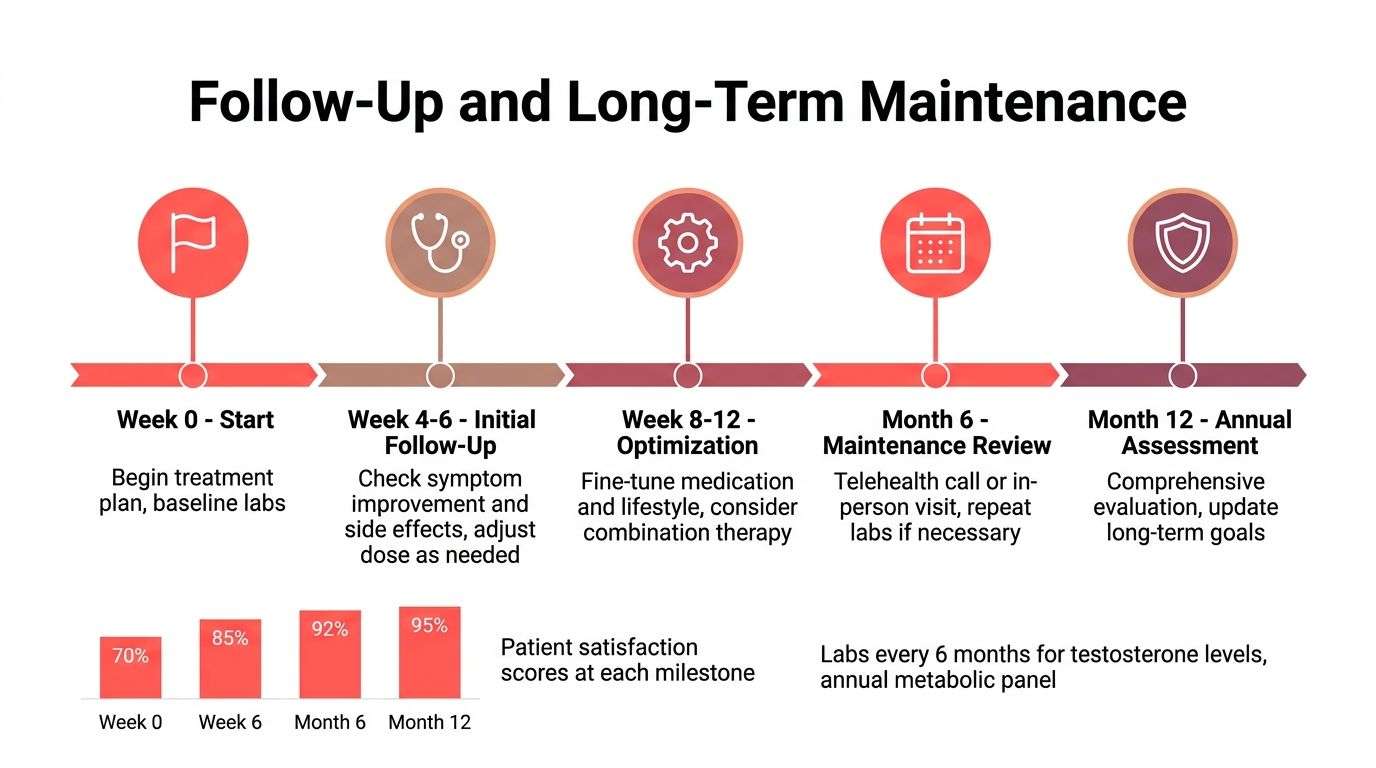
A treatment plan is a working document, not a one-time verdict. The first follow-up should review symptom change, side effects, adherence, partner experience where relevant, and the patient's satisfaction with the process. If the plan isn't producing the intended response, the clinician should adjust the diagnosis or treatment rather than just adding another intervention.
What follow-up should measure
Validated questionnaires can show whether function has changed. Medication review can reveal incorrect timing, missed doses, interactions, or side effects. Repeat laboratory work may be appropriate for hormone therapy or when the initial findings require confirmation. Vascular imaging or other objective testing may be revisited when the original assessment identified a significant abnormality and the result would change management.
Follow-up also needs to respect real life. Travel, work schedules, new relationships, illness, caregiving, and changing priorities can affect adherence. A plan that can't fit the patient's circumstances won't remain effective, regardless of how carefully it was designed.
Maintenance protects the gains
Some patients need ongoing medication, hormone monitoring, lifestyle support, or periodic reassessment. Others may complete a defined course of non-surgical treatment and then move into observation. The appropriate schedule depends on the modality, response, safety monitoring, and recurrence of symptoms.
Follow-up is where personalization becomes real. The initial visit creates a hypothesis. Subsequent visits test it against the patient's actual response.
Patients should contact their clinician sooner if they develop concerning symptoms, significant medication reactions, new penile pain or curvature, or a sudden change in function. Sexual wellness deserves continuity because health conditions and personal goals don't stay fixed.
Sexual Wellness Centers of America provides individualized evaluations and treatment planning for erectile dysfunction, Peyronie's disease, hormone concerns, diabetes-related sexual difficulties, and women's sexual wellness, with options that may include hormone optimization and non-surgical regenerative protocols. Visit Sexual Wellness Centers of America to request a consultation and discuss a plan based on your physiology, goals, and preferred treatment pathway.