
You may be reading this because something feels off. Desire is lower than it used to be. Erections aren't as reliable. Sex feels less comfortable, less spontaneous, or less satisfying. That often sends people searching for a fast supplement answer.
Zinc gets a lot of attention in that search, and for good reason. It isn't a trendy add-on nutrient. It's part of the machinery behind hormone balance and reproductive function. That's why the conversation around the benefits of zinc sexually deserves more nuance than “take more and see what happens.”
The useful clinical question isn't whether zinc is important. It is. The better question is whether your sexual symptoms could be tied to low zinc status, and whether restoring normal levels might help. If you want a broader nutrition overview before getting into the sexual-health specifics, this guide to understanding zinc's benefits is a helpful starting point. For women dealing with the larger picture of intimacy, hormones, and comfort, this resource on sexual wellness for women also adds useful context.
Table of Contents
- Introduction Why Zinc Is a Cornerstone of Sexual Vitality
- How Zinc Fuels Your Sexual Health System
- The Clinically Observed Sexual Benefits of Zinc
- Could a Zinc Deficiency Be Affecting You
- Safe Supplementation A Clinical Guide to Dosing Zinc
- When to Test Your Levels and Consult an Expert
Introduction Why Zinc Is a Cornerstone of Sexual Vitality
Sexual function depends on more than one hormone, one organ, or one supplement. It depends on a network. Hormones have to be produced and regulated properly. Reproductive tissues need protection from oxidative stress. Nerves, blood flow, and cellular repair all need the right nutritional environment to work well.
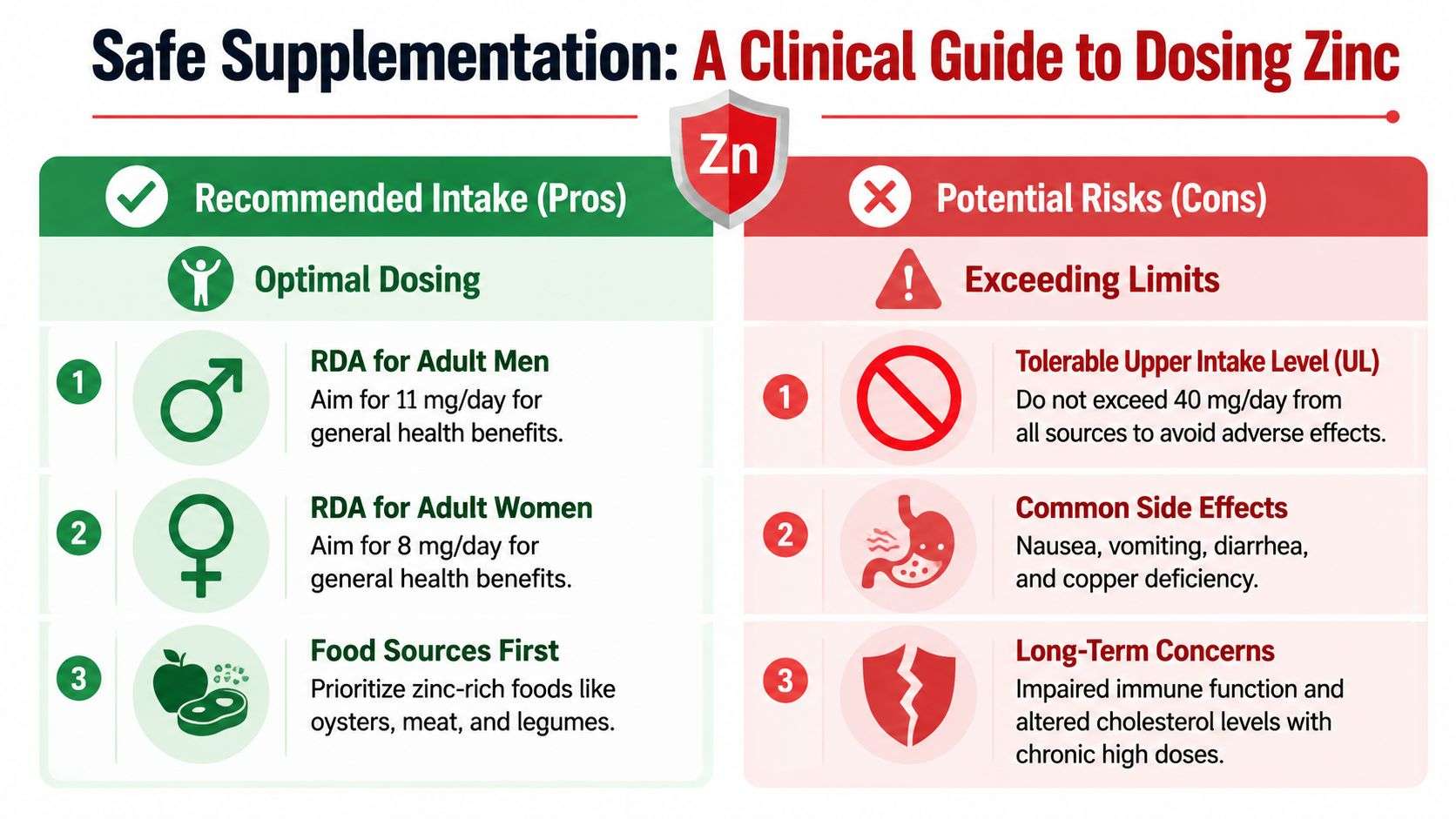
Zinc sits near the center of that network. It's tied to sexual health primarily through its role in testosterone production and reproductive function. The National Institutes of Health lists the recommended dietary allowance as 11 mg/day for males age 14+ and 8 mg/day for females age 19+, as summarized in this WebMD review of zinc and sexual health. Those numbers matter because when zinc status drops, sexual symptoms can follow.
That's where many people get misled. They hear that zinc supports testosterone or libido and assume it functions like a universal upgrade. Clinically, that's not the most accurate frame.
Practical rule: Zinc is best understood as a foundational nutrient that helps restore normal function when low status is part of the problem.
If your body is short on a key raw material, correcting that shortage can help. If your zinc status is already adequate, taking more doesn't guarantee stronger desire, better erections, or better orgasms. That distinction changes how you should approach supplements, testing, and expectations.
How Zinc Fuels Your Sexual Health System
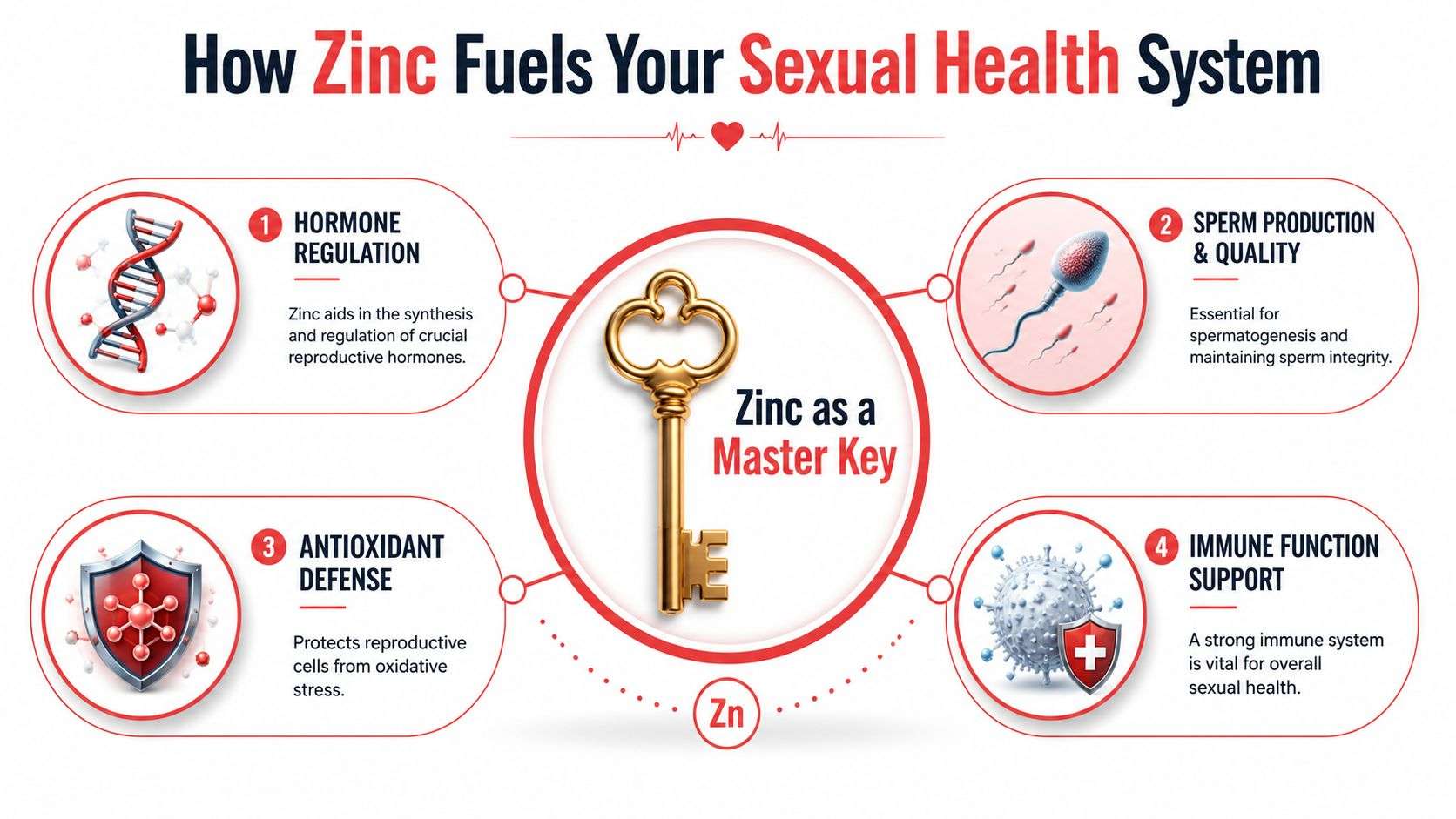
A common clinical scenario looks like this. Someone starts zinc after reading that it can help libido or testosterone, then expects a quick performance effect. What zinc does is quieter and more fundamental. It supports several biological systems that sexual function depends on, especially when low zinc status has been limiting normal physiology.
Hormone regulation and reproductive signaling
Zinc helps maintain the hormonal signaling involved in sexual health. In men, that includes support for testosterone production and normal reproductive function. That matters because testosterone affects sexual interest, energy, erectile consistency, and sperm production, but only within the larger context of sleep, stress, metabolic health, medications, and underlying endocrine conditions.
In women, the role is broader and often underappreciated. Sexual well-being depends on coordinated hormone signaling, healthy tissues, nerve response, and comfort. Zinc supports cellular processes involved in that system, which is one reason deficiency can show up in ways that feel diffuse rather than obvious.
Cell protection and tissue support
Reproductive tissues face ongoing oxidative stress and need regular repair. Zinc contributes to antioxidant defenses and supports cell division, tissue maintenance, and immune function. Those jobs are less visible than a change in libido, but they matter in the background every day.
This helps explain why zinc appears in fertility and sexual health discussions so often. It is involved in sperm development, reproductive tissue health, and the conditions required for normal signaling and repair. For men also reviewing broader strategies for erection support, this guide to natural remedies for erectile dysfunction offers useful context on where nutrition fits and where it does not.
Why deficiency changes the picture
The clinical value of zinc becomes more persuasive when a deficiency is present. In practice, that is the point many articles skip. Correcting a missing nutrient can help remove a barrier to normal sexual function. Taking extra zinc on top of adequate intake is far less predictable.
That distinction matters because sexual symptoms rarely come from one cause. Low desire, weaker erections, fertility concerns, pain with sex, or reduced arousal can also reflect vascular disease, diabetes, medication effects, pelvic floor dysfunction, menopause, relationship strain, depression, or a hormone disorder that needs formal evaluation.
A practical way to view zinc is as part of the maintenance and repair side of sexual health. It supports the system. It does not reliably override a separate medical problem, and it should not be treated as a universal performance enhancer.
The Clinically Observed Sexual Benefits of Zinc
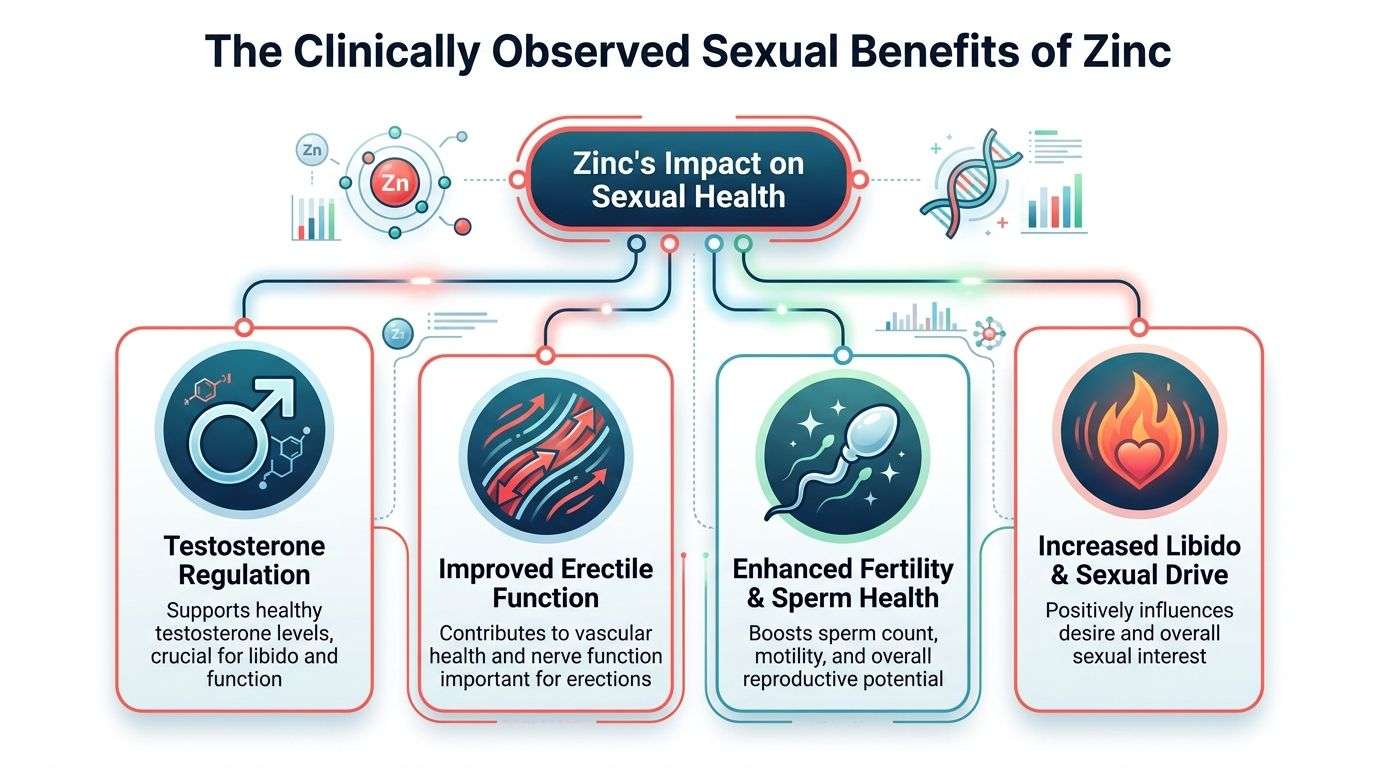
In clinic, people rarely ask for a mineral. They ask why desire has dropped, why erections feel less reliable, why sex has become uncomfortable, or why a fertility workup is taking longer than expected. Zinc enters that conversation because it supports hormone production, reproductive tissue function, and sperm development. The practical question is whether low zinc is contributing to the problem.
Why testosterone and fertility come up first
The clearest sexual benefit appears in people who are deficient. Earlier evidence in the article already covered this point. Low zinc status has been associated with low testosterone and poorer reproductive function, and repletion can help restore more normal physiology in some patients.
That distinction matters clinically.
A man with low zinc may report weaker desire, lower energy, less consistent erections, and reduced sexual confidence. Correcting the deficiency can improve the conditions that support normal sexual function. Results are far less predictable in someone whose zinc intake and body stores are already adequate.
Fertility is another area where zinc deserves attention. In deficient men, improving zinc status may support sperm quality and semen parameters that matter during an infertility evaluation. It should be used as one part of a broader assessment, especially if there are other contributors such as varicocele, hormone problems, heat exposure, medication effects, or metabolic disease.
For men who are also reviewing non-supplement strategies for erections, this guide to natural remedies for erectile dysfunction adds useful context on sleep, cardiovascular health, stress, and lifestyle measures that often influence outcomes alongside nutrition.
Female sexual response matters too
Zinc discussions often focus on men, but women can also notice sexual effects when zinc status is poor. Earlier research referenced in this article has linked zinc supplementation in postmenopausal women with improvements in desire, vaginal moisture, orgasm, satisfaction, and pain during sex.
That finding broadens the conversation. Sexual health depends on more than libido alone. Comfort, arousal, tissue quality, and orgasmic response all matter, especially in midlife and after menopause.
From a clinical standpoint, zinc is best viewed as supportive care for normal sexual physiology when intake is low or deficiency is present. Some people feel better because hormone signaling improves. Others notice better comfort or reproductive markers. Others notice no sexual change at all, which is an important reminder that sexual symptoms often have multiple causes.
The common myth is that zinc works like a universal sexual performance enhancer. It does not. The more accurate framework is simpler. Zinc can help remove one modifiable barrier if deficiency is part of the picture, but persistent problems with libido, erections, arousal, orgasm, or pain still deserve a proper medical evaluation.
Could a Zinc Deficiency Be Affecting You
A common clinical scenario goes like this. Someone starts looking for a supplement because libido has dropped, erections are less reliable, or sex feels less satisfying than it used to. Zinc comes up quickly. The important question is not whether zinc is a universal sexual booster. It is whether low zinc could be one part of a bigger pattern that deserves attention.
Patterns that deserve attention
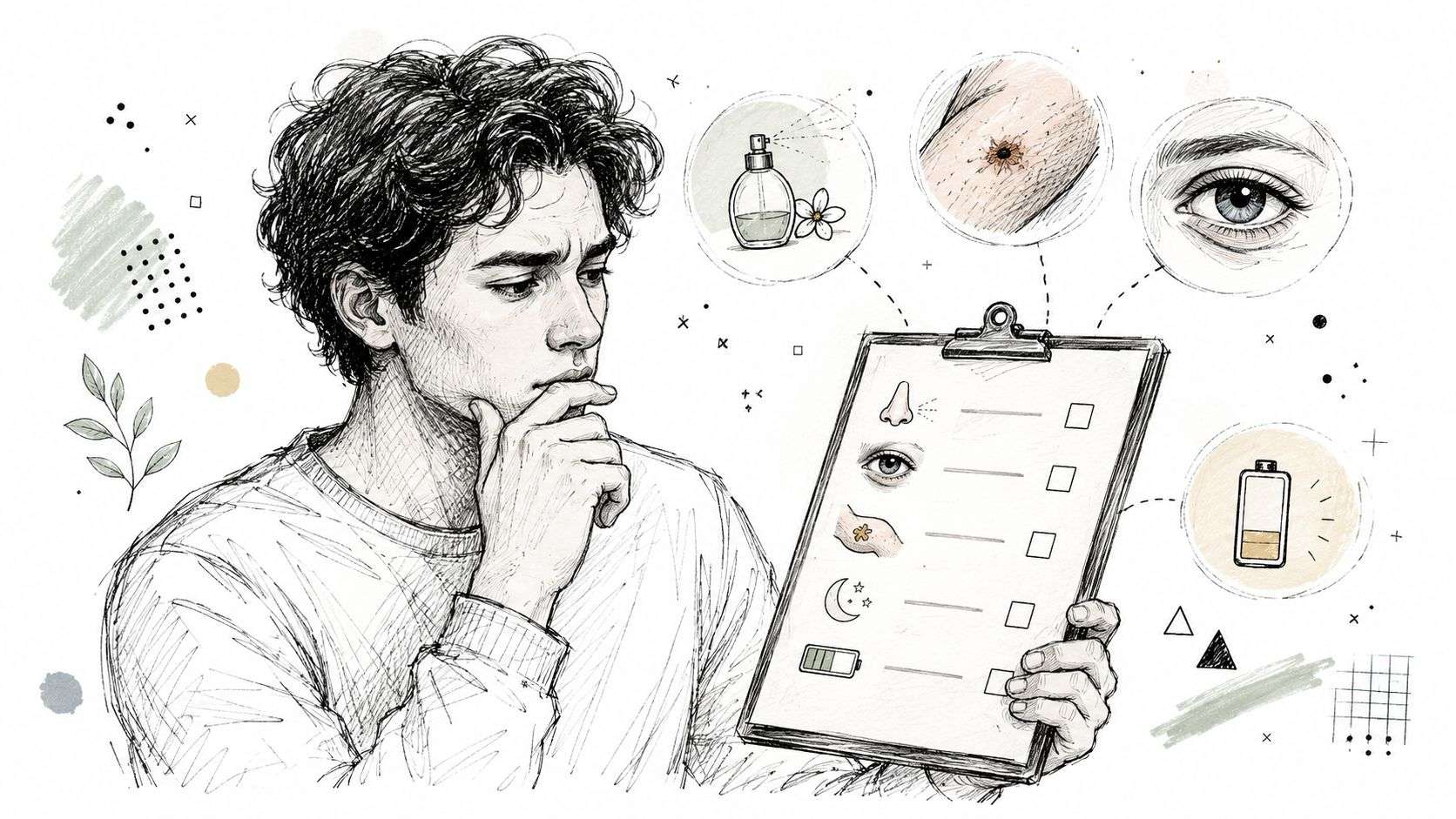
Zinc deficiency rarely shows up as one neat, isolated complaint. Sexual symptoms can be an early clue, but they are usually more meaningful when they appear alongside signs that recovery, immune function, or sensory function are also off.
A practical review often starts with questions like these:
- Has sexual function changed? Lower libido, weaker arousal, fertility concerns, or a general drop in responsiveness can fit the picture.
- Are you healing or recovering more slowly? Slow wound healing or poor recovery after illness or training can raise suspicion.
- Are infections more frequent? Repeated colds or a persistent run-down feeling can point to broader nutritional strain.
- Have taste or smell changed? A reduced sense of taste or smell without a clear cause deserves attention.
- Are there visible skin or hair changes? Hair shedding or skin problems matter more when they show up with other symptoms.
None of these signs proves a zinc deficiency. They overlap with stress, poor sleep, endocrine problems, medication effects, chronic disease, and relationship or mental health factors that also affect sexual function.
That trade-off matters. If someone treats every sexual symptom as a zinc problem, they can miss low testosterone, thyroid disease, depression, diabetes, medication side effects, pelvic pain disorders, or vascular issues.
Who should be more suspicious of low zinc
Deficiency becomes more plausible when intake is low, absorption is impaired, or losses are higher than usual. In practice, I pay closer attention in people with digestive disorders, restrictive eating patterns, heavy alcohol use, diabetes, and chronic medical conditions that affect nutrition or gut function.
Diet history matters too. People who eat very little animal protein, have prolonged low-calorie intake, or rely heavily on highly processed foods may not be getting enough zinc consistently. That does not mean everyone in those groups is deficient. It means the threshold for asking better questions is lower.
Earlier in this article, the research discussion noted that zinc-related sexual benefits are most convincing in people who are deficient. That is the key distinction. Correcting a deficiency can improve sperm production, hormone signaling, and sexual well-being in some patients. Taking extra zinc when status is already normal often does little and can create new problems if dosing is careless.
Here is a practical way to frame it:
| Situation | How to interpret it |
|---|---|
| Sexual symptoms alone | Zinc is one possibility, but not the leading assumption |
| Sexual symptoms plus immune, sensory, skin, or recovery changes | Zinc deserves closer review |
| Clear risk factors for low intake or poor absorption | Testing or a guided trial may be reasonable |
| Normal intake, no risk factors, no broader symptoms | Deficiency is less likely |
For people considering over-the-counter products for sexual concerns, quality control matters as much as the ingredient list. This guide to choosing safe ED supplements is useful if you are trying to avoid low-quality formulas or hidden ingredients.
Zinc makes the most sense as targeted support for a plausible deficiency, not as a blanket fix for every sexual complaint.
Safe Supplementation A Clinical Guide to Dosing Zinc
A common scenario in clinic is someone starts zinc for low libido or erection changes because it sounds harmless, then arrives with nausea, stomach upset, or a supplement stack that pushes total intake much higher than intended. Zinc can help when intake is low or deficiency is likely. It does very little as a universal sexual performance enhancer.
What enough looks like
For basic intake, adult men generally need more zinc than adult women, and those targets are meant to maintain normal physiology. They are not designed to raise sexual performance above baseline.
Food is the best starting point for many adults. Shellfish, red meat, poultry, dairy, and eggs provide zinc in forms the body absorbs well. Beans, nuts, seeds, and whole grains can contribute too, although absorption is often lower. That trade-off matters, especially for people eating mostly plant-based diets or dealing with digestive conditions that reduce absorption.
Three habits make supplementation safer and more useful:
- Count total intake: Zinc often shows up in multivitamins, immune blends, and products marketed for testosterone or sexual support.
- Use a defined reason: Low dietary intake, a documented deficiency, or a clinician-guided trial are stronger reasons than vague hopes of better performance.
- Stay with one plan long enough to judge it: Constantly adding products makes it hard to tell what is helping and increases the chance of side effects.
If symptoms may also relate to hormonal changes, this overview of how hormone replacement therapy can improve sexual health can help place zinc in the broader picture.
If you are considering products marketed for sexual performance, quality control matters as much as ingredient choice. This guide to choosing safe ED supplements offers a practical screening framework.
Why more zinc can backfire
The upper safe intake limit for adults is not especially high, and people exceed it more easily than they realize. The usual problem is stacking. A separate zinc capsule plus a multivitamin plus a “men's vitality” formula can push intake into a range where side effects become more likely.
The short-term issues are often gastrointestinal. Nausea, abdominal discomfort, and diarrhea are common reasons people stop. Longer-term excess can interfere with copper status and create new health problems that have nothing to do with the original sexual complaint.
That is the clinical trade-off. Correcting low zinc can support normal reproductive and hormonal function in the right person. Taking extra zinc without a clear indication can create a supplement problem while leaving the actual cause of low desire, erectile changes, or arousal symptoms untouched.
| Approach | Likely result |
|---|---|
| Meet needs through food and use a modest supplement only when indicated | Lower risk and a clearer rationale |
| Stack several products that all contain zinc | Higher chance of exceeding a sensible daily total |
| Keep increasing the dose because sexual symptoms persist | More side effects, with little reason to expect better results |
I advise patients to treat zinc like a nutrient with a job, not a shortcut. Use it to restore normal status when there is a real reason to suspect a gap. That is very different from assuming more zinc means better sex.
When to Test Your Levels and Consult an Expert
The most important question isn't “Can zinc help sexually?” It's “Is zinc the limiting factor in my case?” That's where testing changes the quality of the decision.
Testing beats guessing
The clearest evidence-based point here is that zinc appears most helpful when correcting low status, not when trying to push a healthy body above baseline. A clinical summary from Midi highlights that benefits are most plausible when restoring normal function in people with low zinc, rather than enhancing performance in people whose levels are already adequate.
That matters because sexual symptoms are rarely one-dimensional. Low desire can reflect hormone changes, depression, medication effects, relationship strain, chronic stress, or pain. Erectile changes can involve vascular health, diabetes, pelvic factors, nerve issues, or endocrine problems. Vaginal discomfort can relate to menopause, tissue changes, inflammation, or low estrogen states.
A targeted evaluation helps sort those apart. If you're already exploring hormone-related contributors, this overview of how hormone replacement therapy can improve sexual health is a useful companion topic.
If your labs are normal, zinc may not be the reason your sex life changed.
When self-treatment stops being useful
Consider testing or professional guidance when any of the following are true:
- Symptoms persist: You've tried dietary changes or supplements and nothing meaningful improves.
- The picture is mixed: Sexual symptoms show up with fatigue, mood change, metabolic issues, or other hormone-related complaints.
- You have risk factors: Digestive disorders, restrictive eating, diabetes, or chronic illness raise the odds that nutrient status deserves a closer review.
- You're stacking products: Multiple supplements can make total zinc intake hard to track.
At that point, the goal shouldn't be more trial and error. It should be clarity. A good clinical workup can identify whether zinc is relevant, whether hormones need attention, whether vascular or tissue factors are involved, and whether your symptoms call for a broader treatment plan.
That's the difference between supplement marketing and clinical care. Marketing asks you to buy first and hope later. Medicine asks what problem you have.
If you want a lab-driven, medically supervised plan for sexual symptoms, Sexual Wellness Centers of America offers evaluation and treatment for men and women seeking answers beyond guesswork. Their team focuses on sexual health, hormone balance, regenerative wellness, and personalized protocols designed around the root causes affecting desire, function, comfort, and performance.