
You may be reading this because something changed slowly, not dramatically. Desire feels muted. Arousal takes longer. Orgasm is less reliable. Sex that used to feel easy now feels distracting, uncomfortable, or emotionally complicated. Many women sit with that shift for months or years before saying it out loud, often wondering whether they're overreacting or whether this is merely what happens with age, stress, childbirth, menopause, or a busy life.
In practice, this is one of the most common and least openly discussed concerns I see. It can affect confidence, relationships, body trust, and overall well-being. It also deserves the same thoughtful medical attention as sleep problems, pain, fatigue, or mood changes. If you've been trying to push through it, ignore it, or blame yourself, that approach usually doesn't help. Clear evaluation helps.
For a broader look at how sexual health fits into overall quality of life, this guide on sexual wellness for women is a useful starting point.
Table of Contents
- An Introduction to Female Sexual Wellness
- What Is Female Sexual Dysfunction
- The Root Causes of Sexual Health Changes
- How Clinicians Evaluate Sexual Dysfunction
- A Modern Guide to Treatment Options
- Taking the Next Step and What to Expect
- Frequently Asked Questions About Female Sexual Health
An Introduction to Female Sexual Wellness
Sexual wellness is not a luxury issue. It's part of physical comfort, emotional health, identity, and connection. When that part of life changes, the effect often reaches far beyond the bedroom.
Many women describe the problem in everyday terms rather than medical language. They say, “I don't feel like myself,” or “I want to want sex, but my body doesn't respond,” or “I'm tense because I'm expecting discomfort.” Those details matter. They point to patterns clinicians can evaluate and often treat.
A key first step is dropping the idea that you should tolerate it. Female sexual dysfunction is a clinical term for real, identifiable problems involving desire, arousal, orgasm, or pain. It is not a character flaw, and it is not a sign that a relationship is doomed.
Sexual symptoms usually make more sense once they're broken down into body factors, hormone factors, emotional factors, and relationship context.
The most helpful mindset is practical. Notice what changed, when it changed, whether it's consistent or situational, and what else was happening around that time. A woman in perimenopause may notice dryness and reduced responsiveness. A postpartum patient may notice pain, tension, and fatigue. Someone under sustained stress may still love her partner but feel mentally unavailable for intimacy.
Relief starts when the conversation becomes specific. That's where treatment gets better.
What Is Female Sexual Dysfunction
Female sexual dysfunction is an umbrella term. It doesn't describe one single problem. It covers several patterns that can occur alone or overlap.
Clinically, this usually falls into four broad groups. That matters because treatment for low desire is different from treatment for pain, and treatment for orgasm difficulty is different from treatment for vaginal dryness.
Studies indicate that up to 43% of women experience some form of sexual dysfunction in their lifetime according to this review in the National Center for Biotechnology Information. That makes it common, even if many women still feel alone with it.
This visual breaks the categories down clearly:
Desire disorders
Think of desire as the mind's “yes” signal. In a desire disorder, that signal feels faint, absent, or inconsistent.
Symptoms may include:
- Low interest in sex: Sexual thoughts or anticipation are reduced.
- Less initiation: You rarely feel motivated to start intimacy.
- Limited responsiveness: Even in a loving context, desire doesn't build easily.
Some women have lifelong low desire. Others notice a change after childbirth, medication changes, menopause, burnout, or chronic stress.
Arousal disorders
Arousal is the body's ability to shift into a receptive state. You may want intimacy mentally but not feel physically engaged.
Common experiences include:
- Reduced lubrication: The body doesn't respond with enough comfort or moisture.
- Diminished sensation: Touch feels less intense or less pleasurable.
- Difficulty sustaining engagement: Arousal starts, then fades quickly.
Many women say, “My brain is in it, but my body isn't following.”
Orgasm disorders
Orgasmic concerns involve difficulty reaching climax, taking much longer than before, or experiencing less intensity.
This can look like:
- Delayed orgasm: Climax is possible, but much harder to achieve.
- Absent orgasm: Orgasm doesn't happen despite adequate stimulation.
- Reduced intensity: The experience feels blunted or unsatisfying.
Practical rule: If orgasm changed after a medication, surgery, hormonal shift, or onset of pain, don't assume it's psychological. Start with a full review of the whole picture.
Pain disorders
Pain changes everything. Once the body expects discomfort, muscles often tighten defensively, which can make the problem worse.
Symptoms may include:
- Pain with penetration: Burning, sharpness, or friction.
- Deep pelvic discomfort: Aching or pressure during intercourse.
- Involuntary tightening: The pelvic floor contracts before or during penetration.
Pain disorders may involve vaginal dryness, tissue irritation, pelvic floor dysfunction, scarring, inflammation, or anxiety linked to anticipated pain. In clinic, this is often one of the most treatable categories once the exact driver is identified.
The Root Causes of Sexual Health Changes
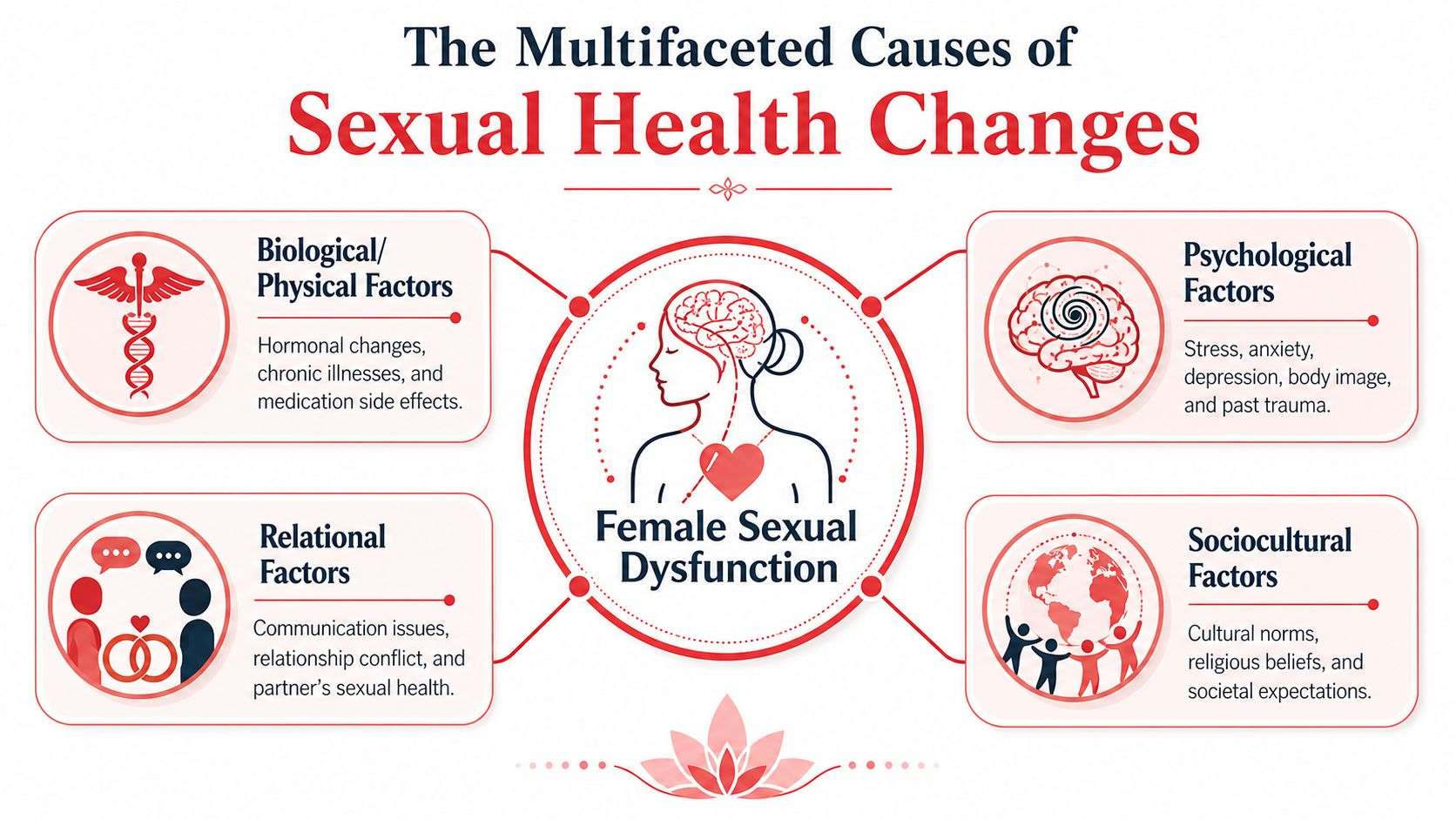
Most sexual symptoms don't come from one cause. They usually come from an interaction between body changes, life stress, relationship context, and sometimes medication effects. That's why quick fixes often disappoint. The better question is not “What's wrong with me?” but “What combination of factors is affecting my response?”
This broader view helps:
Hormonal shifts
Hormones affect lubrication, tissue elasticity, blood flow, mood, and interest. When estrogen declines, vaginal tissue can become drier and more fragile. When androgen levels change, some women notice lower desire, reduced sensitivity, or less sexual motivation. Thyroid changes can also affect energy, focus, and libido.
Perimenopause and menopause are common times for these shifts to become more obvious. Postpartum recovery can also temporarily alter desire, comfort, and body confidence. If dryness is part of the picture, this article on menopause-related vaginal dryness can help connect symptoms to tissue changes.
Physical and medical contributors
Sexual response depends on healthy blood flow, intact nerve signaling, comfortable tissue, and coordinated pelvic floor function. When any of those are disrupted, intimacy may feel harder, less pleasurable, or painful.
A few examples clinicians often consider:
- Chronic illness: Diabetes, vascular conditions, and some neurologic issues can affect sensation and arousal.
- Pelvic floor dysfunction: Muscles may be too tight, poorly coordinated, or reactive from pain.
- Post-surgical or postpartum changes: Scar tissue, tissue sensitivity, or healing changes can alter comfort.
A woman doesn't need a major diagnosis for symptoms to be real. Even milder tissue dryness, low-grade irritation, or pelvic floor guarding can have a large effect on sexual confidence.
Psychological and relational factors
Stress doesn't stay in the mind. It changes the body's readiness for pleasure. If your nervous system is in task mode, caretaking mode, or threat mode, desire often drops first.
Anxiety can make arousal feel fragile. Depression can flatten interest and reduce pleasure. Body image concerns can keep attention locked on self-monitoring rather than sensation. Relationship conflict can make intimacy feel emotionally unsafe even when affection is present.
For women with a trauma history, standard advice to “just relax” is not useful. Trauma often needs a more skilled, respectful approach. In those situations, therapy tailored for trauma recovery can be a meaningful part of care, especially when fear, shutdown, or dissociation affects intimacy.
Pain, low desire, and arousal difficulties often improve more reliably when clinicians treat the nervous system context, not just the local symptom.
Medication effects and overlooked triggers
Medication-related sexual side effects are common in practice and often missed because women assume the timing is unrelated. Antidepressants may affect desire or orgasm. Some blood pressure medications can interfere with arousal. Antihistamines may worsen dryness. Hormonal contraception can shift sexual response for some women.
A good review also looks at less obvious contributors:
- Fatigue and sleep disruption: If the body is depleted, sexual response usually suffers.
- Alcohol reliance for intimacy: It may reduce inhibition but often doesn't improve healthy arousal.
- Persistent pain elsewhere in the body: When pain is already consuming attention, desire often falls off.
What doesn't work well is guessing. What works better is matching the symptom pattern to the likely mechanism.
How Clinicians Evaluate Sexual Dysfunction
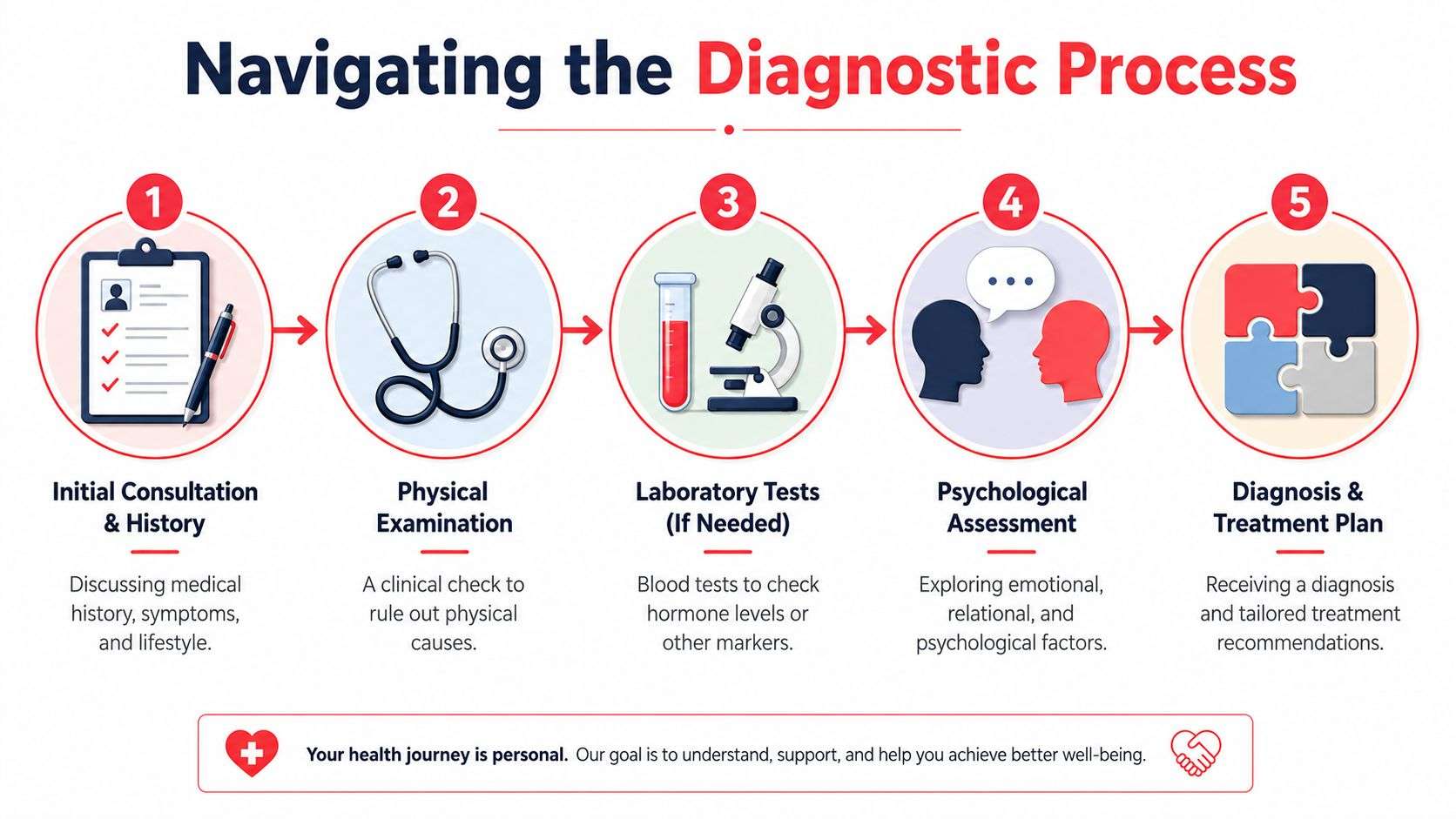
A proper evaluation should feel like a guided clinical conversation, not an awkward test you have to endure. The aim is to identify what's driving the symptom pattern so treatment can be matched to the underlying issue.
This is the general flow patients can expect:
The conversation comes first
The most important part is often the history. A clinician will usually ask what changed, how long it's been happening, whether the issue is present in every setting, and whether the main concern is desire, arousal, orgasm, pain, or a combination.
Questions often include:
- Timing: Did symptoms begin around menopause, postpartum recovery, surgery, or a medication change?
- Pattern: Is the issue constant, occasional, or tied to specific situations?
- Context: Are stress, relationship tension, sleep problems, or mood symptoms part of the picture?
This conversation should be confidential, direct, and nonjudgmental. Patients often feel relief once they realize these questions are routine.
When an exam or lab work helps
A targeted physical exam may be useful when pain, dryness, tissue changes, pelvic floor tension, scarring, or signs of irritation are involved. It isn't always extensive, and it should have a clear reason.
Lab work can also matter. In clinic, I often find that sexual symptoms make more sense when they're reviewed alongside hormone status, thyroid function, and other medical factors that influence energy, mood, and tissue health.
A good exam answers a question. It shouldn't be done reflexively, and it shouldn't feel rushed.
What a good treatment plan looks like
The best treatment plans are specific. They don't just say “low libido” and stop there. They identify likely drivers, such as tissue dryness, pelvic floor overactivity, hormonal change, medication side effects, or stress-related nervous system dysregulation.
A useful plan usually includes:
- A working diagnosis: Clear explanation of what is most likely contributing.
- A sequence of care: What to start first, what to monitor, and what to add if needed.
- Follow-up: Time to adjust the plan based on response.
That structure matters because female sexual dysfunction is highly individual. Two women may both say “sex is difficult,” while one needs hormone support and lubrication strategies, and the other needs pelvic floor therapy and trauma-informed counseling.
A Modern Guide to Treatment Options
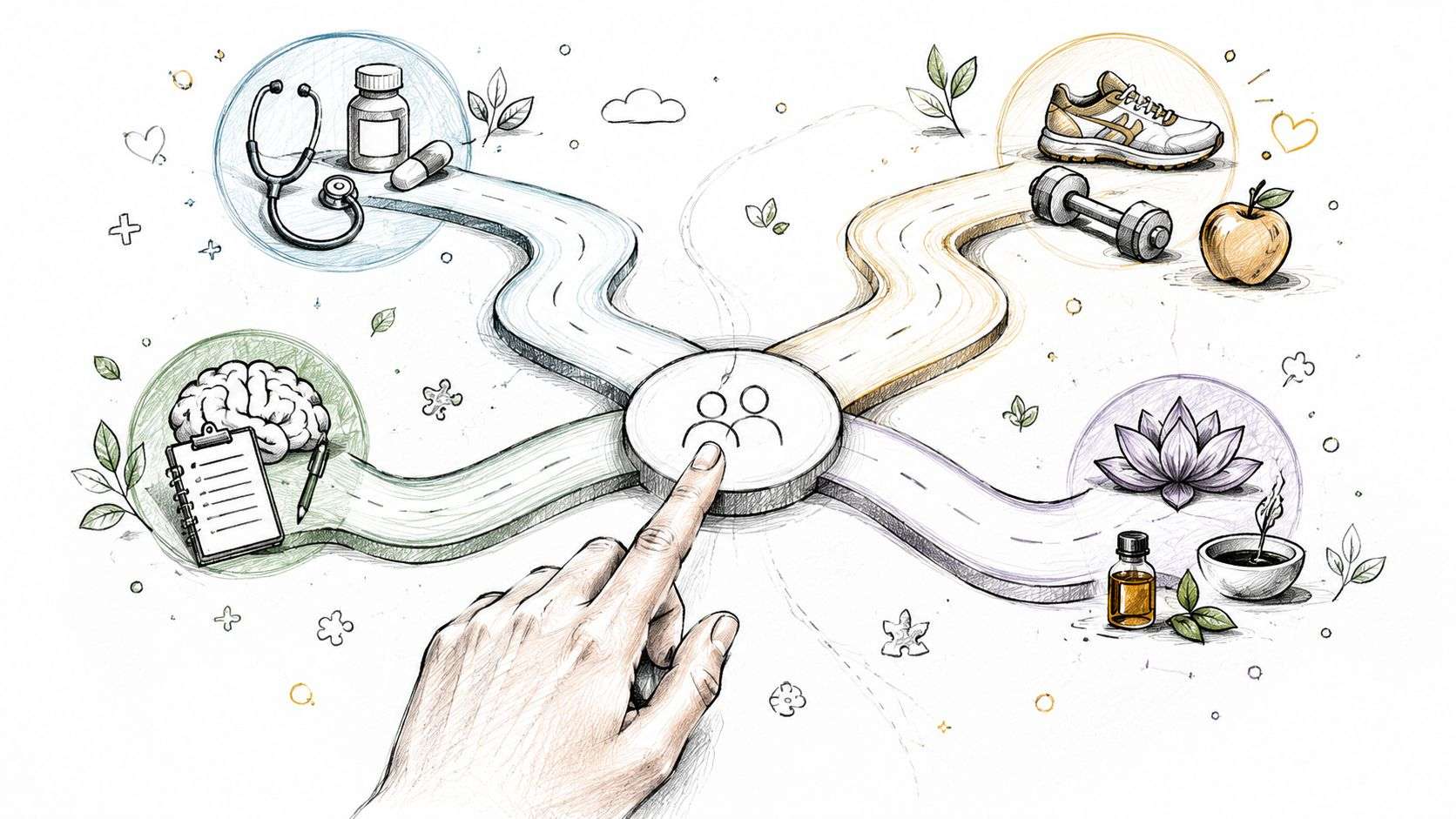
Treatment works best when it follows the cause. For some women, simple changes restore comfort and confidence. For others, improvement comes from combining counseling, physical therapy, hormonal care, and office-based procedures.
This image captures that layered approach:
Foundational treatments that often help first
These options are less invasive and often form the base of care.
- Lubricants and moisturizers: Best for friction, dryness, and comfort problems during penetration. They don't fix every cause, but they can reduce the pain cycle and make intimacy feel possible again.
- Pelvic floor physical therapy: Especially useful when sex feels tight, guarded, painful, or mechanically difficult. Many women with penetration pain have pelvic floor overactivity that won't improve by “trying to relax.”
- Counseling or sex therapy: Helpful when anxiety, avoidance, resentment, shame, body image concerns, or communication problems are part of the pattern.
- Lifestyle support: Sleep, movement, stress reduction, and management of chronic conditions matter more than people expect because arousal depends on whole-body function.
Some women also explore supplements or wellness products. If you're considering that route, it's reasonable to review any Healtsy women's wellness product with your clinician first so it fits safely into your larger care plan rather than becoming another trial-and-error purchase.
Medical and procedural options
When symptoms are tied to hormonal change, tissue health, or reduced responsiveness, medical treatment may be appropriate.
Hormone therapy can help selected patients, especially when menopause or related shifts are central to the problem. This overview of how hormone replacement therapy can improve sexual health explains where hormone support may fit.
Office-based regenerative and rejuvenation approaches are another category. These are typically considered when women want more than symptom masking and are looking to improve tissue quality, sensitivity, lubrication, or sexual response. In that setting, Sexual Wellness Centers of America offers the SHEshot® as one clinic-based option intended to support female sexual function, alongside vaginal rejuvenation therapies. That doesn't make it the right fit for everyone. It means it may belong in the discussion when standard measures aren't enough or when tissue-focused treatment is appropriate.
What usually doesn't work well is relying on one isolated tactic for a multifactorial problem. For example, a lubricant won't solve hormonally driven tissue changes by itself, and hormone support won't fully address pelvic floor guarding or unresolved fear of pain.
Comparing treatments for Female Sexual Dysfunction
| Treatment | Primary Target | Approach | Best For |
|---|---|---|---|
| Lubricants and vaginal moisturizers | Dryness and friction | Symptom relief during intimacy and between encounters | Women whose main issue is discomfort related to dryness |
| Pelvic floor physical therapy | Muscle tension and pain | Hands-on rehabilitation, relaxation training, movement retraining | Pain with penetration, guarding, pelvic floor dysfunction |
| Counseling or sex therapy | Anxiety, avoidance, trauma, relationship strain | Talk-based treatment and behavioral strategies | Women with strong emotional or relational contributors |
| Hormone therapy | Hormonal imbalance and tissue change | Medical management based on evaluation and lab context | Symptoms linked to perimenopause, menopause, or hormone shifts |
| Regenerative injections | Sensitivity, tissue support, sexual response | Office-based tissue-focused procedure | Women seeking a procedural option after evaluation |
| Vaginal rejuvenation therapies | Tissue health and comfort | Non-surgical office-based treatment | Women with local tissue concerns affecting comfort or response |
The right treatment is often a combination. The wrong treatment is often the one chosen before the cause is clear.
Taking the Next Step and What to Expect
Most women wait longer than they need to before booking an appointment. Usually it's because they're embarrassed, unsure whether the problem is “serious enough,” or worried they won't be taken seriously. In a good clinic, these concerns are handled routinely and respectfully.
How to prepare for a first visit
Bring practical details, not a perfect story.
A short list helps:
- Your main symptom: Low desire, pain, dryness, reduced arousal, orgasm difficulty, or several at once.
- Timing and triggers: When it started and what else changed around that time.
- Medication list: Prescriptions, hormones, supplements, and recent changes.
- Relevant history: Menopause status, childbirth, pelvic procedures, chronic illness, or past trauma if you want that considered.
It can also help to think about your goal. Some women want pain relief first. Others want better desire, more reliable orgasm, or improved tissue comfort. That gives the visit direction.
What the appointment usually feels like
The tone should be calm, private, and matter-of-fact. These conversations are a normal part of women's health care. You shouldn't have to minimize your symptoms to be believed, and you shouldn't be rushed into a treatment you don't understand.
You are an active participant in the plan. Ask why a treatment is being recommended, what it targets, what alternatives exist, and how progress will be measured. If the explanation is vague, keep asking.
Frequently Asked Questions About Female Sexual Health
Is this just a normal part of aging
Aging can influence hormones, tissue health, and recovery, but suffering in silence is not the standard you should accept. Changes may be common, yet they are often treatable.
Should my partner be involved
Sometimes yes, sometimes no. If communication problems, pressure, misunderstanding, or relationship strain are contributing, partner involvement can help. If the first priority is getting a clear diagnosis and rebuilding your own sense of safety and comfort, individual care may come first.
How long do regenerative treatments last
That depends on the person, the procedure used, baseline tissue health, hormone status, and whether other contributing factors are also treated. In practice, durability is individual, which is why clinicians should discuss expected maintenance and follow-up rather than offering one standard timeline.
What if I feel embarrassed bringing this up
That feeling is common. Say it plainly anyway. You can start with one sentence: “I've noticed changes in desire, comfort, or orgasm, and I want to understand why.” That's enough to begin.
If a symptom is affecting your comfort, relationship, or sense of self, it is worth discussing with a qualified clinician.
If you're ready for a clinical conversation about changes in desire, arousal, comfort, or orgasm, Sexual Wellness Centers of America offers evaluation and treatment options for adult sexual health in a medical setting. A focused assessment can help clarify what's driving the problem and which next steps make sense for you.