
Dandruff is not contagious, and you can't catch it from someone else's hat, pillow, or comb. The puzzle is why a scalp reaction tied to yeast can still stay locked to one person's skin.
Table of Contents
- The Short Answer and Why It Matters
- What Dandruff Really Is and What Causes It
- Dandruff vs Dry Scalp vs Seborrheic Dermatitis
- Scalp Conditions That Actually Are Contagious
- Treatment Options That Actually Work
- Prevention and Long-Term Scalp Maintenance
- When Dandruff Needs a Doctor Instead of a Shampoo
The Short Answer and Why It Matters
Ordinary dandruff is not contagious. Medical reviews describe seborrheic dermatitis, the broader condition linked to dandruff, as “neither contagious nor fatal,” and Mayo Clinic says dandruff “isn't contagious or harmful”. That matters because a lot of people still treat scalp flaking like something to avoid, when the better mental model is a personal scalp reaction, not an infection. Medical review on dandruff and seborrheic dermatitis
Why shared objects don't spread dandruff
If dandruff were spread the way a cold spreads, family members, gym-goers, and barbershop clients would pass it around constantly. That's not how it behaves. The condition is tied to individual sensitivity and the scalp's reaction to organisms that already live on most scalps, especially Malassezia yeast, rather than to person-to-person transmission. Harvard/MEEI on dandruff spreadability
Practical rule: If the flakes are from ordinary dandruff, sharing a comb may be a hygiene choice, but it is not how dandruff itself spreads.
That distinction keeps people from overreacting. It also keeps them from underreacting when the flakes aren't really dandruff at all. The scalp can look similar across very different conditions, and some of those conditions are contagious, which is why the question is really about what kind of flaking you're seeing, not just whether there are flakes.
The common myth survives because dandruff is common, visible, and embarrassing. When something shows up a lot, people often assume it must be transmissible. In reality, the public-health answer is straightforward, ordinary dandruff is a scalp biology issue, not an isolation issue. Head & Shoulders on dandruff science
What Dandruff Really Is and What Causes It
Why does dandruff show up on one scalp and not another? The short answer is that dandruff starts with a normal skin yeast, but the flaking happens because a particular scalp reacts to it. Most scalps carry Malassezia as part of the usual skin microbiome, and that yeast does not make everyone flaky. In people who are sensitive to it, the scalp responds with inflammation, faster skin turnover, and visible shedding. Harvard/MEEI explains that because Malassezia is already part of normal skin flora, it cannot be “passed” in a way that causes dandruff on its own. Harvard/MEEI on Malassezia and dandruff
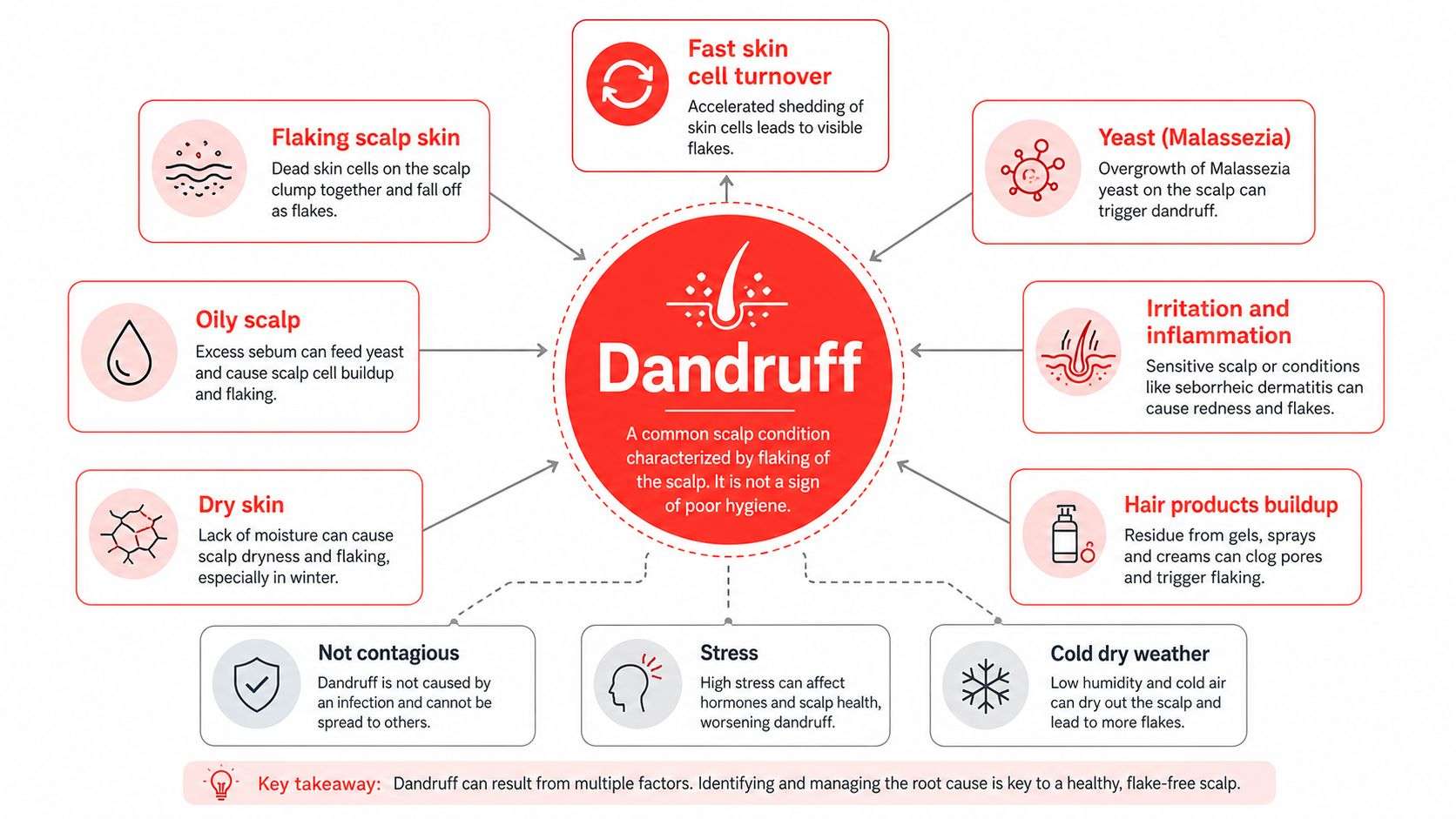
The three-way interaction behind the flakes
Dandruff behaves like a stove that overheats in one kitchen because that kitchen has its own wiring, fuel supply, and thermostat settings. The burner is Malassezia, the fuel is sebum, and the thermostat is the person's own immune and skin-barrier response. When those pieces line up, the scalp becomes irritated and starts shedding more visibly. Typology notes that exposure alone is not enough, because other conditions, especially enough sebum, are needed for overgrowth and symptoms. That is why two people can live under the same roof for years and only one of them flakes.
That also explains why dandruff does not follow the pattern of contagion. A contagious condition moves from one body to another and then multiplies because the new host is susceptible. Dandruff depends on the host first. The scalp has to be prone to irritation, inflamed, and reacting in a particular way before the flakes appear.
Seborrheic dermatitis is the broader clinical label that often sits behind dandruff. It can affect the scalp and, in some people, other oily areas too. The key point is simple. This is a non-transmissible inflammatory pattern, not a sign that one person gave it to another.
Practical rule: If the scalp reacts the same way every time the same triggers return, you are usually dealing with a recurring skin response, not a spreadable infection.
Skin barriers matter in other parts of the body too. For readers who also think about skin biology beyond the scalp, this overview of peptide-based skin support is a useful reminder that skin health often comes down to barrier function and balance, not one single cause.
Dandruff vs Dry Scalp vs Seborrheic Dermatitis
A flaky scalp is not always dandruff. People often use the same word for three different problems, and that's where confusion starts. Dry scalp usually feels tight and looks powdery, dandruff often appears with oiliness and larger flakes, and seborrheic dermatitis adds more visible redness and irritation. Cleveland Clinic notes that over-the-counter dandruff shampoos are commonly used first, but persistent cases may need stronger antifungal care. Cleveland Clinic dandruff treatment guidance
| Feature | Dandruff | Dry Scalp | Seborrheic Dermatitis |
|---|---|---|---|
| Main feel | Itchy, flaky | Tight, dry, sometimes sensitive | Itchy, red, inflamed |
| Scalp look | Often oily or mixed | Usually dry and dull | Greasy scale with redness |
| Flake pattern | Loose white or yellowish flakes | Fine, dry shedding | Thicker scale with inflammation |
| Usual meaning | Common scalp flaking | Lack of moisture or irritation | Broader inflammatory scalp condition |
| Contagious | No | No | No in the ordinary form |
Why the labels matter in real life
The wrong label leads to the wrong fix. A dry scalp usually needs gentler cleansing and moisture support, while dandruff needs anti-yeast or anti-scale ingredients. Seborrheic dermatitis sits closer to dandruff than to a simple moisture problem, which is why people often need ongoing management rather than a one-time change.
A simple self-check helps. If the scalp feels dry but not greasy, dry scalp climbs the list. If the flakes keep returning with itch and oiliness, dandruff is more likely. If redness, irritation, and spreading scale show up, seborrheic dermatitis becomes harder to ignore.
That's where a lot of internet advice falls apart. It treats all flaking the same, then gives one universal answer. The safer approach is to match the flake pattern, scalp feel, and redness level to the likely cause, then choose treatment from there.
Scalp Conditions That Actually Are Contagious
Some flaky scalp problems are contagious, and this influences whether the answer to “Is dandruff contagious?” changes. The biggest one people confuse with dandruff is tinea capitis, a fungal infection of the scalp. Unlike ordinary dandruff, it can spread between people or through contaminated items, and it often brings patchy hair loss, broken hairs, and scalp tenderness rather than just loose flakes. Medical review on dandruff and tinea capitis distinction
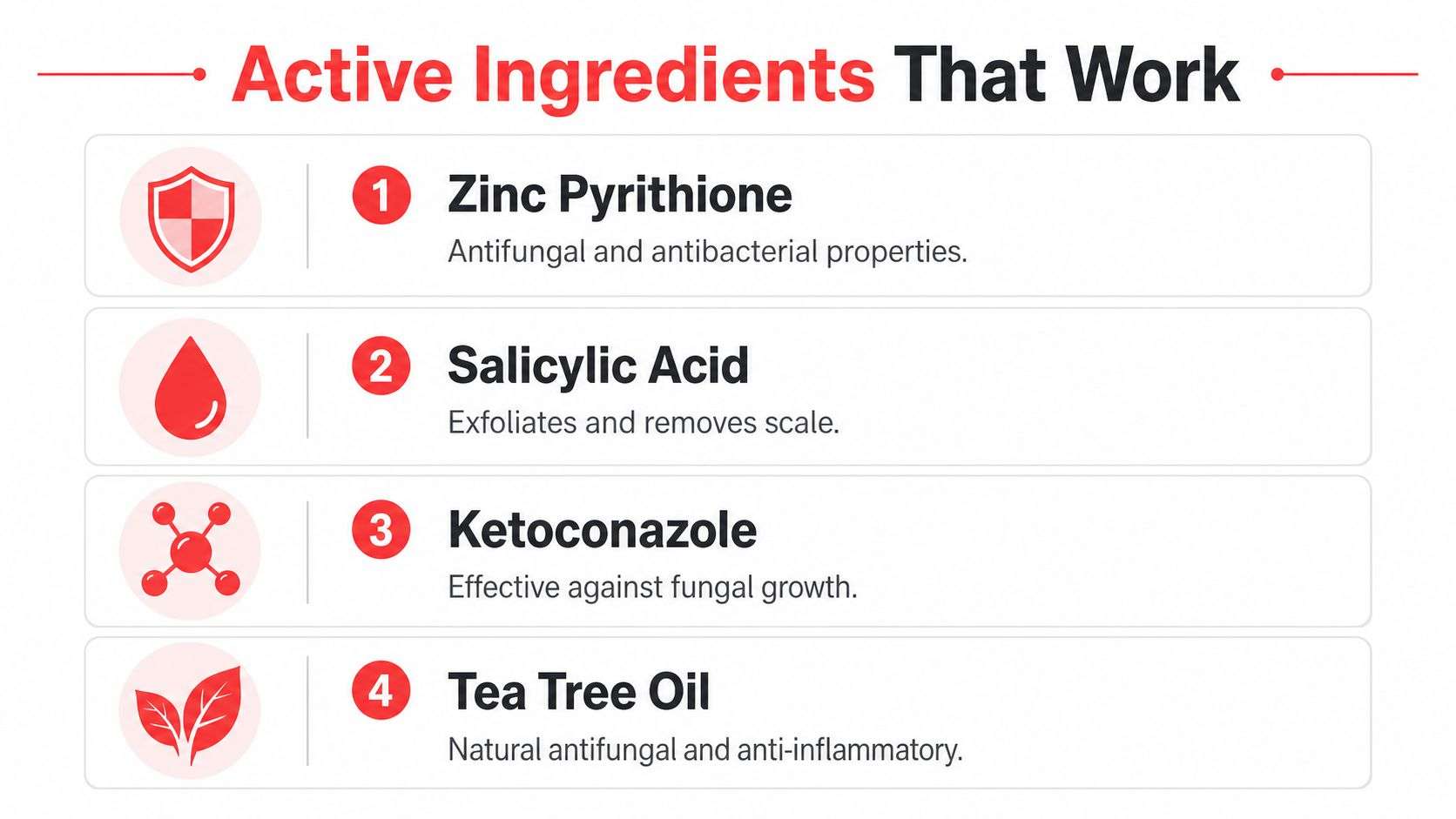
The red flags that should change your answer
Three other clues should make you think beyond dandruff:
- Patchy hair loss: This is not typical dandruff behavior and can point toward a fungal infection.
- Visible nits or crawling insects: That suggests head lice, which is contagious and needs a different response.
- Oozing crusts or swollen lymph nodes: Those signs fit infection or significant inflammation, not simple flaking.
Impetigo can also affect the scalp and is contagious, especially when crusting and drainage are present. Scalp psoriasis is another frequent source of confusion, but it is not contagious. The reason to sort these apart is practical, not academic. A person who treats tinea capitis like dandruff may waste time on the wrong shampoo while the underlying problem keeps spreading.
Plain language takeaway: Ordinary dandruff is a scalp reaction. Tinea capitis, lice, and impetigo are different problems, and they need different care.
For readers who want to compare contagious timelines in another common condition, the article on pink eye contagious period details offers a useful reminder that infectious problems often come with clear spread rules, while dandruff does not.
Treatment Options That Actually Work
Why does dandruff respond to treatment at all? Because the goal is to calm a scalp process, not to stop something contagious. Treatment works best when it matches the biology. Shampoos with selenium, zinc, coal tar, ciclopirox, and ketoconazole are standard options because they can reduce flakes, slow scale buildup, and in some cases lower yeast activity on the scalp. Cleveland Clinic on dandruff shampoo ingredients
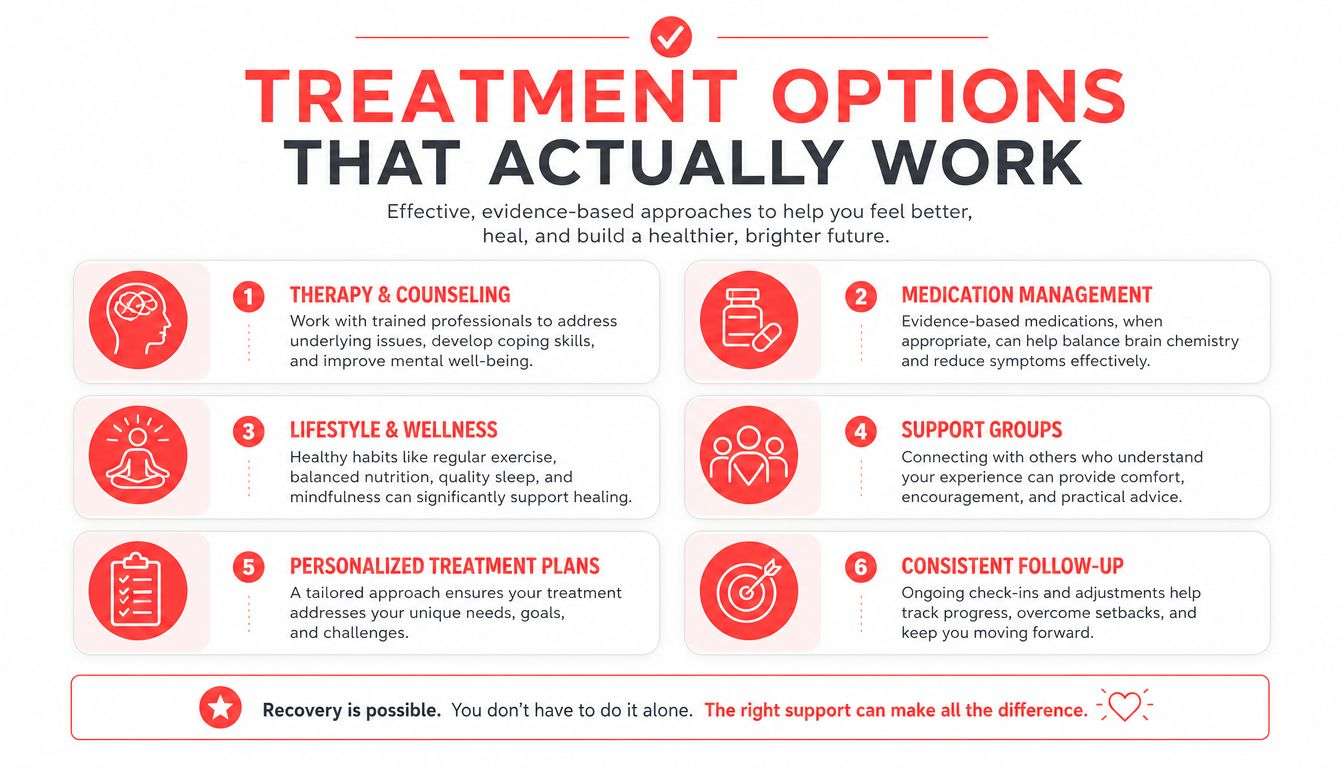
How to use medicated shampoo so it can actually work
The first mistake is rinsing too soon. A medicated shampoo needs contact time so the active ingredient can stay on the scalp long enough to do its job, rather than washing away with the foam. Keeping it on for at least five minutes before rinsing is one way to improve how well it works. Cleveland Clinic on dandruff shampoo ingredients
The next idea is consistency. Many scalps respond better when treatment is used regularly, not only during a flare. Head & Shoulders notes that about one month of regular use may be needed before dandruff protection reaches its best level in clinical studies, which fits the pattern of ongoing control rather than a one-time fix. Head & Shoulders on regular use
A simple way to think about this is that dandruff care is like adjusting a thermostat. One shampoo may lower the heat for a while, but the scalp can drift back into flaking if the routine is too short or too inconsistent. Some people do better by rotating ingredients when one formula stops helping as much, since different active agents target different parts of the problem, such as yeast activity or scale buildup.
Prescription treatment becomes relevant when the scalp stays inflamed or flaky even after regular over-the-counter care. A clinician may choose a stronger antifungal shampoo or another targeted plan, depending on what the scalp looks like and how it has responded so far. For readers who want a broader look at scalp care habits that support hair and skin health, this guide to scalp-focused serum support is a useful companion piece.
If prescription care is part of the plan, or if you are trying to sort out side effects and tolerability, FindMyScript medication support can help you keep track of what changes after treatment starts.
Prevention and Long-Term Scalp Maintenance
For many people, dandruff behaves like a recurring condition, so prevention really means maintenance. That usually starts with consistent shampooing, then choosing an active ingredient that fits the pattern of flakes, itch, and oiliness. Because the scalp keeps renewing itself, control often takes time before the visible flakes settle down.
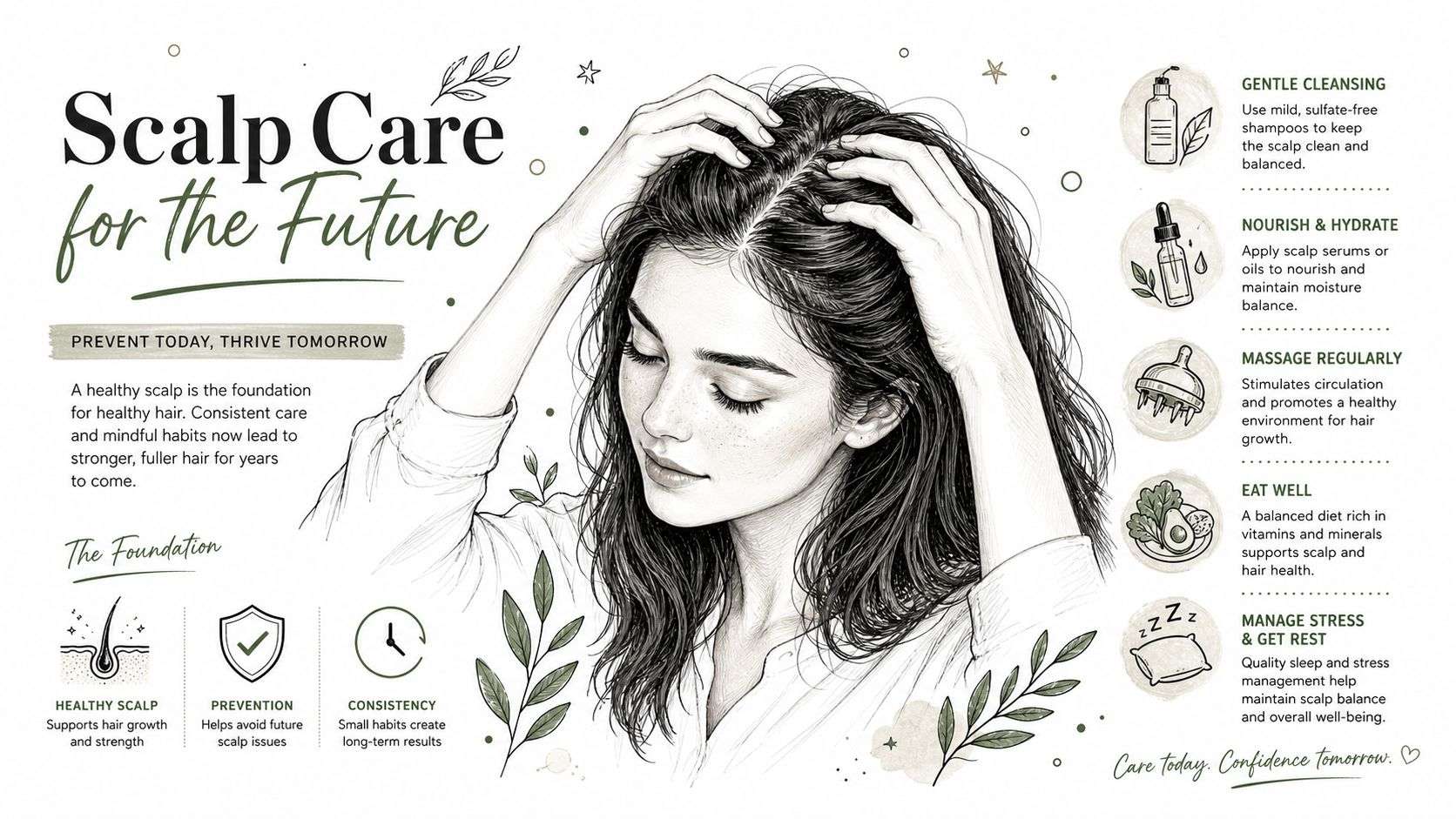
What long-term control looks like
Stress, weather shifts, and oilier scalp patterns can all make flaking more noticeable. That doesn't mean they “cause” dandruff by themselves, but they can nudge an already sensitive scalp into a flare. The goal is to keep the scalp steady enough that yeast, sebum, and inflammation don't get the upper hand.
A routine that works usually feels boring, and that's a good sign. You wash consistently, let medicated shampoo sit long enough to matter, and adjust ingredients if one stops keeping the flakes quiet. The point is not to avoid other people. The point is to keep your own scalp environment less reactive.
For a broader look at care habits and product choices that support scalp health, this resource on natural ingredients for scalp health can help you think through ingredient choices without assuming every natural product is automatically enough.
If you're trying to connect scalp care to hair-quality goals, this guide to boosting hair density with serums is useful context. Healthy scalp maintenance and hair appearance often travel together, even when the original problem is just flakes.
When Dandruff Needs a Doctor Instead of a Shampoo
A man with white flakes, mild itch, and no hair loss can usually start with a medicated shampoo. A woman with the same flakes but also red patches, oozing crusts, and swollen lymph nodes should not keep guessing at home. Those extra signs point away from ordinary dandruff and toward infection or a more serious inflammatory scalp condition.
When self-care stops being enough
If over-the-counter treatment has been used regularly and the scalp still won't settle, that's a good reason to get examined. If the flakes come with patchy hair loss or broken hairs, think about tinea capitis. If the scalp is sharply red, thickly inflamed, or uncomfortable in a way that doesn't fit simple flaking, a dermatologist should sort out whether this is severe seborrheic dermatitis, psoriasis, or something else.
The practical rule is simple. Persistent symptoms plus warning signs deserve a clinician, not just a different shampoo. That doesn't mean the situation is dangerous, it means the diagnosis may be wrong.
If the scalp looks infected, changes the hair pattern, or starts hurting more than itching, stop treating it like routine dandruff.
Don't keep assuming every flaky scalp is the same problem. The right next step depends on whether you're dealing with a non-contagious scalp reaction, a contagious infection, or a separate inflammatory disorder.
If your scalp symptoms aren't settling, the team at Sexual Wellness Centers of America can help you think through overall wellness with a clinician-guided approach that respects the difference between routine scalp care and problems that need medical evaluation. Visit the site to learn more about their patient-focused services, then reach out if you want care that connects skin health, hormone balance, and whole-body wellness.