
The Ultimate Guide to Peptide-Powered Skincare
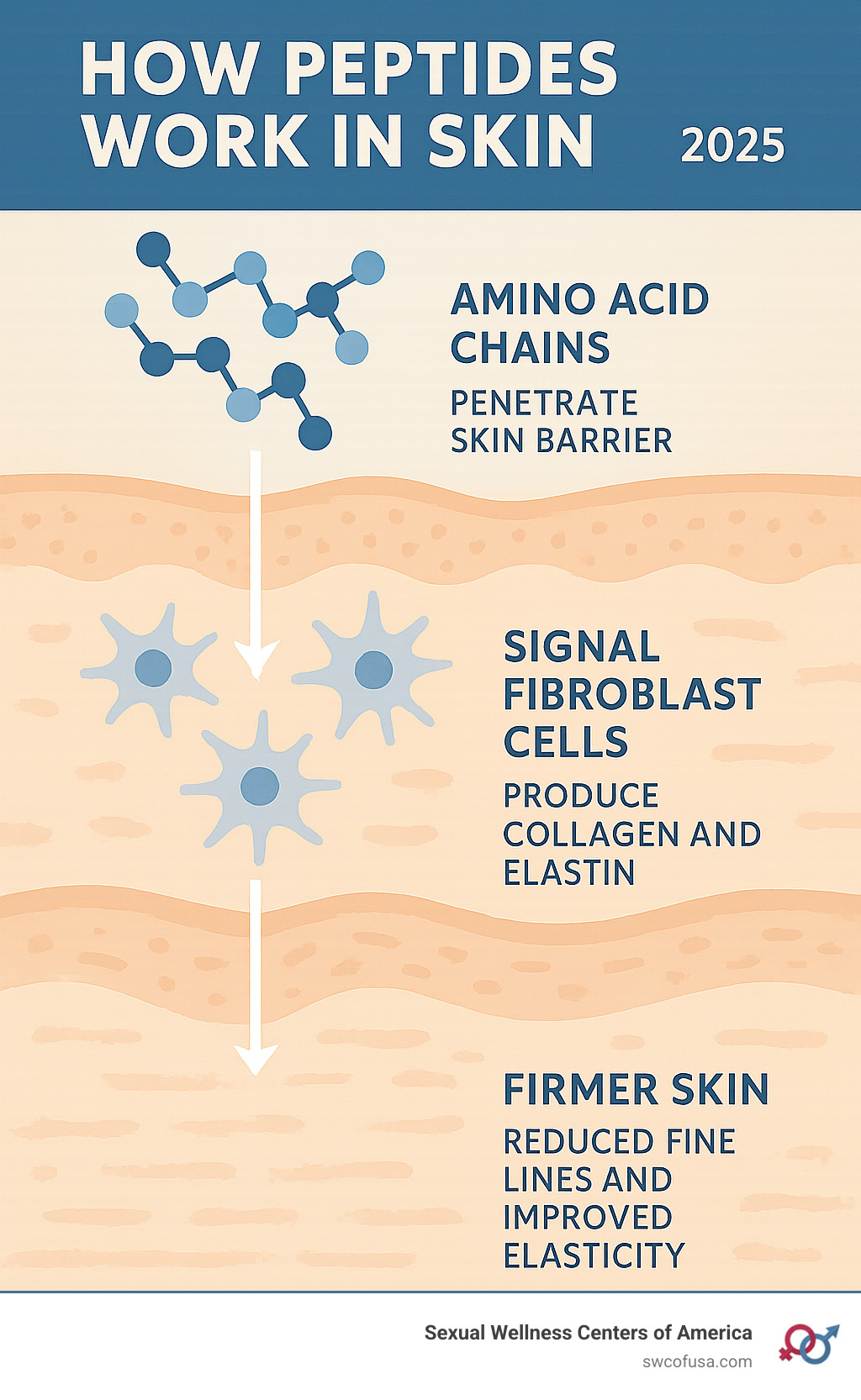
Peptide cream has become a game-changer in the fight against fine lines and aging skin. These powerful skincare products contain amino acid chains that act as cellular messengers, signaling your skin to produce more collagen and elastin for a firmer, more youthful appearance.
Top peptide creams deliver these key benefits:
- Reduce fine lines and wrinkles by boosting collagen production
- Strengthen skin barrier to protect against environmental damage
- Improve skin elasticity and firmness for a lifted look
- Ease inflammation and calm irritated skin
- Hydrate deeply while supporting skin repair
Peptides work by penetrating the skin’s surface and communicating with your cells to restart natural repair processes that slow down with age. Unlike harsh treatments, peptides are gentle enough for all skin types while delivering real anti-aging results.
The science backs up these claims. Research shows that peptides like Matrixyl 3000 can increase collagen production by up to 350% and reduce wrinkles by 31% after just two months of consistent use. Clinical studies demonstrate that peptide creams can take up to six weeks to show full results due to the time needed for skin cell turnover.
As Jeff Nuziard, CEO of Sexual Wellness Centers of America, I’ve seen how peptide cream can complement our comprehensive wellness approach by supporting healthy skin from the outside while we address aging from within. My experience with peptide therapy has shown me that combining topical treatments with internal wellness strategies creates the most powerful anti-aging results.
Peptide cream terms simplified:
What Are Peptides and How Do They Work on Skin?
Peptides are short chains of amino acids—the building blocks of proteins like collagen and elastin, which are crucial for skin’s structure and firmness. As we age, the production of these proteins slows, leading to wrinkles and sagging. This is where topical peptides come in. Unlike large collagen molecules that cannot penetrate the skin, peptides are small enough to be absorbed.
Once absorbed, peptides act as cellular messengers. When you apply a peptide cream, these tiny chains signal your skin cells to perform specific functions, like producing more collagen. They effectively kickstart the skin’s natural rejuvenation process, which is why a well-formulated peptide cream can be so effective in delaying the signs of aging. This signaling ability makes peptides a fascinating area of skincare science, with uses ranging from anti-inflammation to collagen stimulation.
Scientific research on collagen production
More info about Peptides for Skin
The Science of Polypeptides
The term “polypeptide” is often used interchangeably with “peptide.” Different sequences of amino acids create different types of peptides, each with a specific message for skin cells. For instance, some signal fibroblasts to produce more collagen, while others act as neurotransmitter inhibitors to soften expression lines. Carrier peptides deliver vital trace elements like copper to support collagen formation.
This communication system helps maintain the skin’s youthful structure. By providing these signaling molecules, a peptide cream encourages the skin to behave as it did when younger, leading to improved firmness, elasticity, and overall resilience.
How Peptides Boost Collagen and Elastin
The decline in collagen and elastin is a hallmark of aging. Collagen provides firmness, while elastin gives skin its ability to snap back. Without enough of these proteins, skin sags and wrinkles form. Peptides target these changes by acting as direct stimuli. Signal peptides, for example, mimic the body’s natural repair processes, tricking the skin into increasing its production of these crucial proteins.
Consider Matrixyl 3000, a well-researched peptide blend. Manufacturer studies show that twice-daily use for two months can significantly reduce wrinkles and improve skin elasticity. Another example, Royal Epigen, is clinically proven to speed up skin renewal for smoother, more even skin in just 28 days. This rebuilding of the skin’s matrix results in a more resilient, smoother, and younger-looking complexion.
The Science-Backed Benefits of Using a Peptide Cream
Let’s explore the tangible benefits of incorporating a peptide cream into your daily routine. The benefits are wide-ranging, addressing concerns from visible aging to overall skin health.
Strengthens the Skin Barrier
Our skin barrier is our first line of defense against environmental toxins, pollutants, and UV radiation, and it helps lock in moisture. A compromised barrier can lead to dryness, sensitivity, and irritation.
Peptides help maintain and strengthen this barrier by signaling cells to produce more components like ceramides and lipids. This reinforces its integrity, leading to more resilient, hydrated skin. For those with sensitive skin or exposure to environmental stressors, a peptide cream can significantly reduce sensitivity and improve skin comfort.
Evidence on skin barrier function
Reduces the Appearance of Fine Lines and Wrinkles
This is the most celebrated benefit of peptide creams. By encouraging the skin to produce more collagen and elastin, they create a plumping effect from within. Fine lines and wrinkles, including crow’s feet, become less pronounced as the skin regains its fullness.
For example, Acetyl Hexapeptide-8 (Argireline) is a neurotransmitter-inhibiting peptide sometimes called “Botox in a bottle.” While not as potent as injectables, it can soften expression lines with consistent use. Studies show up to a 30% improvement in eye wrinkles after 30 days with a 10% Argireline formulation. When combined with other peptides like Pentapeptide-18, some manufacturer studies show a 30% wrinkle reduction after 30 days.
Improves Skin Elasticity and Firmness
Peptides also improve skin’s overall elasticity and firmness. Elastin fibers give skin its “bounce,” but they degrade with age, causing skin to sag. By stimulating new elastin production, peptide creams help restore this elasticity. The result is skin that feels firmer and appears more lifted, especially along the jawline and neck. This improved resilience helps skin resist sagging over time.
Eases Inflammation and Can Help Clear Breakouts
Peptides aren’t just for anti-aging; some have powerful anti-inflammatory and antimicrobial properties, making peptide creams a great option for those with redness, sensitivity, or breakouts.
For instance, some peptides are anti-inflammatories that soothe irritated skin. A notable example is sea whip extract, described as a more powerful anti-inflammatory than hydrocortisone without the side effects, making it beneficial for conditions like rosacea. Additionally, some peptides have antimicrobial qualities that help reduce breakout-causing bacteria. This dual action makes peptides a versatile ingredient for improving overall skin health and clarity.
Antimicrobial peptides for acne
How to Choose the Best Skincare with Peptides
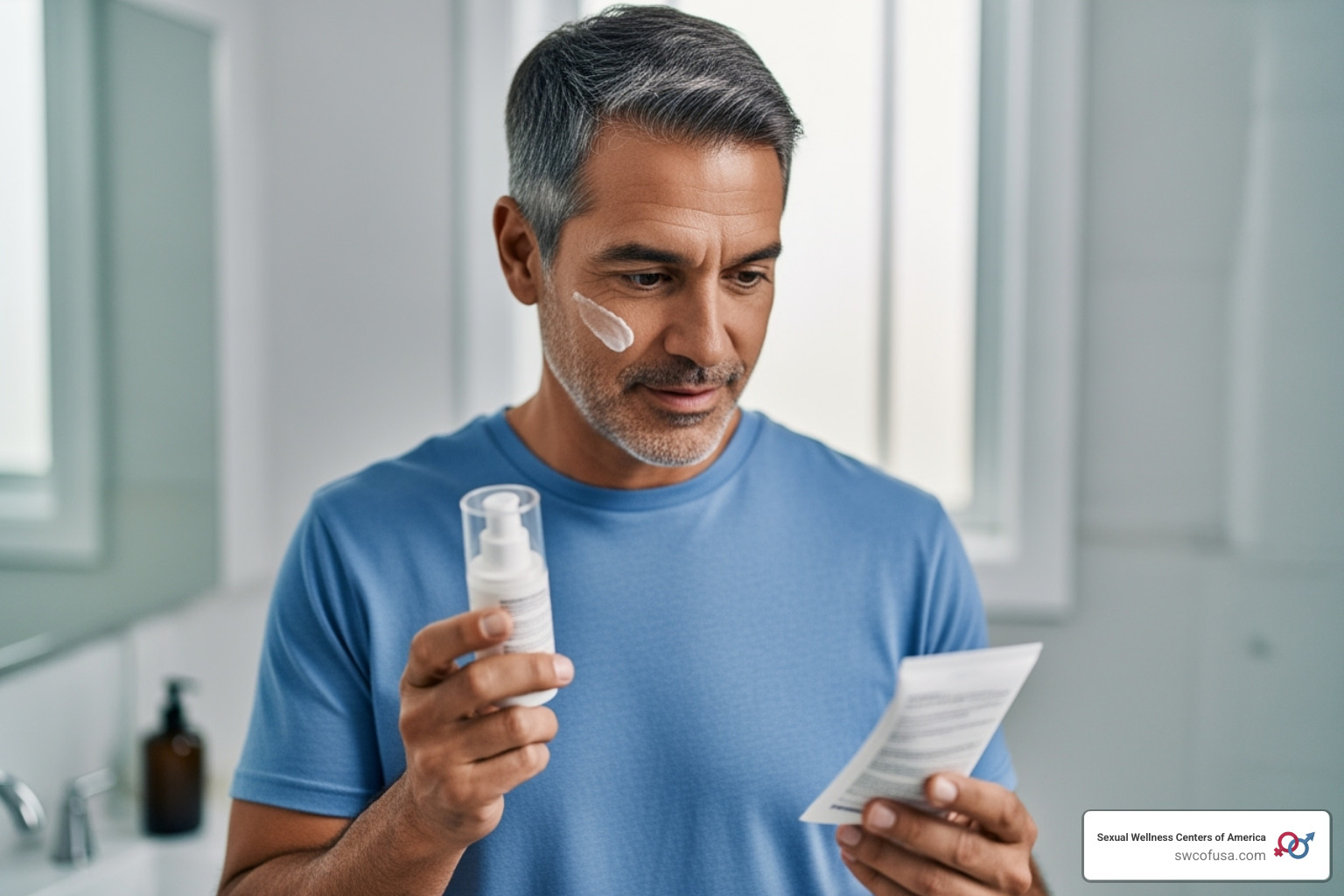
With peptides growing in popularity, the market is flooded with options. How do you pick the right peptide cream for your skin? This guide will help you make an informed decision. The key is understanding your skin type, concerns, and what to look for on the ingredient list. Not all peptides or formulations deliver the same results.
More info about Peptide Therapy Benefits
What to Look for in a High-Quality Peptide Cream
When scanning product labels, here’s what to look for in a high-quality peptide cream:
- Look for Peptides High on the Ingredient List: Ingredients are listed by concentration. If peptides are near the bottom, they may not be present in effective amounts. Prioritize products where peptides are among the first few ingredients after water.
- Specific Peptide Names: Look for scientific names with known benefits.
- Matrixyl 3000 (Palmitoyl Tripeptide-1 and Palmitoyl Tetrapeptide-7): Boosts collagen and elastin, reducing wrinkles and improving elasticity.
- Copper Peptides (GHK-Cu): Delivers copper to the skin, essential for wound healing and collagen production. Has anti-inflammatory and antioxidant properties. Studies show it can increase collagen by up to 70% and reduce wrinkles by 31%.
- Argireline (Acetyl Hexapeptide-8): Relaxes facial muscles to soften expression lines around the eyes and forehead.
- Royal Epigen (Pentapeptide-48): Clinically proven to speed up skin renewal for smoother, more even skin in under a month.
- Diffuporine (Acetyl Hexapeptide-37): Supports the moisture barrier and increases collagen production.
- Palmitoyl Pentapeptide-4: Another signal peptide that encourages collagen synthesis.
- Product Format Matters: Peptides need prolonged skin contact to work. Serums and moisturizers are more effective than rinse-off cleansers. Serums often have higher concentrations of active ingredients, making them a powerful choice.
- Consider the Concentration: While often not on the label, some brands specify the percentage of their peptide blends. For example, some high-performance serums feature a 30% blend.
Complementary Ingredients for Maximum Impact
An effective peptide cream often includes other beneficial ingredients that work synergistically. Look for these power-pairing ingredients:
- Hyaluronic Acid: A hydrator that holds 1,000x its weight in water, plumping skin and helping with absorption.
- Ceramides: Lipids that strengthen the skin barrier, prevent moisture loss, and reduce irritation.
- Niacinamide (Vitamin B3): Improves texture, reduces redness, minimizes pores, and strengthens the skin barrier.
- Vitamin C: An antioxidant that brightens skin, protects from damage, and is crucial for collagen synthesis.
- Antioxidants: Ingredients like Vitamin E and green tea extract protect the skin from free radical damage that causes premature aging.
- Shea Butter: A rich emollient for deep nourishment and softening, often in moisturizing peptide creams.
Which Skin Types and Concerns Benefit Most?
Peptides are versatile and gentle, making them suitable for many skin types and concerns.
- Mature Skin: Addresses the loss of collagen and elastin, helping reduce wrinkles and sagging.
- Dry and Dehydrated Skin: Peptides that support the skin barrier can improve hydration, making skin feel more comfortable and look plumper.
- Sensitive Skin: Peptides are typically well-tolerated by sensitive skin and can help calm inflammation and strengthen skin defenses.
- Combination Skin: Many peptide creams are non-comedogenic and can balance skin without causing breakouts.
- Early Signs of Aging: Collagen decline begins in our mid-twenties. Using peptides early can help maintain youthful skin and delay aging signs.
- Rosacea: Anti-inflammatory peptides can be beneficial in soothing redness and irritation from rosacea.
- Post-Treatment Skin Recovery: Peptides that aid wound healing (like GHK-Cu and BPC-157) can support skin recovery after procedures.
Integrating Peptides into Your Daily Skincare Routine
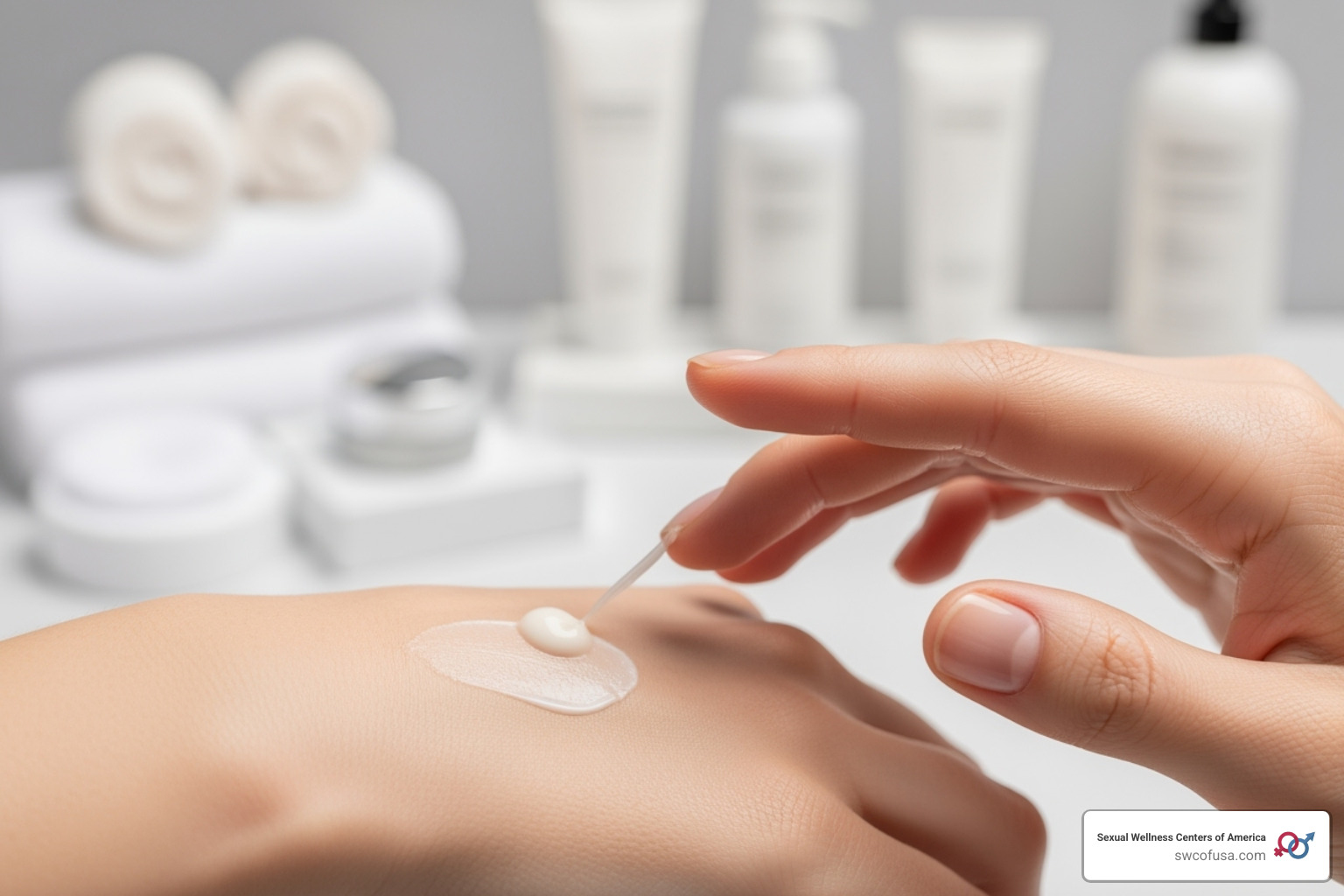
Now that you’re well-versed in the science and benefits of peptides, let’s talk practical application. Adding a peptide cream to your routine is straightforward, but understanding the best practices for layering and consistency will ensure you get the most out of this powerful ingredient.
Where Does a Peptide Cream Fit in Your Regimen?
The general rule of thumb in skincare layering is to apply products from thinnest to thickest consistency. This ensures that active ingredients can penetrate effectively without being blocked by heavier creams.
Here’s how a peptide cream typically fits into your daily regimen:
- Cleanse: Start with a gentle cleanser to remove impurities, makeup, and prepare your skin.
- Tone (Optional): If you use a toner, apply it after cleansing.
- Treatment Serums: Apply any targeted treatment serums you use, such as a Vitamin C serum in the morning or a retinol serum at night.
- Peptide Cream: This is where your peptide cream comes in. If it’s a lighter formulation, it can be applied after your serums. If it’s a richer, more moisturizing peptide cream, it would be the last step before SPF in the morning or your final step at night. Gently massage a pea-sized amount onto your face, neck, and décolleté until absorbed.
- SPF (Morning Only): Always finish your morning routine with a broad-spectrum sunscreen. Peptides work beautifully with SPF to protect your skin.
- Eye Cream (Optional): Many peptide creams are gentle enough to be used around the eye area, acting as an effective eye cream.
For optimal results, we recommend using your peptide cream both morning and night. Consistency is key with any active ingredient, and peptides are no exception.
Can I use a peptide cream with other active ingredients?
One of the great advantages of peptides is their generally harmonious nature with other popular active ingredients. Unlike some ingredients that can be tricky to layer, peptides are quite versatile.
- Vitamin C: Yes! As mentioned, Vitamin C and peptides are a fantastic combination. They complement each other in boosting collagen and providing antioxidant protection.
- Hyaluronic Acid, Ceramides, Niacinamide: Absolutely. These ingredients improve the benefits of peptides by providing hydration, strengthening the skin barrier, and improving overall skin health.
- AHAs (Alpha Hydroxy Acids) and Retinol: This is where a little nuance comes in. Peptides are generally gentle enough to use with retinols and AHAs. However, some dermatologists advise against layering retinol and peptides at the exact same time, particularly if you have sensitive skin. This is not because of a direct incompatibility that would inactivate the ingredients, but rather to minimize the potential for irritation when using multiple potent actives. A common best practice for sensitive skin is to use retinol on alternate nights or to apply your retinol at night and your peptide cream in the morning. For AHAs, if you’re using a leave-on AHA product, consider applying it at a different time of day than your peptide cream, or ensure your skin is well-tolerated.
- Patch Testing: Whenever you introduce a new product or combination of ingredients, especially if you have sensitive skin, we always recommend patch testing a small area of skin (like behind your ear or on your inner forearm) for a few days to check for any irritation before applying it to your entire face.
How Long Does It Take to See Results?
Patience, dear friend, is a virtue in skincare! While some products promise instant gratification, true skin change takes time. The timeline for seeing results from a peptide cream is tied to your skin cell turnover cycle.
Our skin cells are constantly renewing themselves, a process that typically takes about six weeks for new cells to reach the surface. This means that for any new skincare product, especially those targeting cellular processes like collagen production, consistency is absolutely key. Don’t expect dramatic overnight changes, but stick with it!
- Initial Improvements (2-4 weeks): You might start to notice subtle changes like improved hydration, a smoother texture, and a more radiant complexion. Some peptides, like Royal Epigen, have shown noticeable smoothing and evening of skin tone in as little as 28 days.
- Visible Results (6-12 weeks): This is typically when you’ll begin to see more significant improvements in fine lines, wrinkles, and overall firmness. Manufacturer studies on Matrixyl 3000, for instance, showed a reduction in wrinkles and more elastic skin after at least two months of topical use twice daily.
- Full Benefits (Beyond 12 weeks): Consistent use over several months will continue to improve results as collagen and elastin production steadily increases.
More is not always more. Overuse can sometimes lead to irritation, so stick to the recommended application frequency. The most effective approach is regular, consistent use, allowing your skin the time it needs to respond and regenerate.
More info about Anti-Aging Peptide Therapy
Potential Drawbacks and Safety Considerations
While we’re enthusiastic about the benefits of peptide creams, it’s important to approach any skincare ingredient with a balanced perspective. Like all active ingredients, peptides have their nuances, and understanding potential drawbacks and safety considerations will help you manage expectations and ensure a positive experience.
Are There Any Side Effects?
Generally speaking, peptides are considered one of the safest and most well-tolerated active ingredients in skincare. They are naturally occurring in the body, which contributes to their low irritation potential compared to some other powerful anti-aging ingredients like high concentrations of retinoids or AHAs.
- Low Irritation Risk: Most individuals experience no adverse reactions to peptide creams. They are often recommended for those with sensitive skin who might find stronger actives too irritating.
- Rare Allergic Reactions: While extremely rare, as with any topical product, there’s always a minimal risk of an allergic reaction. This might manifest as redness, itching, or a rash. This is why we always recommend patch testing new products, especially if you have a history of skin sensitivities.
- Pregnancy and Breastfeeding: Many peptide creams are considered safe for use during pregnancy and breastfeeding, offering a welcome anti-aging option for expectant and new mothers who need to avoid certain other ingredients. However, it’s always best to consult with your healthcare provider or dermatologist if you have any concerns.
Research on peptide safety
Rare peptide allergies
Understanding Limitations and Managing Expectations
It’s easy to get swept up in the marketing hype surrounding new skincare ingredients. While peptides are incredibly effective, it’s crucial to have realistic expectations.
- Not a Miracle Cure: No single peptide cream (or any topical product, for that matter) is a magic bullet that will erase decades of aging overnight. Skincare is a marathon, not a sprint!
- Topical vs. Injectables: Some peptides, particularly neurotransmitter inhibitors like Argireline, are often touted as “Botox in a bottle.” While they can certainly help soften the appearance of fine lines by relaxing muscle contractions to a degree, they are not as powerful or as long-lasting as professional injectable treatments. They serve as an excellent supportive role, helping to maintain results or delay the need for injectables, but they won’t replicate the same dramatic effects.
- Research is Still Developing: While there’s a growing body of scientific evidence supporting peptides, research is still evolving compared to more established anti-aging ingredients like retinoids or AHAs. This doesn’t diminish their efficacy, but it means that not every type of peptide will have the same robust scientific backing, and some may be more effective than others.
- Cost: Quality peptide formulations can sometimes be on the pricier side due to the cost of the raw peptide ingredients and the research that goes into their development. However, many effective options are becoming available across various price points.
Peptide creams are a fantastic addition to a comprehensive anti-aging strategy. They work best as part of a holistic approach that includes sun protection, a healthy lifestyle, and potentially other targeted treatments. They play a powerful supporting role in maintaining youthful, resilient skin and preventing future damage.
Lift Your Wellness from the Inside Out
At Sexual Wellness Centers of America, we believe that true wellness encompasses not just how you look on the outside, but how you feel and function on the inside. Skin health is intricately linked to overall cellular function, hormonal balance, and nutrient status. While a high-quality peptide cream is a wonderful tool for external anti-aging, we also understand that the most profound and lasting results come from a comprehensive approach.
Just as peptides signal your skin cells to regenerate, our specialized treatments at Sexual Wellness Centers of America in Colleyville, TX, work at a deeper, cellular level to optimize your body’s natural functions. We offer innovative sexual health treatments like HEshot®™, SHEshot®™, and REGENmax® technology, which use the body’s own regenerative capabilities. Our personalized plans, based on thorough hormone and vitamin panels, ensure that we address the root causes of aging and dysfunction, rather than just the symptoms. For example, our approach has boasted a remarkable 97.2% efficacy in erectile dysfunction reversal, demonstrating the power of addressing wellness from the inside out.
We understand that aging impacts more than just your skin; it can affect energy levels, sexual function, and overall vitality. That’s why we offer specialized services like Peptide Therapy, which focuses on utilizing specific peptides to support various bodily functions, from muscle growth and recovery to cognitive health and anti-aging at a systemic level. Combining these internal strategies with the topical benefits of a peptide cream creates a truly synergistic approach to anti-aging and overall well-being.
Whether you’re looking to smooth fine lines, boost your energy, or improve your sexual health, we’re here to help you achieve your goals. We invite you to explore how combining advanced skincare with our holistic wellness solutions can help you feel and look your best, truly lifting your wellness from the inside out.
REGENlase® and REGENwave® are also part of our advanced technological offerings, further demonstrating our commitment to cutting-edge, patient-centered care.
Find comprehensive Peptide Therapy in Colleyville, TX