
The Tiny Powerhouses of Skincare
Peptide supplements for skin have become one of the hottest trends in the beauty world. But beneath all the marketing hype lies a simple scientific truth: peptides are just short chains of amino acids – the building blocks that create proteins like collagen and elastin in your skin.
Quick Answer: Do Peptide Supplements Work for Skin?
- Oral collagen peptides: Strong evidence shows improved skin hydration and elasticity
- Topical peptide creams: Promising but limited research on skin penetration
- Timeline: 8+ weeks of consistent use for best results
- Safety: Generally safe up to 10 grams daily
- Cost: Expensive but may be worth it for some people
Here’s what’s actually happening: Your body naturally produces collagen and elastin to keep skin firm, smooth, and bouncy. But starting in your 20s, this production drops by about 1% each year. By age 60, you’ve lost significant structural support in your skin.
The peptide supplement industry promises to reverse this decline. Some companies sell topical creams and serums. Others focus on oral supplements you drink or swallow. The question is whether these tiny protein fragments can actually reach your skin cells and trigger meaningful changes.
The research tells a mixed but increasingly hopeful story. A major analysis of 26 studies involving 1,721 people found that hydrolyzed collagen supplements significantly improved both skin hydration and elasticity. Long-term use (over 8 weeks) showed even better results than short-term use.
But not all peptides are created equal. The supplement world is full of bold claims with little science to back them up.
I’m Jeff Nuziard, CEO of Sexual Wellness Centers of America, where we help clients optimize their overall wellness through science-based treatments including advanced therapies that support healthy aging. Through my work in wellness and anti-aging treatments, I’ve seen how peptide supplements for skin can fit into a comprehensive approach to looking and feeling your best.
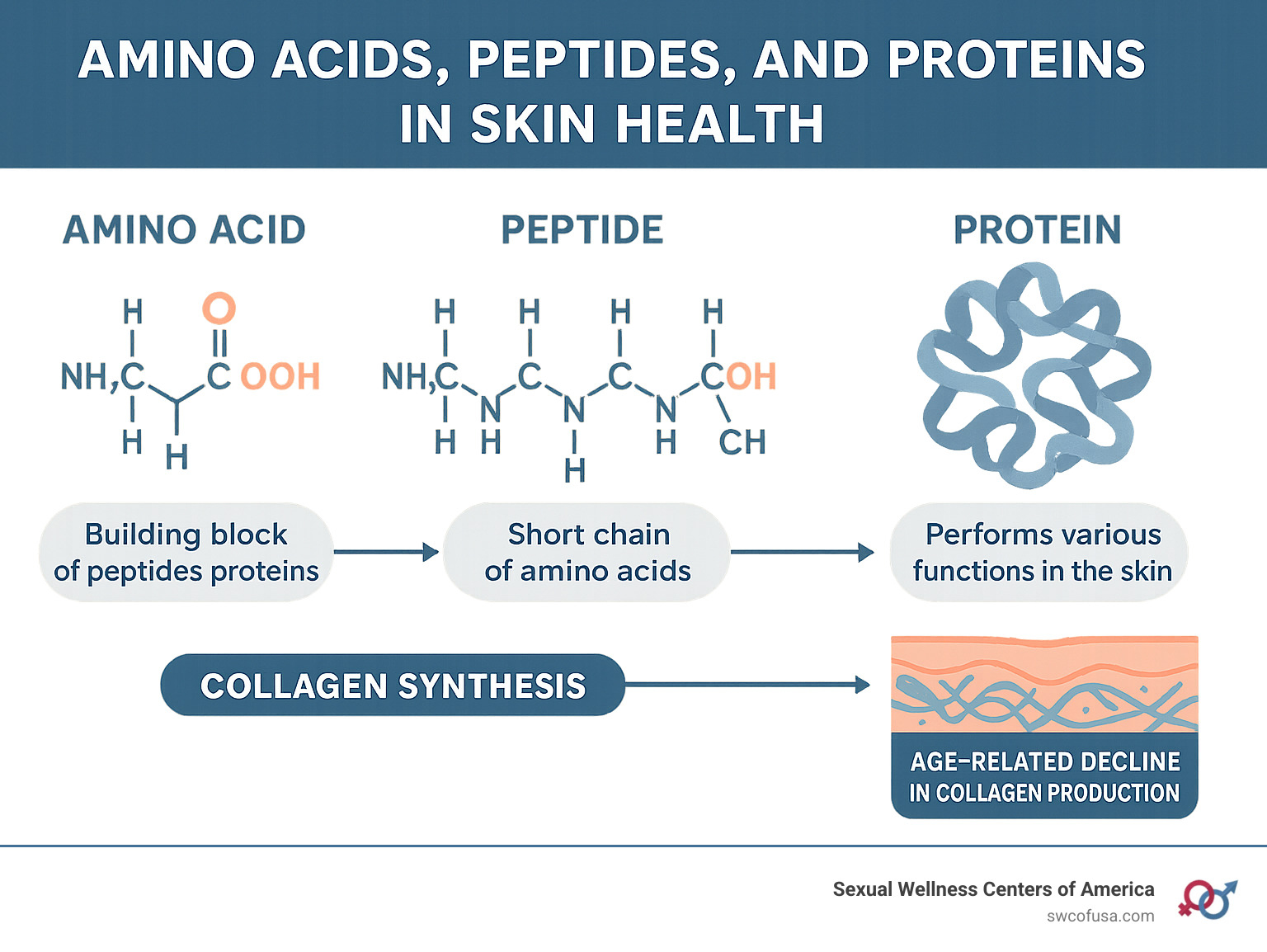
Peptide supplements for skin terms to learn:
How Peptides Work and Their Claimed Skin Benefits
Think of peptide supplements for skin as your body’s internal text messaging system. These tiny chains of amino acids work as signaling molecules, sending important instructions to your skin cells about what they should be doing.
When you take peptide supplements or apply peptide-containing products, you’re essentially giving your skin cells a friendly nudge. The peptides tell your fibroblasts (the cells that make collagen and elastin) to get back to work and start producing more of the structural proteins your skin needs to stay firm and bouncy.
What makes peptides special is their size. Unlike whole collagen proteins that are too big to penetrate your skin effectively, peptides are small enough to actually reach the cells where they can do their job. They act as building blocks and communication tools, working to boost your skin’s natural collagen and elastin synthesis from the inside out.
Boosting the Skin Barrier and Hydration
Your skin’s barrier is like a protective fortress wall. It keeps the good stuff (moisture) in and the bad stuff (toxins, UV rays, pollution) out. When this barrier gets damaged or weakened, your skin becomes dry, irritated, and vulnerable to environmental damage.
This is where peptides really shine. They help strengthen your skin’s natural defense system by encouraging cells to produce more of the components that make up this protective barrier. A stronger barrier means your skin can better defend itself against daily aggressors while also doing a much better job of locking in moisture.
Research shows that peptides can significantly improve skin barrier function. When your barrier works properly, you’ll notice your skin feels more hydrated and looks plumper. The improved moisture retention creates that healthy, dewy glow we all want.
Many people notice their skin feels softer and looks less dull after consistently using peptide supplements. That’s your strengthened skin barrier doing its job more effectively.
Improving Elasticity and Reducing Wrinkles
Here’s where peptide supplements for skin get really exciting. As we age, our skin’s collagen production drops dramatically – about 1% per year after age 20. This loss of collagen and elastin is what creates those fine lines, wrinkles, and that general “looseness” in our skin.
Peptides work as powerful messengers, telling your skin cells to ramp up collagen production. When fibroblasts receive these peptide signals, they start manufacturing new collagen and elastin fibers. This process helps create firmer, plumper skin with improved elasticity.
Studies on peptides and wrinkles show promising results. People who consistently use peptide supplements often see a reduction in fine lines and notice their skin has more bounce and resilience. The increased collagen production creates a smoother skin texture and can make existing wrinkles appear less pronounced.
The key is consistency. Your skin didn’t lose its collagen overnight, and peptides won’t restore it overnight either. But with regular use, many people notice their skin feels firmer and looks more youthful.
Other Potential Benefits
Peptide supplements for skin offer several bonus benefits beyond just boosting collagen. Many peptides have natural anti-inflammatory properties, which means they can help calm irritated skin and reduce redness. This is especially helpful if you have sensitive skin or deal with occasional breakouts.
Some peptides also have antimicrobial properties. Research on antimicrobial peptides shows they can help fight harmful bacteria on your skin’s surface. This antimicrobial action supports a healthier skin microbiome, which can lead to clearer, more balanced skin.
You might also notice improvements in skin tone evenness with regular peptide use. As peptides support overall skin health and cellular regeneration, they can help create a more uniform complexion.
These additional benefits work together to support clear, healthy skin that not only looks better but actually functions better too. It’s like giving your skin a comprehensive wellness program rather than just targeting one specific concern.
The Scientific Evidence: Do Peptide Supplements Really Work?
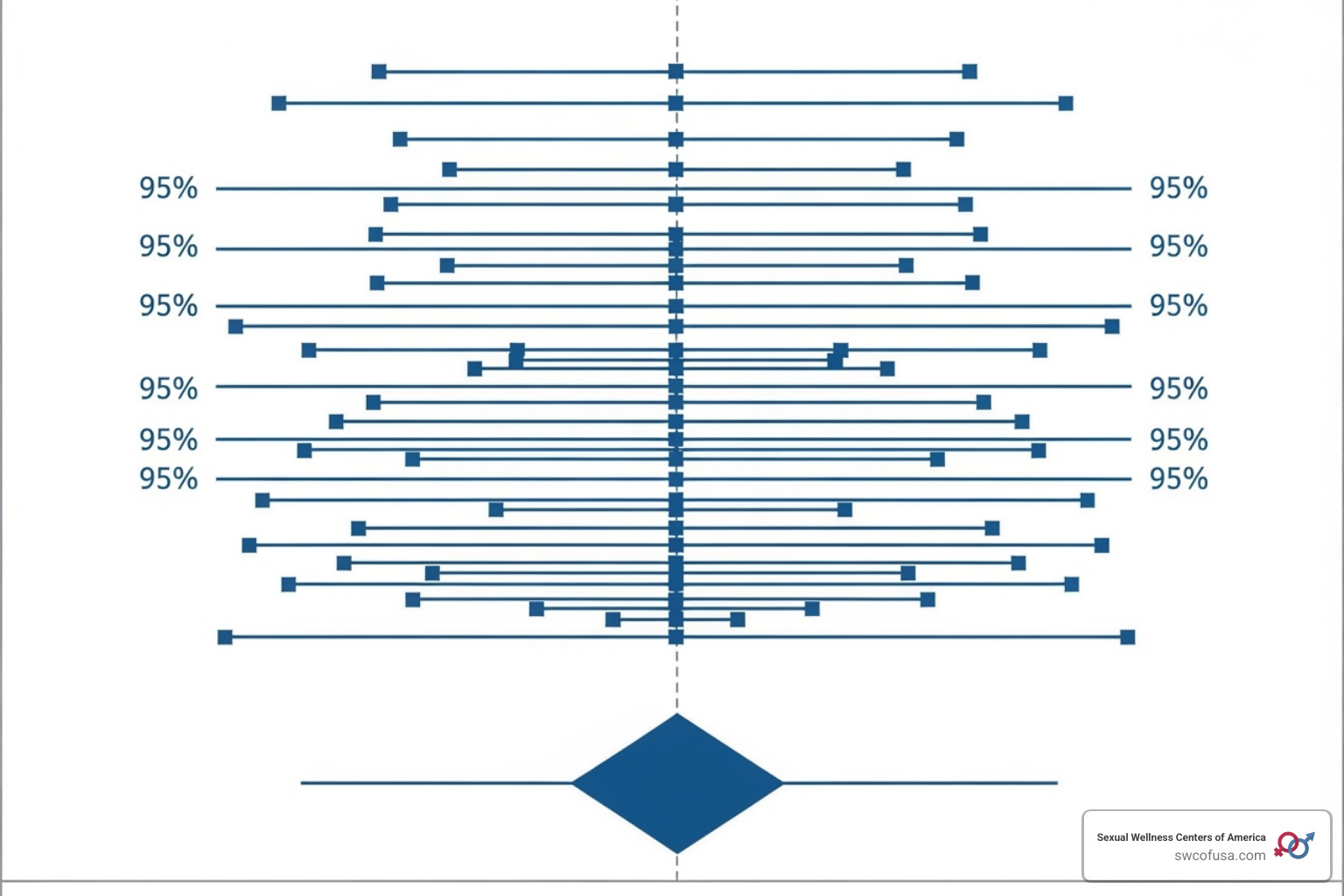
Let’s cut through the marketing hype and look at what the science actually says about peptide supplements for skin. When it comes to proving whether any supplement works, researchers rely on the gold standard: randomized controlled trials (RCTs), meta-analyses, and placebo-controlled studies. These aren’t just fancy terms – they’re the tools that separate real results from wishful thinking.
The good news? The research on peptides is actually quite promising, though it varies depending on how you use them. Whether you’re slathering on a peptide cream or drinking a collagen supplement makes a big difference in what the science shows.
The Verdict on Topical Peptide Creams and Serums
Here’s where things get tricky with topical peptide products. Your skin is basically a fortress designed to keep things out – including the peptides you’re trying to get in. Even though peptides are smaller than full proteins, skin penetration remains a real challenge because of molecule size and how well different formulations can actually deliver these ingredients where they need to go.
The skincare industry has gotten creative with different types of peptides to tackle this problem. Carrier peptides help shuttle important minerals like copper into your skin. Signal peptides act like tiny messengers telling your cells to make more collagen. Neurotransmitter peptides can temporarily relax facial muscles (think of them as a gentler cousin to botox). Enzyme inhibitor peptides work by blocking the enzymes that break down your existing collagen.
The reality is that while topical peptides show promise, the research is still developing compared to more established ingredients. Many studies are small, and we need more large-scale, independent trials to really understand how well these creams and serums work long-term. The scientific consensus? Topical peptides have potential, but we’re still figuring out the best ways to formulate them for maximum benefit.
The Science of Oral Peptide Supplements for Skin
This is where the evidence gets really exciting for peptide supplements for skin. When you take peptides by mouth, especially hydrolyzed collagen (HC), the science becomes much more compelling. Hydrolyzed collagen is essentially regular collagen that’s been broken down into smaller, more digestible pieces. This process makes them highly bioavailable – meaning they can actually get absorbed into your bloodstream and travel to your skin.
A major systematic review analyzed 26 randomized controlled trials involving 1,721 patients and found some impressive results. The researchers found that hydrolyzed collagen supplementation significantly improved both skin hydration and skin elasticity. We’re talking about real, measurable improvements that showed up consistently across multiple studies.
The numbers are pretty convincing. For skin hydration, the overall effect size was 0.63, and for skin elasticity, it was 0.72. In plain English, that means people taking these supplements saw noticeable improvements in how moisturized and bouncy their skin felt.
Here’s what’s really interesting: long-term use showed even better results. Studies that lasted more than 8 weeks had stronger effects than shorter studies. This tells us that consistency and patience are key – you can’t expect overnight miracles, but stick with it for a few months and you’re likely to see better results.
The research also revealed that the source of collagen matters for hydration. Fish-sourced collagen seemed to work better for improving skin moisture, while chicken-sourced collagen had the weakest effects. For elasticity, though, the source didn’t seem to make much difference.
Do They Help with Wrinkles, Hair, and Nails?
Let’s be honest about what the science shows for these other common concerns. Wrinkle reduction isn’t directly measured in most studies, but here’s the thing – when your skin becomes more hydrated and elastic (which the research clearly shows), fine lines and wrinkles naturally become less noticeable. It’s not magic, but it’s real improvement in your skin’s underlying structure.
The research suggests that oral collagen peptides work by increasing dermal matrix synthesis – basically, they help your skin rebuild its support structure from the inside out. Some studies do show wrinkle improvements, though the effects might not be dramatic enough for everyone to notice right away.
Hair benefits are where the evidence gets much thinner. While collagen is part of hair structure, there just aren’t enough large-scale studies proving that taking collagen peptides will give you thicker, longer, or stronger hair. Your body breaks down the collagen into amino acids and uses them where needed – but there’s no guarantee those amino acids will prioritize your hair follicles.
Nail health has some encouraging, though limited, research. A small study found that people with brittle nails who took 2.5 grams of collagen daily for 24 weeks saw improved brittleness and improved nail growth. It was a small study without a control group, but it’s a promising start.
The bottom line? The science strongly supports oral collagen peptides for skin hydration and elasticity. For wrinkles, you’ll see indirect benefits through better skin quality. For hair and nails, the jury’s still out, though there are some encouraging early signs, especially for nail health.
A Practical Guide to Choosing and Using Peptide Supplements
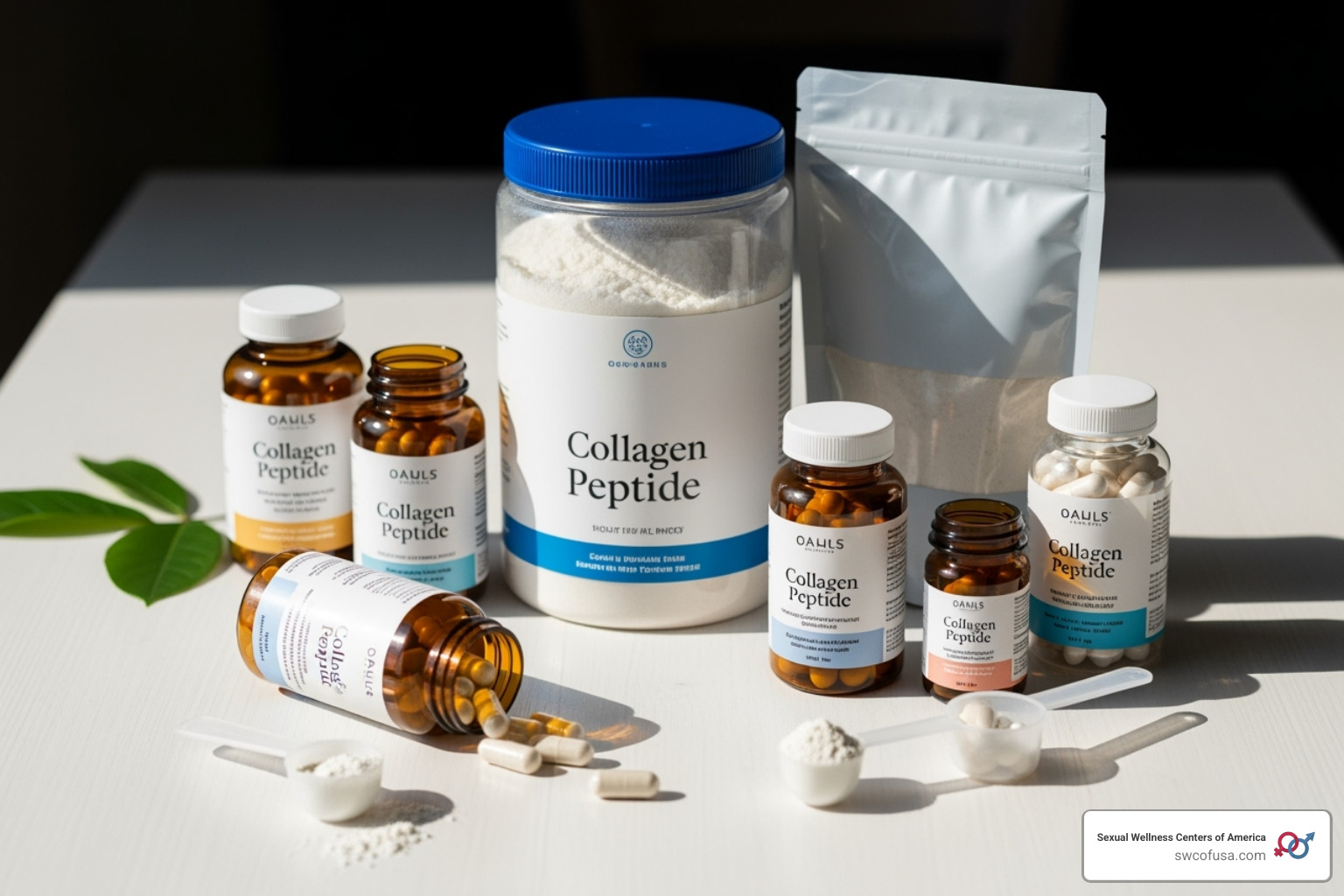
Walking down the supplement aisle can feel like navigating a maze of bold promises and confusing labels. When it comes to peptide supplements for skin, the marketing claims often sound too good to be true – and sometimes they are. But don’t worry. With the right knowledge, you can cut through the noise and make smart choices that actually benefit your skin.
The truth is, not all peptide supplements are created equal. Some companies focus on science-backed formulations, while others rely more on flashy packaging than actual research. Your job is to become a savvy consumer who knows what to look for.
How to Choose the Right Peptide Supplements for Skin
When you’re shopping for peptide supplements for skin, hydrolyzed collagen consistently shows up in research as the most effective option for skin benefits. Think of hydrolyzed collagen as pre-digested protein – it’s already broken down into smaller pieces that your body can easily absorb and use.
Type I collagen is what you want to see on the label. This makes up about 90% of the collagen in your skin, so it makes sense to supplement with the same type your skin actually needs. Many products will say “collagen peptides,” but make sure they specifically mention being hydrolyzed for better absorption.
The source of your collagen matters more than you might think. Marine collagen from fish often gets top marks in research for skin hydration. It tends to be smaller in molecular size, which may help with absorption. Bovine collagen from cows is another solid choice that’s been well-studied and is commonly found in powder forms. Chicken collagen, while still beneficial, showed weaker effects on skin hydration in at least one study.
Third-party testing is your friend here. This means an independent lab has verified that what’s on the label is actually in the bottle. Since the FDA doesn’t regulate supplements like medications, this extra step gives you peace of mind about purity and potency.
Keep an eye out for unflavored powders with minimal additives and fillers. Some products combine collagen with helpful ingredients like hyaluronic acid or vitamin C, which can support your body’s natural collagen production. Just make sure these extras are clearly listed and that you’re not paying for a bunch of unnecessary artificial sweeteners or mystery ingredients.
When reading labels, ingredients are listed by concentration. For topical products, look for peptides listed early in the ingredient list. You’ll often see names like “palmitoyl tripeptide” – the “palmitoyl” part just means it’s been stabilized to work better in skincare formulations.
Potential Drawbacks and Safety Concerns
Let’s be honest about the downsides of peptide supplements for skin. While they’re generally recognized as safe for healthy adults, there are a few things to keep in mind.
Safety-wise, most people tolerate oral collagen peptides well, even at doses up to 10 grams daily for up to six months. The side effects that do pop up are usually mild – things like feeling too full after taking them, mild stomach upset, or dealing with an unpleasant taste. Some people find the texture of collagen powders off-putting at first.
Rare cases of peptide allergies have been reported, so if you have known food allergies, especially to fish, beef, or chicken, check the source carefully. If you’re pregnant or breastfeeding, it’s best to skip peptide supplements since we don’t have enough safety data for these situations.
Cost is probably the biggest drawback for most people. Quality peptide supplements aren’t cheap, and when you factor in that you need to take them consistently for months to see results, it becomes a significant investment. Some people spend $50-100 per month or more on high-quality collagen peptides.
Consistency and long-term commitment are absolutely essential. Research showing the best results required more than 8 weeks of daily use. This isn’t a supplement you can take occasionally and expect miracles. You’re in it for the long haul.
Most importantly, peptide supplements aren’t magic. They won’t erase decades of sun damage or turn back the clock overnight. They work best as part of a complete approach to skin health that includes sun protection, a healthy diet, and a good skincare routine. Think of them as one helpful tool in your anti-aging toolkit, not the entire solution.
Always check with your healthcare provider before starting any new supplement, especially if you have health conditions or take medications. They can help you figure out if peptide supplements make sense for your specific situation.
Comparing Common Types of Peptides in Skincare
| Type | Function | Example (in skincare) |
|---|---|---|
| Signal Peptides | Signal the skin to produce more collagen, elastin, and other proteins, promoting firmness and elasticity. | Palmitoyl Pentapeptide-4 (Matrixyl), Palmitoyl Tripeptide-1 |
| Carrier Peptides | Help deliver trace elements (like copper) to the skin, which are essential for wound healing and collagen synthesis. | Copper Peptides (GHK-Cu) |
| Enzyme Inhibitor Peptides | Block the enzymes that break down collagen and elastin, helping to preserve existing proteins and reduce degradation. | Tripeptide-1 (Collaxyl) |
| Neurotransmitter Peptides | Work by temporarily inhibiting the release of neurotransmitters, leading to temporary muscle relaxation and reduced appearance of expression lines. | Acetyl Hexapeptide-8 (Argireline) |
Frequently Asked Questions about Peptide Supplements
How long does it take to see results from collagen peptide supplements?
If you’re expecting overnight miracles from peptide supplements for skin, you might want to adjust those expectations! Like most good things in life, peptide supplements require patience and consistency to show their true potential.
The research tells us that most studies on hydrolyzed collagen run anywhere from 2 to 12 weeks. But here’s the key insight: long-term use of more than 8 weeks consistently shows better results than shorter periods. This means you’re looking at a minimum commitment of two to three months before you can fairly judge whether these supplements are working for you.
Think of it like going to the gym – you wouldn’t expect to see major muscle changes after just a week or two, right? Your skin cells need time to respond to the peptide signals, ramp up collagen production, and show visible improvements in hydration and elasticity.
Some people might notice subtle changes earlier, like improved skin texture or a slight boost in hydration. But for the more dramatic benefits that studies report – like significant improvements in elasticity and hydration – consistency over 8+ weeks is absolutely essential.
The bottom line? Set realistic expectations and commit to the long haul. Your skin will thank you for the patience.
Are oral peptide supplements better than topical peptide creams?
This is one of those questions where the answer isn’t black and white – it’s more like comparing apples and oranges, both of which can be delicious in their own way!
Oral peptide supplements work like a comprehensive renovation project from the inside out. When you take hydrolyzed collagen, it gets absorbed through your digestive system and distributed throughout your entire body via your bloodstream. This systemic approach means the peptides can reach the deeper layers of your skin (the dermis) where collagen and elastin are actually produced. It’s like feeding your skin’s foundation.
Topical peptide creams and serums, on the other hand, work more like targeted touch-ups from the outside in. They’re applied directly where you want to see changes, potentially offering more focused benefits for specific concerns like fine lines around your eyes or areas of irritation.
The challenge with topical products is that your skin is naturally designed to keep things out – it’s your body’s protective barrier, after all! While newer formulations are getting better at helping peptides penetrate the skin’s surface, it’s still more challenging than the oral route.
Here’s the exciting part: you don’t have to choose just one approach. Many skincare enthusiasts find that combining oral peptide supplements for skin with quality topical peptide products gives them the best of both worlds – comprehensive support from within plus targeted treatment where they need it most.
Can I get enough peptides from my diet alone?
While I love the idea of getting all our nutrients from food (and a protein-rich diet is definitely important for overall health), the reality is that getting therapeutic levels of specific peptides for skin benefits from diet alone is pretty challenging.
Foods like bone broth, fish, meat, eggs, and dairy contain plenty of amino acids – the building blocks your body uses to make collagen. But here’s where it gets interesting: when you eat a piece of chicken or drink bone broth, your digestive system breaks down those whole proteins into individual amino acids. Your body then uses these amino acids wherever it needs them most at that moment, which might be muscle repair, immune function, or countless other processes – not necessarily your skin.
Peptide supplements for skin, especially hydrolyzed collagen, offer something different. These supplements contain peptides that are already broken down into smaller, more easily absorbed chains. It’s like the difference between giving your body raw materials to build with versus giving it pre-fabricated components that are ready to use.
This pre-digested form means higher concentrations of specific peptides can reach your bloodstream and potentially signal your skin cells more effectively than general dietary protein. Think of it as the difference between hoping some of the lumber you ordered gets used for your deck versus having deck-specific materials delivered directly to your backyard.
So while that protein-rich diet absolutely provides the foundation for healthy skin, peptide supplements for skin offer a more targeted and concentrated approach to supporting your skin’s specific needs.
The Bottom Line: Are Peptides a Worthwhile Investment for Your Skin?
After sifting through all the research and marketing claims, here’s the honest truth: peptide supplements for skin aren’t just another beauty fad. The science, particularly for oral hydrolyzed collagen, tells a compelling story backed by solid evidence from multiple studies involving over 1,700 people.
The numbers don’t lie. When researchers analyzed 26 randomized controlled trials, they found significant improvements in both skin hydration and elasticity from collagen peptide supplementation. We’re talking about real, measurable changes that people could see and feel. The catch? You need to stick with it for at least 8 weeks to see the best results.
But let’s be clear about what peptides can’t do. They’re not a magic eraser for decades of sun damage or a fountain of youth in powder form. Think of them more like a really good multivitamin for your skin – they give your body the tools it needs to maintain itself better, but they work best when combined with other healthy habits.
Generally safe for most people at doses up to 10 grams daily, peptide supplements represent a relatively low-risk way to support your skin from the inside out. The main downsides? They’re expensive, and you need to take them consistently for months to see results. Some people also report mild digestive upset or an unpleasant taste.
The real power of peptide supplements for skin comes when you view them as part of a bigger picture. Sun protection remains your most important anti-aging tool – no supplement can undo UV damage. A healthy diet rich in protein, vitamins, and minerals provides the foundation your body needs for natural collagen production. And a proper skincare routine with cleansing, moisturizing, and proven ingredients supports your skin from the outside.
At Sexual Wellness Centers of America, we understand that feeling confident about your appearance connects directly to your overall wellness. Sometimes the best approach combines multiple strategies – which is why we offer personalized wellness plans that might include advanced technologies like REGENmax®, SHEshot®, HEshot®, REGENlase®, or REGENwave® alongside other health-supporting treatments.
Whether peptides are worth the investment depends on your budget, patience, and commitment to long-term skin health. If you can afford the ongoing cost and stick with consistent use, the research suggests you’re likely to see improvements in skin hydration and elasticity. For many people, that’s enough to justify the expense.
Learn more about our innovative wellness treatments