
Finding Relief for Arthritis Pain: The Peptide Revolution
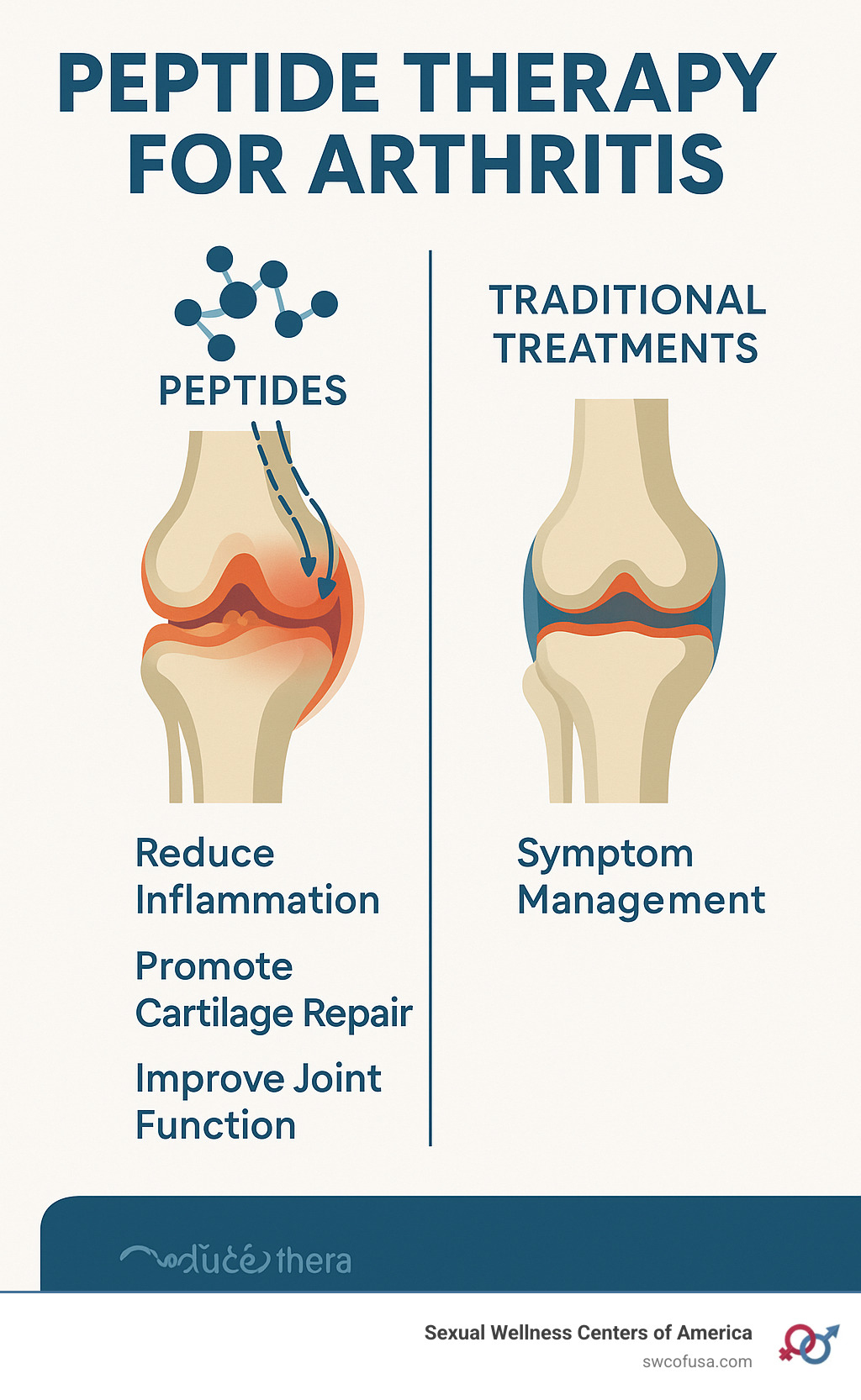
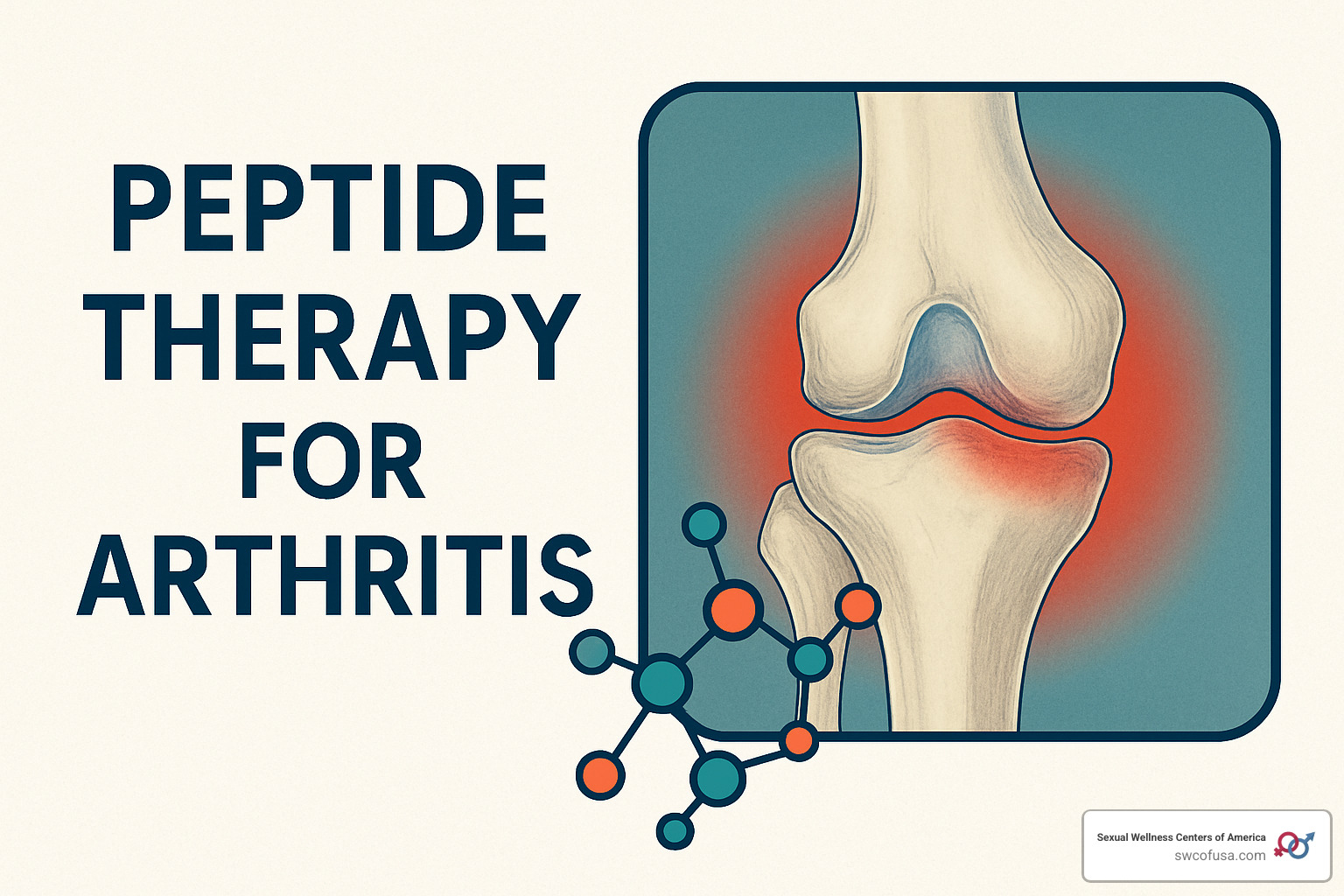
Peptide therapy for arthritis is an innovative treatment approach that uses small chains of amino acids to reduce inflammation, promote tissue repair, and potentially regenerate damaged cartilage in arthritic joints. Here’s what you need to know:
- What it is: A regenerative medicine approach using short amino acid chains that act as signaling molecules
- How it works: Targets specific joint tissues, reduces inflammation, and stimulates healing processes
- Key peptides: BPC-157, VIP, thymosin-α1, collagen peptides, and CDP-11R conjugates
- Administration: Typically via injection (intra-articular or subcutaneous), with some oral formulations
- Benefits: Reduced pain, improved function, tissue repair with minimal systemic side effects
- Research status: Strong preclinical evidence with growing clinical trial support
For millions of Americans suffering from chronic joint pain and limited mobility due to arthritis, traditional treatments often provide only temporary relief with significant side effects. As conventional medications merely mask symptoms without addressing underlying tissue damage, many patients continue searching for more effective solutions.
Emerging research indicates that peptide therapy targets the root causes of joint deterioration while promoting the body’s natural healing mechanisms. Unlike systemic steroids or NSAIDs, cartilage-targeting peptides can deliver therapeutic compounds directly to affected joints with minimal exposure to other tissues.
I’m Jeff Nuziard, CEO of Sexual Wellness Centers of America, where we’ve incorporated peptide therapy for arthritis into our comprehensive wellness programs after witnessing remarkable improvements in joint function and quality of life for our patients dealing with age-related joint deterioration.
Simple peptide therapy for arthritis word guide:
– peptide injection therapy
– peptides for healing
– peptide supplements
What Is Peptide Therapy?
Think of peptides as the body’s tiny messengers – short chains of amino acids (2-50 units) that slip easily into tissues and trigger very specific healing signals. In peptide therapy for arthritis, naturally occurring or lab-designed peptides tell joint cells to calm inflammation and start repairing cartilage.
Why they matter:
- Precision: Peptides can be engineered to gather inside cartilage, so the rest of your body isn’t flooded with medication.
- Regeneration: Many peptides do more than dull pain; they switch on pathways that rebuild tissue.
- Low side-effect risk: Because they’re made of the same building blocks your body uses every day, peptides are usually broken down into harmless amino acids once their job is done.
How Peptides Reach Arthritic Joints
Cartilage is tricky to medicate because it has almost no blood supply. Scientists solved this by giving certain peptides a positive charge, which pulls them into negatively charged cartilage through electrostatic attraction (called Donnan equilibrium).
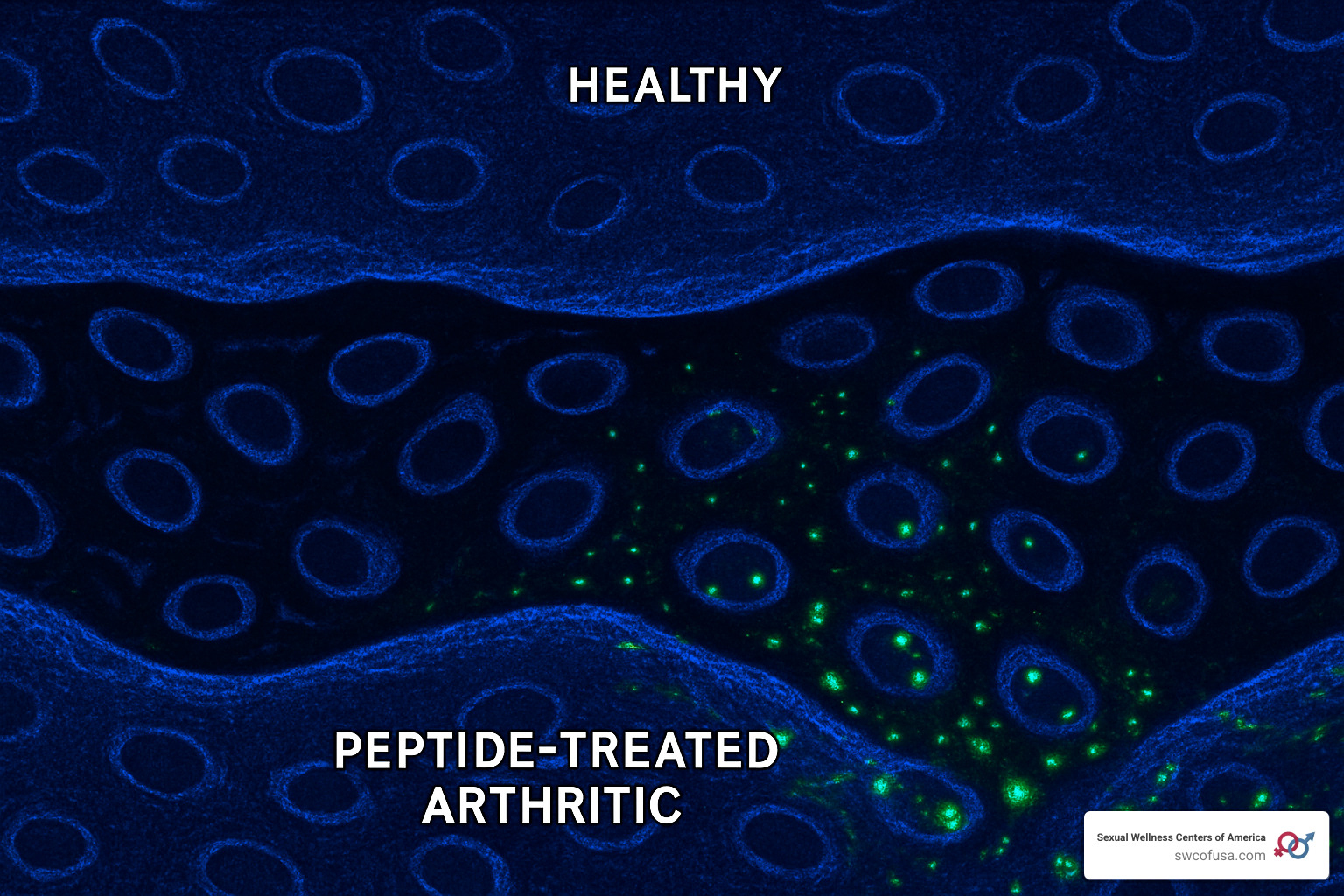
Cystine-dense peptides (CDPs) such as CDP-11R pack several disulfide bonds that keep them stable while they migrate into cartilage. In laboratory studies, CDP-11R reached peak cartilage levels in 30 minutes and stayed for more than four days – far longer than untargeted drugs.
Learn more in this open-access paper on cartilage-targeting peptides.
Peptide Therapy for Arthritis: Conditions & Key Peptides
Below are the arthritis types we see most often at Sexual Wellness Centers of America – and the peptides with the best data so far.
Osteoarthritis (OA)
- BPC-157: 15-amino-acid peptide that boosts blood flow, collagen, and fibroblast activity for cartilage repair.
- Collagen peptides: Act as a blueprint, nudging joints to make more of their own collagen.
- CDP-steroid conjugates: Cartilage-seeking peptides ferry small steroid doses directly into damaged tissue, limiting whole-body exposure.
Rheumatoid Arthritis (RA)
- VIP (Vasoactive Intestinal Peptide): Calms overactive immune cells and drops levels of cartilage-eating enzymes.
- Thymosin-α1: Lowers inflammatory cytokines while supporting regulatory T- and B-cells.
- ARA-290: Activates the erythropoietin receptor, tipping the balance toward anti-inflammatory signals; shown safe in Phase II trials.
What’s Next?
- CDP-11R–TAA (peptide + triamcinolone) shrank rat ankle swelling within 24 hours.
- AOD-9604 (originally for weight management) combined with hyaluronic acid sped cartilage growth in animal studies.
- Nano-peptide carriers are in development to deliver multiple agents at once.
Science & Evidence: How Peptides Heal Joints
Key mechanisms confirmed in lab, animal, and early human studies:
- NF-κB shutdown – Peptides like BPC-157 and VIP block this master inflammatory switch.
- Cytokine re-balance – Drop TNF-α, IL-1β; boost IL-10.
- Macrophage shift – Convert destructive M1 macrophages to healing M2 types.
- Angiogenesis & collagen – Build the right amount of new blood vessels and extracellular matrix.
- Stem-cell recruitment – Create a homing signal that draws mesenchymal stem cells to damaged cartilage.
Highlight results:
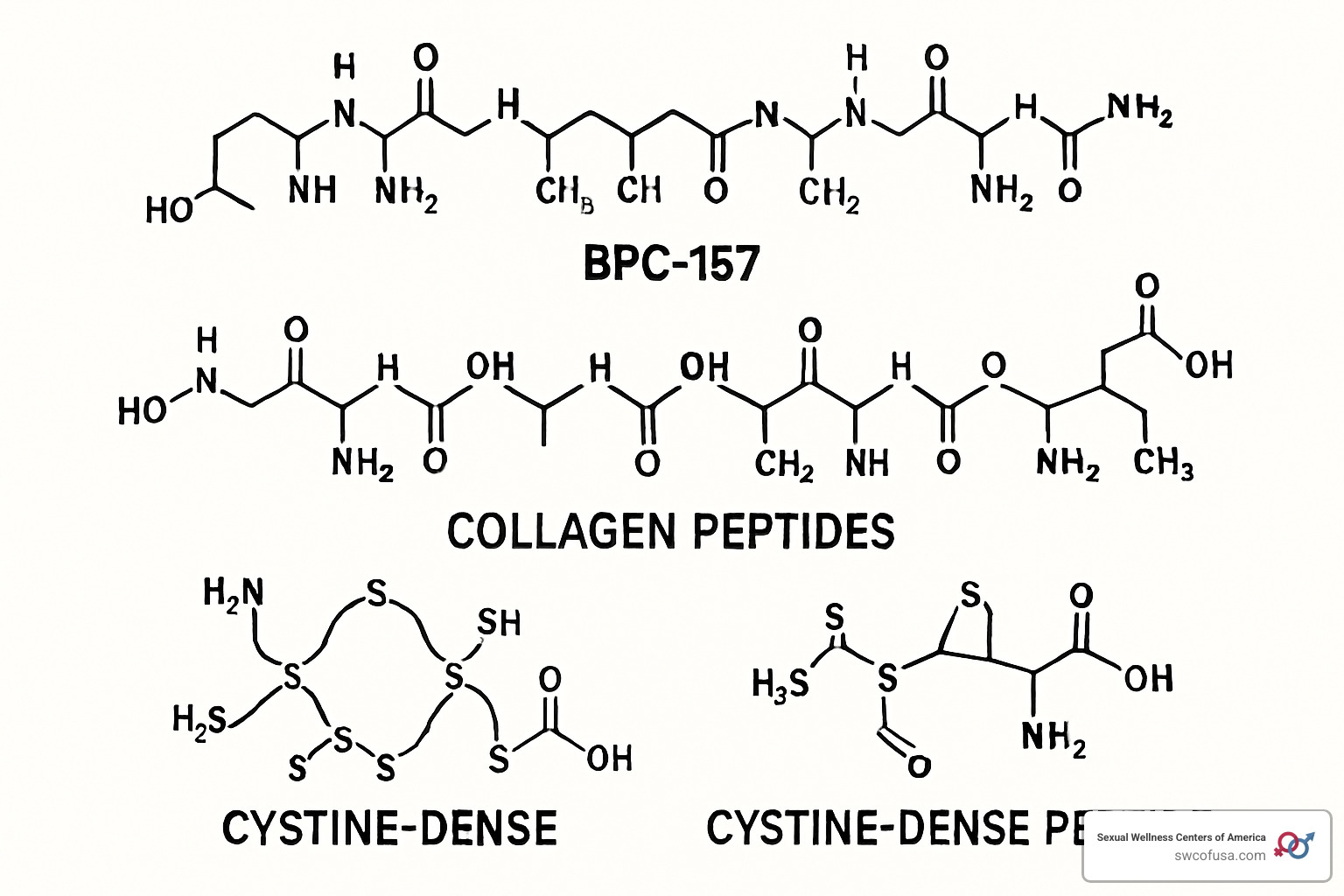
- CDP-11R lodged in human cartilage at ~98 nmol/g – eight times the level of untargeted peptides.
- CDP-11R–TAA delivered 11× more steroid to rat knee cartilage than free steroid alone just three hours post-injection.
- In a small human knee study, >91 % of patients receiving BPC-157 reported significant pain relief.
These data suggest peptides can do more than mask symptoms – they may actually slow or reverse aspects of joint degeneration.
Treatment Journey: Protocols, Safety, Cost & Access
At Sexual Wellness Centers of America, every arthritis plan is custom to you.
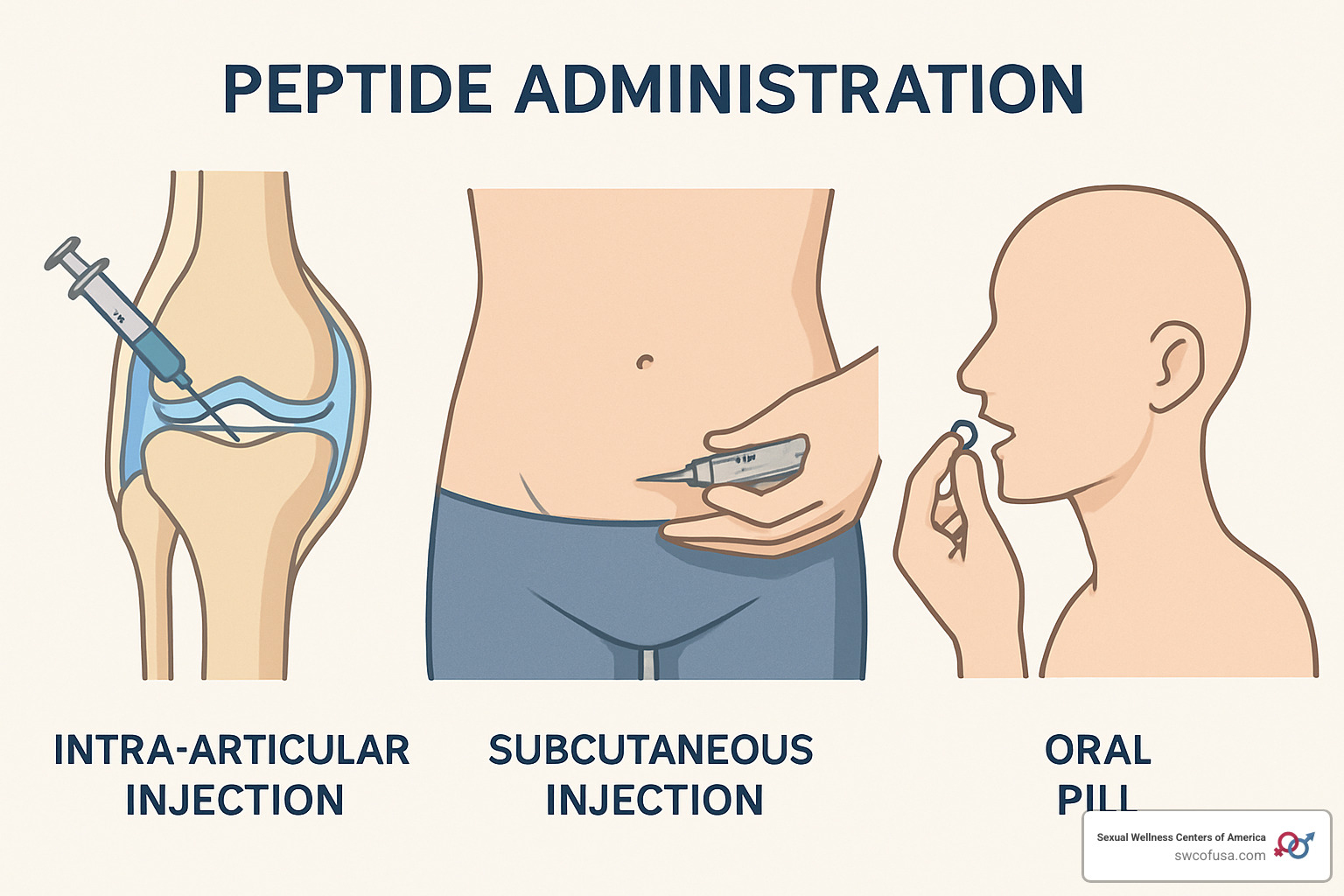
How We Give Peptides
- Intra-articular: Directly into the joint for focused relief.
- Subcutaneous: Under the skin; most patients self-inject at home after brief training.
- Oral (select peptides): Needle-free but currently less common.
Typical Protocol
- Comprehensive lab & imaging work-up.
- 4–6-week loading phase (2–3 injections/week).
- Maintenance (weekly to monthly) for 3–6 months.
- Re-evaluation and dose-adjust as needed.
Most people feel some relief within 2–3 weeks, with bigger gains over several months.
Safety Snapshot
Peptides rarely cause more than mild redness at the injection site. Unlike long-term NSAIDs or steroids, they do not carry known risks of GI bleeding, kidney strain, or bone loss. We still monitor for rare allergies.
Cost & Access
Some peptides come via prescription compounding pharmacies; others are still in FDA trials. Insurance coverage is evolving. We’ll outline clear pricing and financing options before you start therapy.
Learn how similar protocols help active individuals on our page about IM injections for athletes.
Peptide Therapy vs Other Joint Solutions
Why Choose Peptides First?
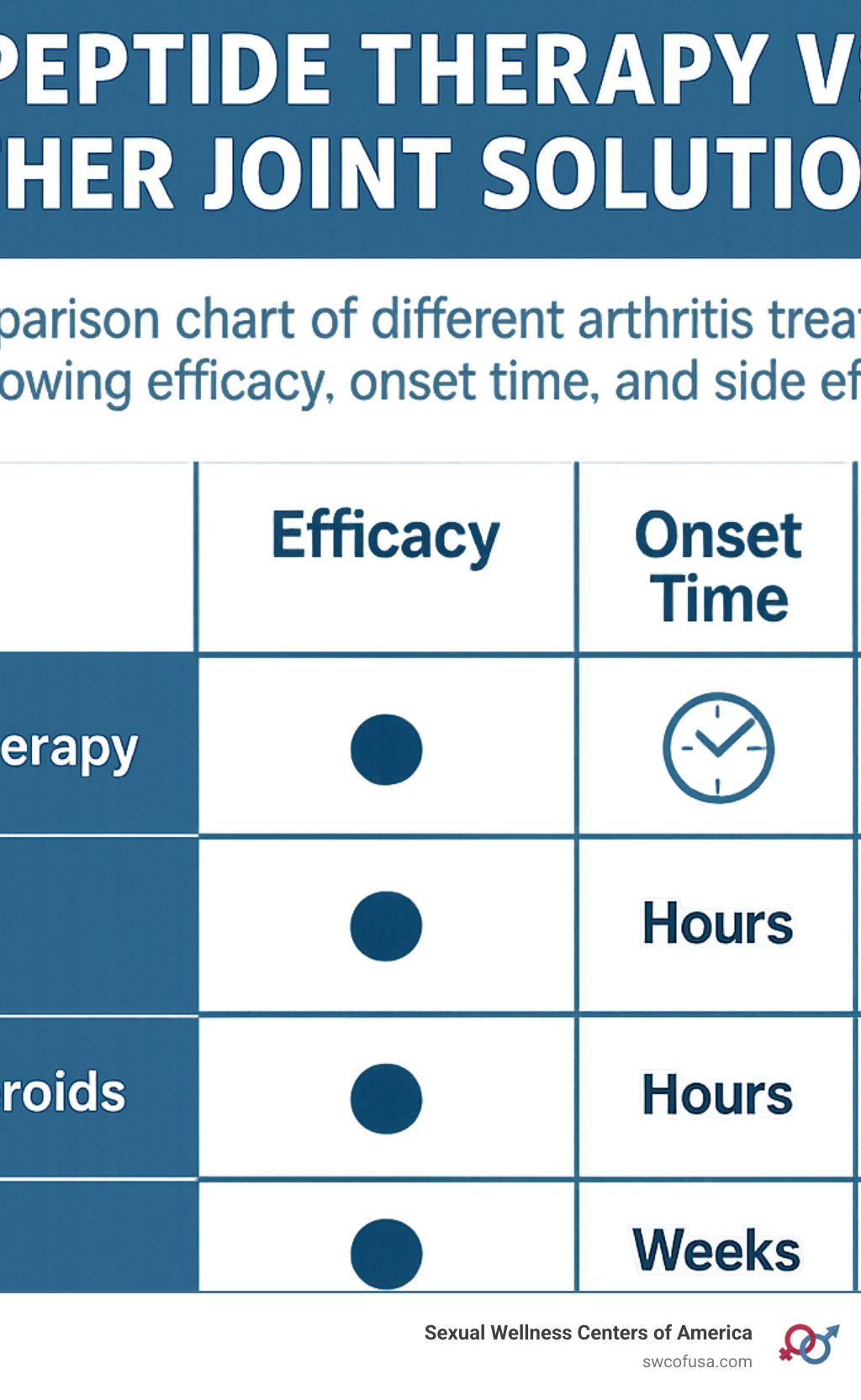
| Approach | Main Goal | Systemic Side-Effects |
|---|---|---|
| NSAIDs | Pain relief | GI bleeding, kidney risk |
| Steroid shots | Strong anti-inflammatory | Bone & cartilage thinning |
| Hyaluronic acid | Lubrication | Minimal |
| Peptides | Repair + anti-inflammatory | Very low |
Peptides target cartilage directly, so you get localized benefits with less stress on your stomach, kidneys, and bones.
Team-Up Potential
Research shows peptides pair well with:
- PRP: Growth factors + peptide signaling = stronger cartilage formation.
- Hyaluronic acid: Peptides like AOD-9604 work better when mixed with HA.
- Physical therapy & nutrition: Lower pain lets you train; good nutrients provide the raw materials for rebuilding.
For patients at our Colleyville clinic, this integrated strategy often means faster returns to golf, tennis, or simply walking the dog without pain. Read how IV nutrients complement joint recovery on our IV infusions page.
Frequently Asked Questions about Peptide Therapy for Arthritis
Is peptide therapy safe for long-term use?
When my patients ask about safety, I’m happy to share some good news. Peptide therapy for arthritis has shown an excellent safety profile compared to traditional medications many of us have tried over the years.
Unlike NSAIDs or corticosteroids that can wreak havoc on your stomach, kidneys, or bones with extended use, peptides generally don’t accumulate in your body or damage your organs. Most peptides simply break down into amino acids—the same building blocks your body naturally uses every day.
That said, I always like to be transparent with my patients at Sexual Wellness Centers of America. The research on long-term safety for some of the newer peptides is still developing. We take a careful approach by monitoring your progress closely and adjusting your treatment plan based on both the latest research and how your unique body responds.
How soon can I feel relief?
“When will I start feeling better?” is probably the question I hear most often. The truth is, your timeline for experiencing benefits from peptide therapy for arthritis depends on your unique situation and which specific peptides we use in your treatment plan.
Some of my patients notice their pain and inflammation improving within just 1-2 weeks of starting treatment—especially those using peptides like BPC-157. But I always encourage patience because the most impressive benefits—particularly the tissue repair and regeneration effects—typically develop over 2-3 months of consistent therapy.
I’ve found that patients who commit to completing their full treatment protocol get the best results. The most meaningful and lasting improvements aren’t usually overnight sensations but rather gradual, steady progress that builds over time.
Can peptides cure arthritis or just manage symptoms?
I’m always careful about using the word “cure” when discussing arthritis treatments. While peptide therapy for arthritis cannot completely reverse all joint damage that’s already occurred, what makes peptides truly exciting is their potential to actually modify the disease course—something that sets them apart from conventional treatments that only mask symptoms.
By promoting actual tissue repair, reducing inflammation at its source, and positively influencing immune responses, certain peptides may help slow down joint deterioration. Some even show promise for stimulating regeneration of damaged tissues. This goes well beyond just temporarily making you feel better—it’s addressing the underlying processes driving your arthritis.
I’ve seen remarkable improvements in many patients at Sexual Wellness Centers of America, but I always emphasize that results vary by individual. In my experience, peptide therapy works best when it’s part of a comprehensive approach to joint health that includes appropriate exercise, nutrition, and other lifestyle factors.
Your journey with arthritis is unique, and we’re here to create a personalized plan that works specifically for your body and your life.
Conclusion
The journey through peptide therapy for arthritis reveals a landscape of hope and innovation for those struggling with joint pain. Unlike conventional treatments that merely mask symptoms, peptides work with your body’s natural processes to target the underlying causes of joint deterioration while stimulating healing.
What makes this approach truly exciting is the precision of modern peptide technology. Joint-specific peptides like CDP-11R can deliver therapeutic compounds directly to cartilage, providing relief exactly where you need it without flooding your entire system with medications. This targeted approach means fewer side effects and potentially better outcomes for your joints.
Your arthritis journey is unique, which is why we believe in personalized protocols rather than one-size-fits-all solutions. At Sexual Wellness Centers of America, we carefully assess your specific joint condition, inflammation patterns, and overall health to create a custom peptide therapy plan that addresses your individual needs.
The science behind peptide therapy for arthritis continues to evolve at a remarkable pace. Emerging peptides like gene-peptide hybrids and nano-peptide carriers represent the cutting edge of joint care—treatments that weren’t even imaginable just a decade ago. These innovations are creating a future where arthritis might be managed more effectively and with greater comfort than ever before.
I’ve seen how combining peptide therapy with complementary approaches like physical therapy and targeted lifestyle changes can transform lives. Patients who once struggled to climb stairs or enjoy a simple walk often find themselves refinding activities they thought were lost to them forever.
While peptide therapy for arthritis isn’t a miracle cure, it offers something perhaps more valuable—a scientifically-grounded approach that works with your body rather than just suppressing symptoms. The potential to modify disease progression while avoiding the harsh side effects of conventional treatments makes peptides a compelling option for anyone seeking long-term joint health.
If you’re tired of temporary fixes and ready to explore a more innovative approach to arthritis care, we’d love to help. Our team at Sexual Wellness Centers of America specializes in future-ready therapies that harness your body’s regenerative potential. We’ll walk alongside you every step of the way, adjusting your protocol as needed to optimize your results.
The journey to joint health doesn’t have to be traveled alone. Our experienced medical professionals understand the frustration and limitations that arthritis can impose on your life. We’re committed to providing not just cutting-edge treatments, but also the education, support, and ongoing care you need to achieve lasting improvement.
Peptide therapy represents just one component of our comprehensive approach to joint health. By integrating this innovative treatment with personalized nutrition plans, appropriate physical activity guidance, and other complementary therapies, we create a holistic strategy designed to address all aspects of your arthritis condition.
For more information about how peptide therapy might fit into your joint health journey, visit our peptide therapy services page or reach out to our Colleyville location to schedule a personalized consultation.