
Why Diabetes Affect Erectile Dysfunction More Than Most Men Realize
Diabetes affect erectile dysfunction by damaging the blood vessels and nerves your body needs to get and keep an erection. It’s one of the most common — and least talked about — complications of the disease.
Here’s the short answer:
| How Diabetes Causes ED | What’s Happening |
|---|---|
| Blood vessel damage | High blood sugar narrows and hardens vessels, reducing blood flow to the penis |
| Nerve damage | Diabetic neuropathy disrupts the nerve signals needed to trigger an erection |
| Reduced nitric oxide | Less nitric oxide means the penile muscles can’t relax enough for blood to flow in |
| Hormonal changes | Diabetes is linked to low testosterone, which reduces sexual drive and function |
| Comorbid conditions | High blood pressure, obesity, and heart disease — all common with diabetes — make ED worse |
The numbers tell a serious story. More than 38 million Americans have diabetes, and roughly half of all men diagnosed with it will develop ED within 10 years. Men with diabetes are 3.5 times more likely to experience ED than men without it. In some studies, the prevalence reaches over 66% in men with type 2 diabetes.
What makes this especially important: many men notice erection problems before they’re ever diagnosed with diabetes. ED can be one of the earliest warning signs that something is wrong systemically.
I’m Jeff Nuziard, CEO of Sexual Wellness Centers of America, and helping men understand how diabetes affect erectile dysfunction — and what to actually do about it — is at the core of what we do every day. In this guide, I’ll walk you through the science, the symptoms, and the solutions.

Key terms for diabetes affect erectile dysfunction:
How Diabetes Affect Erectile Dysfunction: The Biological Connection
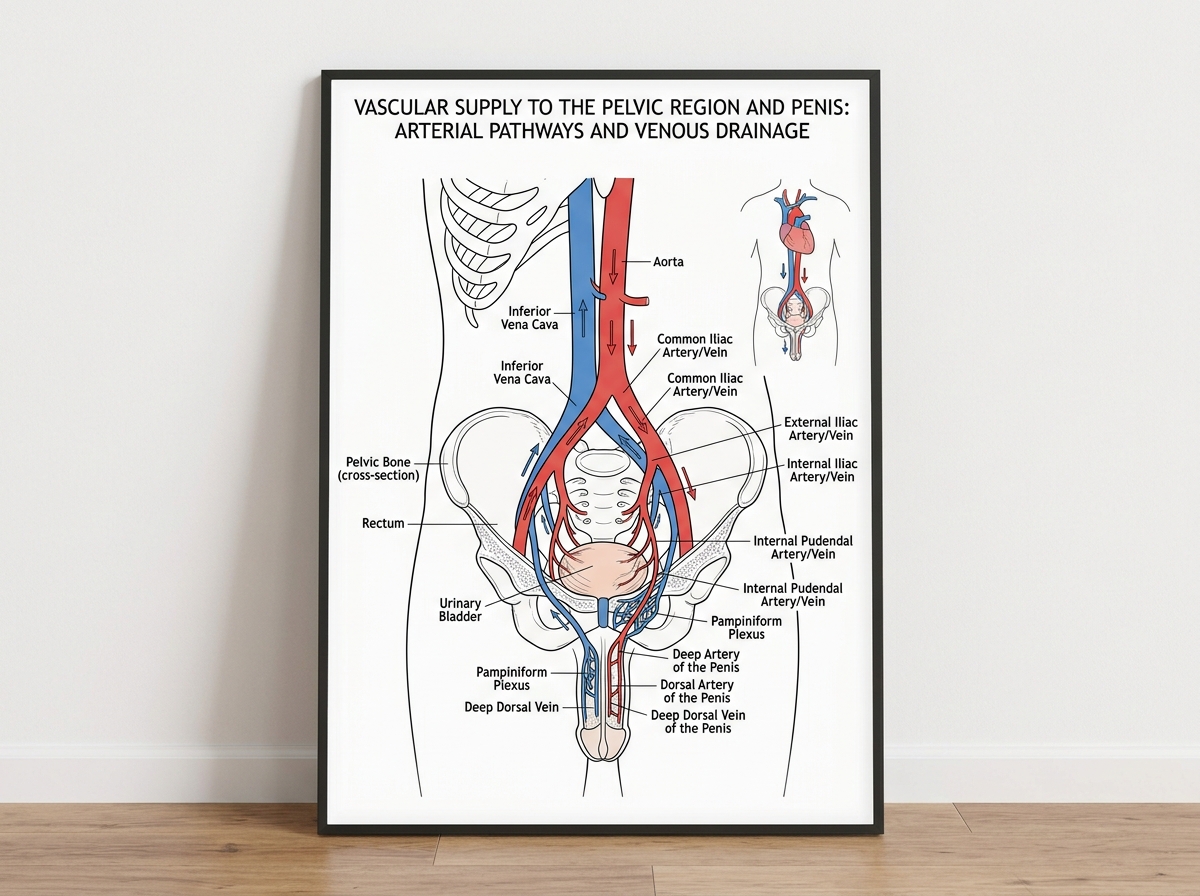
To understand how diabetes affect erectile dysfunction, we have to look at the “plumbing” and the “wiring” of the male body. An erection isn’t just a psychological event; it is a complex vascular and neurological process. When you have diabetes, both of these systems are under constant siege from high blood sugar.
The Plumbing: Blood Vessels and Endothelial Function
For an erection to happen, the blood vessels in the penis must relax and open wide to allow blood to rush in. This process relies heavily on the endothelium, which is the inner lining of your blood vessels.
According to research on erectile dysfunction and diabetes, chronic hyperglycemia (high blood sugar) causes oxidative stress that damages these delicate linings. When the endothelium is damaged, it can’t produce enough nitric oxide. Nitric oxide is the chemical “messenger” that tells the muscles in the penis to relax. Without it, the “pipes” stay constricted, blood flow is restricted, and an erection becomes difficult or impossible to maintain.
The Wiring: Nerve Damage (Neuropathy)
Diabetes is notorious for causing nerve damage, often starting in the hands and feet. However, it also affects the autonomic nerves that control involuntary functions—like the signals sent from the brain to the penis during arousal.
When diabetic neuropathy and ED occur together, the physical sensation and the electrical signals required to trigger an erection are blunted. You might feel the desire, but the message simply doesn’t get through to the “hardware.” This is a primary reason why mechanisms of diabetic ED are so much more difficult to treat with standard “blue pills” alone; if the nerves aren’t firing, the medication has nothing to work with.
Identifying symptoms when diabetes affect erectile dysfunction
While the inability to achieve an erection is the most obvious sign, there are several “red flag” symptoms of untreated or poorly managed diabetes that often overlap with sexual dysfunction. If you are experiencing ED along with any of the following, it’s time for a comprehensive check-up:
- Extreme Fatigue: High blood sugar prevents your body from using glucose for energy effectively, leaving you feeling drained.
- Blurry Vision: Fluid shifts caused by high sugar levels can affect the lenses in your eyes.
- Frequent Urination and Excessive Thirst: Your kidneys are working overtime to flush out excess sugar.
- Numbness or Tingling: A sign that neuropathy is already beginning to affect your extremities.
- Low Libido: Diabetes is strongly linked to low testosterone. If your “want to” has vanished along with your “ability to,” hormones are likely at play.
Understanding these contributory conditions is essential because they often point toward a systemic issue rather than a localized “bedroom problem.”
The role of comorbidities and risk factors
Rarely does diabetes act alone. It often travels with a “gang” of other health issues that collectively worsen erectile function. This “melting pot” of circumstances makes the impact of diabetes on ED particularly aggressive.
- Hypertension (High Blood Pressure): High pressure damages the arteries even further, making them stiff and less responsive.
- Obesity: Excess fat tissue increases inflammation and can lead to “estrogen dominance,” further suppressing testosterone.
- Dyslipidemia (High Cholesterol): Clogged arteries (atherosclerosis) don’t just affect the heart; they affect the smaller arteries in the penis first.
- Smoking: This is a “double whammy.” Smoking narrows blood vessels and further reduces nitric oxide levels, essentially suffocating the erectile tissue.
- Metabolic Syndrome: A combination of high blood pressure, high sugar, and belly fat creates a perfect storm for vascular collapse.
The “Barometer” Effect: Why ED Signals Heart Health
One of the most profound insights from modern medicine is that the penis is a “barometer” for the rest of the body. Because the arteries in the penis are significantly smaller (1-2 mm) than the coronary arteries in the heart (3-4 mm), they often show signs of blockage and damage years before a heart attack or stroke occurs.
Scientific reviews on Erectile Dysfunction in Diabetes Mellitus suggest that ED can precede the onset of coronary artery disease by two to five years. In men under 60, ED is considered a “zero-cost predictor” of cardiovascular disease. If diabetes affect erectile dysfunction in your life, your body isn’t just telling you about your sex life—it’s giving you a warning about your heart.
This is why we emphasize the connection between diabetes and ED. We aren’t just treating a symptom; we are potentially identifying “silent” heart disease before it becomes a crisis.
Treatment Strategies for Managing Diabetic ED
If you’re feeling discouraged, don’t be. While the biological links are strong, ED is not an inevitable end-of-the-road for men with diabetes. The key is moving away from “band-aid” fixes and toward a comprehensive, regenerative approach.
Comprehensive Treatment Planning
The first step is always stabilization. You cannot out-treat a blood sugar level that is constantly through the roof. Strict glycemic control is the foundation. However, we also have to look at the medications you might be taking. Some blood pressure meds and antidepressants can actually worsen ED. We work with you to understand the full picture of your diabetic health and ED.
Medical interventions when diabetes affect erectile dysfunction
At Sexual Wellness Centers of America, we specialize in moving beyond the standard oral medications that fail up to 50% of diabetic men. When diabetes affect erectile dysfunction, the tissue often needs to be “rebuilt,” not just temporarily stimulated.
- HEshot®™: This utilizes your body’s own growth factors to stimulate the repair of damaged nerves and blood vessels in the penis. It is particularly effective for those suffering from diabetic neuropathy.
- REGENmax®™ Technology: Our proprietary approach focuses on cellular signaling and tissue regeneration. It’s designed to reverse the “wall” that many diabetics hit with traditional treatments.
- Hormone and Vitamin Optimization: We don’t guess; we test. By using detailed hormone and vitamin panels, we create a personalized plan to bring your testosterone and nutrient levels back to peak performance.
- Regenerative Therapies: These erectile dysfunction treatments focus on improving the actual health of the penile tissue rather than just forcing a temporary chemical reaction.
Lifestyle modifications and preventive care
While our clinical treatments are powerful, what you do at home matters immensely. Think of your body as a high-performance vehicle; you can’t put low-grade fuel in and expect it to win a race.
- The Mediterranean Diet: Rich in whole grains, legumes, fruits, vegetables, and healthy fats like olive oil. This diet has been scientifically proven to improve endothelial function and blood flow.
- Physical Activity: Exercise is a natural nitric oxide booster. Even 30 minutes of brisk walking a day can significantly lower the risk of ED.
- Weight Loss: Dropping even 10% of your body weight can improve insulin sensitivity and boost natural testosterone.
- Alcohol and Smoking: Moderation is key for alcohol, but for smoking, the goal is zero. Quitting smoking can show improvements in erectile function in as little as one year.
For many, these changes combined with our patented approaches to diabetic ED provide the best path to long-term success.
Frequently Asked Questions about Diabetes and ED
Is erectile dysfunction from diabetes reversible?
In many cases, yes—especially if caught early. While severe, long-term nerve death is difficult to reverse, most men suffer from “vascular insufficiency” or “leaky” erections. Through a combination of strict sugar control, lifestyle changes, and regenerative treatments like REGENmax®™ or HEshot®™, many men can restore their function. Our center boasts a 97.2% efficacy rate in ED reversal by focusing on the root cause rather than just the symptom.
Does metformin cause or help with ED?
The jury is still out on the direct impact of metformin on erections, but the indirect impact is positive. By helping to control blood sugar and improve insulin sensitivity, metformin helps protect the blood vessels and nerves that are vital for erections. Some studies even suggest it may have a protective effect on the endothelium.
How quickly does diabetes cause erectile dysfunction?
It’s faster than most people think. Research shows that roughly 50% of men will experience ED within 10 years of their diabetes diagnosis. However, because many men are undiagnosed for years, ED is often the first symptom they notice, meaning the damage has been occurring quietly in the background for quite some time.
Conclusion: Take Control of Your Sexual Wellness
Living with diabetes is a challenge, but losing your intimate life doesn’t have to be part of the bargain. When diabetes affect erectile dysfunction, it is a signal from your body that it needs help—not just a pill, but a comprehensive plan for regeneration and health.
At Sexual Wellness Centers of America in Colleyville, TX, we don’t believe in one-size-fits-all solutions. We understand the complex interplay between your blood sugar, your hormones, and your vascular health. By utilizing our innovative HEshot®™, SHEshot®™, and REGENmax®™ technologies, we provide men with a path back to confidence.
Our personalized plans, built on the foundation of detailed hormone and vitamin panels, have helped countless men in the Colleyville area reclaim their vitality. You don’t have to settle for “good enough” or wait for things to get worse.
If you’re ready to see how we can help you overcome the challenges of diabetes and ED in Colleyville, TX, reach out to us today. Let’s get your health—and your sex life—back on track.