
You notice the change during sex before you admit it to yourself. Erections feel softer, take longer to develop, and disappear with a small distraction. Then a few unsuccessful attempts turn intimacy into a test you'd rather avoid. Many men respond by searching for the fastest natural fix, usually a food, herb, or supplement.
That instinct is understandable, but it often points in the wrong direction. Erectile dysfunction is common and usually has more than one contributor, including vascular health, diabetes, hormones, medication effects, sleep, stress, and relationship pressure. Recent reviews estimate global ED prevalence among adult men at roughly 20% to 50%, while a 2024 systematic review of 2,225 men reported a weighted prevalence of 27.47% (reviewed prevalence data).
Natural improvement is possible. It's also usually incremental, cause-dependent, and less dramatic than online promises suggest. The practical question isn't how to reverse ED naturally. It's which reversible driver is present, what intervention matches it, and when self-directed treatment has reached its limit.
Table of Contents
- Why Most Men Are Looking for the Wrong Thing
- The Three Drivers Behind Erectile Dysfunction
- The Lifestyle Foundation That Actually Moves the Needle
- Pelvic Floor Work and Sexual Skills You Can Practice
- Supplements, Botanicals, and What the Evidence Shows
- Devices, Red Flags, and When Natural Reversal Needs Help
- Your 90-Day Natural Reversal Plan and What Comes Next
Why Most Men Are Looking for the Wrong Thing
A man in his late 40s may first notice that morning erections are less reliable. He still has desire, but arousal no longer produces the same response. He blames stress, buys a supplement, and waits. When the problem continues, he adds another supplement instead of asking whether his blood pressure, glucose, sleep, testosterone, or medication list has changed.
That pattern treats the erection as the disease. In practice, the erection is often a downstream signal. The penis needs adequate blood flow, responsive nerves, sufficient hormonal support, and a brain that isn't locked in threat or performance-monitoring mode. A plan that improves one area can underperform if another is driving the problem.
The body-wide signal
The cardiometabolic connection matters because ED can accompany diabetes and vascular disease. A 2024 meta-analysis found pooled ED prevalence of 65.8% among diabetic patients, and another review reported 42.5% among men with type 1 diabetes (diabetes-related prevalence data). In diabetic men, age above 40, longer diabetes duration, and hypertension were identified as independent risk factors, with adjusted odds ratios of 2.13, 2.90, and 1.80, respectively, in the cited study (risk-factor findings).
That doesn't mean every erection problem signals a serious disease. It does mean persistent ED deserves more respect than a failed bedroom performance. Treating the underlying risk factors may improve sexual function while also protecting broader health.
Clinical rule: Natural reversal works best when it targets a reversible cause. It cannot reliably overcome untreated diabetes, major vascular disease, severe sleep disruption, medication effects, or significant hormone deficiency by willpower alone.
The rest of the process should therefore begin with identification, not shopping. You need to know whether the main obstacle is blood flow, hormones, psychological pressure, neurological function, or a combination. That distinction determines how much improvement lifestyle change can reasonably deliver.
The Three Drivers Behind Erectile Dysfunction
ED rarely fits into one neat box, but three categories help organize the evaluation: vascular, hormonal, and psychological or neurological. These categories overlap. Poor sleep can affect hormones and mood, diabetes can injure nerves and blood vessels, and anxiety can worsen an erection that was already becoming less reliable.
Vascular and metabolic drivers
A vascular pattern often looks like a gradual decline. Erections become less firm, morning erections fade, and the problem appears in different situations rather than only with a partner. High blood pressure, abnormal glucose, diabetes, tobacco exposure, excess weight, and lipid problems can all make the erectile response less dependable.
The natural lever is cardiometabolic improvement. That means regular aerobic activity, dietary quality, weight reduction where appropriate, tobacco cessation, alcohol moderation, and proper management of blood pressure and glucose. A man with this pattern may see meaningful progress, but the average benefit from lifestyle change is modest, not equivalent to an instant medication effect.
Hormonal contributors
Low testosterone is more likely when reduced erections occur alongside low sexual desire, persistent fatigue, reduced motivation, loss of muscle, or fewer spontaneous erections. Those symptoms aren't diagnostic by themselves. Testosterone testing should be interpreted clinically and measured appropriately, particularly when response to ED treatment is poor.
The natural lever is to correct the conditions that suppress hormonal health, including excess weight, inadequate sleep, heavy alcohol use, and untreated sleep-disordered breathing. If a true hormone disorder is present, lifestyle work remains useful but may not replace medical evaluation or treatment.
Psychological and neurological contributors
Performance anxiety often creates a different pattern. Erections may occur during sleep or masturbation but weaken during partnered sex, especially after one difficult experience. Depression, chronic stress, relationship conflict, and fear of failure can keep the nervous system focused on monitoring rather than arousal. Neurological symptoms, pelvic surgery, spinal disease, or numbness require a more formal assessment.
The natural lever here is pressure reduction, not more exercise. Slow breathing, sensate-focus practice, counseling when needed, and honest communication with a partner can interrupt the cycle. Review possible contributing conditions with a clinician, and use this guide to contributory conditions that may cause erectile dysfunction to organize questions before an appointment.
The Lifestyle Foundation That Actually Moves the Needle
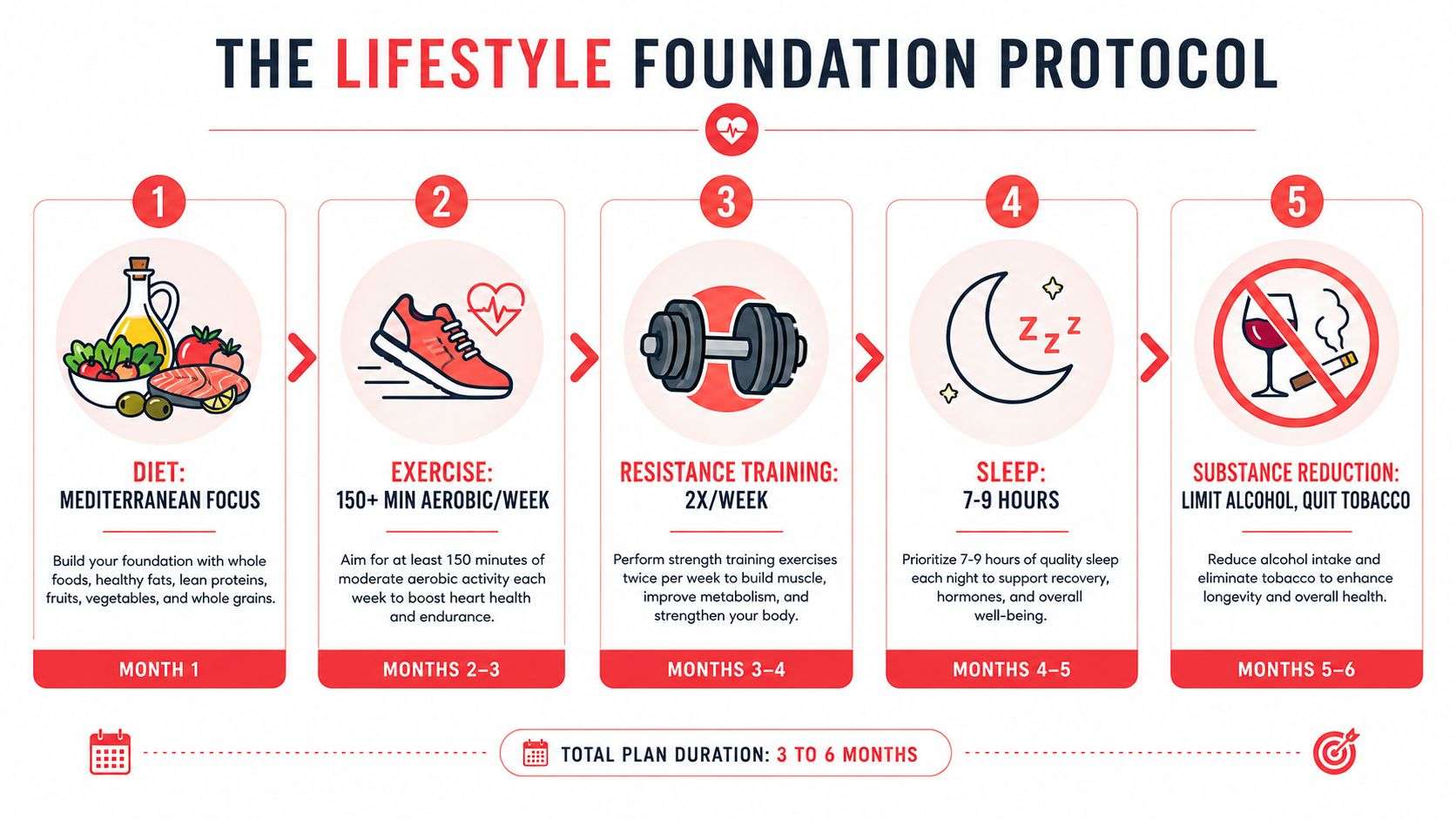
The most reliable natural protocol is not a single food or supplement. It's a three-to-six-month cardiometabolic reset that improves several inputs at the same time. The evidence supports diet and exercise as useful interventions, but recent randomized-trial evidence describes the average improvement as statistically significant yet modest. A 2026 systematic review of 16 randomized trials involving 1,477 participants found benefit from diet and/or exercise, while also calling for larger, more standardized, longer-term trials (systematic review of lifestyle interventions).
Build the week around movement
Aim for 30 to 40 minutes of aerobic activity most days, using brisk walking, cycling, swimming, or another sustainable option. Add resistance training to support muscle, metabolic health, and functional capacity. Start below your maximum and progress gradually, particularly if you've been sedentary or have cardiovascular symptoms.
A systematic review and meta-analysis of 16 randomized controlled trials found a mean improvement of 2.35 points in erectile function with diet and/or exercise compared with control, with moderate heterogeneity, reported as I² = 53% (lifestyle intervention findings). That number is useful because it calibrates expectations. Improvement can be real without being complete.
Eat for vascular health
Use a Mediterranean-style pattern built around vegetables, fruit, legumes, whole grains, fish, nuts, seeds, and minimally processed proteins. Nitrate-rich vegetables can fit naturally into this approach, but no individual food should be presented as a replacement for overall dietary quality. Reduce ultra-processed foods, heavily refined carbohydrates, and excess saturated fat.
If you carry excess weight, make weight loss a central target rather than an optional add-on. In a meta-analysis of five randomized trials with 619 participants, weight-loss interventions reduced body weight by an average of 18.07 kilograms and improved IIEF scores by 1.99 points versus control, with p < .01 (weight-loss evidence). The finding supports a dose-and-adherence relationship, not a promise that a particular amount of weight loss will restore every erection.
Protect sleep and remove vascular irritants
Keep a consistent sleep schedule and address loud snoring, witnessed breathing pauses, or unrefreshing sleep with professional evaluation. Reduce alcohol if it interferes with erections, desire, sleep, or judgment. Tobacco deserves immediate attention because it directly undermines vascular function. The practical connection is summarized in this resource on erectile dysfunction and smoking.
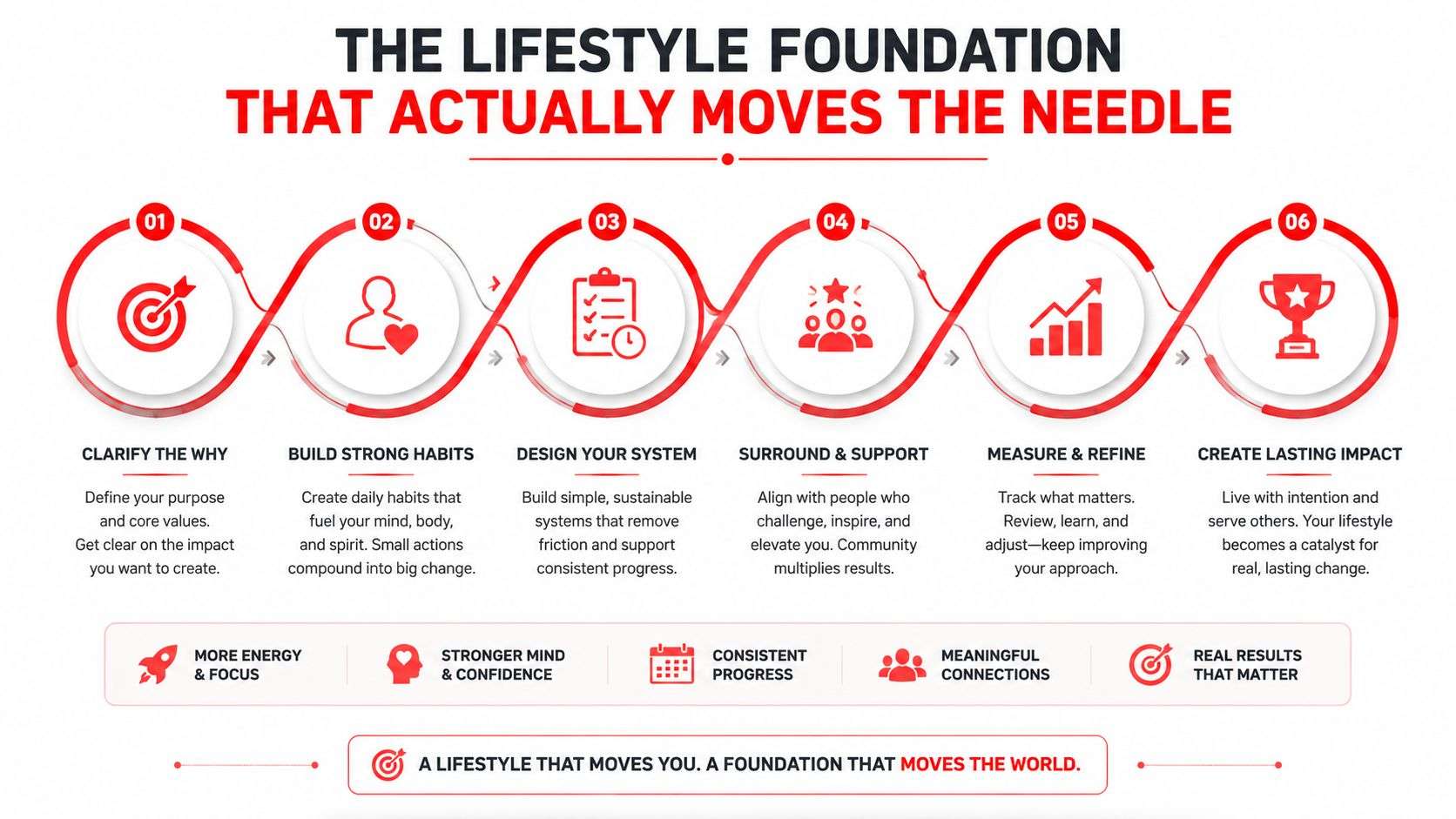
A realistic weekly schedule might include aerobic exercise on most days, resistance work on separate or shorter sessions, vegetables and minimally processed foods at regular meals, and a nightly sleep routine. Reassess after eight to twelve weeks, but don't judge the plan by one sexual encounter. Track erection firmness, morning erections, desire, and consistency across several weeks.
Pelvic Floor Work and Sexual Skills You Can Practice
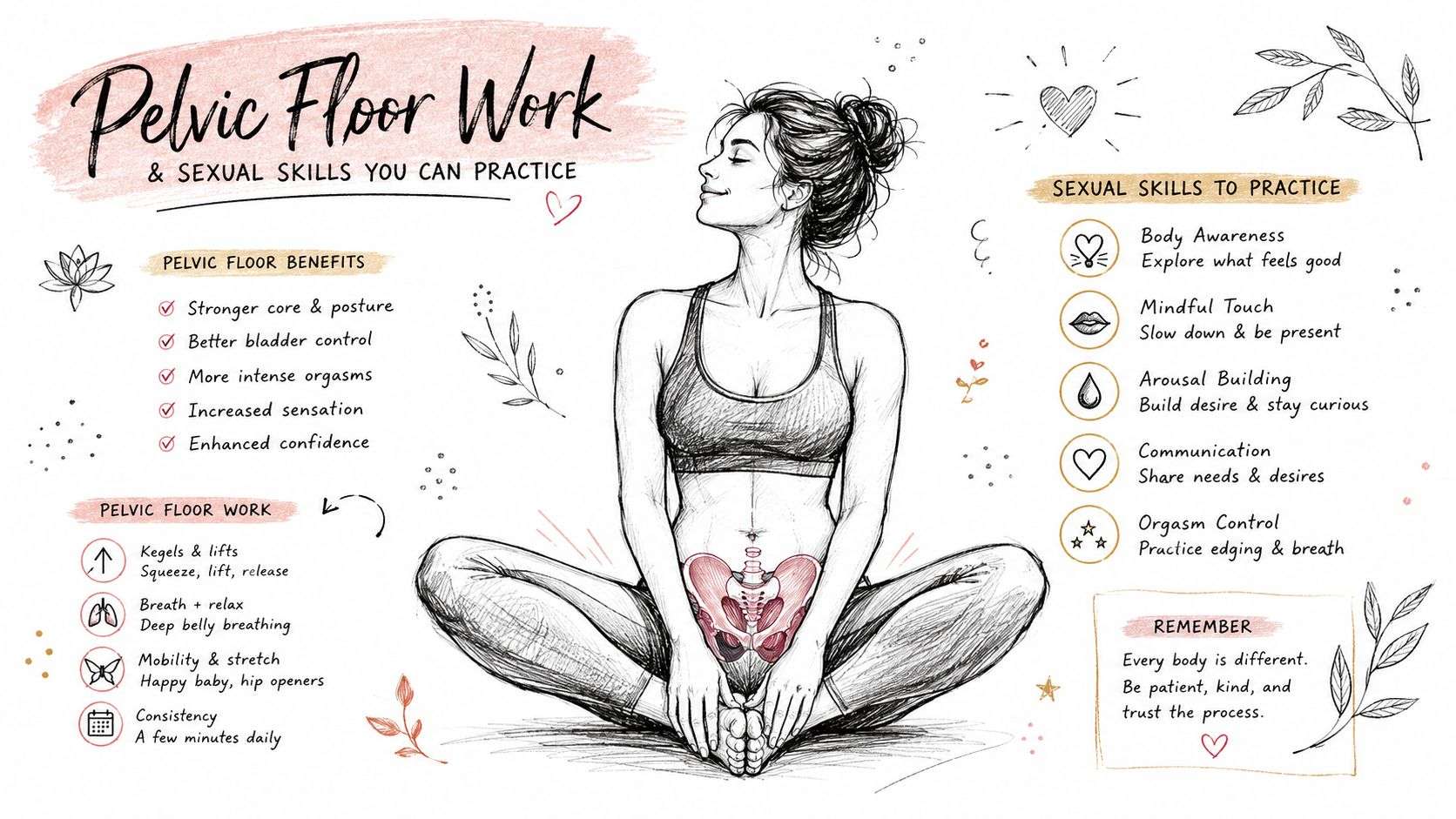
Pelvic floor training is unglamorous, discreet, and worth trying when performed correctly. The relevant muscles help control urine flow and contribute to erection rigidity and ejaculation control. To identify them, briefly tighten the muscles used to stop passing gas or interrupt urine flow. Don't repeatedly practice stopping urination, because that can disrupt normal bladder emptying.
A simple starting routine
Perform the routine three times weekly:
- Find neutral posture. Lie down or sit comfortably, relax your abdomen, buttocks, and thighs.
- Contract gently. Tighten the pelvic floor without holding your breath. Use a moderate contraction rather than an all-out squeeze.
- Release fully. Relax for the same general duration as the contraction and notice whether the muscles let go.
- Add coordination. Inhale during relaxation and exhale during the contraction. Keep your jaw and shoulders loose.
- Record function, not perfection. Note whether rigidity, control, or confidence changes over the following weeks.
Overworking these muscles can create pelvic tension and pain. If you feel discomfort, urinary changes, or difficulty relaxing, stop increasing the workload and consider assessment with a clinician trained in pelvic floor therapy at LifeWorks Integrative Health.
Remove the performance test
During partnered sex, temporarily shift the goal away from penetration or maintaining an erection. Sensate-focus practice can involve nonsexual touch first, then gradually more sexual contact, with both partners agreeing that an erection doesn't determine whether the session succeeded. Edging can also help some men notice rising arousal without rushing toward a pass-or-fail outcome, but it shouldn't become another test you have to pass.
Use slow breathing when you notice monitoring thoughts. Take a short walk or other gentle cardiovascular warm-up before sex if it helps you feel physically engaged, and allow more foreplay rather than treating it as an optional prelude. The aim is to reconnect arousal with safety and pleasure.
Supplements, Botanicals, and What the Evidence Shows
A supplement can be reasonable as an adjunct, but it should not replace diagnosis or the lifestyle work that addresses vascular, hormonal, metabolic, and psychological contributors to ED. A 2025 systematic review of herbal options found the clearest signals among the assessed herbs for saffron and ginseng. Evidence for Tribulus terrestris and maca remained insufficient because the trials were small, short, or low quality.
That distinction matters. Saffron and ginseng have more credible signals than many heavily marketed alternatives, yet neither is a proven cure. Product standardization, dose, extraction method, drug interactions, and the cause of ED all affect whether a trial is sensible.
| Supplement | Evidence level | Typical use | Key caution |
|---|---|---|---|
| Saffron | Some signal, not a guaranteed treatment | Considered as an adjunct when a man understands the limited evidence | Quality and interactions still require review |
| Ginseng | Some signal, not a guaranteed treatment | Considered alongside lifestyle and medical evaluation | May cause adverse effects or interact with medicines |
| Tribulus terrestris | Insufficient evidence | Often marketed for libido or testosterone | Marketing exceeds reliable clinical support |
| Maca | Insufficient evidence | Commonly promoted for sexual desire | Trials remain limited and low quality |
| Multi-ingredient “testosterone boosters” | Usually unclear or insufficient | Sold as broad sexual-performance support | Ingredients, contamination, and interactions may be difficult to assess |
A safer decision rule
If you choose to try a botanical, select one standardized saffron or ginseng product, tell your clinician, and assess it over a defined period. Stacking several products makes side effects and benefits difficult to identify. Do not combine an uncertain supplement regimen with prescription medication without checking interactions, especially when blood-pressure drugs or nitrates are involved.
Many ED supplements lack adequate proof and may cause dizziness, digestive symptoms, or headache. Contamination and undisclosed drug ingredients create further risk, particularly with anonymous products that promise medication-like effects.
Practical rule: Correct a documented deficiency before building a supplement stack. A lab-guided plan for nutrients such as vitamin D, B12, or ferritin is more rational than guessing from a marketing label. Zinc may matter when deficient, but it is not a universal ED treatment, as this discussion of the sexual benefits of zinc also illustrates.
Natural options may provide modest support when symptoms are mild and the underlying problem is addressed. Persistent or significant ED needs medical evaluation rather than repeated supplement experiments.
Devices, Red Flags, and When Natural Reversal Needs Help
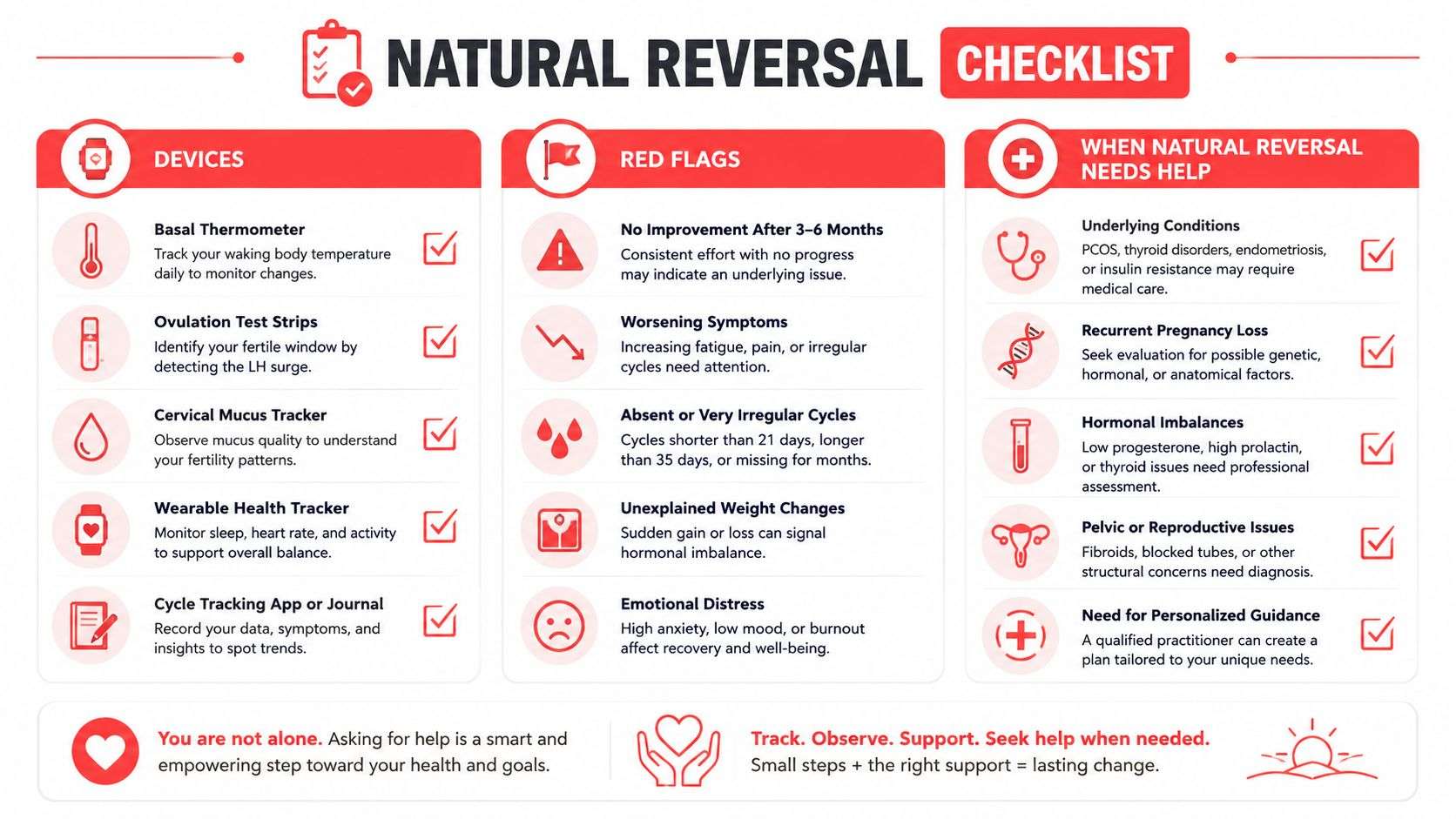
A vacuum erection device can create an erection mechanically by drawing blood into the penis. It doesn't repair vascular disease, restore testosterone, or resolve performance anxiety, but it can provide a useful bridge while you work on those issues. Some men use it to maintain sexual activity and reduce the fear that every encounter depends on spontaneous erectile function.
Use the device according to its instructions and stop if you develop significant pain, bruising, numbness, or skin injury. A clinician can help determine whether it fits your situation, particularly if you take blood thinners or have a bleeding disorder.
Stop guessing when symptoms change
Seek medical evaluation rather than extending a self-treatment experiment if you notice:
- Sudden onset: A rapid change without an obvious explanation deserves assessment.
- Pain or curvature: Painful erections or new penile curvature can indicate a structural problem.
- Marked libido loss: A severe drop in desire may point toward hormonal, mood-related, medication-related, or systemic causes.
- Neurological symptoms: Numbness, weakness, altered sensation, or urinary changes require attention.
- Unexpected early ED: ED in a man under 40 without clear risk factors warrants a proper evaluation rather than automatic reassurance.
The evaluation may include a medication review, hormone testing, diabetes screening, cardiovascular risk assessment, and a discussion of mood, sleep, and relationship factors. Major urology guidelines identify phosphodiesterase type 5 inhibitors as first-line treatment, while also emphasizing lifestyle change and risk-factor modification (American Urological Association guideline). In a classic sildenafil dose-response study, improved erections were reported in 56%, 77%, and 84% of men taking 25 mg, 50 mg, and 100 mg, compared with 25% on placebo after 24 weeks, and meta-analytic trial data reported a mean per-patient intercourse success rate of 69% with sildenafil versus 35.5% with placebo (same guideline evidence).
Where clinic-based care fits
If lifestyle work improves health but erections remain inadequate, a clinician may discuss medication, hormone treatment when indicated, or regenerative approaches. Acoustic wave therapy and platelet-rich injection therapy are clinic-based options sometimes considered for men with a vascular pattern that hasn't fully responded to foundational measures. Their suitability depends on diagnosis, expectations, and informed consent. General education about natural methods for erections can be useful, but it shouldn't replace an evaluation when warning signs are present.
Your 90-Day Natural Reversal Plan and What Comes Next
Use the first two weeks to measure your starting point, not to chase quick results. Complete a validated ED questionnaire such as the IIEF, review medications and medical history with a clinician, assess sleep, and arrange testing if symptoms suggest diabetes, hormone problems, or vascular risk. Record morning erections, firmness, sexual desire, and the situations in which ED occurs.
From weeks three through eight, apply the foundation consistently:
- Move regularly: Do aerobic exercise most days and add resistance training.
- Eat deliberately: Emphasize minimally processed foods and a Mediterranean-style pattern.
- Reduce exposures: Address tobacco and alcohol directly. Supplements will not cancel out their effects.
- Train the pelvic floor: Practice controlled contraction followed by full relaxation three times weekly.
- Lower pressure: Use slower arousal, deliberate breathing, and clear partner communication.
At weeks nine through twelve, repeat your ED score and compare function across several weeks rather than judging one encounter. Lifestyle research suggests that average improvement is modest, so a small gain can still represent a meaningful response, while persistent severe ED may require more than habit change.
An IIEF improvement of less than 2 to 3 points, ongoing loss of morning erections, persistent severe ED, or any new symptom should prompt medical evaluation instead of indefinite waiting. These are practical decision points, not guarantees or diagnostic rules. A clinician can assess whether medication, hormone treatment when indicated, or another approach is appropriate.
Natural reversal is most plausible when modifiable factors drive the problem. It should remain part of a broader sexual-health plan, with expectations calibrated to severity and escalation when progress stalls.
Sexual Wellness Centers of America evaluates sexual, hormonal, metabolic, and lifestyle factors, then discusses individualized non-surgical options that may include acoustic therapy, laser-based protocols, regenerative injections, and lab-guided care. Visit Sexual Wellness Centers of America to discuss whether structured evaluation or clinic-based treatment fits your next step.