
The appointment begins with a familiar confession. A patient says intimacy used to feel natural, but now the worry starts hours earlier. He wonders whether he'll get an erection, stay hard, satisfy his partner, or repeat what happened last time. During sex, he watches himself instead of feeling his partner. The more closely he monitors his body, the less responsive it becomes.
That pattern is sexual performance anxiety, and it isn't limited to men or to erection problems. A 2020 review estimated that it affects 9% to 25% of men and 6% to 16% of women in its PubMed review. In men, it may contribute to premature ejaculation or psychogenic erectile dysfunction. In women, it can inhibit desire and interfere with arousal, orgasm, or enjoyment.
The important point is that anxiety often becomes a shared couple's loop, not an isolated male malfunction. One partner worries about performing, the other senses distance or disappointment, and both begin approaching intimacy with caution. This article explains how to recognize that loop, how clinicians separate anxiety from medical dysfunction, what treatment options can and can't accomplish, and where regenerative care may fit alongside therapy. Once the mechanism is clear, sexual performance anxiety becomes far more treatable.
Table of Contents
- When the Mind Gets in the Way of the Body
- What Sexual Performance Anxiety Actually Is
- The Three Layers That Trigger It
- How It Shows Up Differently in Men and Women
- Treatments That Actually Work
- Where Regenerative Protocols Fit In
- Why Anxiety Is Not Always the Enemy
- Knowing When to Seek Specialized Care
When the Mind Gets in the Way of the Body
A patient may describe the problem as erectile dysfunction, yet the pattern often points elsewhere. Erections may occur during sleep or masturbation and then fade with a partner. Desire remains, attraction is genuine, and the physical examination may be reassuring. The difficulty begins when intimacy feels like a test.
The moment the cycle starts
The first difficult experience can have an ordinary cause: fatigue, alcohol, relationship tension, a new partner, medication effects, or distraction. Anxiety takes hold when that moment becomes proof of permanent failure.
At the next encounter, the person expects the same result. Attention shifts from sensation to surveillance. Is the erection firm enough? Is arousal lasting? Is the partner pleased? Has orgasm taken too long? Each internal check increases pressure and reduces contact with the partner.
Clinical rule: The body responds poorly when sex becomes an examination.
Anxiety changes breathing, muscle tension, attention, and autonomic activity. A person may rush, avoid touch, stop initiating intimacy, or use medication mainly as a safety signal. Medication can support a physical response, but it cannot remove fear of evaluation or repair a couple's communication pattern. Surgery has the same limitation when the main driver is anticipatory threat rather than tissue failure.
The partner is part of the loop. Withdrawal may be read as rejection, while repeated reassurance can unintentionally make sex feel like a performance review. Both partners may then approach intimacy cautiously, which gives the original fear more influence.
A concern that affects the couple
Sexual performance anxiety should not be reduced to an individual male erection problem. Men may experience erection changes or premature ejaculation, while women may experience reduced desire, difficulty with arousal or orgasm, and less enjoyment. The symptoms differ, but the mechanism often includes fear of evaluation, self-monitoring, and reduced attention to shared sensation.
A later clinical discussion traces modern recognition of sex-related performance anxiety to 1970, when Masters and Johnson described it as a clinical issue in Human Sexual Inadequacy. The same source reviews older population data and a 2024 study in which 14% of participants fell within a moderate-to-high sexual performance anxiety range, while 86% were in the low-to-moderate range in the cited review.
Those findings do not mean every nervous sexual moment requires treatment. Persistent fear, avoidance, and self-monitoring deserve a careful assessment. The clinician must determine whether anxiety is driving the symptom, whether a physical condition is contributing, or whether both require attention. Treatment may combine medical evaluation, CBT, sex therapy, couple-based work, and, for selected patients, regenerative protocols that address physical contributors without pretending to resolve the anxiety itself.
What Sexual Performance Anxiety Actually Is
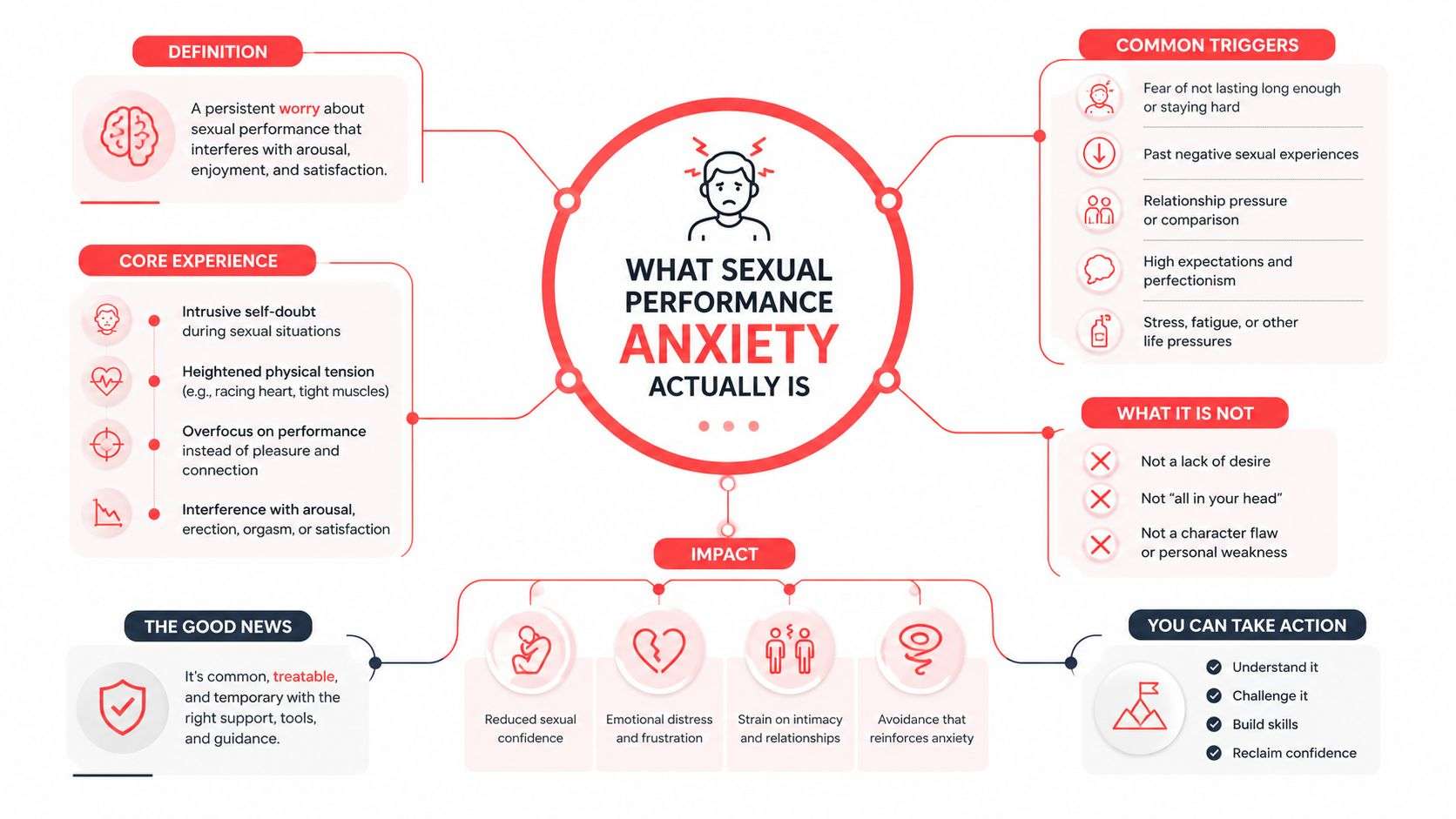
Sexual performance anxiety is a stress response to feeling evaluated during sexual activity. A person may fear failing to meet a personal, partner-related, or cultural standard. Attention then shifts from shared pleasure to monitoring performance. That shift can interfere with erection, lubrication, ejaculation, orgasm, or desire, creating the very response the person feared.
The autonomic mismatch
The body's threat system helps explain the pattern. Anxiety activates the sympathetic nervous system, which prepares a person for rapid action and danger. Sexual arousal relies more heavily on parasympathetic activation, associated with safety, relaxation, and physiological receptivity.
A 2019 expert review describes this mismatch as one mechanism through which anxiety can disrupt erectile processes and mistime autonomic responses in its discussion of sexual function. The body has not forgotten how to respond. Threat monitoring is competing with the conditions sexual response requires.
This is often a couple's loop. One partner notices a change, the other senses concern or disappointment, and both begin watching for another problem. Less attention remains available for touch, communication, and arousal. A pill may improve blood flow, and a procedure may address a physical contributor, but neither one removes fear, self-monitoring, or relationship pressure. CBT, sex therapy, and couple-based work address that loop directly.
Anxiety versus organic dysfunction
Organic sexual dysfunction may involve vascular, hormonal, neurological, metabolic, medication-related, or postoperative factors. Anxiety can be the initial trigger, a consequence of an unpredictable response, or one part of a mixed presentation. It is psychological in origin without being imaginary, because autonomic changes can produce a genuine physiological interruption.
Clinicians assess patterns rather than relying on one symptom:
- Situational pattern: Difficulties occur with a particular partner, setting, or sexual activity.
- General pattern: Problems occur during partnered sex, masturbation, and spontaneous sexual response.
- Medical context: Diabetes, cardiovascular disease, hormonal changes, pelvic surgery, pain, or medication use may indicate an overlapping physical contributor.
- Emotional sequence: Anxiety starts before contact, intensifies during self-monitoring, and eases when performance expectations disappear.
Evaluation may include sexual and relationship history, medication review, physical examination, and laboratory testing when indicated. The aim is to identify the factors maintaining the problem, then pair medical care with psychological and relational treatment rather than treating the most visible symptom alone.
The Three Layers That Trigger It
Performance anxiety usually develops from several interacting layers. Separating them helps patients stop searching for one perfect cause and start identifying the points where intervention can work.
Psychological triggers
Fear of failure is the most obvious driver, but it rarely acts alone. Negative body image can make a person anticipate judgment before intimacy begins. Previous sexual disappointment can create a vivid memory that returns during the next encounter. Unresolved trauma may also teach the nervous system to associate vulnerability, touch, or exposure with danger.
Self-criticism keeps the response active. Thoughts such as “I should be more responsive” or “my partner will be disappointed” sound like observations, but they're often predictions presented as facts. CBT targets that distortion by testing the thought, identifying the behavior it produces, and replacing it with a more accurate interpretation.
Physiological contributors
A body that feels unpredictable gives anxiety more material to work with. Hormonal shifts, medication side effects, diabetes, cardiovascular disease, pain, and changes after surgery can all affect sexual response. A person may begin with a physical symptom, then develop anticipatory anxiety around it.
That's why dismissing sexual concerns as “just psychological” is poor clinical practice. A physical evaluation can uncover treatable contributors and give the patient a more reliable physiological foundation. It can also prevent unnecessary shame, because the anxiety may be a reasonable response to a real change in the body.
Context and learned pressure
Context determines what the sexual experience means. A new partner may create uncertainty. A long-standing relationship may contain unresolved resentment or fear of disappointing the other person. Religious or family messages about sex can create shame, while pornography-driven comparison can establish expectations that ordinary intimacy can't meet.
The layers then reinforce each other:
- A difficult experience creates worry about recurrence.
- Anticipatory worry increases self-monitoring.
- Self-monitoring reduces presence and pleasure.
- The altered response confirms the original fear.
- Avoidance prevents corrective experiences and increases pressure next time.
The cycle doesn't break through willpower. It breaks when treatment reduces threat, changes the meaning of the symptom, restores communication, and gradually gives the couple experiences that aren't organized around performance.
How It Shows Up Differently in Men and Women
A man may seek care after one inconsistent erection with a new partner. Attraction remains, and erections may occur in other situations. Still, the next encounter feels like an examination. He monitors his response, avoids intimacy to prevent another visible failure, and leaves his partner wondering whether desire has changed.
A woman may describe reduced desire, difficulty with arousal, orgasm changes, pain-related fear, or discomfort, particularly during perimenopause. Physiological factors can contribute, while performance pressure adds another layer. She may worry about taking too long, assume her partner is frustrated, or cancel intimacy because she interprets the problem as a personal deficiency. Information about female sexual dysfunction can help frame these symptoms as clinical concerns rather than private failures.
The symptom is not the whole problem
Men may show anxiety through erection loss, rapid ejaculation, delayed ejaculation, or avoidance. Women may experience reduced desire, difficulty becoming aroused, inability to orgasm, pain-related fear, or emotional disconnection. These patterns differ physically, but the mental process can be similar: feeling watched, evaluated, or responsible for producing a specific outcome.
A 2024 community-couples study associated sexual performance anxiety with greater sexual distress and lower sexual and relationship satisfaction in both men and women. The associations did not differ by gender in the study's findings.
The couple's response can then maintain the problem. Repeated questions, visible disappointment, pressure to reassure, or silent withdrawal may increase threat and self-monitoring. Reassurance without repeated checking, open curiosity, and agreement to remove outcome demands can reduce it. The person with the most visible symptom is not automatically the only person who needs to change.
Regenerative protocols may have a role when a clinician identifies a physical contributor, but they do not correct fear of evaluation, strained communication, or a couple's sexual script. They fit beside medical assessment, CBT, and sex therapy, not in place of them. Pills may support a physical response, and procedures may address selected bodily problems. Neither can decide what a partner's silence means or stop the next encounter from becoming a test.
A better couple's question
Ask, “What happens between us when sexual response changes?” That question identifies the interaction rather than assigning blame. It also gives both partners practical work.
A couple may pause goal-oriented sex, rebuild non-demand touch, discuss what each person assumes during a difficult moment, and separate affection from erection, orgasm, or penetration. The aim is not to dismiss physical symptoms. It is to stop treating every symptom as proof of lost love, reduced desirability, or personal incompetence.
Treatments That Actually Work
Treatment should match the mechanism keeping anxiety active. CBT addresses catastrophic predictions, self-monitoring, and avoidance. Sex therapy addresses strained communication, rigid sexual scripts, and pressure between partners. Medication can reduce physical symptoms, yet it rarely changes the fear of being evaluated.
A 2020 review found that no treatment for sexual performance anxiety has firm evidence of universal effectiveness. CBT, mindfulness, and selected anxiolytic or erectile dysfunction medications show potential, but the uncertainty supports individualized care rather than therapeutic pessimism.
Comparing the main evidence-based treatment paths
| Approach | What It Targets | Best For | Limitation |
|---|---|---|---|
| Psychotherapy and CBT | Catastrophic thoughts, self-monitoring, avoidance, and negative expectations | Patients whose anxiety begins before or during intimacy | Progress depends on practicing new responses outside sessions |
| Sex therapy | Sexual scripts, communication, graded intimacy, and outcome pressure | Couples caught in an escalating bedroom pattern | Requires participation and honest communication from both partners |
| Mindfulness and somatic work | Threat arousal, attention, breathing, and bodily disconnection | Patients who understand the thoughts but still feel physically activated | Relaxation can become another performance task if practiced rigidly |
| Medication | Erection reliability or acute anxiety symptoms | Selected patients with erectile symptoms or intense physical activation | Pills may change the response without changing anticipatory fear |
Structured sex therapy may use sensate focus. Partners begin with touch that does not require penetration, erection, orgasm, or another defined endpoint. Removing that demand gives the nervous system repeated experiences of intimacy without immediate evaluation. For patients who understand the thoughts but remain physically activated, somatic work for anxiety relief can supplement psychotherapy and sex therapy.
The couple's participation matters. One partner may be monitoring erection or arousal, while the other is scanning for rejection, disappointment, or signs of blame. Treatment works better when both identify that loop and practice responding differently, rather than assigning the entire problem to the person with the most visible symptom.
Where medication helps and stops
Erectile medications may restore confidence after inconsistent erections, particularly when a physical contributor is present. Short-acting anxiolytics may reduce acute symptoms in selected situations, but sedation, dependence, interactions, and emotional blunting require careful medical judgment.
Medication can serve as a bridge. It cannot change the expectation that sex must prove competence. A patient may continue monitoring every change in erection and panic when the response is not immediate, even when the medication works physiologically. Guidance on psychological erectile dysfunction can clarify why physical and anxiety-focused treatment sometimes need to proceed together. Pills support a bodily response. They do not repair fear, communication, or a shared sexual pattern.
Where Regenerative Protocols Fit In
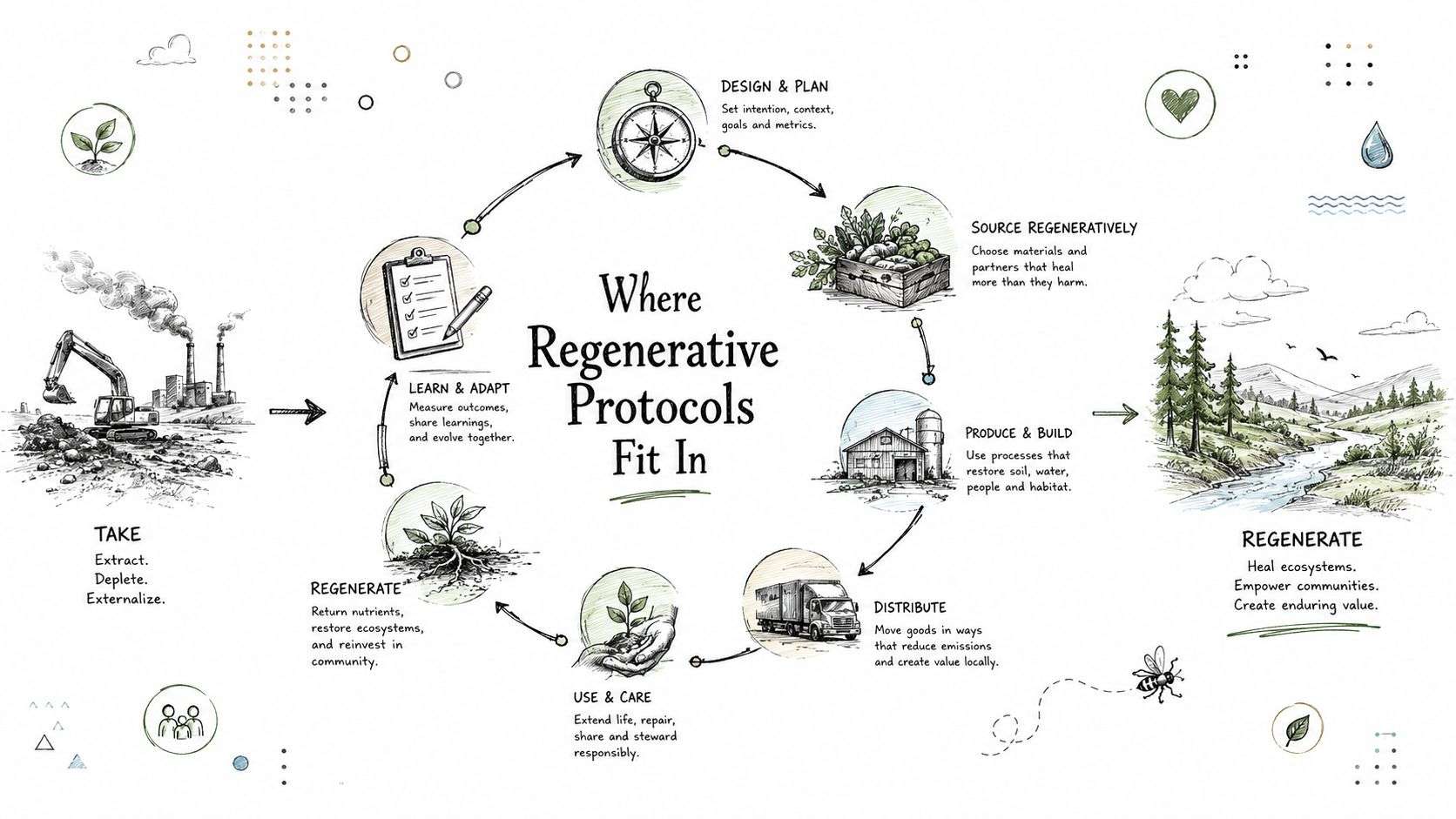
Regenerative protocols belong in the physical layer of a multidisciplinary plan, not in place of CBT, sex therapy, or couples work. They may be considered when inconsistent sexual response has a vascular, tissue, hormonal, metabolic, or age-related component that keeps feeding uncertainty.
The clinical reasoning is straightforward. If physical performance feels unpredictable, anxiety has a recurring trigger. Improving the underlying physical substrate may reduce that trigger, making it easier for a patient to practice new cognitive and behavioral responses. That doesn't mean a tissue-focused procedure cures fear of judgment, relationship conflict, trauma, or compulsive self-monitoring.
The role of integrated care
A clinician may evaluate blood flow, tissue health, hormone status, medications, and relevant medical conditions before recommending a protocol. At Sexual Wellness Centers of America, the publisher's clinical model includes REGENmax®, HEshot®, REGENwave™, and REGENlase™, alongside hormone optimization and peptide support. These services are presented as non-surgical options for sexual wellness, and they should be discussed in the context of an individualized medical evaluation rather than treated as a standalone anxiety intervention.
A physical plan may include acoustic therapy, laser-based treatment, or regenerative injections, depending on the patient's findings and goals. Hormonal care may be relevant when laboratory results and symptoms point toward an endocrine contributor. None of those options should be used to avoid a necessary mental health assessment.
What procedures cannot do
A procedure can't teach a couple how to discuss disappointment without blame. It can't challenge the belief that one erection determines masculinity, or that one delayed orgasm means a partner is no longer desirable. Those tasks require psychological and relational treatment.
Patients considering tissue regeneration therapy should ask what problem the protocol is intended to address, what evaluation supports it, what alternatives exist, and how progress will be measured. The most defensible plan combines physical treatment with counseling when anxiety has become a self-sustaining loop.
Why Anxiety Is Not Always the Enemy
A new partner, an unfamiliar setting, or a strong wish to please can produce nervousness without causing dysfunction. Anxiety does not affect arousal in one fixed way. Its impact depends on the situation, the person's response, the couple's interaction, and the meaning attached to the encounter. Research reviewed previously suggests that, for some women and in certain performance-demand settings, anxiety or moderate pressure can increase self-reported arousal.
That finding does not make ongoing distress harmless. It means sexual health clinicians should not label every fluctuation a disorder or imply that satisfying sex requires a completely calm nervous system. Excitement, anticipation, vulnerability, and mild nerves can support pleasure.
Situational nerves versus a chronic loop
Ask what the anxiety does over time:
- Does it occur only in a particular situation?
- Does it ease when evaluation pressure is removed?
- Has it become an expectation before intimacy begins?
- Do you avoid sex or feel distressed afterward?
- Has a medical change also appeared?
Someone with a new partner may feel nervous while staying curious, engaged, and able to experience pleasure. In another couple, the same initial nerves can start a loop. One partner monitors erection, lubrication, orgasm, or desire. The other notices the tension, worries about rejection, and tries harder to reassure or produce a result. That pressure can increase self-monitoring and reduce sexual flexibility for both people.
For broader anxiety, the Interactive Counselling Kelowna team may provide mental health support. Persistent sexual concerns often require a clinician familiar with sexual medicine, couples dynamics, and the difference between a body problem and a learned fear response.
The aim is not to remove every uncomfortable sensation. It is to identify when ordinary activation has become a repeated couple's loop that narrows choice, weakens connection, and interferes with pleasure.
Knowing When to Seek Specialized Care
Self-management makes sense when symptoms are recent, situational, and mild, especially when there's no concerning medical history and both partners can discuss the issue without blame. Slow the pace, remove outcome demands, use non-demand touch, and stop treating a difficult encounter as a verdict.
Seek therapy when the pattern persists, creates avoidance, or begins affecting the relationship. A qualified CBT or sex therapist can address anticipatory thoughts, self-monitoring, communication, and graded intimacy. Couples may also benefit from affirming sex therapy support when shame, identity, relationship tension, or fear of judgment has become central.
A practical decision framework
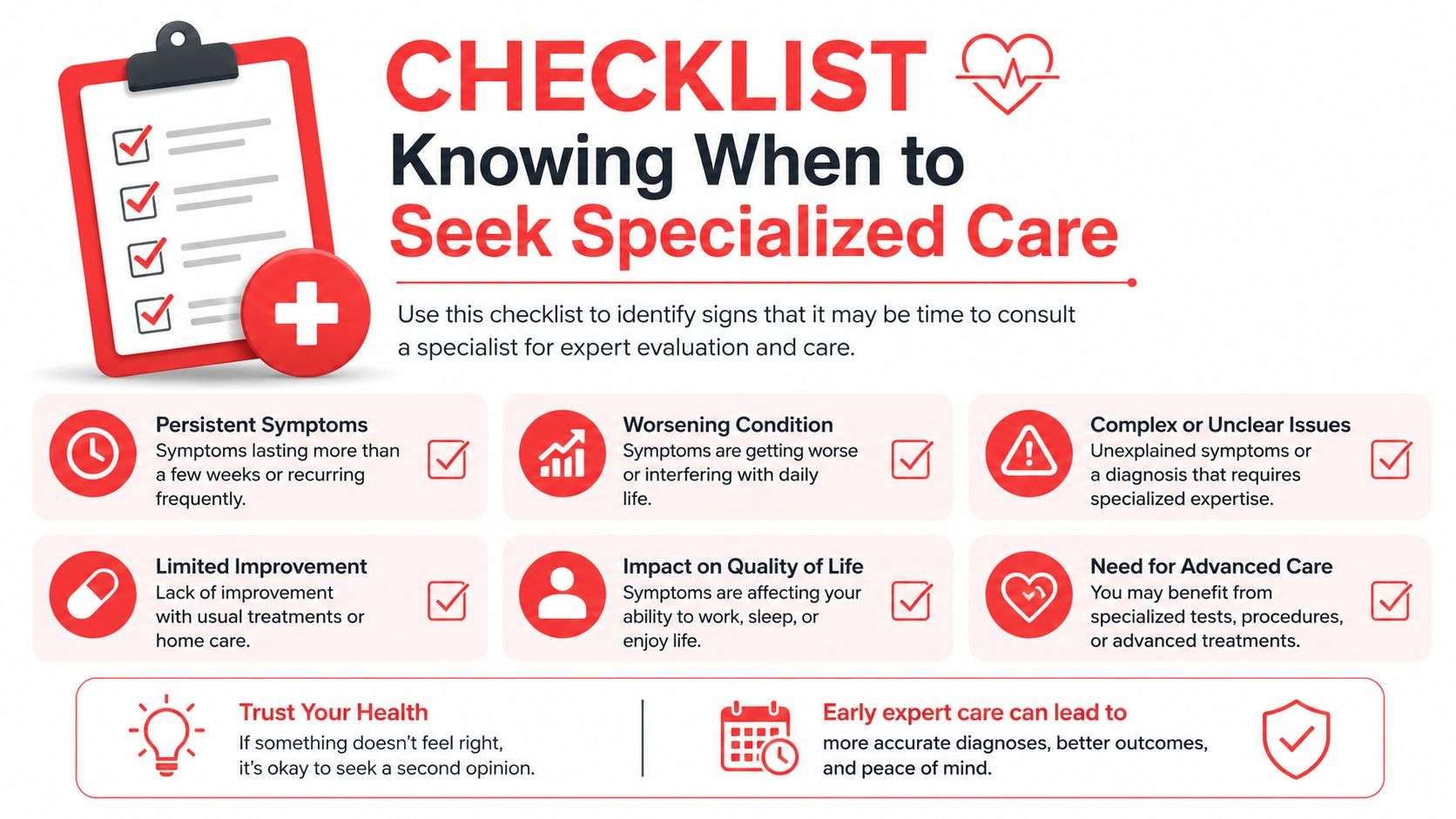
Specialized medical care becomes more appropriate when anxiety overlaps with:
- Physical symptoms: Persistent erection changes, genital pain, curvature, reduced sensation, vaginal discomfort, or changes after surgery.
- Medical conditions: Diabetes, cardiovascular risk, hormonal decline, or medication effects.
- Treatment resistance: Symptoms continue despite appropriate therapy, communication work, and behavioral practice.
- Couple-wide distress: Both partners are withdrawing, arguing, or interpreting sexual difficulty as evidence of rejection.
- Unclear diagnosis: You can't tell whether the main driver is anxiety, an organic condition, or both.
A sexual wellness evaluation should include medical history, medication review, sexual and relationship history, physical examination when appropriate, and laboratory testing guided by symptoms. Ask whether the center coordinates with mental health professionals, explains alternatives, and defines follow-up rather than presenting a procedure as a complete solution.
For Dallas and Fort Worth residents, an in-person evaluation can help coordinate physical and psychological care in one treatment plan. Out-of-town patients should request records review, understand which assessments are completed before travel, and clarify follow-up arrangements. Maintenance care may support continuity, but it shouldn't replace reassessment when symptoms change.
Sexual Wellness Centers of America evaluates sexual performance concerns through medical, hormonal, tissue, and behavioral lenses, with non-surgical regenerative protocols available when physical contributors are present. Visit Sexual Wellness Centers of America to discuss your symptoms, arrange an individualized evaluation, and determine whether integrated care is appropriate for you and your partner.