
Understanding Peptide Supplements: From Hype to Reality
What are peptide supplements and why are they creating such a buzz in the health and wellness world? Here’s what you need to know:
Peptide supplements are:
- Short chains of amino acids (typically 2-50 amino acids)
- Smaller versions of proteins that are easier for your body to absorb
- Available in powders, capsules, creams, and liquid forms
- Marketed for benefits like muscle growth, anti-aging, and wound healing
- Not strictly regulated by the FDA as dietary supplements
Common types include:
- Collagen peptides – for skin health and joint support
- Creatine peptides – for muscle performance and strength
- Growth hormone secretagogues – for muscle growth (with significant risks)
Key considerations:
- Limited scientific evidence for many claimed benefits
- Potential side effects vary by type
- Some peptides are banned in professional sports
- Quality and purity can vary between manufacturers
The peptide supplement market has exploded with bold claims about everything from reversing aging to building muscle mass. But separating fact from marketing hype requires understanding what these tiny protein fragments actually do – and don’t do – in your body.
As Jeff Nuziard, CEO of Sexual Wellness Centers of America, I’ve helped hundreds of clients steer what are peptide supplements can realistically offer for their health goals, particularly in areas of sexual wellness and age-related vitality. My experience has shown that while peptides hold genuine promise, they’re not the miracle cure many advertisements suggest.
Key what are peptide supplements vocabulary:
- collagen peptides supplements
- collagen peptide supplement benefits
- peptide supplements for muscle growth
The Building Blocks of Life: Peptides vs. Proteins
When exploring what are peptide supplements can offer, you need to understand the fascinating relationship between amino acids, peptides, and proteins. Think of it like a family tree of molecular building blocks that work together to keep your body running smoothly.
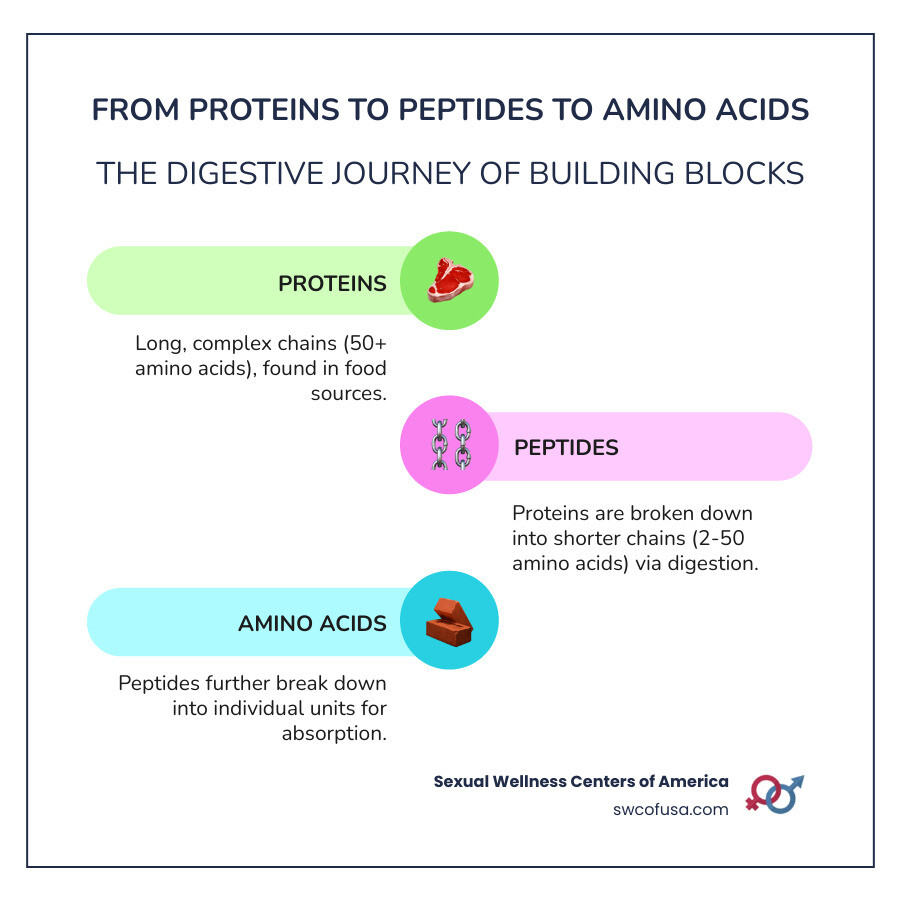
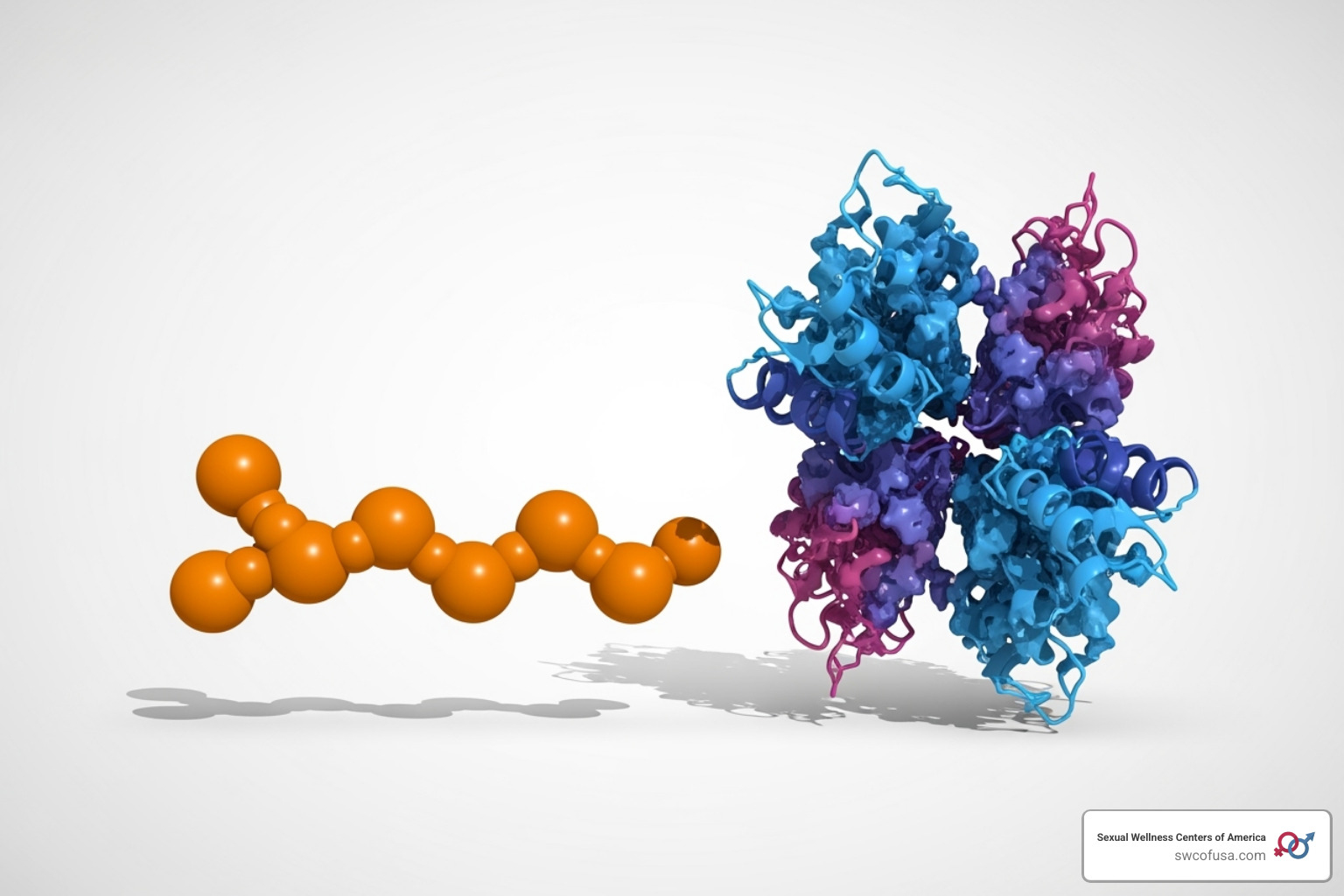
Imagine amino acids as individual beads on a string. When you connect just a few of these beads together – anywhere from 2 to 50 – you create what we call a peptide. It’s like making a small bracelet from those beads. But when you string together 50 or more amino acids, you end up with something much more complex: a full protein, which would be like an elaborate necklace with intricate patterns and folds.
This size difference between peptides and proteins isn’t just interesting science – it’s the key to understanding why peptide supplements have become so popular. Those smaller peptide chains are much easier for your body to handle than their larger protein cousins.
Your body naturally produces thousands of different peptides, each acting like tiny messengers that help coordinate everything from your hormone levels to your immune response. These amino acid chains are constantly at work, making sure all your biological systems communicate properly.
You’re already getting peptides from natural food sources without even thinking about it. Every time you eat meat, fish, dairy, or lentils, you’re consuming proteins that your digestive system breaks down into peptides and individual amino acids. However, many of today’s supplements contain lab-made peptides that are specifically designed for targeted benefits.
How Peptides Are Made and Where They Come From
Peptides come from two main sources, and understanding the difference helps explain why supplements can be so effective.
Endogenous peptides are the ones your body makes naturally. These include familiar hormones like insulin (which helps regulate blood sugar) and growth hormone (which supports tissue repair and growth). Your body is essentially a peptide factory, constantly producing these important signaling molecules.
Exogenous peptides come from outside sources – either from food or supplements. These can be extracted from natural sources or created in laboratories using sophisticated techniques.
The most common method for creating peptide supplements is enzymatic hydrolysis. This process uses special enzymes to carefully break apart larger proteins into smaller, more manageable peptide chains. Think of it like using scissors to cut a long rope into shorter, more useful pieces. This technique is especially popular for creating collagen supplements from animal sources.
Scientists can also use recombinant DNA technology to produce specific peptides. This involves programming bacteria or yeast to create exact peptide sequences, allowing for precise control over the final product. Scientific research on peptide sources shows how these various production methods can create peptides with different properties and benefits.
Synthetic peptides represent another category, where researchers build peptides from scratch in laboratories. This approach allows for creating peptides that might not exist naturally but could offer specific therapeutic benefits.
The Science of Absorption: Why Size Matters
Here’s where peptides really shine compared to regular proteins. When you eat a steak or drink a protein shake, your digestive system has to work hard to break down those large protein molecules before your body can use them. It’s like trying to fit a large piece of furniture through a small doorway – you need to take it apart first.
Smaller molecules like peptides are already the right size to pass through your intestinal barrier much more easily. They can slip through and enter your bloodstream without requiring as much digestive work. This superior bioavailability means your body can actually use more of what you’re taking.
Hydrolyzed supplements take advantage of this principle. By pre-breaking proteins into peptide fragments, these supplements can deliver nutrients more efficiently than whole proteins. The result is often faster action and better results, which explains why many people notice benefits from peptide supplements more quickly than from traditional protein powders.
This absorption advantage becomes particularly important when you’re looking for specific health benefits. Instead of hoping your digestive system properly breaks down a complex protein, peptide supplements deliver the active components directly where your body can use them. For more detailed information about how this improved absorption supports healing processes, check out our guide on peptides for healing.
The Purported Health Benefits of Peptide Supplementation
Here’s where things get really exciting. What are peptide supplements actually doing in your body? Think of peptides as your body’s personal messaging service – they’re bioactive molecules that act like tiny biological messengers, constantly communicating with your cells and tissues.
When a peptide finds its target, it’s like a key sliding into the perfect lock. The peptide binds to specific cellular receptors, and suddenly your cell springs into action. This interaction triggers a whole cascade of responses – from ramping up hormone production to activating enzymes that repair and rebuild tissue.
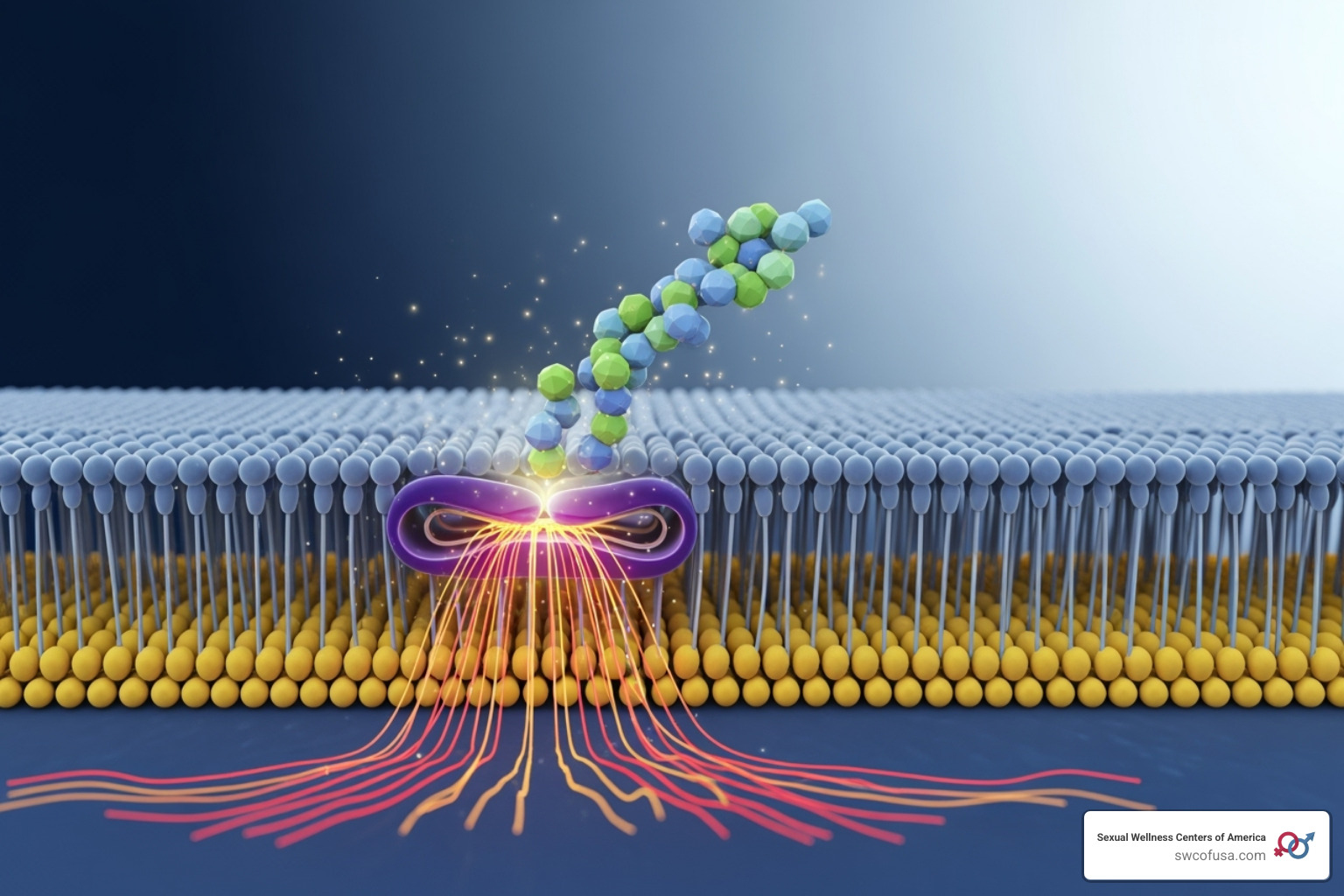
This precise targeting ability is exactly why what are peptide supplements can offer such promising results across so many different health areas. It’s not magic – it’s sophisticated biological communication at work. For a deeper dive into the broader benefits of peptide therapy, explore our comprehensive guide here.
Enhancing Skin Health and Slowing Aging
Let’s talk about what most people really want to know – can peptides actually make you look younger? The short answer is: there’s genuine science behind the hype, especially when it comes to collagen peptides.
Collagen is your skin’s best friend. It makes up about 30% of all protein in your body and acts like the scaffolding that keeps your skin firm, plump, and elastic. But here’s the problem – starting around age 25, your natural collagen production begins to decline by about 1% each year. That’s when you start noticing those fine lines, sagging skin, and that “where did my glow go?” moment.
Collagen peptide supplements work by essentially tricking your body into thinking it needs to produce more collagen. When you consume these hydrolyzed collagen fragments, your body recognizes them and responds by boosting its own collagen and elastin production.
The research backing this up is impressive. A 2023 meta-analysis on collagen for skin health found that collagen supplements can genuinely improve skin moisture levels and reduce wrinkle depth. Even more fascinating – collagen peptides can actually accumulate in your skin within 96 hours of taking them and stick around for up to 14 days, providing sustained benefits.
At Sexual Wellness Centers of America, we’ve seen clients notice visible improvements in their skin’s texture and appearance within just a few weeks of consistent use. One client told me her husband asked if she’d gotten work done – but all she’d changed was adding collagen peptides to her morning routine! For more insights on how peptides can refresh your skin, check out our guide on peptides for skin.
Building Muscle Mass and Improving Athletic Performance
For fitness enthusiasts wondering what are peptide supplements can do for their gains, the news is encouraging. Peptides can be powerful allies in building muscle mass, increasing strength, and speeding up recovery – but they’re not miracle workers.
Peptides support muscle growth by stimulating growth hormone production and promoting protein synthesis – the process your body uses to build and repair muscle tissue. Think of them as giving your body’s natural muscle-building machinery a gentle but effective boost.
A 2019 study on peptides and exercise found that combining peptide supplements with resistance training was more effective for increasing muscle strength than exercise alone. Another 2022 study showed similar results for both muscle mass and strength gains.
But here’s what really matters – consistency and realistic expectations. Our athletic clients at Sexual Wellness Centers of America who see the best results are those who combine peptide supplementation with proper training, adequate sleep, and good nutrition. The peptides aren’t doing all the work; they’re amplifying the work you’re already putting in.
Creatine peptides are gaining particular attention for their potential to improve athletic performance and strength gains, with some users reporting faster recovery times and reduced muscle soreness after intense workouts.
Supporting Wound Healing and Reducing Inflammation
Your body’s ability to heal itself is remarkable, and peptides are proving to be valuable partners in this natural process. Collagen peptides provide the essential building blocks your body needs for tissue repair – they’re literally the raw materials for healing.
When you have an injury, your body immediately starts laying down new collagen to form a structural scaffold for healing tissue. By providing readily available collagen peptides, you’re essentially giving your body’s repair crew the materials they need to work more efficiently.
But the healing benefits go beyond just structural support. Antimicrobial peptides are being extensively researched as alternatives to traditional antibiotics. These specialized peptides can directly fight off harmful microbes or help modulate your immune response to combat infections more effectively. You can read more about this fascinating research on antimicrobial peptides.
Many peptides also exhibit anti-inflammatory properties, which can help reduce swelling and discomfort associated with injuries or chronic inflammatory conditions. This dual action – supporting structural repair while reducing inflammation – makes peptides particularly valuable for recovery. For more information on how peptides can assist with inflammation, read our article on peptide therapy for inflammation.
Other Emerging Research Areas
The research into what are peptide supplements can accomplish extends far beyond skin and muscle. Scientists are continuously finding new applications for these versatile molecules, and some of the emerging areas are genuinely exciting.
Bone health is one area showing real promise. Some collagen peptides have demonstrated the ability to improve bone mineral density, potentially helping prevent age-related bone loss. One study showed that taking collagen peptide supplements daily for a year significantly increased bone mineral density in postmenopausal women.
Cardiovascular health is another frontier. Certain bioactive peptides are being researched for their ability to help regulate blood pressure naturally, offering a potential complementary approach to traditional treatments.
Immune system support represents yet another avenue of research. Peptides can help modulate immune function, potentially enhancing your body’s natural defenses against illness without overstimulating the system.
Antioxidant activity is an additional benefit many peptides provide. They help neutralize harmful free radicals that can damage cells and contribute to aging and disease.
Even more intriguing are the emerging studies on metabolic and cognitive health. Researchers are exploring how peptides might support weight management, improve brain function, and even help regulate sleep patterns.
The potential applications seem to expand with each new study, and the scientific community continues uncovering fresh insights into how these “tiny proteins” can deliver genuinely big benefits. For a broader perspective on how peptides contribute to anti-aging, including these emerging areas, explore our guide on anti-aging peptide therapy.
A Closer Look at Common Types of Peptide Supplements
When exploring what are peptide supplements can offer, it helps to understand the most popular types you’ll encounter in the market today. Each variety has its own unique benefits and applications, making some more suitable for certain health goals than others.

The peptide supplement world can feel overwhelming at first, but most products fall into a few main categories. Collagen peptides dominate the market for good reason – they’re well-researched and offer clear benefits for skin health, joint support, bone density, and gut health. Creatine peptides have gained popularity among athletes for muscle energy, performance improvement, and strength gains.
Then there are Growth Hormone Secretagogues (GHS), which promise muscle growth and fat loss but come with significant risks that require extreme caution. You’ll also find various bioactive peptides marketed for blood pressure regulation, anti-inflammatory effects, antioxidant benefits, and antimicrobial properties. Finally, emerging therapeutic peptides like BPC-157 and MOTS-c are being explored for injury recovery and metabolic health, though these often require medical supervision.
Collagen Peptides
Collagen peptides have earned their spot as the most popular and widely available peptide supplements on the market. This makes perfect sense when you consider that collagen is literally the most abundant protein in our bodies, forming the structural foundation for our skin, bones, tendons, ligaments, and connective tissues.
What are peptide supplements in the collagen family primarily used for? The applications are surprisingly broad and well-supported by research. For skin health, collagen peptides support elasticity, boost hydration, and help reduce the appearance of wrinkles – benefits that many of our clients at Sexual Wellness Centers of America notice within weeks of consistent use.
Joint support is another major benefit, since collagen forms a crucial component of cartilage. Supplementation may help reduce joint pain and improve mobility, particularly for people dealing with osteoarthritis. For more detailed information on this application, check out our guide on peptide therapy for arthritis.
Beyond skin and joints, research indicates that collagen peptides can contribute to increased bone mineral density, potentially helping prevent age-related bone loss. There’s even emerging evidence for gut health benefits, as collagen may help support the integrity of the intestinal lining.
Most collagen supplements come in a “hydrolyzed” form, which simply means the collagen protein has been broken down into smaller peptides. This processing makes it much easier for your body to digest and absorb, maximizing the potential benefits.
Creatine Peptides
If you’re familiar with fitness supplements, you’ve probably heard of creatine – it’s been a staple in the athletic community for decades. Creatine peptides represent a newer formulation that combines creatine with peptides, promising improved absorption and potentially fewer digestive issues compared to traditional creatine monohydrate.
Understanding what are peptide supplements containing creatine can do starts with recognizing creatine’s role in muscle energy production. It helps replenish ATP, which is essentially your body’s primary energy currency. This is especially crucial for short bursts of intense activity, like weightlifting or sprinting.
For athletic performance, users often report increased strength gains, improved power output, and better endurance during workouts. Interestingly, creatine also offers cognitive benefits, supporting brain health and mental performance – something that’s often overlooked but equally valuable.
While the specific research on creatine peptides is still developing, the real-world results we’ve observed with athletic clients are promising. Many appreciate being able to skip the traditional “loading phase” that’s often required with standard creatine supplements.
Growth Hormone Secretagogues (GHS)
This category requires a serious conversation about both potential benefits and significant risks. Growth Hormone Secretagogues are peptides that stimulate your body’s natural production and release of growth hormone. Examples include GHRP-6, GHRP-2, CJC-1295, and Ipamorelin.
What are peptide supplements in the GHS category intended for? Primarily HGH stimulation – they encourage your pituitary gland to release more endogenous growth hormone. This appeals to bodybuilders and fitness enthusiasts who believe it contributes to increased muscle mass and improved body composition. The fat loss potential also attracts people looking to change their physique, as improved growth hormone levels can promote fat metabolism.
However, approaching GHS requires strong caution. The safety of using these peptides over both short and long terms remains largely unknown, as most studies investigating their safety have been small and brief. Common side effects can include increased appetite, liftd blood sugar levels, and fluid retention.
The regulatory landscape is equally complex. The FDA has only approved a handful of GHS types for specific medical conditions, and these require prescriptions. Most GHS available in the supplement market are not FDA-approved for general use. In professional sports, GHS are explicitly banned by WADA.
Let’s clarify how GHS differ from anabolic steroids:
| Feature | Growth Hormone Secretagogues (GHS) | Anabolic Steroids |
|---|---|---|
| Mechanism | Stimulate natural growth hormone release | Directly mimic testosterone effects |
| Legality | Limited FDA approval; banned in sports | Controlled substances; prescription-only |
| Side Effects | Increased appetite, blood sugar changes, fluid retention | Liver damage, cardiovascular risks, hormonal disruption |
The bottom line? While GHS might sound appealing, the risks and unknowns make them a choice that requires careful consideration and ideally medical supervision.
Making an Informed Choice Before You Supplement
When you’re trying to figure out what are peptide supplements can do for your health, the smart first step is talking to a healthcare provider. This isn’t just good advice – it’s essential, especially given how complex peptide supplements can be.
Think about it this way: your body is unique. What works amazingly for your friend might not be the right fit for you. That’s why we take a personalized approach at Sexual Wellness Centers of America. Before we recommend any peptide protocols, we run comprehensive assessments, including hormone and vitamin panels, to understand what’s really going on inside your body.
As I often tell clients, “The right peptide at the wrong dose is the wrong peptide.” It’s not just about finding any supplement – it’s about finding the right one for you.
Discussing your health goals is where everything starts. Are you hoping for more energy? Better skin? Faster muscle recovery? Maybe you’re curious about how peptides might support treatments like HEshot®™ or SHEshot®™? Being clear about what you want helps your healthcare provider guide you in the right direction.
Don’t forget to review your medications too. Even though peptides might seem “natural,” they can still interact with prescription drugs or existing health conditions. This is especially important if you’re pregnant, breastfeeding, or managing any medical conditions – in these cases, it’s best to avoid peptides until you’ve talked with your doctor.
Choosing reputable brands matters more than you might think. Since the FDA doesn’t strictly regulate many supplements, you need to be your own detective. Look for brands that do third-party testing for purity and potency. Certifications from organizations like NSF International, USP, or UL are good signs. Be suspicious of products making wild claims or prices that seem too good to be true.
Every supplement comes with both potential benefits and risks. Understanding this balance is crucial. We always try to give you the full picture – the exciting possibilities alongside the need for more research and the caution that comes with regulatory gaps.
Here’s something important to remember: optimal wellness is a marathon, not a sprint. While what are peptide supplements offer promising support, they work best as precision tools combined with the basics – good nutrition, regular movement, stress management, and quality sleep. I like to tell clients to think of food as the foundation and supplements as the precision tools.
For specialized peptide therapies, especially those involving peptide injection therapy, professional guidance becomes even more important. We emphasize taking a cautious and informed approach, making sure any treatment plan fits into your broader health strategy.
If you’re curious about how peptides might fit into your wellness routine, our team specializes in creating personalized protocols based on those comprehensive assessments we mentioned. We’d love to help you find how peptides might improve your path to wellness, vitality, and optimal living. You can explore our peptide supplement guidance to learn more about how we can support your goals.