
Why Athletes Are Turning to Collagen for Joint Health and Recovery
Collagen peptides for athletes have become one of the most talked-about supplements in sports nutrition, but the science behind them tells a more nuanced story than the marketing hype suggests.
Quick Answer: What Athletes Need to Know
- Joint Support: Studies show 5-15g daily for 3+ months may reduce exercise-induced joint pain and improve functionality
- Recovery Benefits: Modest improvements in muscle soreness and recovery time, particularly after damaging exercise
- Timing Matters: Take at least 1 hour before exercise for optimal collagen synthesis
- Not a Complete Protein: Lacks tryptophan and lower in leucine compared to whey; better for connective tissue than muscle building
- Requires Vitamin C: Your body needs vitamin C to actually manufacture collagen from the peptides you consume
Collagen makes up about one-third of all protein in your body. It’s the structural scaffolding that holds your tendons, ligaments, cartilage, and other connective tissues together. For athletes, this matters because repetitive training creates wear and tear on these exact structures. As you age—particularly after 30—your body’s natural collagen production drops by about 1% per year, which means recovery takes longer and injury risk increases.
The research on collagen supplements is promising but not definitive. A 2021 randomized trial found that 5 grams of type 1 collagen peptides daily for 12 weeks reduced exercise-induced knee pain more than a placebo. A systematic review reported benefits for joint functionality and pain reduction in recreational athletes. However, when it comes to muscle protein synthesis, collagen performs poorly compared to whey protein because it’s an incomplete protein—it doesn’t contain all essential amino acids.
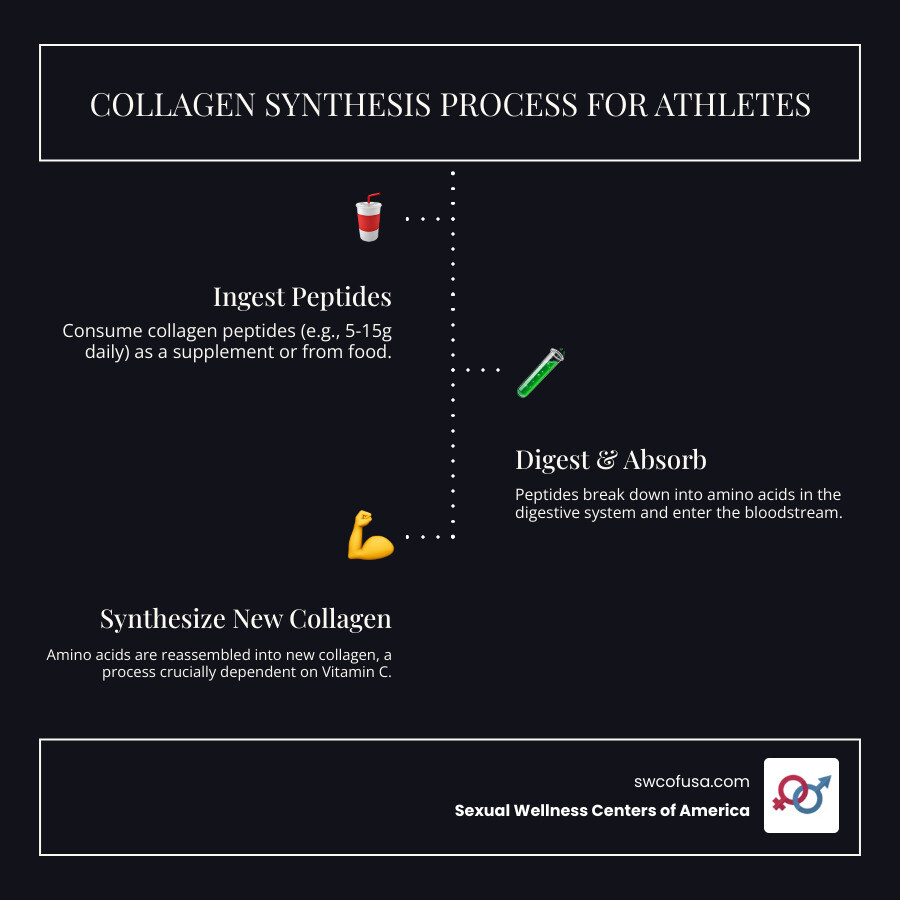
Here’s the critical part: consuming collagen doesn’t magically direct those peptides to your damaged knee cartilage or Achilles tendon. When you ingest collagen, it breaks down into amino acids in your digestive system. Your body can use these building blocks to make new collagen, but it can also use them for other purposes. The effectiveness depends on having adequate vitamin C, which is absolutely required for collagen synthesis, along with other co-factors like zinc and copper.
As Jeff Nuziard, CEO of Sexual Wellness Centers of America, I’ve spent years helping individuals optimize their physical performance and recovery through evidence-based wellness solutions, including guidance on collagen peptides for athletes seeking to maintain joint health and connective tissue integrity. This article cuts through the marketing claims to give you the real science on what collagen can and cannot do for athletic performance.
Collagen peptides for athletes vocab to learn:
Understanding Collagen Peptides for Athletes
Collagen, the most abundant structural protein in the human body, constitutes a remarkable one-third of our total protein mass. Think of it as the body’s super glue, providing structural integrity and elasticity to virtually all our tissues. For athletes, this fundamental protein is particularly critical for the health and function of the musculoskeletal system. It forms the primary component of tendons, ligaments, cartilage, and other connective tissues that are constantly under stress during physical activity. The resilience and strength of these tissues directly impact an athlete’s ability to perform, recover, and prevent injuries.
The Role of Collagen in the Athletic Body
In the demanding world of sports, our bodies are pushed to their limits. Tendons, which connect muscle to bone, and ligaments, which connect bone to bone, are primarily composed of collagen. Their strength and flexibility are paramount for power generation, joint stability, and injury prevention. Similarly, cartilage, found in our joints, acts as a shock absorber and reduces friction, allowing for smooth movement. Collagen is a key player in maintaining these vital structures.
As athletes train rigorously, these connective tissues undergo constant remodeling. However, the body’s natural collagen production begins to decline around the age of 30, decreasing by approximately 1% each year. This age-related decline means that by our 30s, our bodies aren’t repairing themselves as fast as they once did, potentially leading to increased injury risk and prolonged recovery times. This is why supporting collagen health becomes even more important for athletes as they age.
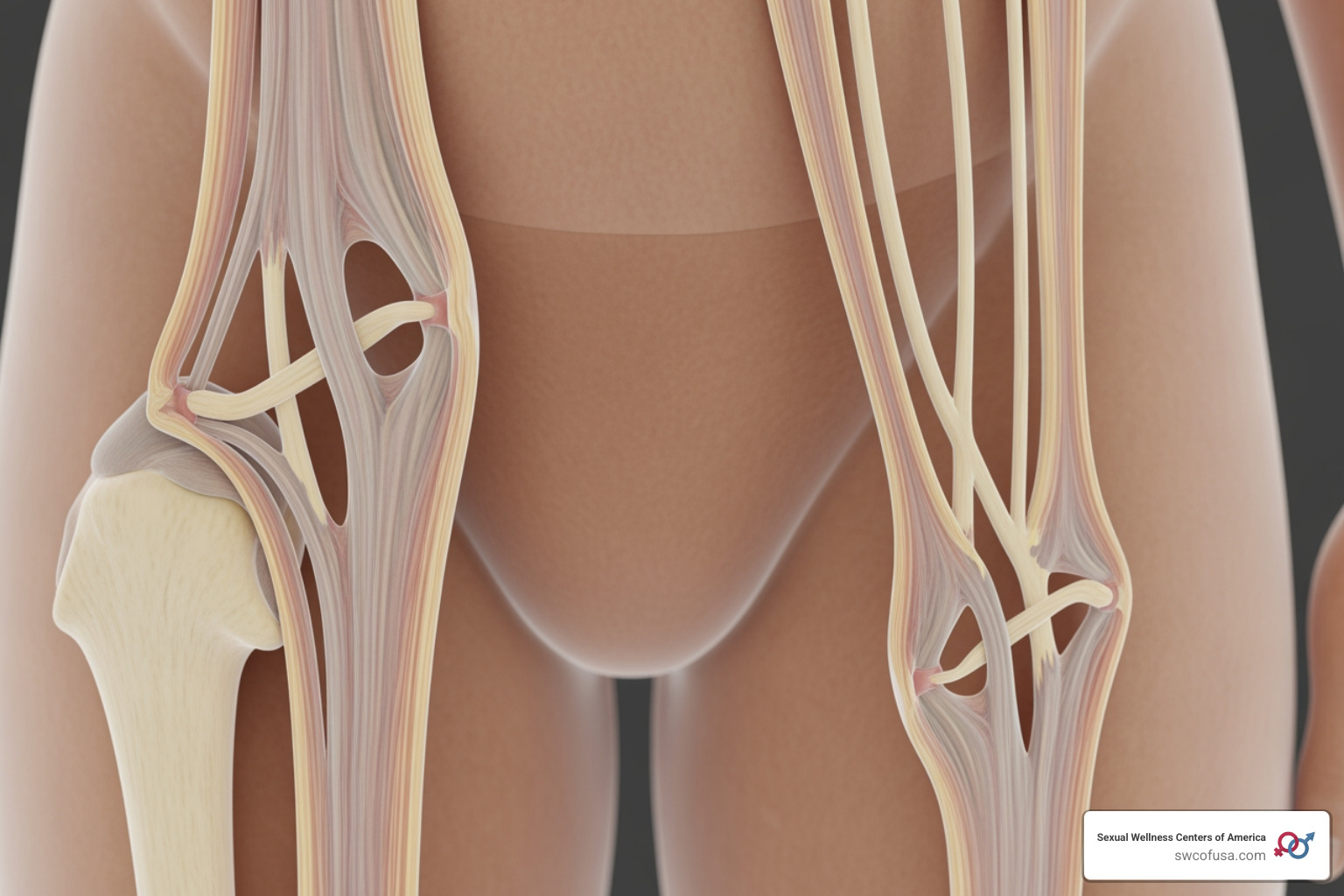
Beyond structural support, collagen also plays a vital role in maintaining tendon health and mitigating potential injury-risk in sport. Collagen peptides may also possess anti-inflammatory properties, as glycine, a prominent amino acid in collagen, can inhibit pro-inflammatory cytokine release. This anti-inflammatory effect can be particularly beneficial for athletes dealing with the natural inflammatory responses to intense training.
How Collagen Peptides for Athletes are Absorbed
When we talk about collagen peptides for athletes, we’re referring to a specific form of collagen. Unlike whole collagen protein, which is difficult for the body to break down and absorb, collagen peptides (also known as hydrolyzed collagen) have undergone a process called hydrolysis. This process breaks down the large collagen molecules into smaller, more digestible chains of amino acids and small peptides.
The key insight here is that these smaller, bioavailable peptides can be absorbed intact through the digestive tract and make it into the bloodstream. Research suggests that hydrolyzed collagen, which forms chains of amino acids (peptides), can be absorbed into the bloodstream. Once in the bloodstream, these peptides can then be transported to various tissues throughout the body, including cartilage, tendons, and ligaments, where they can act as building blocks for new collagen synthesis or signal cells to increase their natural collagen production. This efficient absorption is what makes collagen peptides for athletes a more effective supplemental option compared to consuming unhydrolyzed collagen.
Scientific Evidence: Joint Health and Injury Recovery
The rigorous demands of athletic training often place significant stress on joints and connective tissues, leading to discomfort and increased risk of injury. This is where the potential benefits of collagen peptides for athletes truly shine, with scientific research offering promising insights into their role in joint health and injury recovery.
Reducing Exercise-Induced Knee Pain
Several studies have investigated the effectiveness of collagen supplementation in alleviating joint pain, particularly in active individuals. A 2021 randomized trial, for instance, found that the daily use of 5 grams of type 1 collagen peptides for 12 weeks resulted in a greater reduction in exercise-induced knee pain than a placebo. This suggests that even a relatively modest dose can make a noticeable difference for athletes experiencing discomfort during or after their workouts.
Further supporting these findings, a systematic study review reported that collagen has shown to be beneficial in improving joint functionality and reducing joint pain in recreational athletes. Another report highlighted that athletes with knee joint pain experienced more relief after taking 5 grams of collagen peptides for 12 weeks compared to those on a placebo. These results indicate that consistent supplementation can contribute to improved joint comfort and improved function, allowing athletes to maintain their training intensity with less hindrance. Collagen supplementation has also been shown to increase pain-free time to exertion, which is a significant factor for sustained athletic performance.
The benefits extend beyond just pain relief. Collagen peptide supplementation (COL), in conjunction with exercise, may be beneficial for the management of degenerative bone and joint disorders. The most prominent effects of COL were observed on joint function and recovery from joint injuries. This is a crucial aspect for athletes who are constantly pushing their physical boundaries and are prone to such conditions over time.
Accelerating Recovery from Soft Tissue Injuries
Beyond general joint health, collagen peptides for athletes demonstrate potential in aiding the recovery from specific soft tissue injuries. For example, in cases of Achilles tendinopathy, oral supplementation of specific collagen peptides combined with calf-strengthening exercises has been shown to improve function and reduce pain. This highlights the synergistic effect of combining supplementation with targeted rehabilitation protocols.
Similarly, a study on athletes with chronic ankle instability found improvements in perceived ankle function and a reduction in instances of the ankle “giving away” after collagen peptide supplementation. This suggests that collagen can play a role in strengthening the connective tissues that support joint stability, which is vital for preventing re-injury.
The mechanism behind this is thought to involve the formation of extracellular matrix (ECM) molecules, leading to increased firmness of the connective tissue, and downregulation of matrix metalloproteinases that degrade ECM collagen proteins. Essentially, collagen supplementation helps the body build and maintain stronger, more resilient connective tissues while simultaneously slowing down their breakdown. Furthermore, one randomized, double-blind investigation determined that 8 weeks of hydrolyzed chicken collagen type II usage improved joint functioning by reducing pain and stiffness, showcasing the benefits for overall joint integrity.
Optimizing Performance: Muscle Mass and Body Composition
While collagen is primarily known for its role in connective tissues, emerging research suggests it can also contribute to aspects of athletic performance related to muscle mass and body composition, especially when combined with resistance training.
Collagen Peptides for Athletes and Muscle Recovery
Intense exercise, especially resistance training or endurance activities, can lead to muscle damage and soreness, commonly known as Delayed Onset Muscle Soreness (DOMS). This can impede subsequent training sessions and overall performance. Some studies suggest that collagen peptides for athletes can play a role in mitigating these effects.
One study suggested collagen use can help alleviate some post-exercise muscle pain. In another trial, collagen peptides seemed to attenuate decrements in bench-press performance and improve perceived recovery after exercise. While muscle recovery had a modest but significant improvement with COL, it’s important to understand that collagen isn’t a direct muscle builder like other proteins. Instead, its benefits for recovery may stem from its role in supporting connective tissue repair and reducing inflammation. The anti-inflammatory properties of glycine, a key amino acid in collagen, may contribute to this by inhibiting pro-inflammatory cytokine release. This can help reduce the overall inflammatory response following strenuous exercise, leading to a faster and more comfortable recovery.
Impact on Body Composition and Strength
The relationship between collagen supplementation and body composition is also an area of interest. Collagen supplementation combined with resistance training has elicited moderate improvements in body composition. This benefit is particularly noted in specific populations. For instance, studies suggest that combining collagen peptide use with resistance training can help improve body composition (more muscle, less body fat) in older men and women, including elderly sarcopenic men, who experienced more pronounced increases in fat-free mass and decreases in fat mass.
Similarly, in untrained premenopausal women, specific collagen peptides in combination with resistance training improved body composition and regional muscle strength. For recreationally active men, prolonged collagen peptide supplementation and resistance exercise training also affected body composition.
It’s important to clarify that these improvements in body composition, such as increases in fat-free mass (FFM), are often attributed to collagen’s effect on connective tissue rather than direct muscle hypertrophy. While collagen may help preserve lean body mass if used as part of a diet that is overall low in protein, it doesn’t directly stimulate muscle protein synthesis in the same way that a complete protein like whey does. However, by strengthening the supporting connective tissues, collagen can indirectly contribute to better force transmission and potentially allow for more effective resistance training, facilitating gains in muscle strength and overall body composition.
Practical Guide: Dosage, Timing, and Nutrition
Understanding how to effectively incorporate collagen peptides for athletes into a training regimen is crucial for maximizing potential benefits. This involves considering optimal dosage, timing, and the synergistic role of other nutrients.
Synergizing Collagen with Vitamin C
One of the most critical factors for effective collagen synthesis in the body is the presence of Vitamin C. It is absolutely required for the body to properly manufacture collagen. Without sufficient Vitamin C, the body cannot form the stable, cross-linked collagen fibers that provide structural integrity to tissues. This essential nutrient acts as a cofactor for the enzymes responsible for hydroxylating proline and lysine, amino acids crucial for collagen’s triple-helix structure.
Therefore, when considering collagen supplementation, it is highly recommended to pair it with Vitamin C intake. Many collagen supplements, such as Klean Collagen+C, already include Vitamin C to ensure this synergy. Foods rich in Vitamin C, like citrus fruits, bell peppers, berries, and broccoli, are excellent dietary sources.
Along with Vitamin C, other key nutrients play a role in natural collagen production:
- Copper: Found in oysters, nuts, seeds, and organ meats.
- Zinc: Abundant in oysters, red meat, poultry, beans, and nuts.
- Proline and Glycine: While collagen itself provides these, they are also found in other protein sources like egg whites, soy protein, peas, and lentils.
Ensuring adequate intake of these co-factors through a balanced diet is just as important as the collagen peptides themselves.
Food-First Approach vs. Supplementation
For any athlete, a food-first approach to nutrition is always the cornerstone of health and performance. This means prioritizing whole, unprocessed foods to meet nutrient needs before turning to supplements. For collagen, this approach involves consuming foods rich in its amino acid precursors.
Traditional food sources of collagen include:
- Bone broth: Made by simmering animal bones and connective tissues.
- Chicken skin: Contains high amounts of collagen.
- Canned fish: Varieties like sardines and salmon that include skin and softened bones.
- Tougher cuts of meat: Such as pot roast or brisket, which contain more connective tissue.
- Organ meats: Liver, heart, and kidneys are rich in amino acids needed for collagen.
- Gelatin: A cooked form of collagen, often found in desserts or as a thickener.
While bone broth is a popular source, research questions if many preparations can provide enough of the amino acids needed to create collagen. However, consuming a diverse diet rich in protein and the aforementioned co-factors provides the body with all the necessary building blocks for natural collagen synthesis.
So, when do supplements come into play? Collagen peptides for athletes can be a convenient and targeted way to increase the intake of specific amino acids and peptides that may be lacking in the diet or when higher doses are desired for specific therapeutic effects, like supporting joint recovery. For instance, 5–15 g/day doses of COL when taken at least 1 hour prior to exercise, for over 3 months, may aid in reducing functional joint pain and improving muscle recovery. This is particularly relevant for athletes who find it challenging to consistently consume enough collagen-rich foods or who have specific recovery or injury prevention goals.
The body’s ability to produce collagen naturally decreases as we age, so by the time we’ve hit our 30s, our bodies aren’t repairing themselves as fast as they once did. In these cases, supplementation can offer additional support to help counteract this natural decline.
Collagen vs. Whey: Choosing the Right Protein Source
When athletes consider protein supplementation, two popular options often come to mind: whey protein and collagen peptides for athletes. While both are protein sources, their amino acid profiles and primary benefits differ significantly, making them suitable for different goals.
Why Whey Wins for Muscle Hypertrophy
For athletes whose primary goal is muscle growth (hypertrophy) and maximizing muscle protein synthesis (MPS), whey protein is generally the superior choice. This is because collagen is an incomplete protein that, once taken, will be completely dissolved in the gastrointestinal system into its component parts. It lacks the essential amino acid tryptophan and has a lower concentration of branched-chain amino acids (BCAAs), particularly leucine, which is a key trigger for MPS.
Studies have clearly demonstrated this difference. For example, whey protein but not collagen peptides stimulated acute and longer-term muscle protein synthesis with and without resistance exercise in healthy older women. Another study showed that lactalbumin, not collagen, augmented muscle protein synthesis with aerobic exercise. The fact is, collagen isn’t the best source of protein for muscle protein repair and synthesis because it doesn’t have an ideal amino acid profile to build muscle protein as does other animal-based sources such as whey or beef. This means that you should not count on it for this purpose.
Whey protein, on the other hand, is a complete protein, rich in all nine essential amino acids, including a high concentration of BCAAs. This robust amino acid profile makes it highly effective at stimulating the anabolic response needed for muscle repair and growth after exercise.
When to Prioritize Collagen Supplements
Despite its limitations for direct muscle building, collagen peptides for athletes excel in supporting connective tissue health. If your goal is to support joint health, accelerate recovery from soft tissue injuries, or maintain the integrity of tendons and ligaments, collagen can be an invaluable supplement.
Here are scenarios where prioritizing collagen supplements makes sense:
- Joint Support: For athletes experiencing activity-related joint pain or looking to prevent wear and tear on cartilage. A meta-analysis of previous research says there is enough evidence to suggest that supplementing with collagen can help reduce pain symptoms in those with osteoarthritis.
- Connective Tissue Health: To strengthen tendons, ligaments, and other soft tissues, potentially reducing injury risk and aiding recovery.
- Injury Recovery: As an adjunct to rehabilitation protocols for tendinopathies, sprains, or other connective tissue injuries.
- Skin Health: Though not directly performance-related, there is a solid amount of evidence that consuming more collagen can improve skin health via its impact on skin connective tissue (dermis), reducing the occurrence of wrinkles and improving skin elasticity.
- Body Composition (Indirectly): While not directly building muscle, collagen supplementation combined with resistance training elicited moderate improvements in body composition, likely by strengthening connective tissues that support muscle function.
- As part of a lower protein diet: Collagen may help preserve lean body mass if used as part of a diet that is overall low in protein.
We recommend considering both whey protein and collagen peptides for athletes as complementary supplements, each serving distinct but equally important roles in an athlete’s overall health and performance strategy. Whey for muscle building and repair, and collagen for the structural integrity and resilience of the connective tissues that enable movement and power.
Frequently Asked Questions about Collagen
We often encounter common questions about collagen supplementation, especially from athletes keen to optimize their health and performance. Let’s address some of these directly.
Can collagen replace my daily whey protein shake?
No, collagen peptides for athletes cannot replace your daily whey protein shake if your primary goal is muscle hypertrophy and maximizing muscle protein synthesis (MPS). As we’ve discussed, collagen is an incomplete protein, lacking the full spectrum of essential amino acids, particularly tryptophan, and is lower in key muscle-building amino acids like leucine compared to whey. Whey protein is specifically designed to rapidly deliver these essential amino acids to muscles, triggering a robust anabolic response.
Think of it this way: whey is like the high-octane fuel for muscle growth, while collagen is the specialized lubricant for your joints and connective tissues. While both are beneficial proteins, they serve different physiological purposes. We recommend using them complementarily rather than as direct substitutes.
Are there any side effects for high-performance athletes?
Generally, collagen peptides for athletes are considered safe, and studies have reported minimal to no side effects. The systematic review on collagen peptide supplementation and exercise noted that none of the included studies reported any adverse effects, even at higher doses. This is good news for athletes who are often cautious about introducing new supplements into their regimen.
However, as with any supplement, individual sensitivities can vary. Some people might experience mild digestive upset, such as bloating or a feeling of fullness. We always advise starting with a smaller dose to assess tolerance and consulting with a healthcare professional or sports nutritionist, especially if you have pre-existing conditions or are taking other medications. It’s also vital to choose high-quality, third-party tested supplements to ensure purity and avoid contaminants.
Furthermore, we must clarify that collagen itself is not a prohibited substance by the World Anti-Doping Agency (WADA). While some “peptide hormones” are on the prohibited list, collagen peptides are distinct and not considered performance-enhancing drugs in the same category. Therefore, athletes do not need a Therapeutic Use Exemption (TUE) for collagen.
How long does it take to see results in joint health?
Patience is a virtue, especially when it comes to supplementing with collagen peptides for athletes for joint health. The scientific literature suggests that beneficial effects typically require consistent use over a period of several months.
For example, studies showing reductions in exercise-induced knee pain and improvements in joint functionality often involve supplementation for at least 3 months, with some trials extending to 6 months or more. For instance, 5–15 g/day doses of COL taken for over 3 months were found to aid in reducing functional joint pain. The body’s collagen remodeling process is slow, and it takes time for the ingested peptides to contribute to the structural changes in cartilage, tendons, and ligaments.
Therefore, we advise athletes to commit to a consistent daily regimen for a minimum of 3 to 6 months to truly evaluate the impact on their joint comfort, flexibility, and overall connective tissue resilience. Short-term use is unlikely to yield significant, lasting benefits for joint health.
Conclusion
The journey of an athlete is one of dedication, resilience, and often, pushing the boundaries of physical capability. In this pursuit, maintaining the health and integrity of our bodies’ foundational structures – particularly our joints and connective tissues – is paramount for sustained performance and longevity in sport. Collagen peptides for athletes have emerged as a promising tool in this endeavor, offering targeted support where traditional protein sources might fall short.
We’ve explored how collagen, the body’s most abundant structural protein, is crucial for tendon health, ligament strength, and joint cushioning. We’ve seen that while collagen supplements are not a magic bullet for muscle growth in the same way whey protein is, they offer distinct advantages in reducing exercise-induced joint pain, aiding in the recovery from soft tissue injuries, and contributing to a healthier body composition when combined with resistance training. The science, though still evolving, points towards significant benefits for connective tissue health and recovery.
Our commitment at Sexual Wellness Centers of America, including our Colleyville, TX location, extends to promoting holistic wellness and performance optimization for all individuals. Just as we use advanced solutions like REGENmax® technology, HEshot®™, and SHEshot®™ to improve vitality and well-being, we advocate for evidence-based nutritional strategies, including the intelligent use of collagen peptides for athletes. We believe in empowering you with the knowledge to make informed decisions about your health, enabling you to stay in the game longer, recover more effectively, and achieve your personal bests. A food-first approach, adequate Vitamin C intake, and consistent, appropriate supplementation form the bedrock of enduring athletic success.
peptide supplements for muscle growth