
Understanding Vaginal Health and Physical Comfort
Who needs vaginal rejuvenation depends on both medical and personal factors. Women may benefit from vaginal rejuvenation if they experience:
- Vaginal laxity after childbirth or aging
- Stress urinary incontinence (involuntary urine leakage)
- Vaginal dryness or discomfort during intimacy
- Pelvic organ prolapse (bladder, rectal, or uterine)
- Pain during intercourse due to tissue changes
- Aesthetic concerns about labial appearance or asymmetry
- Loss of sensation during sexual activity
Research shows that more than 60% of vaginal rejuvenation procedures are performed on women between ages 20 and 39, though the need spans all age groups. Changes in vaginal tissues often occur due to childbirth, hormonal shifts during menopause, aging, or genetic factors.
The decision to pursue vaginal rejuvenation is deeply personal. Some women seek treatment for functional issues like incontinence or prolapse that interfere with daily activities. Others pursue procedures for aesthetic reasons or to restore confidence in intimate settings.
Not all vaginal concerns require medical intervention. Normal anatomical variations exist in vulvar and vaginal appearance. However, when physical discomfort, dysfunction, or psychological distress impacts quality of life, rejuvenation treatments may offer meaningful relief.
The landscape of vaginal rejuvenation has evolved significantly. Options now range from surgical procedures like vaginoplasty and labiaplasty to non-surgical treatments using laser technology or dermal fillers. Each approach addresses different concerns with varying recovery times and outcomes.
As Jeff Nuziard, CEO of Sexual Wellness Centers of America, I’ve spent years helping women understand who needs vaginal rejuvenation and guiding them toward evidence-based solutions that restore comfort and confidence. My experience has shown that education and personalized care are essential to achieving the best outcomes.
Quick who needs vaginal rejuvenation terms:
What is Vaginal Rejuvenation and What Does it Entail?
Vaginal rejuvenation is a broad term encompassing a variety of procedures, both surgical and non-surgical, designed to improve, tighten, and tone the vaginal area. At its core, it aims to improve feminine well-being through physical improvement and repair, restoring comfort and confidence.
Historically, surgical approaches like vaginoplasty have been used to tighten the vaginal canal. Vaginoplasty is a restorative procedure that surgically tightens the vagina, often using laser-assisted reconstruction. This technique can treat the vagina, perineum, and supporting muscles, which are all integrally involved in sexual response. The goal is to restore the optimal architectural structure of the vagina, bringing it closer to its pre-childbirth state and significantly improving sexual function. For a deeper dive into this, you can visit our page on Vaginal Rejuvenation Procedure.
Beyond vaginoplasty, other surgical procedures like labiaplasty (to reshape the labia), clitoral hood reduction, and perineoplasty (to repair the perineum) also fall under the umbrella of vaginal rejuvenation, often addressing aesthetic or functional concerns.
In recent years, non-surgical options have gained significant popularity. These procedures typically involve stimulating the body’s natural healing processes to promote collagen and elastin production, leading to tissue tightening and improved vaginal health. This often involves the use of thermal energy devices, such as lasers or radiofrequency technology, to gently heat vaginal tissues. This controlled heating encourages the generation of new collagen, improving tissue elasticity, lubrication, and overall tone. Our clinic uses Advanced Vaginal Rejuvenation Technology to offer these innovative solutions.
However, it’s crucial to understand the regulatory landscape. The FDA has issued a safety communication warning against the use of energy-based devices for vaginal “rejuvenation” or vaginal cosmetic procedures for certain generalized claims, citing potential for serious adverse events and lack of adequate efficacy data for these broad indications. This highlights the importance of choosing a qualified and experienced practitioner who understands these nuances and can offer treatments backed by evidence and appropriate for specific medical conditions, rather than purely cosmetic, unproven claims. We believe in transparent discussions about the appropriate use of these technologies for medically indicated concerns.
Determining Who Needs Vaginal Rejuvenation
Deciding who needs vaginal rejuvenation is a journey unique to each woman, influenced by a blend of personal experiences, physical symptoms, and emotional well-being. It’s not a one-size-fits-all answer, but rather a spectrum of needs arising from various life stages and conditions.

One of the most common indicators is vaginal laxity, often described as a feeling of looseness or decreased sensation. This can significantly impact sexual satisfaction and overall confidence. If you’re experiencing this, you might be interested in learning about the Common Signs of Vaginal Laxity. The natural aging process, for instance, leads to a decrease in collagen and elastin, the proteins responsible for tissue strength and elasticity. This can result in thinning vaginal tissues and a loss of volume, contributing to laxity.
Menopause is another significant life event where hormonal shifts play a major role. As estrogen levels decline, many women experience vaginal atrophy, characterized by dryness, thinning, and inflammation of the vaginal walls. This can make daily activities uncomfortable and sexual intercourse painful. Understanding What is Vaginal Atrophy? is a crucial first step for many women.
It’s interesting to note that while aging and menopause are clear contributors, our research indicates that more than 60% of vaginal rejuvenation procedures are performed on women between the ages of 20 and 39. This statistic suggests that younger women are also seeking these treatments, often due to issues stemming from childbirth, or even aesthetic concerns that impact their body image and sexual confidence. Hormonal shifts aren’t exclusive to menopause; imbalances can occur at any age, contributing to issues like vaginal dryness. Our article on How Can a Hormonal Imbalance Contribute to Vaginal Dryness? explores this further.
The decision for rejuvenation also often involves a desire to restore a sense of “normalcy” or to address discomfort that interferes with daily life. Whether it’s the physical irritation of lax tissues or the emotional impact of feeling less confident in intimate moments, these factors collectively guide women to consider vaginal rejuvenation.
Identifying Who Needs Vaginal Rejuvenation After Childbirth
Childbirth, while a miraculous event, can bring about significant changes to a woman’s body, particularly the vaginal area. The process of vaginal delivery can lead to the stretching and sometimes tearing of vaginal tissues and the pelvic floor muscles. While the body has an incredible capacity for healing, these areas rarely return completely to their pre-pregnancy state. This can result in a feeling of looseness, diminished sensation during sexual activity, and even contribute to conditions like stress urinary incontinence or pelvic organ prolapse.
If you’ve experienced childbirth and now find yourself dealing with reduced muscle tone, a feeling of “openness,” or a decrease in sexual satisfaction, you might be among those who needs vaginal rejuvenation. The procedures aim to restore the structural integrity and tightness of the vagina and supporting muscles. For many women, this means regaining control and strength in the pelvic floor, leading to improved sensation and comfort. We offer various Non-Surgical Vaginal Rejuvenation options that can help address these postpartum changes without invasive surgery.
Beyond just the physical changes, postpartum recovery also involves adjusting to a new body and finding ways to feel confident again. Vaginal rejuvenation can play a role in this by addressing both the functional and aesthetic concerns that arise after childbirth. It’s about helping women feel more like themselves again, both physically and emotionally. To explore more about the different ways to address these changes, you can read our guide on How to Rejuvenate Your Vagina.
Who Needs Vaginal Rejuvenation for Medical vs. Cosmetic Reasons?
Distinguishing between medical and cosmetic reasons is fundamental when discussing who needs vaginal rejuvenation. While both can significantly impact a woman’s quality of life, the underlying motivations and accepted medical practices differ.
Medical Reasons: These procedures are typically driven by functional impairments or discomfort. Common medical conditions that may necessitate vaginal rejuvenation include:
- Stress Urinary Incontinence (SUI): This is the involuntary leakage of urine during activities like coughing, sneezing, laughing, or exercising. It often results from weakened pelvic floor muscles and supporting structures, which can be strengthened through rejuvenation procedures.
- Pelvic Organ Prolapse: This occurs when pelvic organs, such as the bladder (cystocele), rectum (rectocele), or uterus (uterine prolapse), descend and bulge into the vagina due to weakened pelvic support. Reconstructive procedures can help restore proper anatomical position and function.
- Pain during intercourse (Dyspareunia): This can be caused by various factors, including vaginal atrophy, scarring, or laxity. Rejuvenation can address underlying tissue issues to reduce discomfort.
- Chronic irritation or discomfort: Sometimes, anatomical variations or changes can lead to persistent physical irritation, making certain activities or clothing uncomfortable.
For conditions like SUI and prolapse, the procedures are considered reconstructive, aiming to improve a person’s functioning and alleviate symptoms that interfere with daily life. The American College of Obstetricians and Gynecologists (ACOG) acknowledges that some procedures are medically indicated, such as those for vaginal prolapse or pain with intercourse. You can find more information on their stance regarding ACOG on elective genital surgery.
Cosmetic Reasons: These procedures are elective and primarily focused on altering the appearance of the vulva or vagina. Motivations might include:
- Aesthetic symmetry: A desire for a more “ideal” or symmetrical appearance of the labia or vulva.
- Labial discomfort: While sometimes medical, minor discomfort due to labial size or shape that doesn’t necessarily impair function but causes self-consciousness can be a cosmetic driver.
- Perceived laxity without functional symptoms: A feeling of internal looseness that doesn’t cause significant issues during sex but impacts body image.
It’s important to approach purely cosmetic procedures with caution. As discussed earlier, professional bodies like ACOG and RANZCOG express concerns about the lack of robust evidence for the safety and efficacy of many cosmetic vaginal procedures, especially when marketed with broad claims of sexual improvement. They emphasize that normal anatomical variations exist, and advertisements should not mislead women into believing their normal anatomy is somehow flawed.
However, for those who choose surgical vaginoplasty, patient satisfaction is notably high. Based on a 2021 survey, 94% of women felt that vaginoplasty was worth it. This indicates that for women who carefully consider their options and motivations, the outcomes can be profoundly positive. Our Vaginal Rejuvenation Reviews reflect the positive impact these procedures can have on our patients’ lives in Colleyville, TX.
The decision of who needs vaginal rejuvenation for either medical or cosmetic reasons should be made after thorough consultation with a qualified practitioner, ensuring a clear understanding of the procedure’s goals, benefits, risks, and realistic outcomes.
Surgical vs. Non-Surgical Procedures
When considering who needs vaginal rejuvenation, it’s helpful to understand the different types of procedures available. These broadly fall into two categories: surgical and non-surgical, each with its own approach, benefits, and recovery profile.
| Feature | Surgical Vaginoplasty
| Procedure | Description for your curiosity.
Potential Benefits and Recovery Expectations
The decision about who needs vaginal rejuvenation is about restoring comfort and confidence, with expectations of improved physical sensation and emotional well-being.
One of the most significant benefits reported by women is an increase in sexual satisfaction and improved sensation. When vaginal tissues are tighter and more sensitive, it can lead to more fulfilling intimate experiences. For those experiencing discomfort, particularly painful sex, rejuvenation treatments can help alleviate this. Our page on Vaginal Rejuvenation Treatments Can Help Relieve Painful Sex offers more insights into this.
Beyond the physical, there’s a powerful emotional boost. Women often report improved body image, increased self-confidence, and a renewed sense of femininity. This psychological uplift can significantly improve overall quality of life.
The longevity of results is a common question, and it varies depending on the procedure and individual factors. While some results are long-lasting, others may require maintenance. Our article How Long Does Vaginal Rejuvenation Last? provides a comprehensive overview. Another important benefit can be improved vaginal lubrication. By stimulating the vaginal tissues, some treatments can help increase natural moisture, addressing dryness and discomfort. Learn more about how to Improve Vaginal Lubrication.
Recovery expectations differ greatly between surgical and non-surgical procedures.
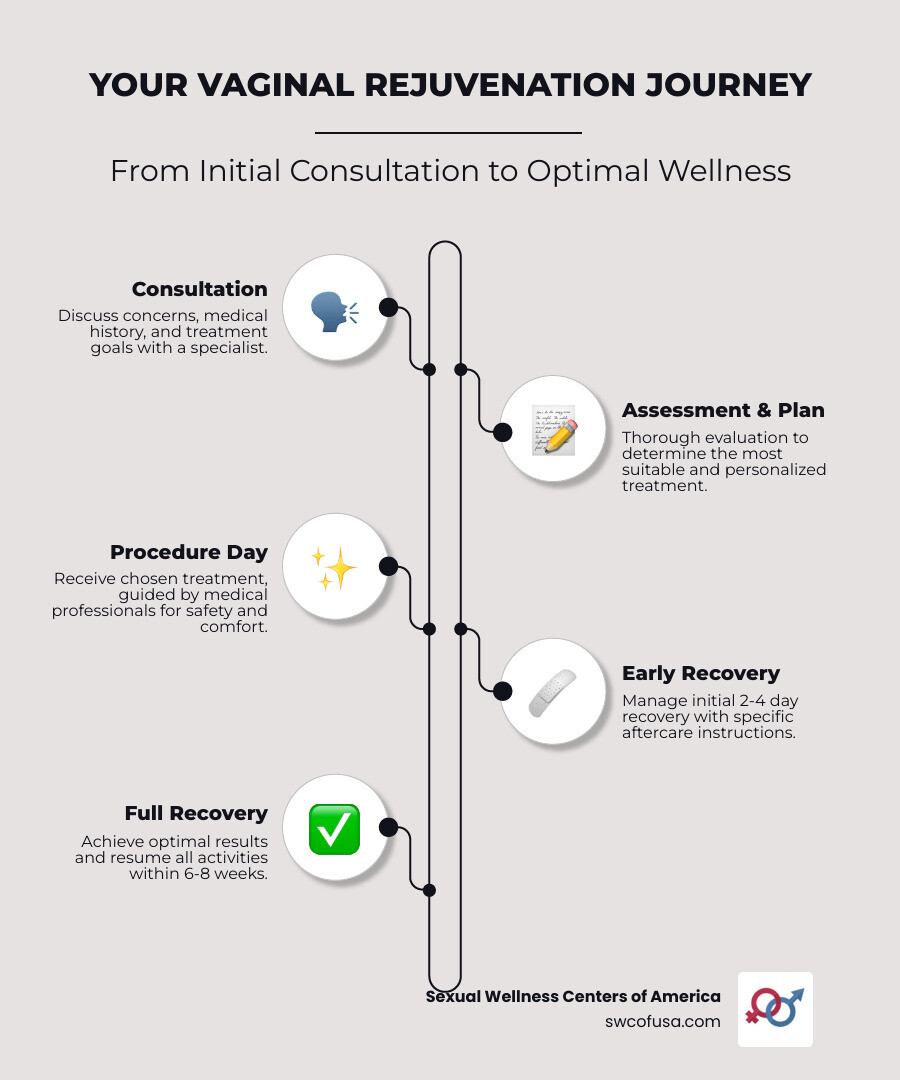
For surgical vaginoplasty, the initial recovery period can involve some pressure and discomfort for the first few days. Most patients can return to work and light daily tasks within 2 to 4 days. However, a crucial aspect of surgical recovery is the restriction on sexual activity, typically for a full 6-8 weeks, to allow for proper healing and prevent complications. This waiting period is vital for optimal long-term results.
For non-surgical treatments, the recovery is often much quicker, with minimal downtime. Patients can usually resume most normal activities immediately, though specific instructions regarding sexual activity may still apply for a shorter period. This convenience is a major draw for many women considering non-surgical options.
Frequently Asked Questions about Vaginal Health
What are the risks and potential complications?
While vaginal rejuvenation procedures offer significant benefits for many, it’s crucial to be fully aware of the potential risks and complications, just as with any medical intervention. Transparency and informed consent are paramount.
Potential complications can include:
- Scarring: Particularly with surgical procedures, there’s a risk of scar tissue formation, which can sometimes lead to discomfort or altered sensation.
- Infection: As with any procedure that involves incisions or tissue manipulation, infection is a possibility, though rare with proper sterile techniques and post-procedure care.
- Dyspareunia (Painful Intercourse): In some cases, over-tightening during surgical procedures or adverse reactions to energy-based treatments can lead to new or worsened pain during sexual activity.
- Altered Sensation: While many seek rejuvenation to improve sensation, there’s a risk of decreased sensation or even numbness in some areas.
- Adhesions: Scar tissue can sometimes form adhesions, connecting tissues that shouldn’t be joined, which can cause discomfort.
- Disfigurement: Poor surgical technique or unexpected healing can result in an undesirable aesthetic outcome.
Professional medical bodies like the Royal Australian and New Zealand College of Obstetricians and Gynaecologists (RANZCOG) provide clinical guidance emphasizing the importance of distinguishing between medically indicated procedures and purely cosmetic ones, and highlight the limited evidence for the safety and efficacy of many cosmetic procedures. They also warn against the use of energy-based devices for broad “rejuvenation” claims due to potential adverse events.
This underscores the absolute importance of choosing a qualified and experienced practitioner. A skilled surgeon or clinician will carefully assess your individual needs, discuss all potential risks, and ensure you have realistic expectations. They will also be equipped to manage any complications should they arise, prioritizing your safety and well-being.
Are there non-surgical alternatives to rejuvenation?
Absolutely! Not everyone who needs vaginal rejuvenation will require or desire a surgical or even a device-based non-surgical procedure. For many, less invasive alternatives can provide significant relief and improvement.
One of the most accessible and effective non-surgical alternatives involves pelvic floor exercises, commonly known as Kegels. These exercises strengthen the muscles that support the uterus, bladder, small intestine, and rectum. Regular and correct performance of Kegels can improve vaginal tone, improve sexual sensation, and help manage mild stress urinary incontinence. Think of it as a workout for your pelvic floor – consistency is key!
For issues like vaginal dryness and atrophy, particularly common during menopause, topical estrogen therapy can be highly effective. This involves applying estrogen directly to the vaginal tissues, which helps to restore moisture, elasticity, and thickness to the vaginal walls. It’s a localized treatment that can significantly alleviate discomfort and improve sexual function.
Beyond specific treatments, a holistic approach to hormone balancing for women can also play a crucial role in vaginal health. Hormonal imbalances, not just during menopause but at various life stages, can contribute to dryness, reduced libido, and other vaginal concerns. Addressing these imbalances through personalized strategies can lead to overall improvements in well-being, including vaginal health. Our team specializes in Hormone Balancing for Women to help you achieve optimal health. If you’re wondering Does Menopause Lead to Vaginal Dryness?, the answer is often yes, and there are many ways to address it.
These alternatives are often a first line of defense or a complementary approach to more advanced rejuvenation techniques. They are generally low-risk and can be very beneficial, empowering women to take an active role in their vaginal health.
How does rejuvenation address urinary incontinence?
Urinary incontinence, particularly stress urinary incontinence (SUI), is a common and often distressing condition that can significantly impact a woman’s quality of life. It’s a primary reason many women fall into the category of who needs vaginal rejuvenation for functional improvement.
Vaginal rejuvenation procedures, both surgical and certain non-surgical approaches, can effectively address SUI by focusing on strengthening and supporting the structures around the bladder and urethra.
Here’s how it works:
- Urethral Support: SUI often occurs when the urethra, the tube that carries urine out of the body, lacks adequate support. Rejuvenation procedures can help by tightening the surrounding tissues and ligaments, providing better support to the urethra and preventing involuntary leakage during activities like coughing, sneezing, or exercising.
- Pelvic Floor Strengthening: Many rejuvenation techniques are designed to strengthen the pelvic floor muscles. These muscles act as a sling, supporting the bladder and urethra. By improving their tone and strength, the procedures improve the body’s natural control over urinary function.
- Collagen Remodeling: Non-surgical energy-based treatments, such as REGENlase®, use thermal energy to stimulate collagen production in the vaginal and urethral tissues. Collagen is a vital protein that provides strength and elasticity. By remodeling and generating new collagen, these treatments can thicken and strengthen the tissues, leading to improved support and reduced leakage. This also improves circulation, contributing to healthier, more functional tissue.
- Involuntary Leakage Reduction: The combined effect of improved urethral support, strengthened pelvic floor muscles, and improved tissue elasticity directly contributes to a significant reduction in involuntary urine leakage. Women often report instant improvement with certain incontinence treatments, with ongoing reduction in urine leakage observed over several months.
While some procedures may reduce leakage, they may not fully correct severe stress urinary incontinence on their own. In such cases, your practitioner might recommend additional treatments or procedures, sometimes performed concurrently. Addressing SUI is a key component of comprehensive Female Sexual Dysfunction Treatment as it often impacts intimacy and confidence.
Conclusion
Understanding who needs vaginal rejuvenation is about recognizing that every woman’s journey with her body is unique. From the physical changes brought on by childbirth and aging to the emotional desire for renewed confidence and comfort, the reasons for considering these treatments are diverse and deeply personal.
At Sexual Wellness Centers of America in Colleyville, TX, we believe in a holistic and personalized approach to sexual wellness. We understand that whether your concerns are functional, aesthetic, or a blend of both, finding the right solution requires careful consideration, expert guidance, and a compassionate ear.
Our innovative treatments, including the SHEshot® for female sexual health and REGENmax® technology, are designed to address a wide array of vaginal concerns. We take pride in creating personalized plans based on comprehensive hormone and vitamin panels, ensuring that your treatment is custom specifically to your body’s needs.
If you’re in Colleyville, TX, and are exploring options for vaginal rejuvenation, we invite you to take the first step towards a more comfortable and confident you. Let us help you steer the possibilities and find the path that best suits your individual needs.
Schedule a consultation for Vaginal Rejuvenation in Colleyville, TX and find how we can support your journey to optimal sexual wellness.