
Why a Weight Loss Management Plan is Your Key to Long-Term Success
A weight loss management plan is a structured, personalized approach to losing weight and maintaining a healthy body weight through sustainable lifestyle changes, including nutrition, physical activity, goal setting, and ongoing monitoring.
Key Components of an Effective Weight Loss Management Plan:
- Understanding Your Motivation – Identify your personal reasons for weight loss and commit to change
- Tracking Your Baseline – Monitor current nutrition, physical activity, sleep, and stress levels
- Setting Realistic Goals – Establish specific, achievable short-term targets (1-2 pounds per week)
- Building Support Systems – Engage family, friends, professionals, or weight-loss programs
- Continuous Monitoring – Regularly evaluate progress and adjust your approach as needed
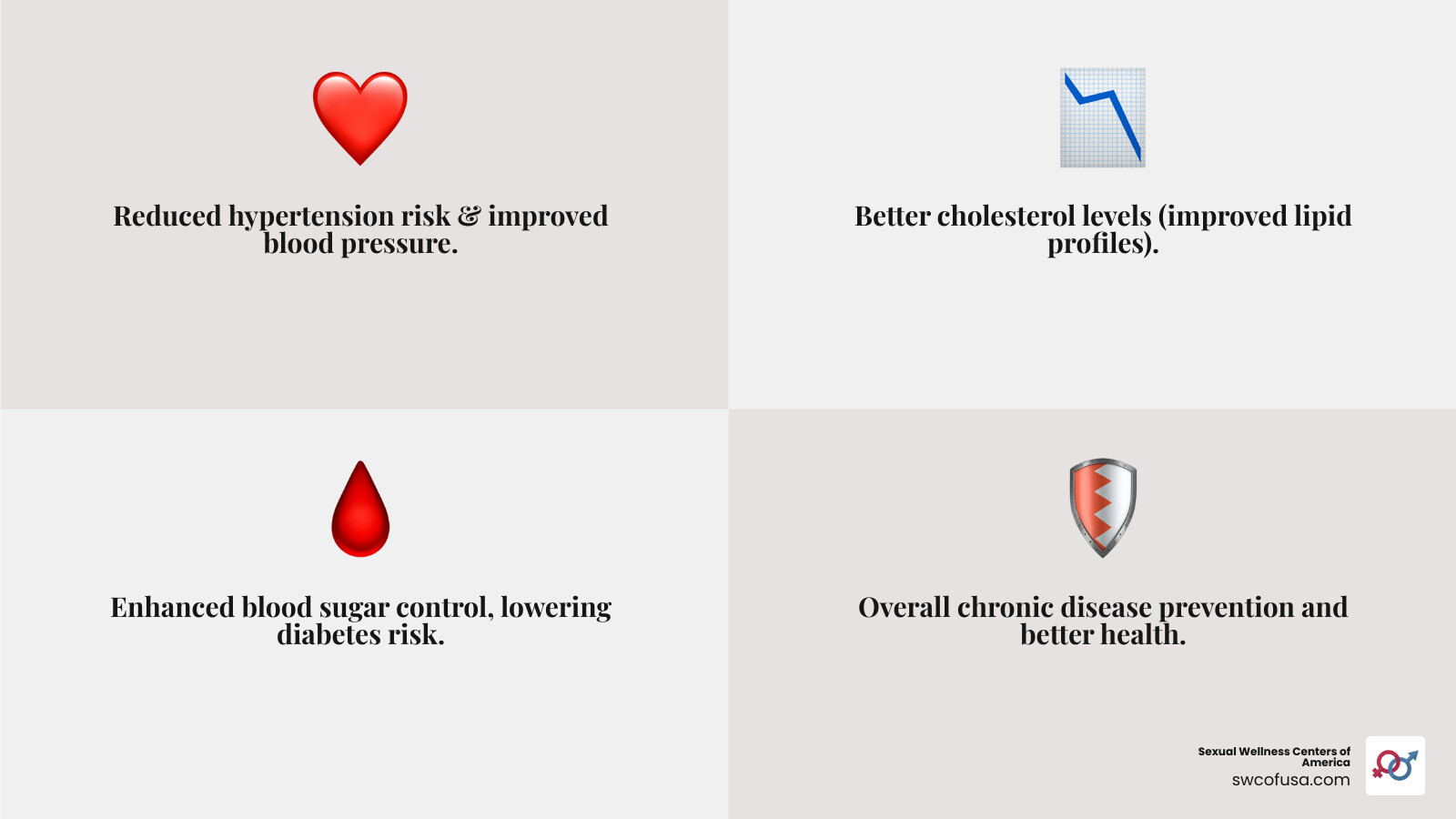
Weight management isn’t just about quick fixes or fad diets. The research is clear: people who lose weight gradually—about 1 to 2 pounds per week—are far more likely to keep it off long-term. What’s more, even modest weight loss of just 5% of your body weight can deliver significant health benefits, including improved blood pressure, cholesterol levels, and blood sugar control.
The challenge isn’t just losing weight—it’s maintaining that loss. Studies suggest that only 1 to 3 percent of individuals successfully maintain their weight loss over time. The difference between success and struggle comes down to one critical factor: sustainable lifestyle change rather than temporary restriction.
Your weight affects more than just how you look. Excess weight increases your risk for serious health conditions like high blood pressure, heart disease, type 2 diabetes, and stroke. High blood pressure often has no symptoms, making regular monitoring essential. The good news? Lifestyle changes and weight management can dramatically improve these risk factors.
Creating a sustainable weight loss management plan means addressing the full picture: what you eat, how you move, how well you sleep, how you manage stress, and the support systems you build around yourself. It requires honest self-assessment, realistic goal-setting, and the willingness to adjust your approach as you learn what works for your unique body and lifestyle.
I’m Jeff Nuziard, CEO of Sexual Wellness Centers of America, and I’ve spent my career helping individuals improve their overall health and wellness through personalized, science-backed approaches. A comprehensive weight loss management plan is foundational to the holistic wellness strategies we implement, addressing not just weight but the hormonal balance, metabolic health, and quality of life that support long-term vitality.
Simple guide to weight loss management plan:
The Foundation of a Successful Weight Loss Management Plan
Starting on a weight loss journey is more than just deciding to eat less and move more; it requires a deep understanding of your personal motivations and a steadfast commitment to change. We often find that the most successful individuals begin by asking themselves, “Why do I want to lose weight?” This “why” becomes the bedrock of their weight loss management plan, a powerful inner motivation that can sustain them through challenges and setbacks.
To build this strong foundation, we encourage a readiness assessment. This involves honestly evaluating your current lifestyle, habits, and emotional relationship with food and exercise. Are you truly ready to make long-term changes, or are you looking for a quick fix? Sustainable weight loss is a marathon, not a sprint, and your readiness to commit to a new way of living is paramount.

Writing down your reasons for wanting to lose weight and keeping them visible can serve as a daily reminder of your commitment. Whether it’s to improve your health, increase energy, or improve your overall well-being, these personal motivations will fuel your journey. For more guidance on getting started, the Steps for Losing Weight from the CDC can provide a valuable framework. You can also explore More info about Weight Loss Management to understand the broader scope of options available.
Creating Your Personalized Weight Loss Management Plan
Once your commitment is clear, the next crucial step is to create a personalized weight loss management plan that reflects your unique needs and circumstances. This begins with self-awareness and a thorough lifestyle audit. We dig into understanding your current habits by tracking various aspects of your daily life.
What are you currently tracking? We recommend monitoring your nutrition (everything you consume), your physical activity (type and duration), your sleep patterns (hours and quality), and your stress levels (how you experience and manage stress). This baseline data is invaluable. It helps us identify patterns, understand your current energy balance (calories in versus calories out), and pinpoint lifestyle challenges that may be hindering your weight management efforts. For instance, if you regularly eat sugary foods because they’re convenient for your children, we can help you strategize meal planning and healthy snack options.
Establishing these baseline metrics allows us to tailor a plan that is specific to you. This might involve exploring Medically Managed Weight Loss options, where healthcare professionals work with you to develop a comprehensive strategy that includes dietary guidance, physical activity recommendations, and potentially medical interventions, all customized to your health profile.
Lifestyle Pillars: Nutrition and Physical Activity
At the heart of any effective weight loss management plan are the twin pillars of nutrition and physical activity. These aren’t just about restriction; they’re about building a sustainable lifestyle that supports your body’s needs.
When we talk about nutrition, we focus on nutrient density and portion control. Nutrient-dense foods like colorful vegetables, lean proteins, and whole grains provide satiety without excessive calories. The fundamental principle of weight management is energy balance: consistently burning more calories than you consume. Our Health and Wellness services are designed to guide you through these crucial aspects.
The Role of Physical Activity
Physical activity is a non-negotiable component of a sustainable weight loss management plan. It burns calories and helps maintain muscle mass, which is crucial for a healthy metabolic rate. We recommend a combination of aerobic exercise (like brisk walking or cycling) and resistance training. Aim for at least 150 minutes of moderate activity per week. Beyond structured workouts, Non-Exercise Activity Thermogenesis (NEAT)—everyday movements like taking the stairs—contributes significantly to energy expenditure. For athletes, services like IM Injections for Athletes: Benefits and Recovery can support energy and recovery.
Nutrition Education and Dietary Approaches
Effective nutrition education empowers you to make informed choices. A nutritionally balanced, hypocaloric diet is often the best approach, focusing on moderation across all food groups. We explore various strategies:
- Balanced Diets: Focus on variety and controlled portions.
- Low-Fat Options: Reducing calorie-dense fats can promote metabolic benefits.
- High-Protein Benefits: Protein aids satiety and preserves muscle mass.
For a deeper dive into evaluating strategies, consult What you should know about popular diets.
The Science of Success: Tracking and Goal Setting
Success in a weight loss management plan isn’t just about effort; it’s about smart effort. This involves the science of tracking your progress and setting realistic, achievable goals. Without these elements, it’s easy to lose motivation or feel overwhelmed.
We emphasize comprehensive tracking that goes beyond just calories. Keeping a food diary (recording what, how much, when, and where you eat) and an activity log (type and duration of physical activity) can dramatically increase your self-awareness. Furthermore, monitoring sleep hygiene (aiming for consistent, quality sleep) and stress management (identifying healthy coping mechanisms) are crucial. A lifestyle with good nutrition, regular physical activity, stress management, and enough sleep supports a healthy weight. These factors profoundly impact your hormones, energy levels, and cravings, making them vital components to track. For more strategies on how to effectively track and manage your journey, explore Strategies for success.
Setting Realistic and Achievable Goals
Setting effective goals is a skill, and it’s one we help you cultivate. We advocate for SMART goals: Specific, Measurable, Achievable, Relevant, and Time-bound. Instead of a vague goal like “exercise more,” a SMART goal might be, “I will walk 15 minutes, 3 days a week for the first week.”
Focus on short-term milestones that build momentum. Losing 1 to 2 pounds per week is a healthy, sustainable pace. As you consistently meet these smaller goals, you can add new ones. We also encourage rewarding achievements with non-food rewards, such as a relaxing bath, a new book, or a sports outing with friends. This reinforces positive behaviors without undermining your progress.
Crucially, we understand that occasional setbacks are part of any journey. Instead of viewing them as failures, we learn to forgive setbacks and see them as learning opportunities. The key is to get back on track as quickly as possible and strategize how to prevent similar issues in the future.
Monitoring Progress and Adjusting the Plan
Continuous monitoring is essential to ensure your weight loss management plan remains effective and custom to your evolving needs. This involves regularly evaluating your progress and being willing to adjust your approach.
Weight tracking is a primary metric, but it’s not the only one. Body measurements (waist circumference, hip measurements) can provide a more holistic view of body composition changes. Beyond physical metrics, emotional awareness is key. How do you feel? Are your energy levels improving? Is your mood stable? These subjective experiences are just as important as the numbers on the scale.
If parts of your plan aren’t working well, we analyze why and make necessary changes. This could mean tweaking your dietary approach, adjusting your exercise routine, or exploring new stress management techniques. Our approach is dynamic, recognizing that your body and circumstances change over time. As part of a holistic wellness approach that can support overall vitality, we also consider how nutrient absorption and hydration impact your journey. Services like IV Infusions: A Beginner’s Guide can provide essential vitamins and minerals directly, supporting your body’s functions and energy levels during your weight loss efforts.
Medical and Professional Weight Loss Management Plan Options
While lifestyle changes are the cornerstone of any weight loss management plan, sometimes medical and professional interventions are necessary to achieve and sustain healthy weight. These options are particularly important for individuals facing significant health challenges related to their weight.
A comprehensive approach often includes personalized nutrition plans developed by registered dietitians or nutritionists, ensuring you receive optimal nutrients while managing calorie intake. In certain cases, prescription medications may be appropriate to assist with weight loss. Our Medical Weight Loss programs in Colleyville, TX, integrate these strategies under professional guidance. We also offer advanced support like Peptide Supplements for Weight Loss, which can help optimize metabolic functions and fat burning.
When to Consider Medical Interventions
Medical interventions for weight management are typically considered when lifestyle changes alone have not been sufficient, or when an individual’s weight poses significant health risks.
- BMI Thresholds: Generally, prescription weight-loss medications may be considered for individuals with a Body Mass Index (BMI) of 30 or greater, or a BMI of 27 or greater with at least one weight-related health condition (comorbidity). Bariatric surgery is typically reserved for individuals with a BMI of 40 or higher, or a BMI of 35 or higher with significant obesity-related complications.
- Comorbidity Management: For those managing conditions like type 2 diabetes, high blood pressure, sleep apnea, or severe joint pain, medical weight loss can be a crucial part of improving these comorbidities.
- Physician-Guided Options: The decision to pursue medical interventions should always be made in consultation with a healthcare professional. They can assess your overall health, discuss potential benefits and risks, and guide you through the most appropriate options. For more detailed information on pharmacological options, refer to Prescription medications to treat overweight and obesity. These medications are most effective when combined with comprehensive lifestyle and behavioral changes.
Advanced Therapies and Hormonal Balance
Beyond traditional medications, we recognize the critical role of hormonal balance in weight management. Hormones regulate appetite, metabolism, energy storage, and fat distribution, and imbalances can make weight loss incredibly challenging.
- Hormone Optimization: Our approach includes assessing and optimizing hormone levels, which can significantly impact your body’s ability to lose weight and maintain it. This personalized strategy addresses underlying physiological factors that might be contributing to weight gain or making weight loss difficult. You can learn more about how this impacts your weight journey at Hormone Replacement Therapy and Weight Loss.
- Peptide Therapy: Peptides are short chains of amino acids that act as signaling molecules in the body, influencing various functions including metabolism, fat burning, and muscle growth. Peptide therapy can be a valuable tool in a comprehensive weight loss management plan, helping to target specific metabolic pathways. Find the broader advantages of this approach at Peptide Therapy Benefits. By integrating advanced therapies, we aim to provide a holistic and effective path to sustainable weight loss.
Overcoming Barriers: Support Systems and Environment
The journey to a healthier weight is rarely a solitary one. Building robust support systems and consciously shaping your environment are crucial for the long-term success of your weight loss management plan.
Support can come from various sources:
- Family Support: Engaging family in healthy habits creates a supportive home environment.
- Workplace Wellness: Many employers offer resources and healthy food options.
- Environmental Restructuring: Making conscious changes, like keeping healthy foods visible or finding safe spaces for activity, supports better choices.
The NIDDK provides guidance on Choosing a safe and successful weight-loss program.
Navigating Insurance and Access
Navigating insurance coverage for weight loss services can be challenging. If services aren’t covered, take these proactive steps:
- Verify Coverage: Consult your benefits handbook or HR department.
- Understand Denials: Ask for a clear explanation of why a treatment was refused.
- Formal Exception Process: Inquire about your plan’s specific exception procedures.
- Advocacy: Work with your healthcare team to document why a treatment is medically necessary.
- Employer Involvement: Ask your employer to direct benefits providers to cover essential costs.
The Importance of Professional Guidance
Professional expertise improves the effectiveness of your weight loss management plan:
- Registered Dietitians: Provide personalized nutrition counseling and meal planning.
- Counseling Services: Address emotional eating and behavioral modifications.
- Weight Loss Clinics: Our Weight Loss Clinic in Colleyville, TX, offers integrated medical supervision and dietary guidance.
- Community Resources: Use local support groups, farmers’ markets, and public parks.
Frequently Asked Questions about Weight Management
Can my weight affect my blood pressure?
Yes. Excess weight increases blood volume and resistance in your vessels, forcing your heart to work harder. This significantly raises the risk of hypertension, heart attack, and stroke. Because high blood pressure often has no symptoms, regular monitoring is essential. Lifestyle changes and weight management can dramatically improve these risk factors. Learn more at Lose weight.
What are the benefits of even modest weight loss?
You don’t need drastic changes to see results. A modest 5% reduction in body weight can:
- Improve Blood Sugar: Lowering risk for type 2 diabetes.
- Lower Cholesterol: Improving your lipid profile.
- Reduce Blood Pressure: Decreasing cardiovascular risk.
- Lower Chronic Disease Risk: Reducing the likelihood of sleep apnea and other conditions.
What are the considerations for very-low-calorie diets (VLCDs)?
VLCDs provide 800 calories or less per day and are designed for rapid weight loss. However, they require strict medical supervision. While effective for initial loss, they carry risks like gallstones and electrolyte imbalances. Maintaining weight loss after a VLCD requires a strong commitment to long-term lifestyle changes. They are generally reserved for individuals with significant obesity who need rapid loss for medical reasons as part of a professional weight loss management plan.
Conclusion
Designing a sustainable weight loss management plan is a profound investment in your overall health and future. It’s a journey that goes beyond the numbers on a scale, embracing a holistic approach to well-being that impacts your physical health, mental clarity, and quality of life. From understanding your core motivations and setting realistic goals to embracing balanced nutrition, consistent physical activity, and robust support systems, every component plays a vital role.
At Sexual Wellness Centers of America in Colleyville, TX, we understand that true wellness is multifaceted. Our personalized approach integrates advanced therapies and medical oversight to support your weight loss management plan, addressing not just weight but also crucial factors like hormonal balance and metabolic health. We believe in empowering you to achieve your best self through comprehensive, science-backed strategies.
Whether you’re exploring options for medically managed weight loss, optimizing your hormones, or seeking advanced treatments like REGENmax®, SHEshot®, or HEshot® for overall vitality, we are here to guide you. Our commitment is to provide you with the tools, support, and expertise needed for a successful and sustainable change. Begin your journey to personalized wellness today and open up your best self.
Weight Loss Management Colleyville, TX