
Why Finding the Best Treatment for Thinning Hair Matters More Than You Think
Finding the best treatment for thinning hair starts with one simple truth: the earlier you act, the better your results.
Here’s a quick look at the most effective options:
| Treatment | Type | Best For | Time to See Results |
|---|---|---|---|
| Minoxidil (topical or oral) | OTC / Rx | Men & women | 4-6 months |
| Finasteride | Prescription pill | Men only | 4-12 months |
| PRP / PRF injections | In-office | Men & women | 1-3 months |
| Low-level laser therapy (LLLT) | Device | Men & women | 3-6 months |
| Spironolactone | Prescription pill | Women only | 4-6 months |
| Peptide therapy | Emerging / In-office | Men & women | Varies |
| Supplements (iron, vitamin D, zinc) | OTC | Deficiency cases only | 3-6 months |
It usually shows up quietly. Maybe it’s more hair than usual circling the shower drain. Or a part that looks a little wider than it did last year. For many people — especially those over 50 — that moment carries a weight far beyond a few lost strands.
Hair loss is one of the most common reasons people visit a dermatologist. About one-third of women will experience it at some point in their lives, and that number climbs to nearly two-thirds after menopause. For men, the numbers are just as striking — roughly 80% show signs of androgenetic alopecia by age 70.
The good news? Most causes of thinning hair are treatable — especially when caught early, before follicles stop working altogether.
This guide walks you through everything you need to know: what causes thinning hair, which treatments are backed by real evidence, and how to find the right approach for your body.
I’m Jeff Nuziard, CEO of Sexual Wellness Centers of America, where I’ve spent my career helping men and women navigate the hormonal and biological changes that come with aging — including hair loss. My experience working with personalized, science-backed wellness solutions puts me in a strong position to cut through the noise and help you find the best treatment for thinning hair for your unique situation. Let’s get into it.
Understanding the Root Causes of Hair Loss
Before you spend a single dime on serums, shampoos, or clinical procedures, you must understand exactly why your hair is thinning. Treating hair loss without a diagnosis is like trying to fix a car engine by polishing the bumper—it might look shiny, but you aren’t solving the real problem.
Hair loss is generally categorized into two main groups: scarring (cicatricial) and non-scarring (non-cicatricial) alopecia. Scarring alopecia involves permanent destruction of the hair follicles, replacing them with scar tissue. Non-scarring alopecia, which includes the vast majority of cases we see, means the follicles are still alive but are resting, shrinking, or structurally weak.
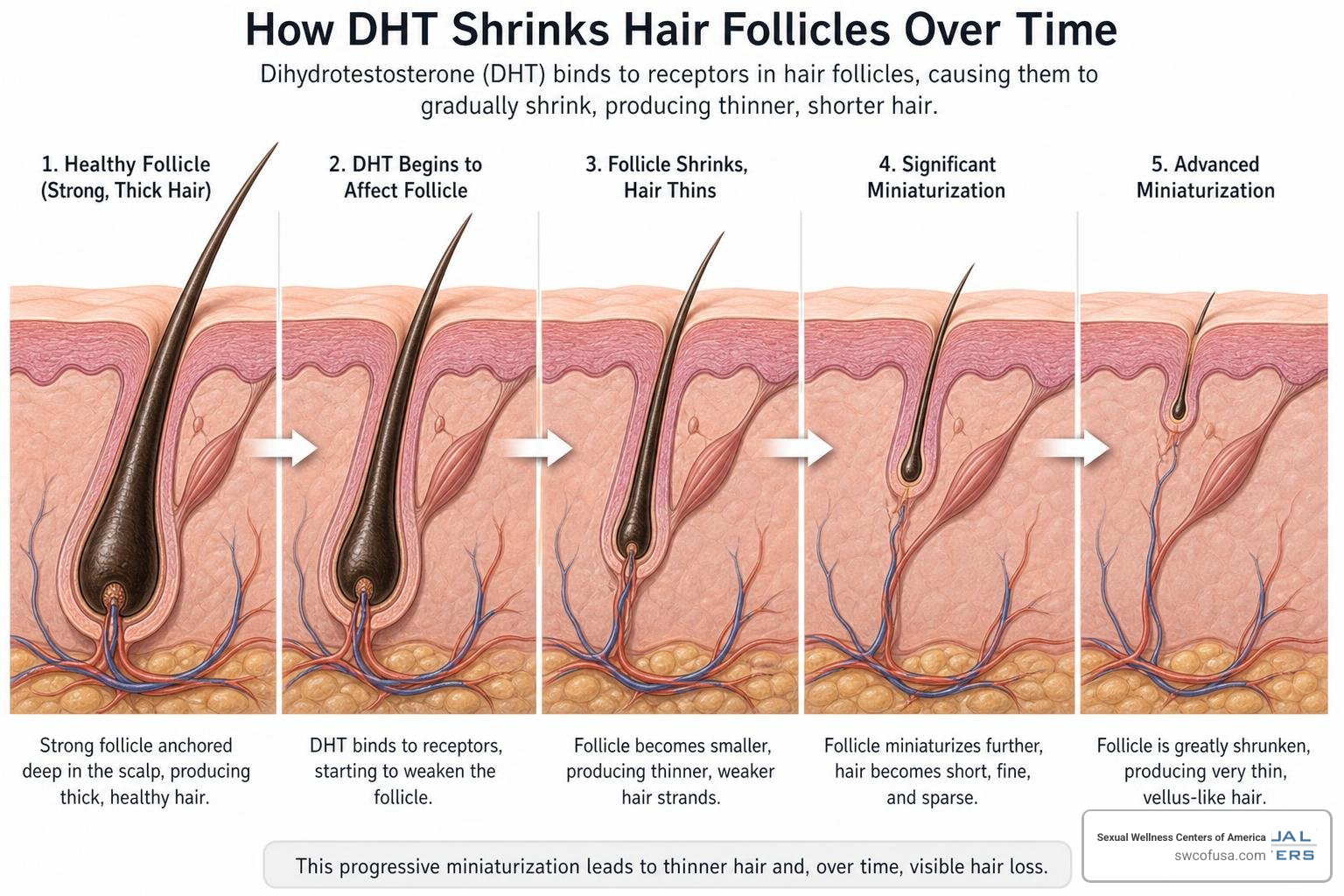
At the heart of hereditary hair loss is a process called follicle miniaturization. Over time, genetic predispositions and hormonal influences cause individual hair follicles to shrink. As they contract, they produce thinner, shorter, and less pigmented hairs until they eventually stop producing hair altogether. If you want to dive deeper into how this process plays out biologically, you can read more Scientific research on female pattern hair loss.
Beyond genetics, autoimmune conditions can also target the hair. Alopecia areata, which affects roughly 2% of the global population, is an autoimmune disorder where the immune system mistakenly attacks active hair follicles, causing hair to fall out in distinct, round patches.
Androgenetic Alopecia in Men vs. Women
Androgenetic alopecia, commonly known as male or female pattern baldness, is driven heavily by hormones—specifically dihydrotestosterone (DHT), a derivative of testosterone. DHT binds to receptors in scalp follicles, triggering the miniaturization process.
However, this condition presents very differently depending on your biological sex:
- In Men (The Norwood Scale): Male pattern baldness typically follows a predictable path. It begins with a receding hairline at the temples, gradually forming an “M” shape, accompanied by thinning at the crown (the vertex). Over time, these two areas meet, leaving a band of hair around the sides and back of the head.
- In Women (The Ludwig Classification): Female pattern hair loss rarely results in a completely receded hairline or total baldness. Instead, it presents as diffuse thinning across the entire scalp, most noticeably along the part line. The Ludwig scale categorizes this from Type I (mild thinning along the part) to Type III (severe, diffuse thinning where the scalp is highly visible).
This hormonal thinning often accelerates dramatically for women after menopause. As estrogen levels drop, the relative influence of androgens (male hormones) increases, making hair follicles more vulnerable to DHT.
Telogen Effluvium and Temporary Shedding
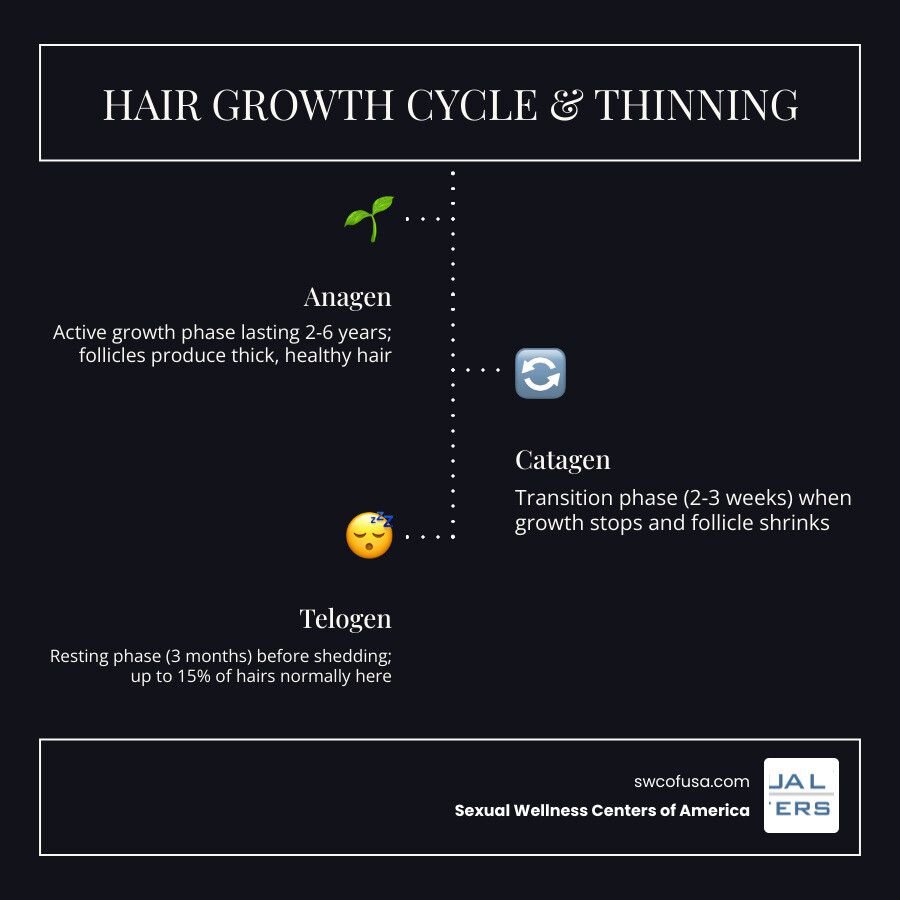
Not all hair thinning is permanent or progressive. If you notice a sudden, massive increase in daily shedding—like handfuls of hair coming out in the shower—you may be experiencing telogen effluvium.
This condition occurs when a major physical or emotional shock abruptly pushes a large percentage of active hair follicles out of their growing phase (anagen) and into their resting/shedding phase (telogen). Common triggers include:
- Severe emotional stress or psychological trauma
- Pregnancy and childbirth (postpartum shedding)
- Rapid weight loss or extreme crash dieting
- High fevers, major surgeries, or severe illnesses
- Nutritional deficiencies (especially low iron or vitamin D levels)
The good news is that telogen effluvium is usually temporary. Once the underlying trigger is addressed, the hair cycle typically normalizes within three to six months, and the hair begins to grow back naturally.
Medical and FDA-Approved Best Treatment for Thinning Hair Options
When it comes to clinically proven, medical-grade options, only a few select treatments have earned the coveted stamp of FDA approval. If you are looking for the absolute best treatment for thinning hair that has decades of scientific data to back it up, these are the heavy hitters. To understand how these traditional therapies fit into the broader modern landscape, you can consult this Clinical review of androgenetic alopecia treatments.
Minoxidil: The Gold Standard Topical and Oral Solution
Minoxidil is the only over-the-counter medication approved by the FDA for treating hair loss in both men and women. Originally developed in the 1970s as an oral medication for high blood pressure, researchers noticed an unexpected side effect: patients were growing hair.
To understand how it works, we have to look at the Pharmacology of minoxidil. Minoxidil is actually a prodrug. Once applied to the scalp, an enzyme called sulfotransferase converts it into its active form, minoxidil sulfate. This active compound acts as a vasodilator, opening up blood vessels to increase blood flow, oxygen, and nutrients directly to the hair follicles. It also shortens the resting (telogen) phase and extends the active growth (anagen) phase.
Key facts about minoxidil use:
- Efficacy: It works for about 2 out of 3 men, and is most effective for individuals under the age of 40 who have only recently started losing their hair.
- The Shedding Phase: During the first 2 to 6 weeks of use, many patients experience a temporary increase in shedding. Do not panic! This is actually a sign that the medication is working. The newly energized follicles are pushing out old, dead hairs to make room for healthy, thicker strands.
- Concentrations: It is available in a 2% solution or a stronger 5% foam/liquid. While 5% is generally more effective, some users prefer the foam formulation because it does not contain propylene glycol, which can cause scalp irritation or contact dermatitis.
- Oral Minoxidil: In recent years, low-dose oral minoxidil (typically 0.25 mg to 2.5 mg daily) has gained popularity as an off-label alternative. It is highly convenient for those who dislike applying topical solutions daily, though it carries a slightly higher risk of systemic side effects like hypertrichosis (unwanted body hair growth) or mild blood pressure changes.
What is the Best Treatment for Thinning Hair in Men vs. Women?
Because the underlying hormonal mechanisms of hair loss differ between sexes, the ideal treatment plan must be tailored accordingly.
- For Men: Finasteride is the primary prescription option. It works by selectively blocking the Type II 5-alpha-reductase enzyme, which stops the conversion of testosterone into DHT. Clinical data shows that finasteride slows or stops hair loss in nearly 90% of men, and roughly two-thirds of those men experience visible hair regrowth. However, men must be aware of potential side effects, including sexual dysfunction (affecting 1% to 4% of users), mood changes, or breast tenderness.
- For Women: Finasteride is generally not approved for women, especially those of childbearing age, due to the severe risk of birth defects. Instead, doctors often prescribe spironolactone off-label. Spironolactone is an anti-androgen that reduces the production of male hormones and blocks DHT from binding to hair follicles. It is highly effective for women experiencing hormonal thinning, particularly those with conditions like Polycystic Ovary Syndrome (PCOS). For a comprehensive look at how these sex-specific therapies compare in clinical trials, see this Study on alopecia treatments.
Advanced In-Office Procedures and Regenerative Therapies
If daily topical applications or oral medications do not fit your lifestyle, or if you want to supercharge your results, advanced in-office procedures offer highly targeted, medical-grade solutions.
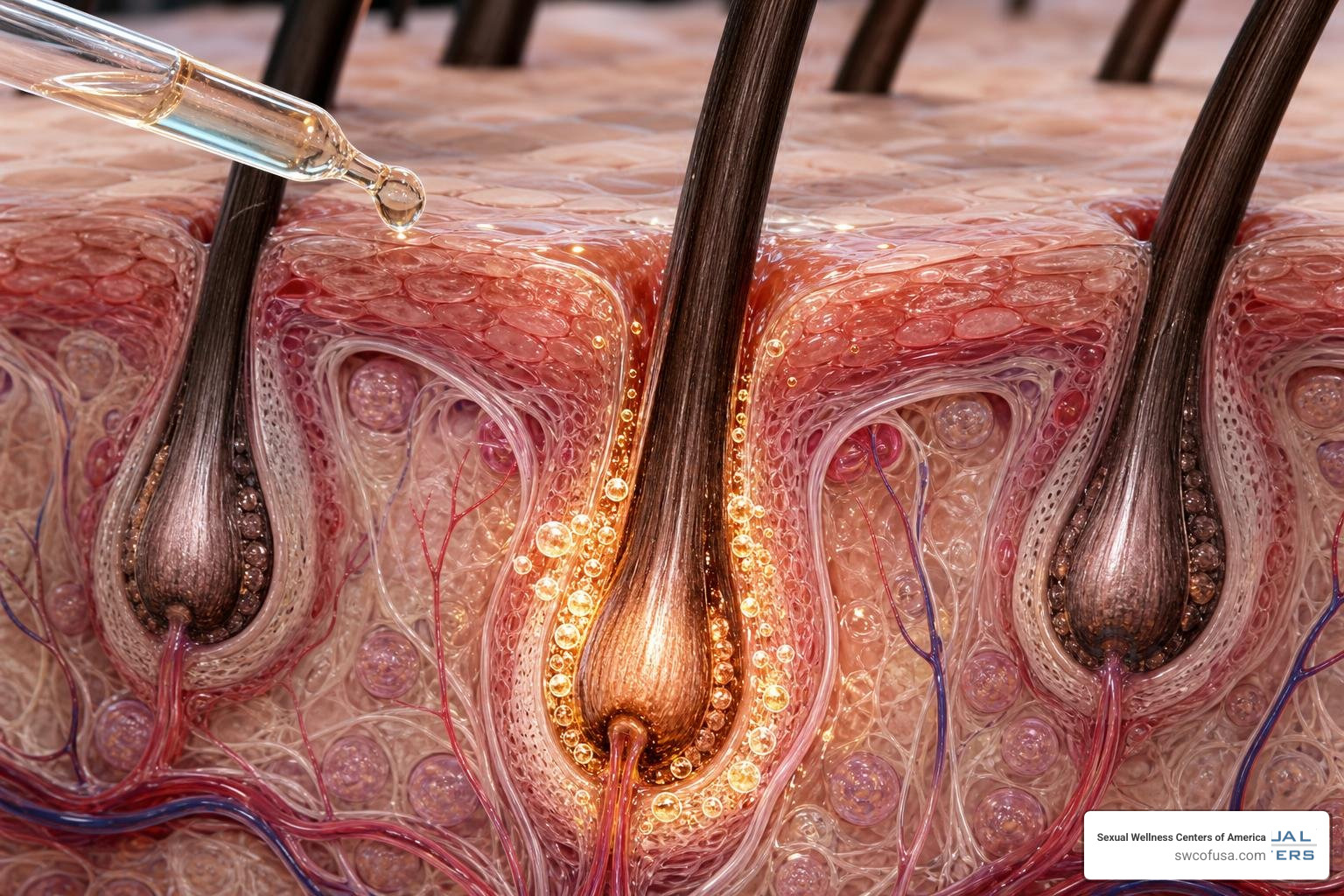
These treatments work directly at the cellular level to awaken dormant follicles and accelerate the healing process. For those living in or near Colleyville, TX, you can explore specialized local options by checking out More info on regenerative hair services.
PRP and PRF Therapy: Next-Gen Growth Factors
Platelet-Rich Plasma (PRP) and Platelet-Rich Fibrin (PRF) are revolutionary, minimally invasive therapies that utilize your body’s own natural healing mechanisms to stimulate hair growth.
During a session, a small sample of your blood is drawn and spun in a centrifuge to separate the platelets from other blood components. These platelets contain a massive concentration of growth factors, which are then injected directly into the thinning areas of your scalp.
While PRP has been the standard for years, PRF is rapidly emerging as the next-generation upgrade. PRF is spun at a lower speed, which preserves a natural fibrin matrix. This matrix acts like a slow-release capsule, allowing the growth factors to diffuse into the scalp over a longer period. This sustained release provides more durable stimulation to the hair follicles.
A typical protocol involves three to four initial monthly sessions, followed by maintenance treatments every six to twelve months. While pricing varies, expect each session to cost between $500 and $1,500.
Low-Level Laser Therapy (LLLT) and Hair Transplants
For non-invasive home or clinical care, Low-Level Laser Therapy (LLLT) utilizes specific wavelengths of red light (usually between 600 and 1100 nm) to stimulate cellular activity in the hair follicles—a process known as photobiomodulation. This light energy boosts ATP (cellular energy) production, encouraging follicles to enter the active growth phase. While at-home laser caps and combs are popular and FDA-cleared, they require consistent, long-term use to maintain results.
When follicles have completely miniaturized and died, non-surgical therapies can no longer regrow hair in those areas. This is where surgical hair restoration comes in:
- Follicular Unit Transplantation (FUT): Often called the “strip method,” this involves removing a strip of scalp from a donor area (usually the back of the head), dividing it into individual follicular units, and transplanting them into thinning areas.
- Follicular Unit Extraction (FUE): A more modern technique where individual hair follicles are extracted one by one using a micro-punch tool, leaving virtually no linear scarring and requiring less downtime.
It is important to remember that while a hair transplant relocates healthy, DHT-resistant follicles to thinning areas, it does not stop the progression of hereditary hair loss in the surrounding, non-transplanted hair. Ongoing medical maintenance is still required to protect your investment.
Peptide Therapy and Nutritional Supplements for Follicle Support
The world of hair restoration has evolved far beyond basic over-the-counter vitamins. Today, cellular medicine offers highly targeted peptide therapies that work alongside nutritional support to optimize the scalp environment.
Why Peptide Therapy is Emerging as the Best Treatment for Thinning Hair
Peptides are short chains of amino acids that act as cellular messengers, telling your body to perform specific functions like repairing tissue, reducing inflammation, or activating stem cells. To understand how these molecules are changing the game, read this Beginners guide to hair regrowth peptides or check out this Guide to boosting hair density with serums.
One of the most exciting peptides in scalp care is GHK-Cu, a copper peptide naturally found in the human body that declines as we age. You can find out Why GHK-Cu is the secret sauce for your scalp—it works by blocking DHT, increasing follicle size, and stimulating blood vessel growth around the hair roots.
Another powerhouse is acetyl tetrapeptide-3. When combined with red clover extract, this peptide targets the main causes of hair loss by anchoring the hair fiber firmly into the scalp and reducing chronic inflammation. Learn more about the Acetyl tetrapeptide-3 hair growth science to see how it compares to traditional options.
For a broader look at how these amino acid chains work, you can explore the Best peptides for hair regrowth, read about Peptides for hair regrowth, or discover how patients are transitioning From thin to thick with peptides. For those seeking maximum absorption, clinical Peptide injections for hair loss offer a direct, systemic pathway to nourish dormant follicles.
Vitamins, Minerals, and Collagen for Hair Density
While supplements are incredibly popular, they are generally only effective if you have an actual, documented nutritional deficiency. Megadosing on vitamins you don’t need will not result in a thicker head of hair—it will simply result in expensive urine.
However, if you are deficient, correcting the issue can dramatically halt shedding. The most critical nutrients for hair health include:
- Iron: Iron deficiency anemia is a well-documented cause of diffuse hair shedding, especially in women. Iron is vital for producing hemoglobin, which carries oxygen to your hair roots.
- Vitamin D: Low vitamin D levels are heavily linked to alopecia areata and telogen effluvium. Vitamin D helps create new hair follicles and wake up dormant ones.
- Zinc: Zinc plays a crucial role in hair tissue growth, repair, and the proper functioning of the oil glands around the follicles.
- Biotin: While widely marketed, biotin supplementation only helps if you have a true biotin deficiency, which is relatively rare in developed countries.
- Collagen: Collagen provides the amino acids necessary to build keratin (the protein that makes up hair) and helps protect the scalp from oxidative stress. You can read about the relationship between Collagen peptides hair regrowth, explore the general link between a Collagen supplement and hair growth, or discover How collagen peptides help hair growth to optimize your daily nutritional intake.
Scalp Health and Daily Habits to Prevent Further Thinning
We often focus so much on the hair strands themselves that we forget the scalp is the literal soil in which our hair grows. If the soil is dry, inflamed, or clogged with excess sebum, the hair cannot thrive.
To maintain a healthy scalp microbiome and protect your hair from mechanical damage, implement these daily habits:
- Keep Sebum in Check: Excess scalp oils can harbor yeast and bacteria, leading to inflammation and shedding. Shampoos containing ketoconazole (an antifungal active) are highly beneficial, as they reduce scalp yeast while mildly blocking DHT on the scalp surface.
- Be Gentle with Styling: Avoid tight hairstyles like high ponytails, buns, or braids that pull constantly on the hair roots. Over time, this mechanical tension can cause traction alopecia—a form of hair loss that can become permanent if the follicles are scarred.
- Limit Heat and Chemicals: High heat from blow dryers, straighteners, and curling irons weakens the hair’s keratin structure, leading to breakage. Space out chemical treatments like bleaching, perming, or relaxing, and always use a heat protectant.
- Perform Scalp Massages: Gently massaging your scalp for just four minutes a day can increase blood flow to the hair follicles, delivering vital oxygen and nutrients to support healthy growth.
Frequently Asked Questions about Hair Loss
How long does it take to see results from thinning hair treatments?
Because of the natural hair growth cycle, patience is absolutely essential. Hair grows at an average rate of just half an inch per month. Most treatments—whether topical, oral, or regenerative—require at least four to six months of consistent daily use before you will see any visible increase in density. Peak results often take up to a full year.
When should I see a doctor or dermatologist about my thinning hair?
You should schedule a medical evaluation if you experience sudden, rapid hair shedding, notice patchy bald spots, or have scalp symptoms like severe itching, redness, scaling, or pain. A doctor can perform diagnostic blood tests (to check thyroid function, iron, and hormone levels) or a scalp biopsy to determine the exact cause of your hair loss.
Can thinning hair completely grow back?
It depends entirely on follicle viability. If your hair thinning is caused by a temporary trigger like stress, pregnancy, or a nutritional deficiency, the hair will typically grow back completely once the root cause is resolved. However, for genetic thinning (androgenetic alopecia), you must intervene early. Once a hair follicle has completely miniaturized and stopped producing hair for several years, it cannot be revived.
Conclusion
At Sexual Wellness Centers of America in Colleyville, TX, we believe that the best treatment for thinning hair is one that is completely customized to your unique biological blueprint. We don’t believe in one-size-fits-all, over-the-counter band-aids. Instead, we dive deep into your physiology with comprehensive hormone and vitamin panels to identify the exact root causes of your hair thinning.
Our clinic specializes in advanced, cutting-edge therapies designed to restore your vitality from the inside out. From our proprietary REGENmax® technology to our tailored sexual wellness treatments like HEshot®™ and SHEshot®™, we focus on comprehensive cellular rejuvenation.
If you are ready to stop watching your hair slip away and want to build a customized, science-backed plan to restore your hair’s density and strength, we are here to help. Schedule a consultation for peptide therapy for hair growth at our Colleyville location today, and let’s start your restoration journey together.